Construction and validation of a predictive model for the efficacy of valproic acid monotherapy in epilepsy based on Lasso-logistic regression
Qichang Xing, Zheng Liu, Haibo Lei, Renzhu Liu, Xiang Liu, Jia Chen

TL;DR
Researchers developed a model to predict valproic acid effectiveness in epilepsy patients using gene data, identifying SNORD3A as a potential biomarker.
Contribution
A novel predictive model using Lasso-logistic regression and SNORD3A as a biomarker for valproic acid efficacy in epilepsy.
Findings
A predictive model with an AUC of 0.70 was developed to predict valproic acid resistance in epilepsy patients.
SNORD3A gene expression showed significant differences between responders and non-responders, validating its potential as a biomarker.
86 genes were identified as related to valproic acid response, with three (NELL2, SNORD3A, mir-1974) selected for the final model.
Abstract
•valproic acid (Depakene) efficacy varies; a predictive model was developed.•86 genes linked to VPA response: 3 genes (NELL2, SNORD3A, mir-1974) in final model.•AUC of 0.70 indicates good predictive ability for VPA resistance.•qPCR validation confirms SNORD3A as a potential biomarker for VPA efficacy. valproic acid (Depakene) efficacy varies; a predictive model was developed. 86 genes linked to VPA response: 3 genes (NELL2, SNORD3A, mir-1974) in final model. AUC of 0.70 indicates good predictive ability for VPA resistance. qPCR validation confirms SNORD3A as a potential biomarker for VPA efficacy. Valproic acid (VPA) is a broad-spectrum antiepileptic drug; but its therapeutic efficacy varies significantly among individuals. The objective of this study is to identify the specific biomarkers that can predict the efficacy of VPA. The GSE143272 dataset from the Gene Expression Omnibus…
Genes, proteins, chemicals, diseases, species, mutations and cell lines named across the full text — each resolved to its canonical identifier and authoritative record.
Click any figure to enlarge with its caption.
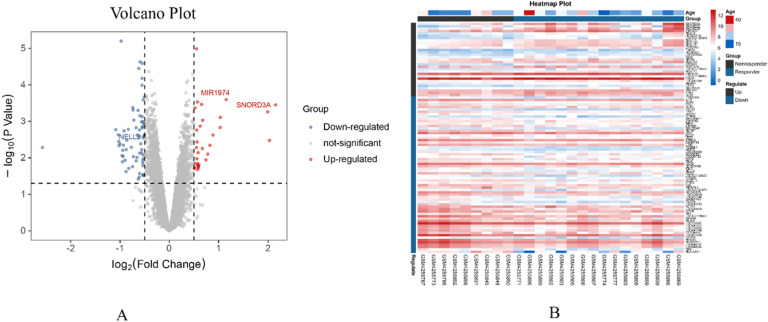 Figure 1
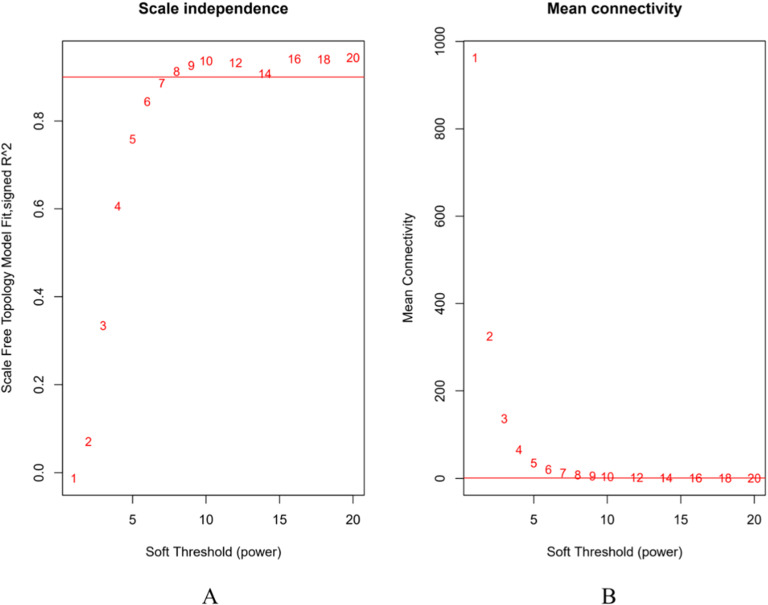 Figure 2
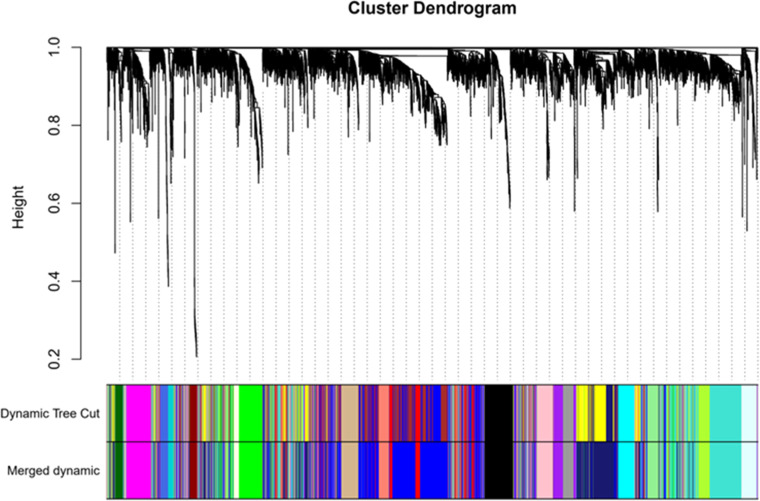 Figure 3
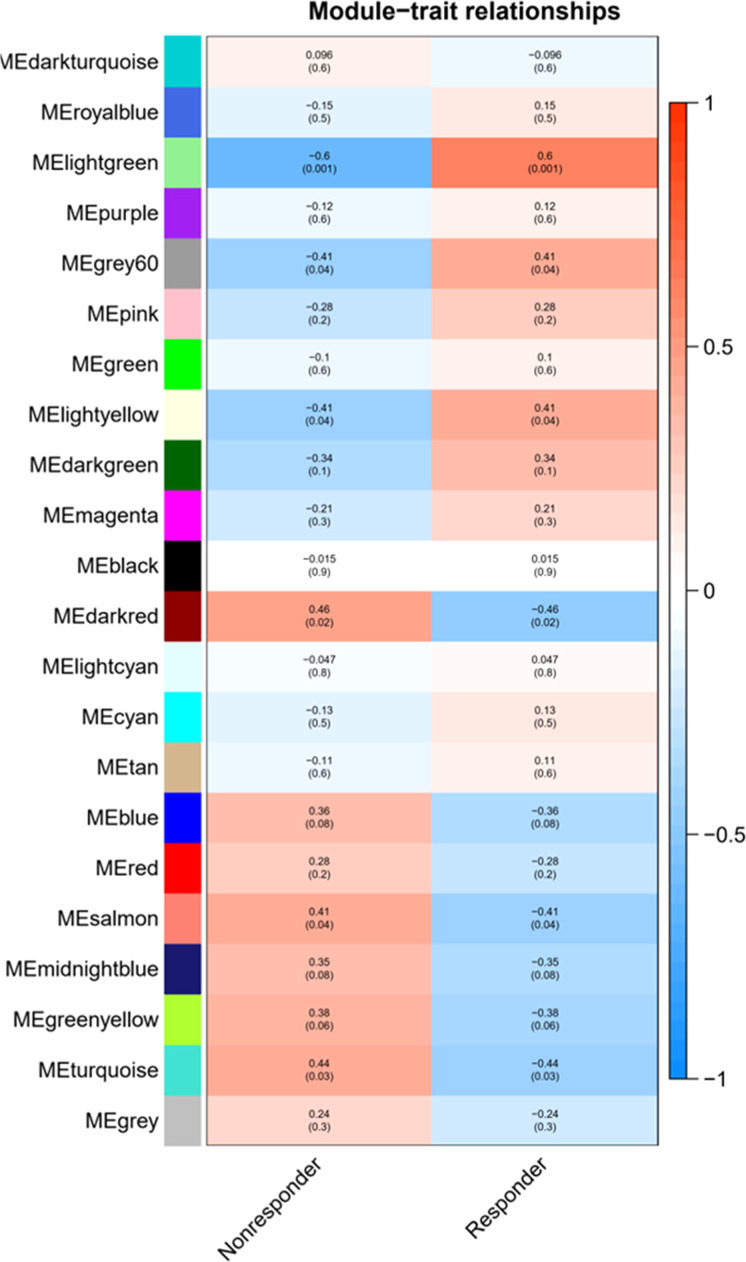 Figure 4
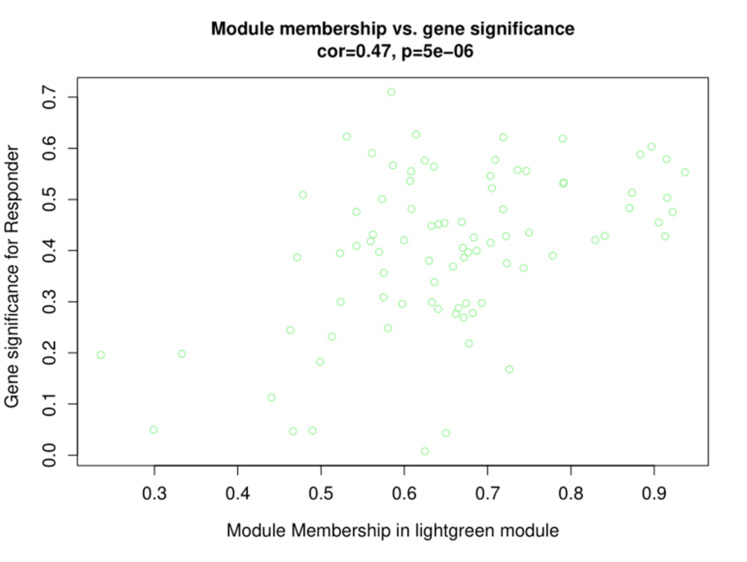 Figure 5
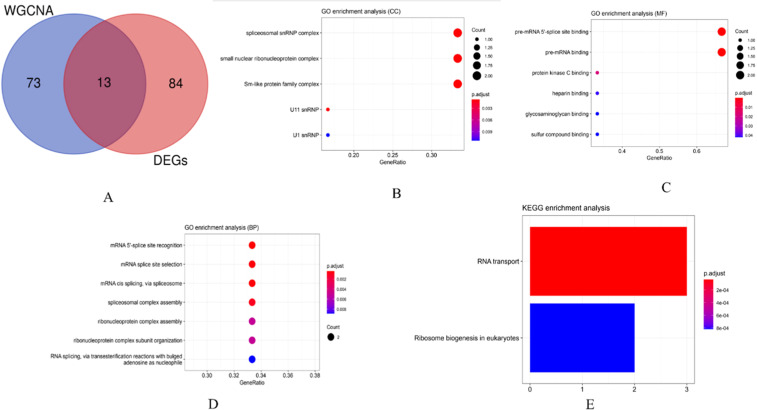 Figure 6
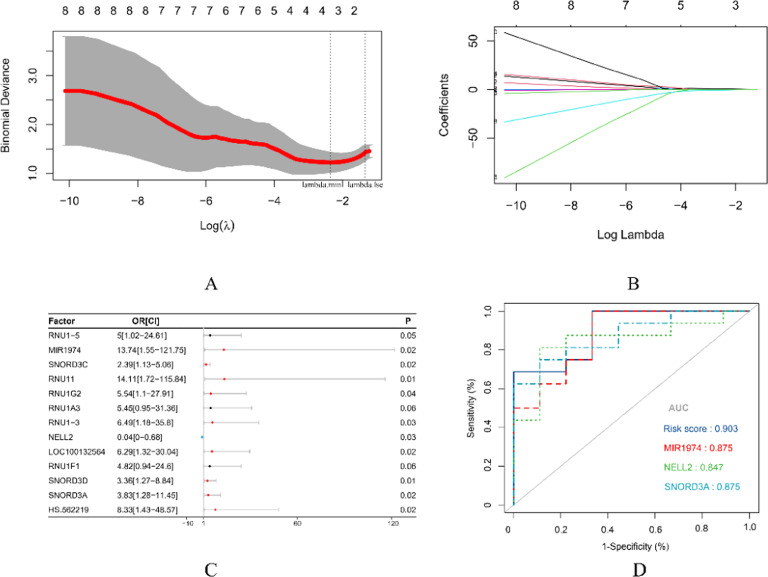 Figure 7
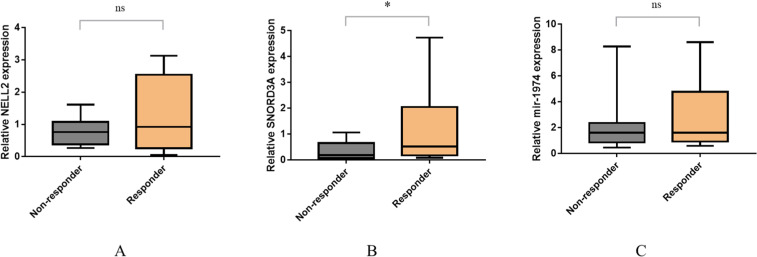 Figure 8
Peer Reviews
No public reviews on file for this paper yet. If you reviewed it on a platform where reviews are public (OpenReview, ICLR, NeurIPS, ICML), you can paste yours below so the community can read it here.
Videos
No videos yet. Explain this paper in a talk, walkthrough, or lecture? Add one.
Taxonomy
TopicsPharmacological Effects and Toxicity Studies · HIV Research and Treatment · Genetics and Neurodevelopmental Disorders