Identification and validation of ubiquitination-related genes for predicting cervical cancer outcome
Ge Jin, Xiaomei Fan, Xiaoliang Liang, Honghong Dai, Jun Wang

TL;DR
This study identifies five ubiquitination-related genes that predict cervical cancer outcomes and survival rates, offering new insights into the disease's biology and potential treatment targets.
Contribution
The study introduces a novel risk model based on ubiquitination-related biomarkers for predicting cervical cancer survival and highlights their clinical and immunological relevance.
Findings
Five ubiquitination-related biomarkers (MMP1, RNF2, TFRC, SPP1, and CXCL8) were identified as significant predictors of cervical cancer outcomes.
A risk score model based on these biomarkers effectively predicted patient survival with an AUC >0.6 for 1, 3, and 5 years.
Immune infiltration analysis revealed significant differences in 12 immune cell types and four immune checkpoints between high- and low-risk groups.
Abstract
Abnormalities in ubiquitination-related pathways or systems are closely associated with various cancers, including cervical cancer (CC). However, the biological function and clinical value of ubiquitination-related genes (UbLGs) in CC remain unclear. This study aimed to explore key UbLGs associated with CC, construct a prognostic model, and investigate their potential clinical and immunological significance. Differentially expressed genes (DEGs) between CC (tumor) and standard samples in self-sequencing and TCGA-GTEx-CESC datasets were identified using differential analysis. We identified overlaps between DEGs in both datasets and UbLGs, revealing key crossover genes. Subsequently, biological markers were identified via univariate Cox regression analysis and least absolute shrinkage and selection operator algorithms. After conducting independent prognostic analysis, immune infiltration…
Genes, proteins, chemicals, diseases, species, mutations and cell lines named across the full text — each resolved to its canonical identifier and authoritative record.
Click any figure to enlarge with its caption.
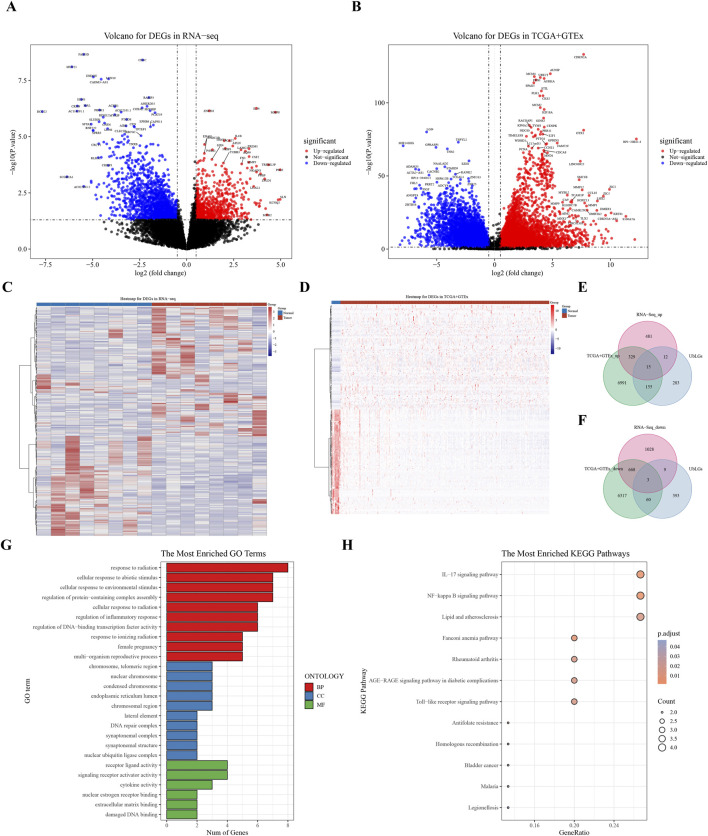 Figure 1
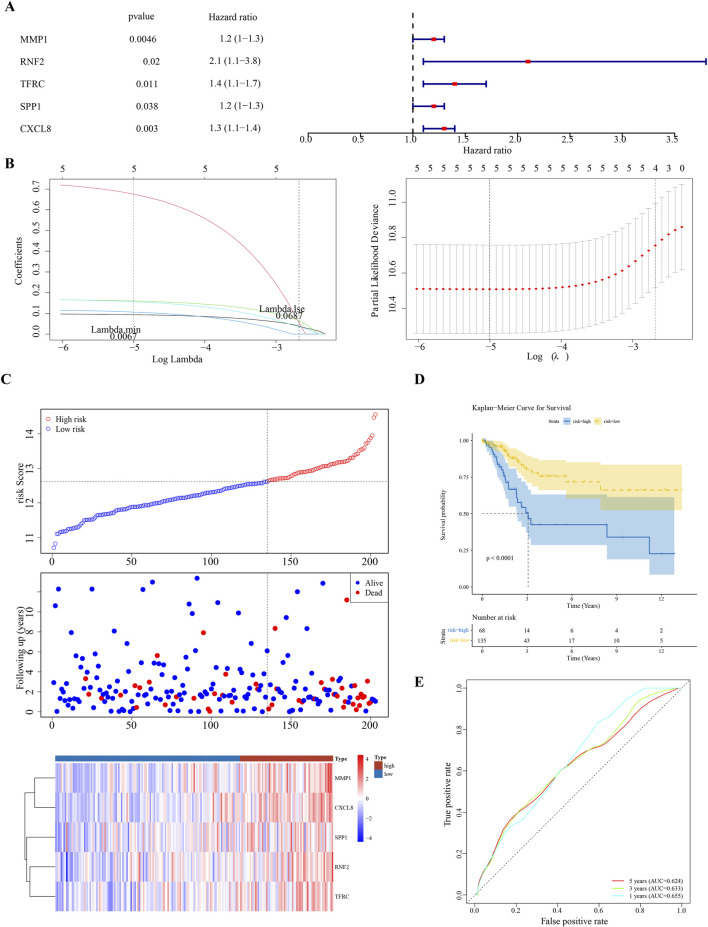 Figure 2
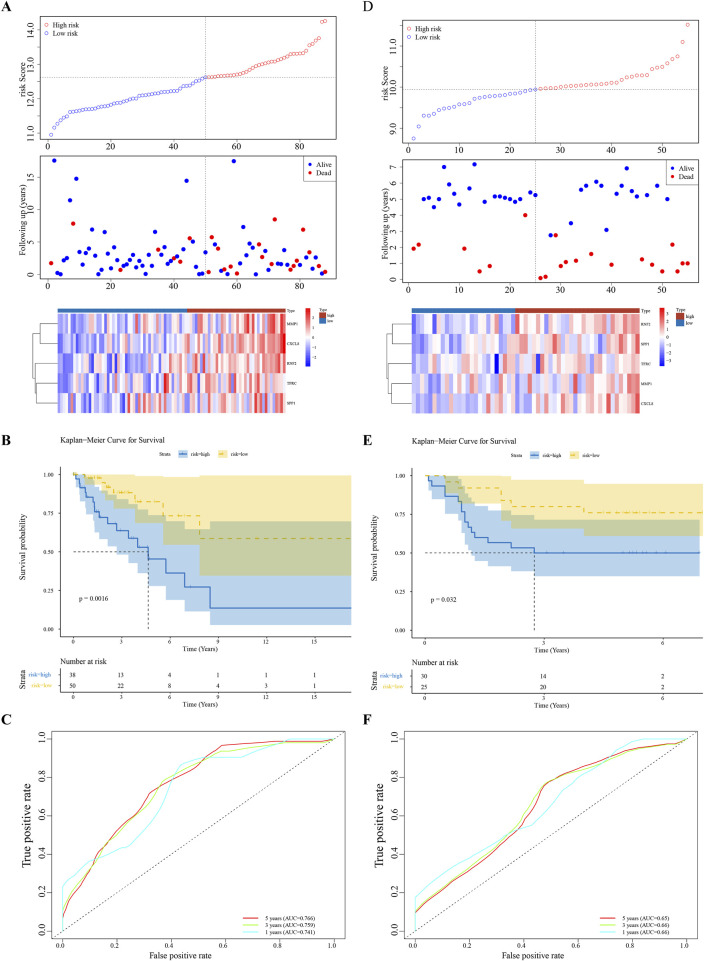 Figure 3
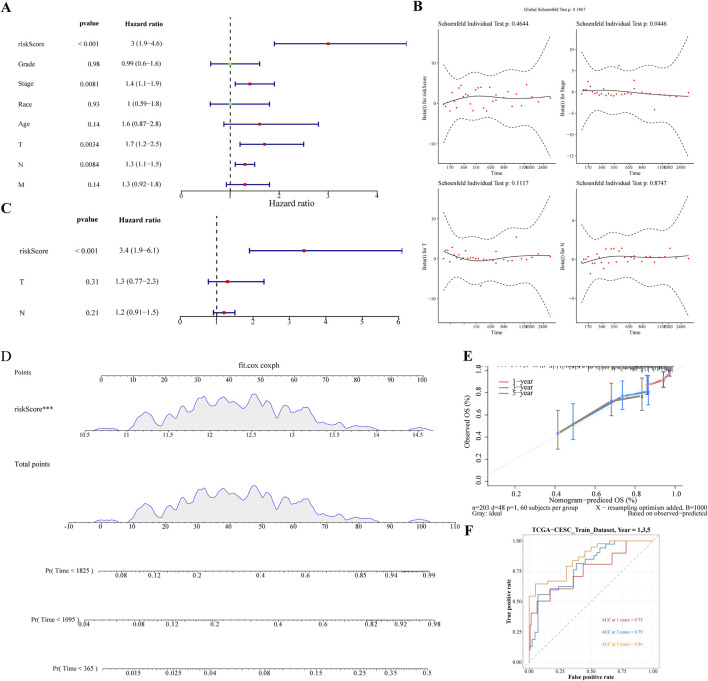 Figure 4
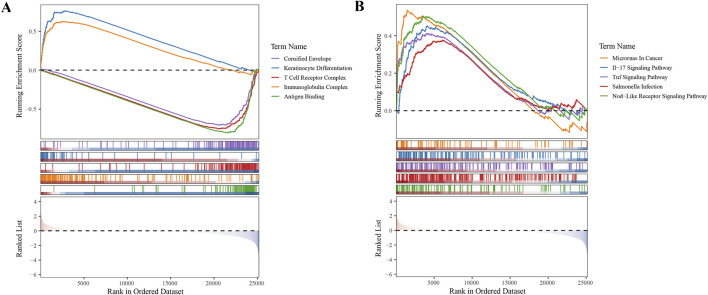 Figure 5
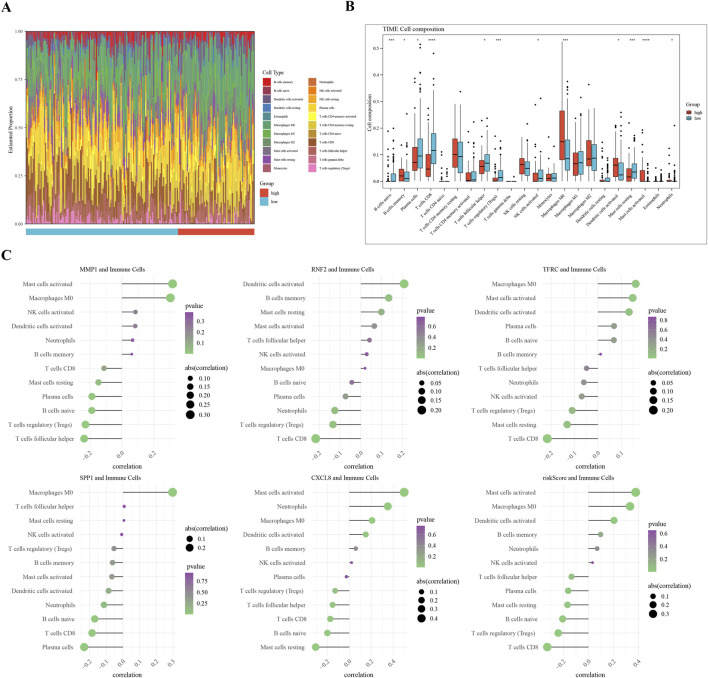 Figure 6
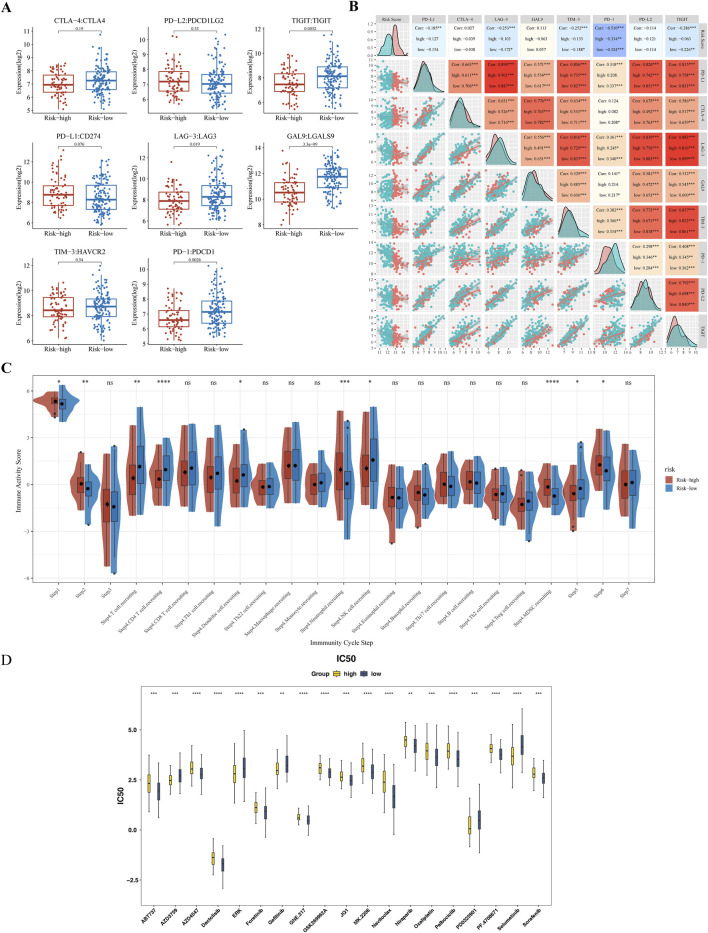 Figure 7
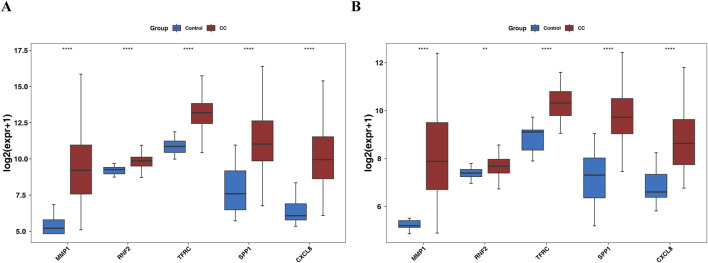 Figure 8
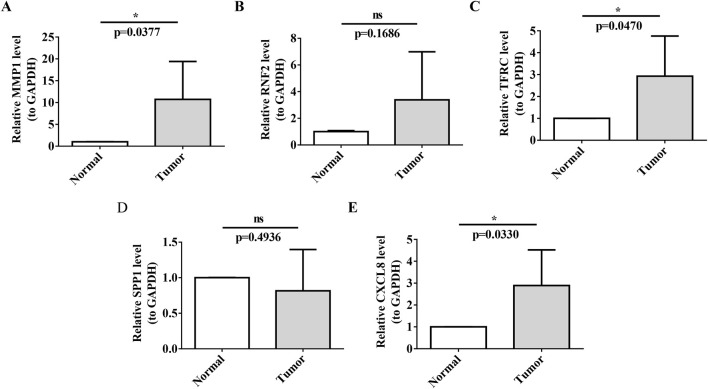 Figure 9
Peer Reviews
No public reviews on file for this paper yet. If you reviewed it on a platform where reviews are public (OpenReview, ICLR, NeurIPS, ICML), you can paste yours below so the community can read it here.
Videos
No videos yet. Explain this paper in a talk, walkthrough, or lecture? Add one.
Taxonomy
TopicsCancer-related molecular mechanisms research · Ferroptosis and cancer prognosis · Epigenetics and DNA Methylation