Exploration of the clinical prognostic model of BRCA based on PCAT7
Zhi Zhang, Chaocheng Xiang, Tong Chen, Aimin Ma, Xu Wang, Jiaying Li, Yixuan Chen, Chengyu Huang, Ting Li, Danmei Wu, Steven Mo, Dequan Li

TL;DR
This study explores the role of PCAT7 in breast cancer prognosis and identifies its potential as a biomarker for diagnosis and treatment.
Contribution
The study introduces a clinical prognostic model based on PCAT7 expression in breast cancer and links it to immune-related pathways and biomarkers.
Findings
PCAT7 is significantly overexpressed in breast cancer and correlates with poor prognosis.
PCAT7-related genes are enriched in immune and cancer pathways and are associated with immune checkpoint markers.
A PCAT7-based clinical score is strongly correlated with patient outcomes.
Abstract
Breast cancer (BRCA) is the most common cancer in women. Overexpression of long non-coding RNA Prostate cancer-associated transcript 7 (PCAT7) in BRCA was correlated with an unfavorable prognosis. Consequently, investigating the function and prognostic significance of PCAT7 in BRCA has become imperative. This study used BRCA data from the Cancer Genome Atlas (TCGA) as a training cohort to evaluate the prognostic potential of PCAT7. In addition, luminal A, luminal B, HER2, and basal like triple-negative breast cancer samples were collected clinically to verify the expression of PCAT7. Meanwhile, differentially expressed genes (DEGs) related to PCAT7 were identified. Subsequently, weighted gene co-expression network analysis (WGCNA) was used to identify abnormal regulatory modules of PCAT7 co-expressed genes in BRCA. Furthermore, we used enrichment analysis to evaluate the distribution…
Genes, proteins, chemicals, diseases, species, mutations and cell lines named across the full text — each resolved to its canonical identifier and authoritative record.
Click any figure to enlarge with its caption.
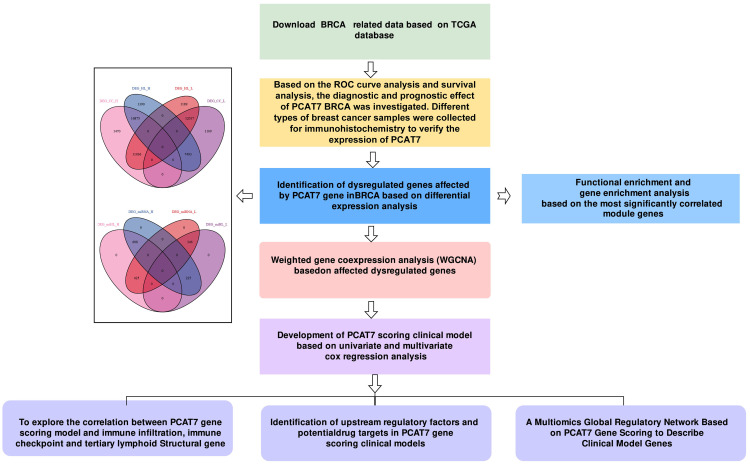 Figure 1
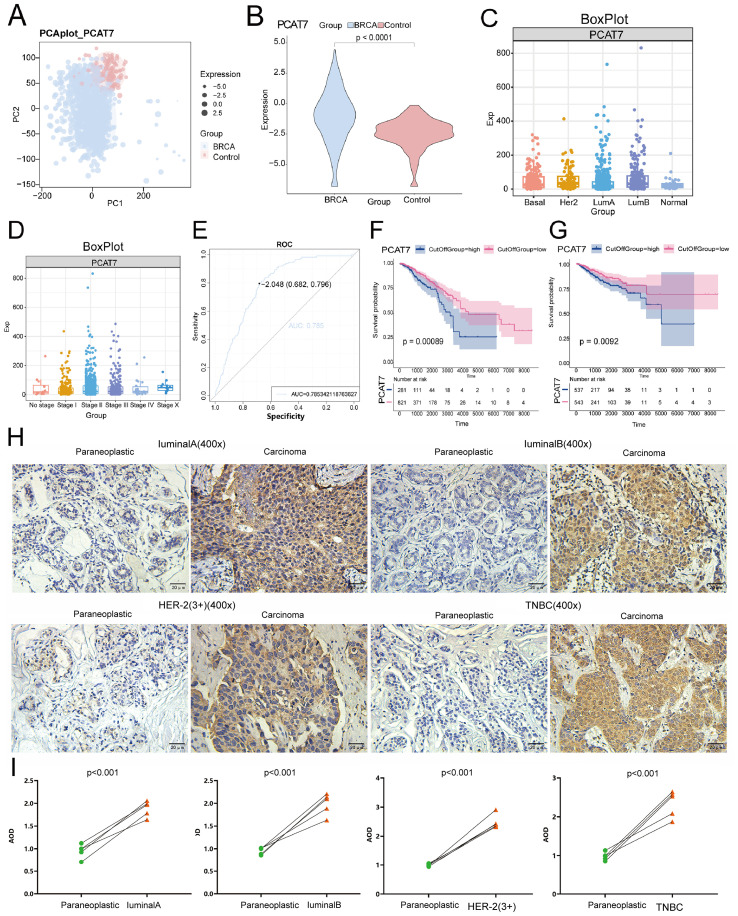 Figure 2
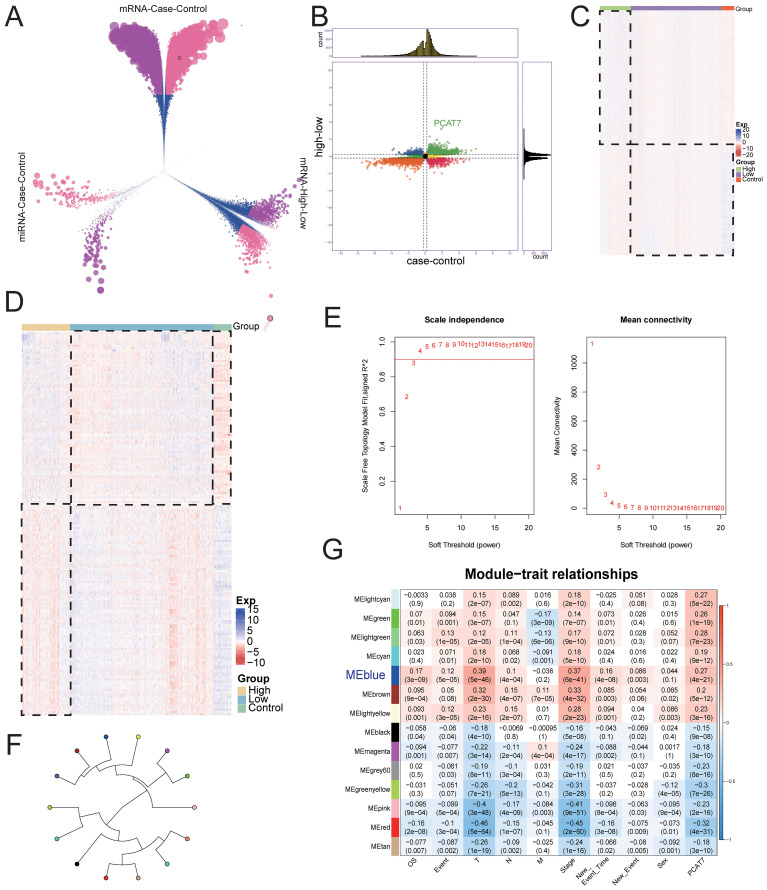 Figure 3
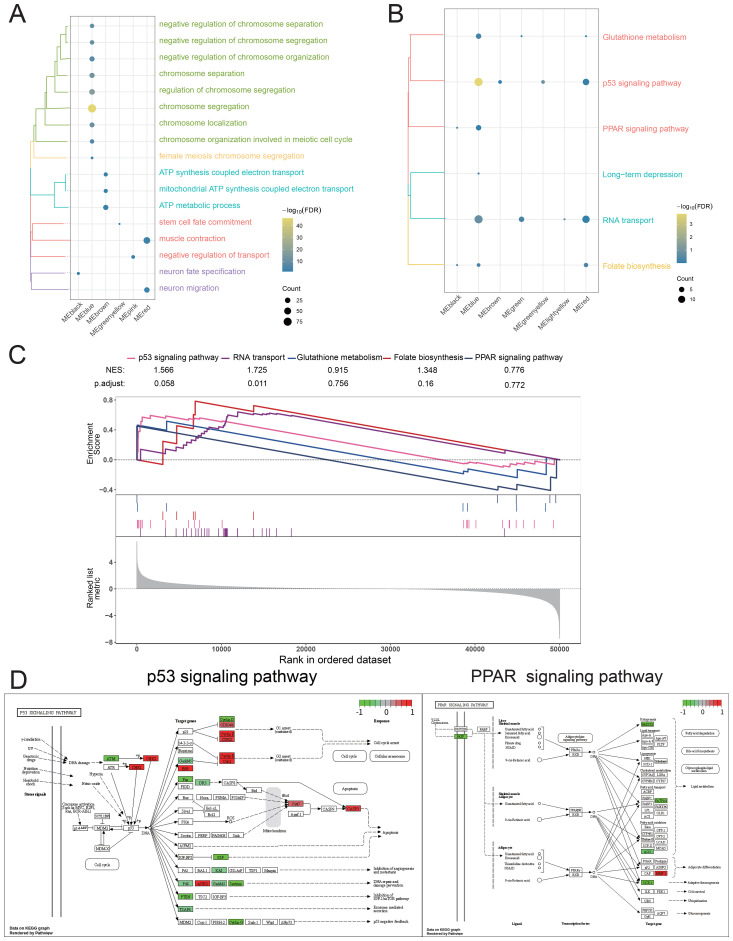 Figure 4
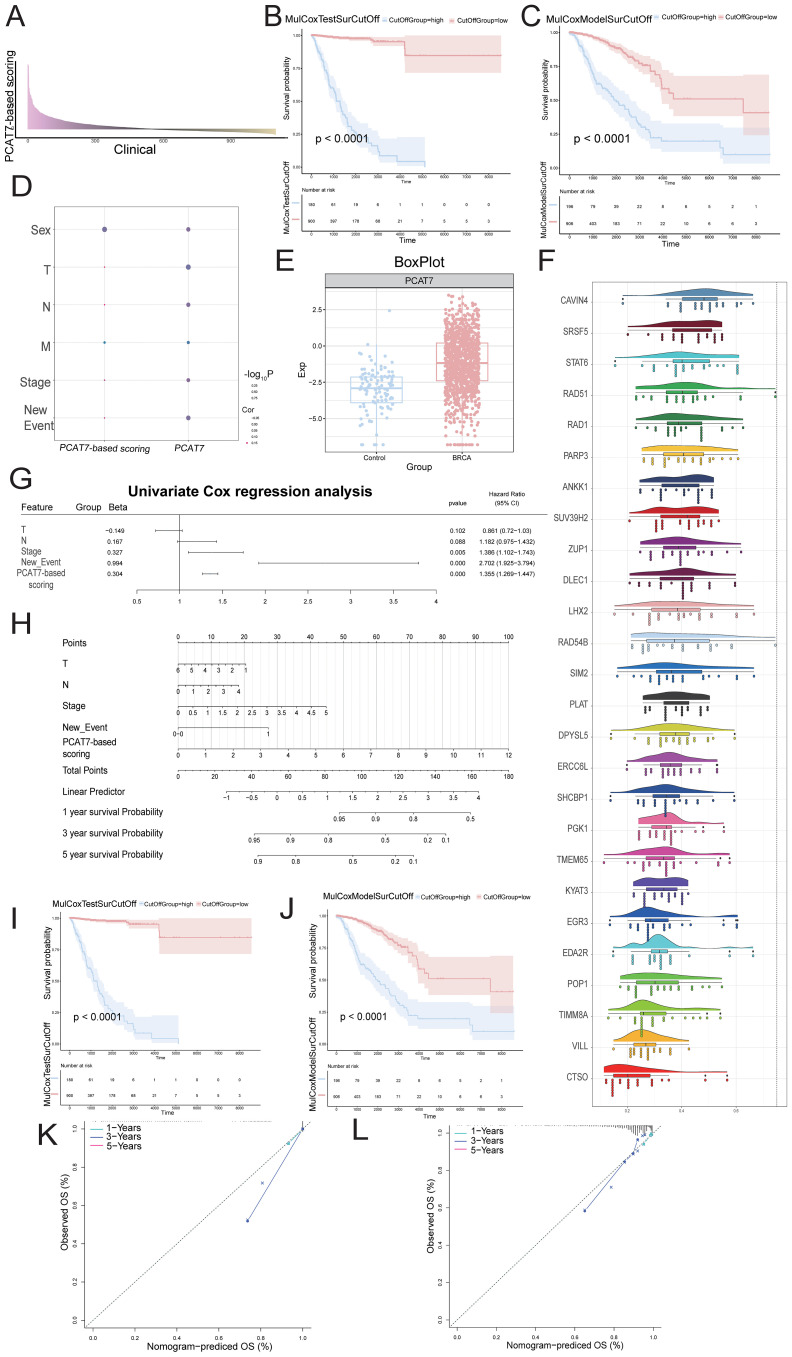 Figure 5
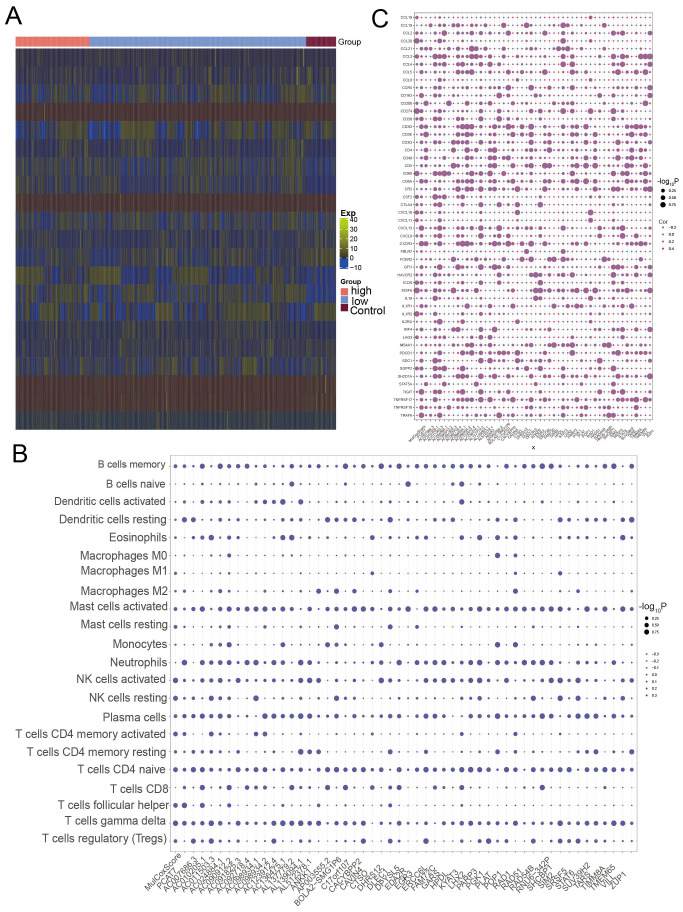 Figure 6
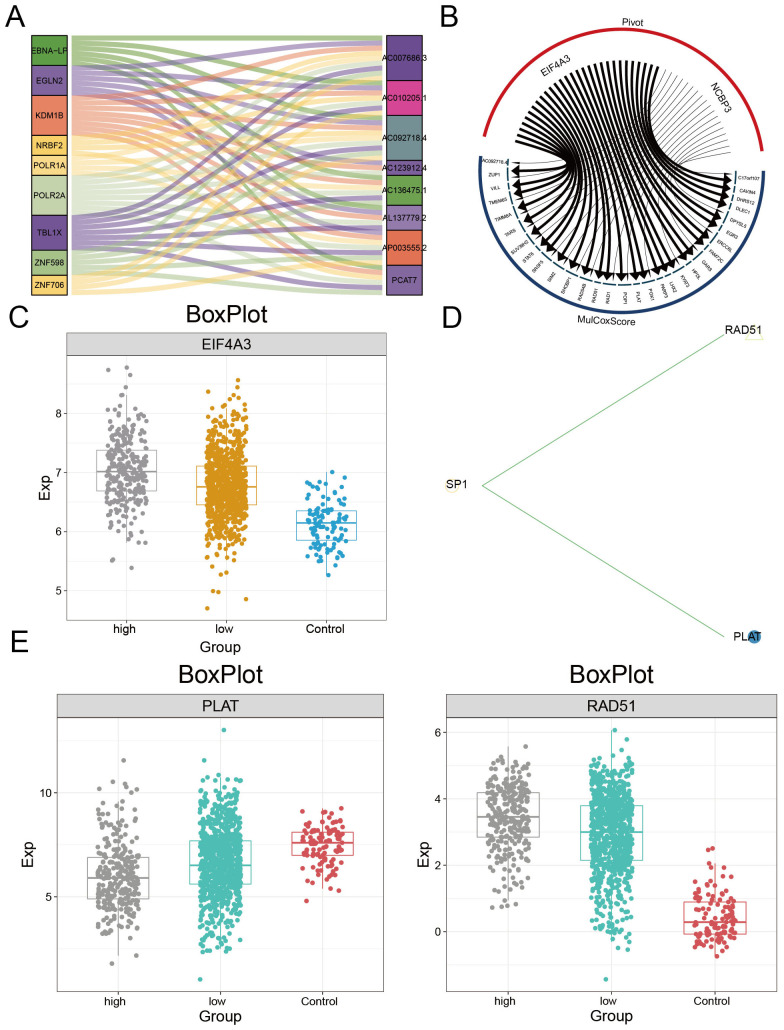 Figure 7
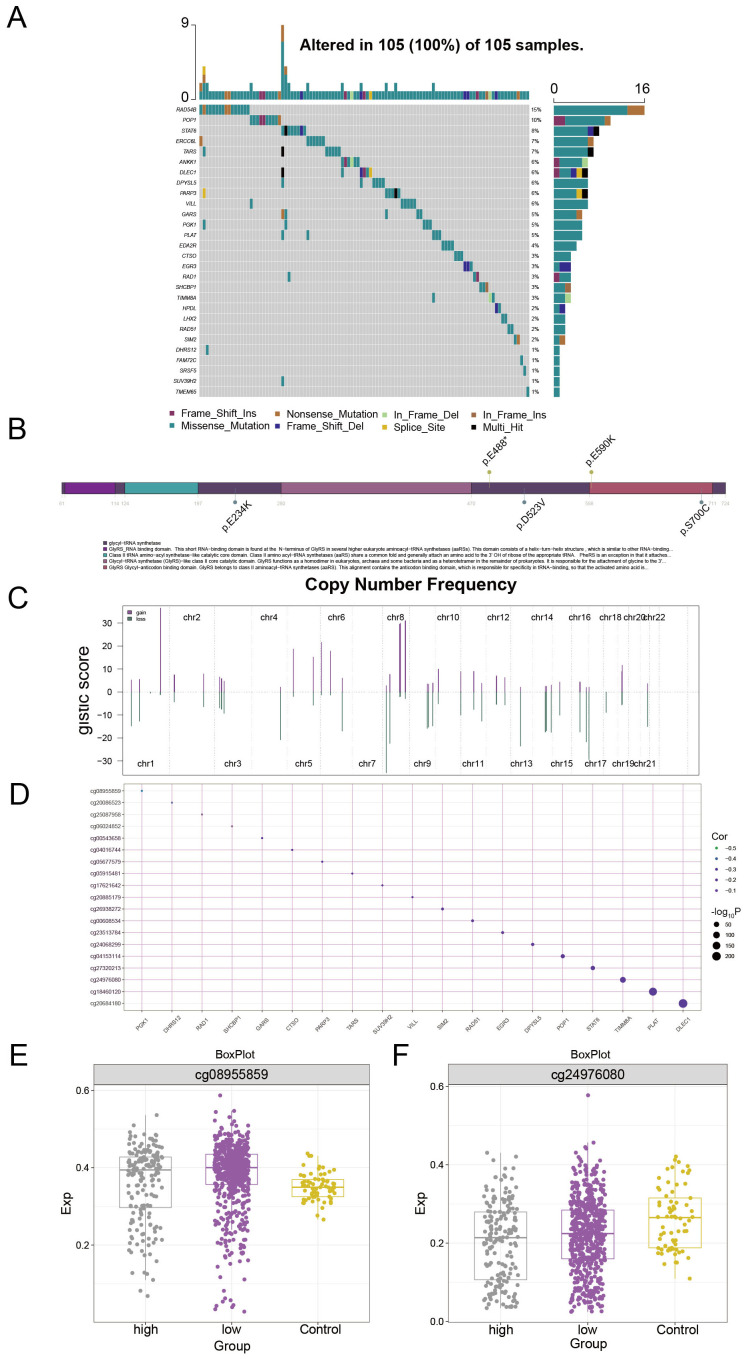 Figure 8
Peer Reviews
No public reviews on file for this paper yet. If you reviewed it on a platform where reviews are public (OpenReview, ICLR, NeurIPS, ICML), you can paste yours below so the community can read it here.
Videos
No videos yet. Explain this paper in a talk, walkthrough, or lecture? Add one.
Taxonomy
TopicsFerroptosis and cancer prognosis · Cancer-related molecular mechanisms research · RNA modifications and cancer