A behavioral study of live captured coypu (Myocastor coypus) and raccoons (Procyon lotor) with respect to animal welfare
Franziska M. Schöttes, Friederike Gethöffer, Daniel Tost, Nicole Kemper, Ursula Siebert

TL;DR
This study examines the behavior and stress levels of live-trapped coypu and raccoons to improve animal welfare during capture.
Contribution
The study introduces species-specific behavioral assessments and endocrinological stress indicators to evaluate and improve live trapping practices.
Findings
Coypu and raccoons showed species-specific and individual differences in behavior and coping strategies during trapping.
Trap design and capture duration significantly influenced animal behavior and stress levels.
Endocrinological measurements revealed differences in cortisol and DHEA levels between species and age groups in coypu.
Abstract
Since 2016, coypu (Myocastor coypus) and raccoons (Procyon lotor) have been listed as invasive alien species (IAS) of European Union concern (The Implementing Regulation (EU) 1141/2016). The three-stage management plan stipulates the prevention of the further spread of species already established in Germany (Regulation (EU) 1143/2014 of the European Parliament and of the Council). Live trapping is a commonly used instrument to catch animals in hunting practice, but also in species conservation and pet protection. As part of a comprehensive study to improve animal welfare in live trapping, this paper focuses on a behavioral study with the aim of assessing the behavior of trapped animals in relation to stress. Video recordings were analyzed using a species adjusted ethogram and a quantitative observation method with focus on the animal in the trap over a maximum six-hour period. Blood and…
Genes, proteins, chemicals, diseases, species, mutations and cell lines named across the full text — each resolved to its canonical identifier and authoritative record.
Click any figure to enlarge with its caption.
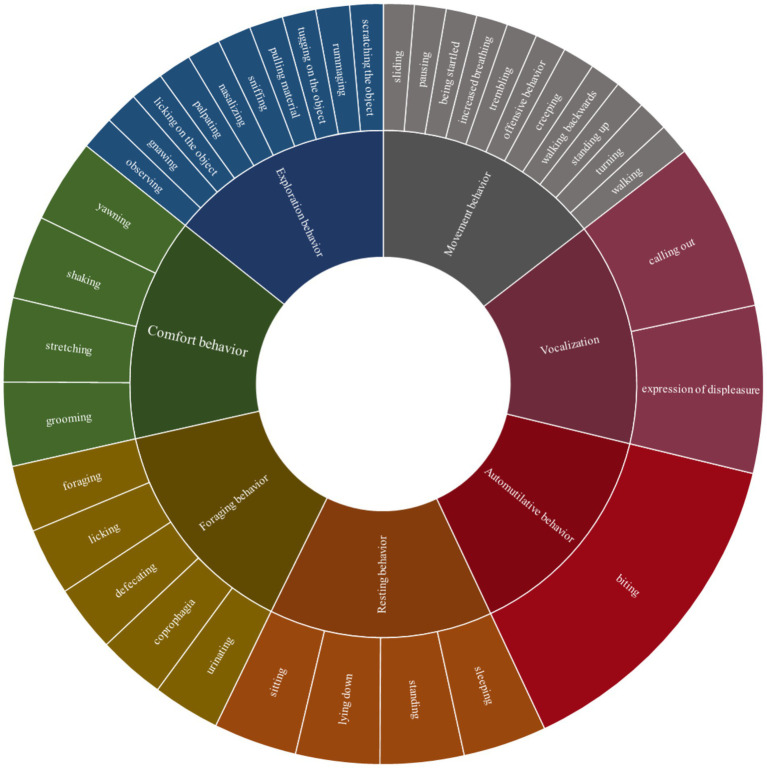 Figure 1
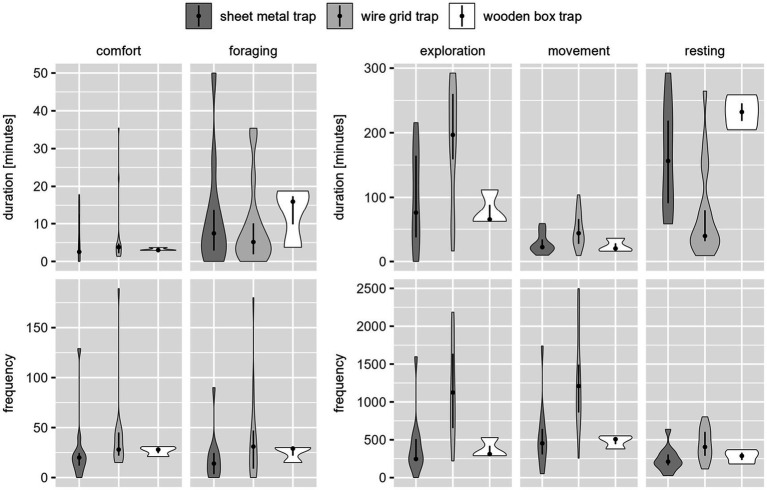 Figure 2
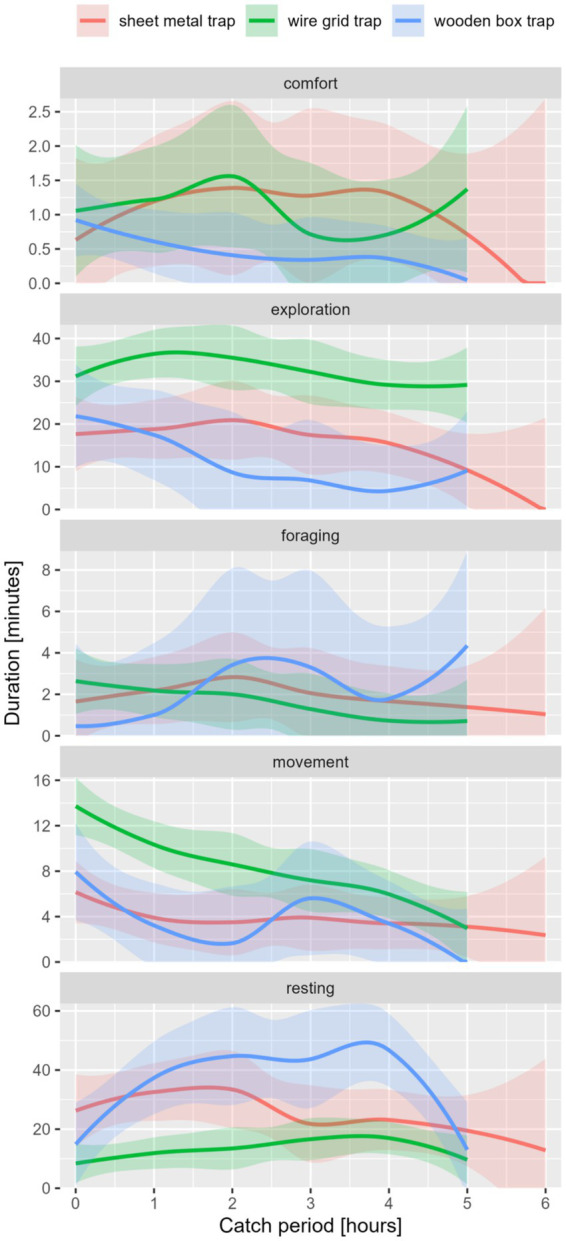 Figure 3
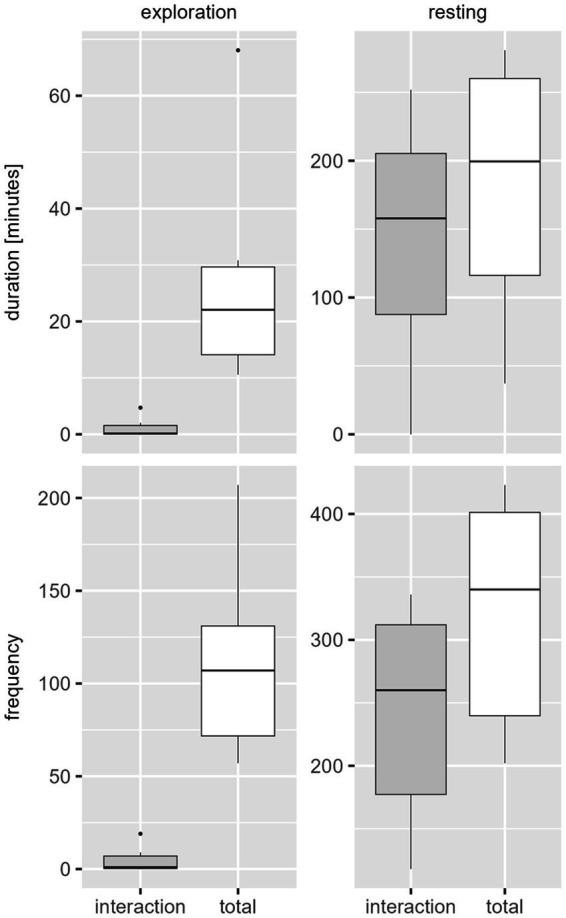 Figure 4
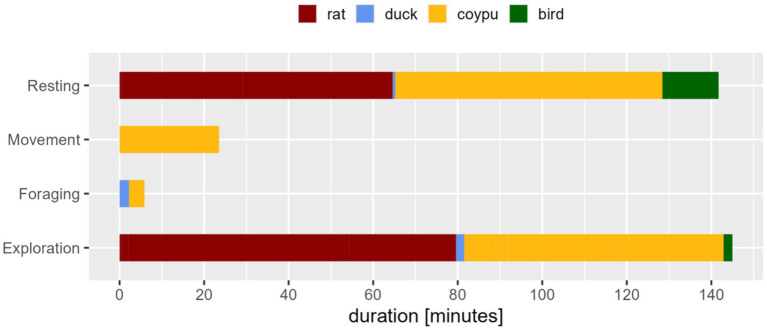 Figure 5
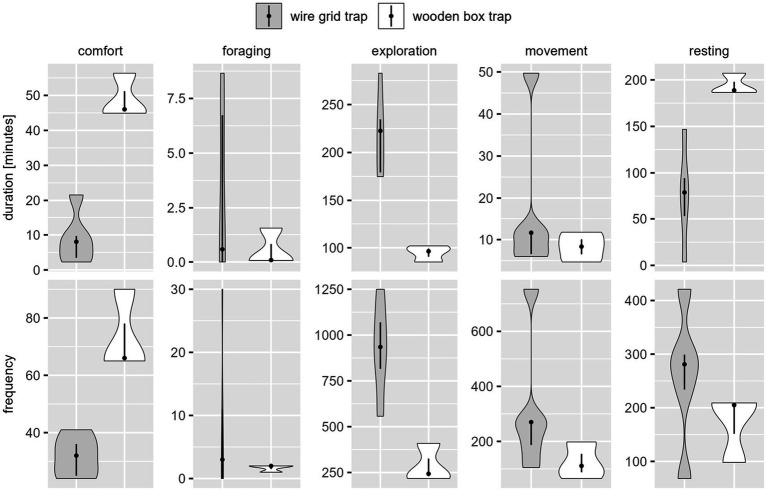 Figure 6
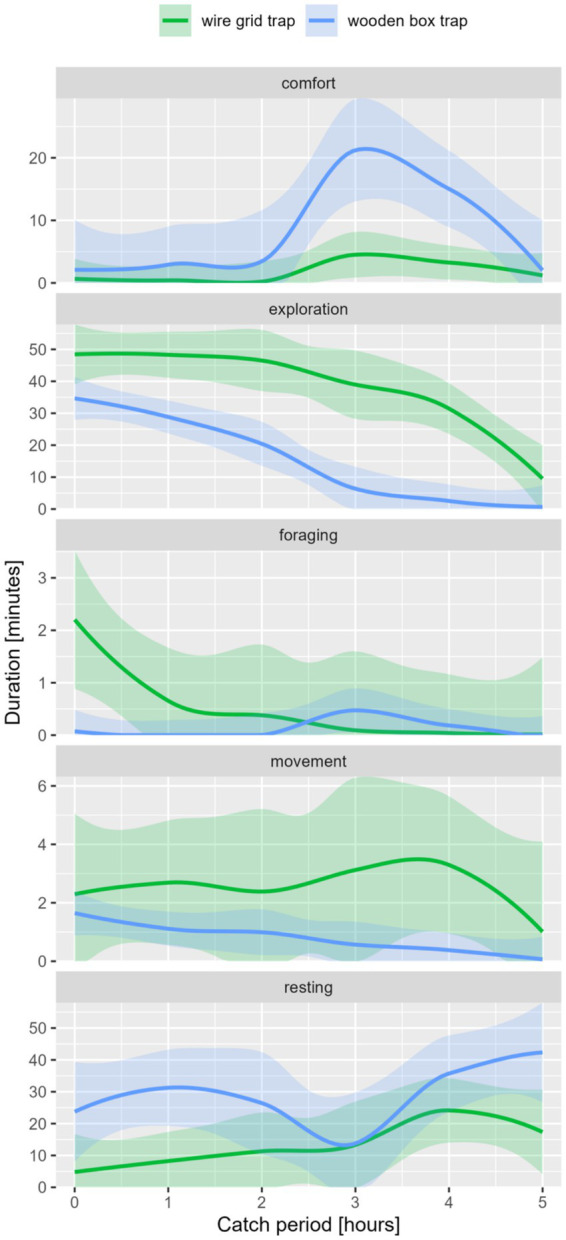 Figure 7
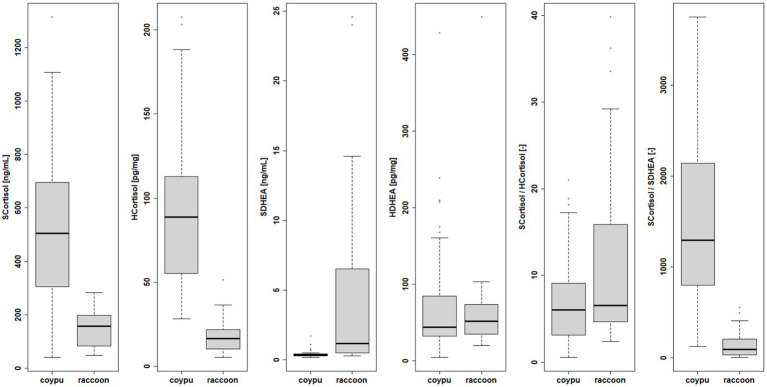 Figure 8
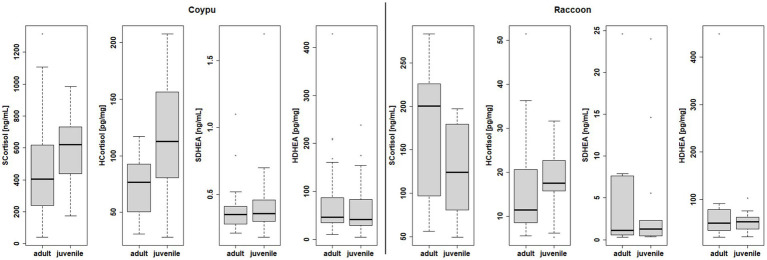 Figure 9
Peer Reviews
No public reviews on file for this paper yet. If you reviewed it on a platform where reviews are public (OpenReview, ICLR, NeurIPS, ICML), you can paste yours below so the community can read it here.
Videos
No videos yet. Explain this paper in a talk, walkthrough, or lecture? Add one.
Taxonomy
TopicsAnimal Behavior and Welfare Studies · Wildlife Ecology and Conservation · Rabbits: Nutrition, Reproduction, Health