Ansofaxine Hydrochloride inhibits hepatocellular carcinoma growth and enhances targeted therapy through the EGFR/MAPK pathway
Yongfei He, Qiang Tao, Shutian Mo, Meifeng Chen, Jicai Wang, Hang Zhai, Shengjie Hong, Qiang Gao, Guangquan Zhang, Chuangye Han, Xianjie Shi

TL;DR
Ansofaxine Hydrochloride may help treat liver cancer by inhibiting tumor growth and boosting immune response through the EGFR/MAPK pathway.
Contribution
This study is the first to demonstrate Ansofaxine Hydrochloride's anti-HCC effects and its mechanism via the EGFR/MAPK pathway.
Findings
Ansofaxine Hydrochloride inhibits HCC cell proliferation, migration, and invasion in vitro.
The drug enhances Lenvatinib's anti-HCC effects in vivo and promotes M1 macrophage infiltration.
EGFR/MAPK pathway-related gene expression is reduced with Ansofaxine Hydrochloride treatment.
Abstract
Hepatocellular carcinoma (HCC) is a common tumor that endangers health. Depression will affect the therapeutic effect of HCC, and depression and HCC promote and influence each other. Ansofaxine Hydrochloride is a novel antidepressant, and its anti-HCC effect remains to be confirmed. This study aimed to investigate the effect of Ansofaxine Hydrochloride on HCC and its molecular mechanism. The potential targets and signaling pathways of Ansofaxine Hydrochloride against HCC were obtained by network pharmacology, and the key targets were explored by molecular docking techniques. Hepatocellular carcinoma cells were treated with different concentrations of Ansofaxine Hydrochloride, and the effects of Ansofaxine Hydrochloride on the biological function of hepatocellular carcinoma cells were evaluated by CCK8, migration, invasion, and clonal formation tests. Subsequently, a subcutaneous…
Genes, proteins, chemicals, diseases, species, mutations and cell lines named across the full text — each resolved to its canonical identifier and authoritative record.
Click any figure to enlarge with its caption.
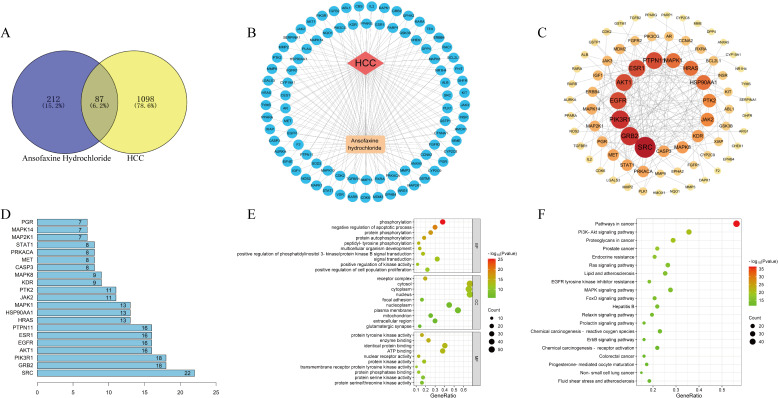 Figure 1
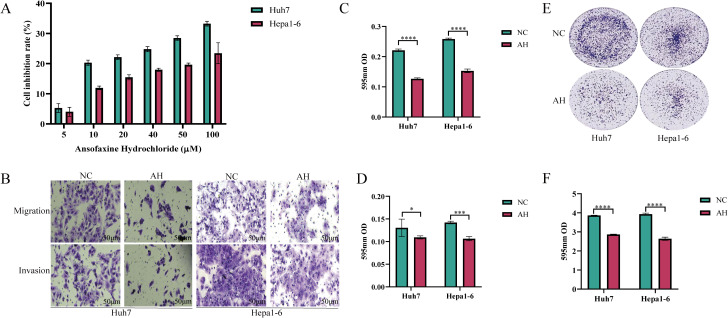 Figure 2
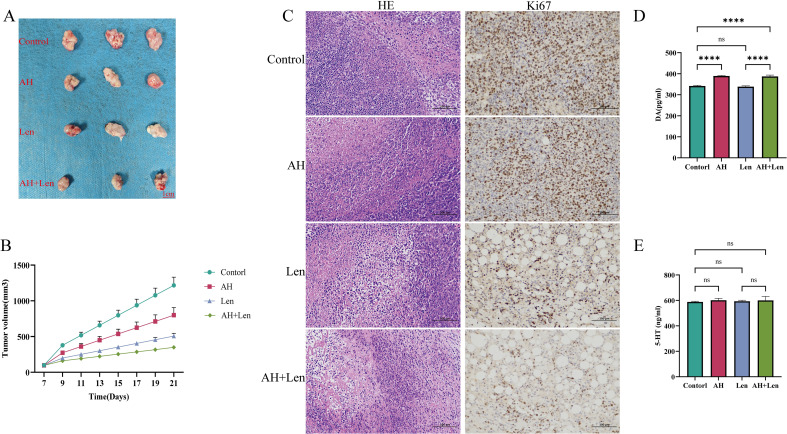 Figure 3
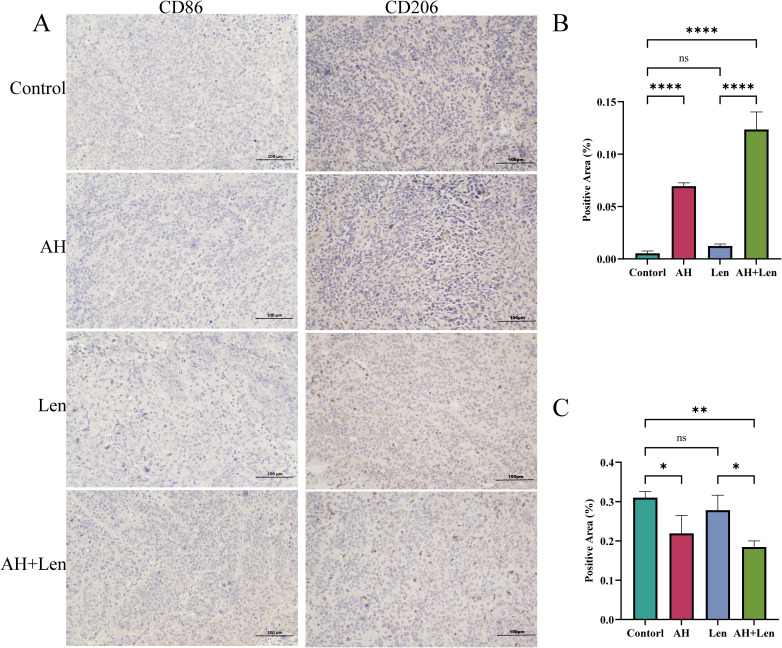 Figure 4
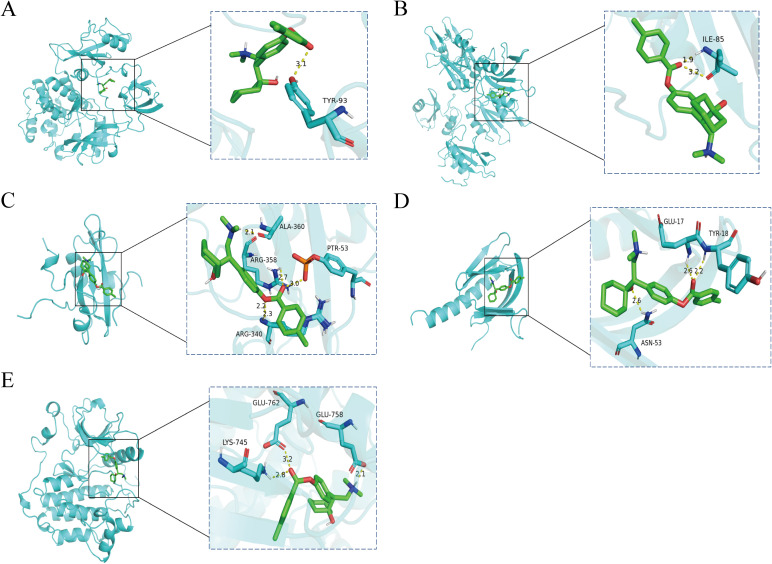 Figure 5
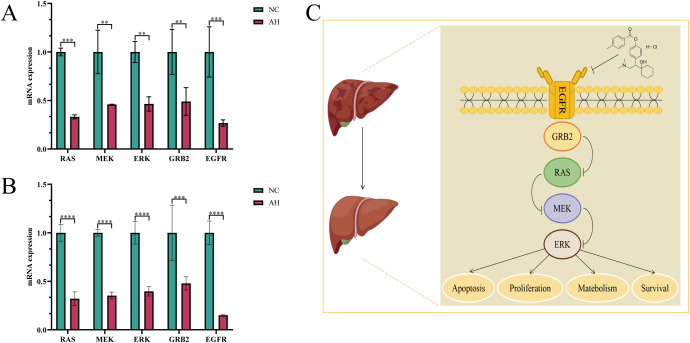 Figure 6
Peer Reviews
No public reviews on file for this paper yet. If you reviewed it on a platform where reviews are public (OpenReview, ICLR, NeurIPS, ICML), you can paste yours below so the community can read it here.
Videos
No videos yet. Explain this paper in a talk, walkthrough, or lecture? Add one.
Taxonomy
TopicsCancer, Stress, Anesthesia, and Immune Response · Pharmacological Receptor Mechanisms and Effects · Tryptophan and brain disorders