A pilot study on the pattern of COVID-19 information sources and its associated factors among the public in Qatar: a cross-sectional survey
Wafa Mohammed Ahmed, Ayman Aldahshan, Mohamed Abdien, Iheb buogmiza

TL;DR
This study explores which sources of information the public in Qatar trusts most for COVID-19 updates and what factors influence that trust.
Contribution
The study identifies the most trusted and used information sources for COVID-19 in Qatar and their associated factors.
Findings
The Ministry of Public Health is the most trusted source of information for the public in Qatar.
Factors influencing trust in information sources were identified through statistical analyses.
Recommendations were formulated to help manage and control the spread of coronavirus.
Abstract
During the coronavirus pandemic, many people looked for information on COVID-19 through social, official, and traditional media sources. This caustic situation resulted in panic among the public, leading to many false news, conspiracy theories, and magical cures being spread among the public at an alarming rate. Controversial theories about the validity of vaccination and non-adoption of disease control resulted in a slow disease control rate and adverse impacts on global health and the economy. Recent studies have shown that health information could safely guard mental health during the COVID-19 pandemic. To adopt a disease control strategy, it is essential to identify the public confidence in information sources and the most efficient media to disseminate intervention messages to the public. The main objectives of this study were to identify from 12 alternative information sources the…
Genes, proteins, chemicals, diseases, species, mutations and cell lines named across the full text — each resolved to its canonical identifier and authoritative record.
Click any figure to enlarge with its caption.
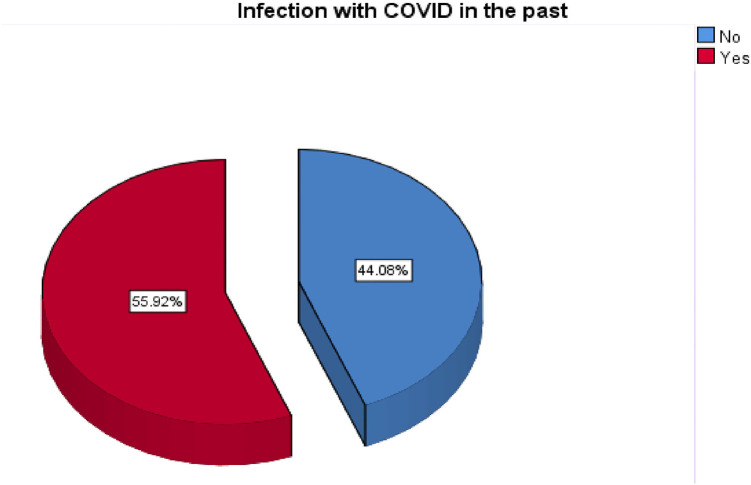 Figure 1
Peer Reviews
No public reviews on file for this paper yet. If you reviewed it on a platform where reviews are public (OpenReview, ICLR, NeurIPS, ICML), you can paste yours below so the community can read it here.
Videos
No videos yet. Explain this paper in a talk, walkthrough, or lecture? Add one.
Taxonomy
TopicsMisinformation and Its Impacts · COVID-19 and Mental Health · COVID-19 epidemiological studies
BACKGROUND
The pandemic coronavirus disease 2019 (COVID-19) affected global health and the economy almost more than 4 years ago.^1^ However, its impacts did not stop and are accelerated by an ongoing upsurge from new strains of the COVID-19 virus. To control such disease, it is thus essential to develop a control protocol consisting of both preventive and curing measures. The preventive measures require the adoption of the most effective source of information delivery and dissemination to the general public. Recent studies have demonstrated that reliable health information can effectively protect mental health during the COVID-19 pandemic.^2^ During pandemics, the public is at high risk of facing a circulation flow of contradicting information. This requires evaluating the reliability of information sources, the public’s preferences, how to disseminate infection control messages, and how to predict and utilize the most effective source of information.
In response to the domination of many unknowns during the invasion of a health pandemic, the demand for information increases, and consequently, the public resolves to the sources they mostly trust.^3^ This ranges from news websites to academic, scientific, and sophisticated sources (scholarly articles on healthcare workers), including official sources (Ministry of Health), media sources (television (TV), and newspapers, including news websites). However, the dilemma is how to select the most effective information source amenable to formulate and dissipate disease control messages to shape people’s attitudes. Given the wide range of available communication channels, evidence shows that people’s utilization of these sources tends to change over time.^4^ Historically, traditional news media have been the most preferred source of information during a health crisis,^5^ while a recent study showed that social media platforms or online news sites were the most predominant sources.^6^ The World Health Organization (WHO) declared that the COVID-19 pandemic has been accompanied by a so-called “infodemic” of misinformation, i.e., too much information including false or misleading information that makes reliable and trustworthy sources difficult.^7^
It is thus essential to define the information sources working at present in the community and direct them to build trust in the health authority protocol of evidence-based measures. In particular, traditional media (such as television and newspapers) and social media were reported to play an important influencing role in communicating evidence-based information to the public.^3,8^
The hypothesis of the high capability of a given source of information to communicate and engage the community through traditional channels, such as television, radio, and text messages, as well as technology and digital health programs, needs to be tested.^9–11^
During pandemics, different demographics face unique challenges in accessing and interpreting health information, which might result in health disparities due to factors such as age, socioeconomic status, education, language barriers, and digital access.
The main objectives of this study were to (1) identify public preferences and trust for information sources on COVID-19, which may help health authorities plan successful preventive and disease control intervention strategies; (2) identify the factors associated with high trust in different sources of information; and (3) identify the socioeconomic and demographic factors associated with each information sources to aid in obtaining a deeper understanding of preferred information sources to enable the public health officials for extending efforts to reach a broader audience.
METHODS
This study was based on an extensive search of literature bearing in mind the health belief model’s core constructs, mainly perceived disease susceptibility and trust, and its role in the adoption of preventive behavior.
The questionnaire consisted of twenty questions arranged in five primary sections, developed by the study investigators following an extensive literature review. The first section is devoted to personnel information on respondents’ seven socioeconomic and demographic characteristics (Q1–Q7): age., sex, education levels, occupation, marriage status, nationality, and income level. The second section assessed the factors influencing the probability of disease susceptibility, housing condition, history of disease risk factors, and vaccination status (Q8–Q15). The third section assessed sources of information on COVID-19 using 12 multiple-choice questions prepared using the Likert scale (Q16 and Q17). Scores for information sources are calculated based on the respondents’ answers using the Likert scale: 1 = Always; 2 = Sometimes; 3 = Rarely; 4 = Never; and 5 = Does not apply. The total response score was computed by adding up the points of the respondents’ selected answers for the 12 information sources, yielding a total score between 12 and 60, with high scores indicating more optimistic beliefs that individuals hold internally. The fourth section assesses the type of information gathered by the respondents. In the fifth and final section, the respondents were requested to fill a table to reflect their confidence and dependability level on sources of information using a three-level Likert scale and select the indicators they use for their trust in the information sources (Q17–Q20).
To overcome the language barriers of participants with different nationalities, the questionnaire was initially drafted in English, translated to Arabic to facilitate communication and understanding, and then back-translated to English to ease statistical analysis.
DATA COLLECTION
A cross-sectional, closed-ended multiple-choice pilot survey was conducted on 442 residents of Qatar. An online self-reported questionnaire was used as a survey instrument. Invitations to participate in the study were distributed via different social media platforms.
Participants were selected voluntarily via online informed consent. The investigators first approached those who were available and easily accessible and sought their consent. Most of the study participants filled out the self-administered electronic questionnaire through a web link and requested to forward the questionnaire to their known eligible public members. A link to the questionnaire was also posted on the Hamad Medical Corporation website. This online approach was supplemented by in-person data collection.
The cross-sectional survey included individuals aged 18 years or older living in Qatar at the time of data collection. A total of 442 participants completed the questionnaire.
DATA ANALYSES
The sample data was reviewed to remove outliers and missing data to ensure good quality. Analysis Toolpak statistical model in Excel was employed for data analyses. For all data collected descriptive statistics (mean, count, standard error, median, mode, standard deviation, sample variance, kurtosis, skewness, range, minimum, maximum, and sum) for continuous variables, whereas frequencies and percentages are used to describe the categorical variables. Logistic regression analyses were employed in this study for categorical variables. Data on determinants of COVID-19 infections were evaluated using percentages and a binary scale. Information sources were evaluated by Likert and ranked by Bloom’s scale.^12^
The association between 12 COVID-19 information sources and seven socioeconomic and demographic factors were determined using correlation analysis. This was done using a correlation matrix calculated to explore bivariate associations between the variables. Each of the seven factors (income level, education, sex, age, housing, occupation, marital status) is classified into subcategories (e.g., age divided into young, medium, and old). Following this, we calculated the significance of the effect of each category on the 12 different sources of information, and the quantity of preference score for each source of information. The accuracy of our calculations was confirmed through a chi-squared test.
OUTCOME EVALUATION MEASURES
For evaluating the response to the questions using the Likert scale for each information source, the composite scores were calculated by relating the actual sum of scaled answers to the total sum of scores (five total number of respondents) for each source in each column. Likewise, composite scores were determined row-wise. These composite scores were ranked in descending order and evaluated using the Bloom’s cutoff score suggested by Alzahrani et al.^12^ based on the criteria: IF (the entry element of the composite score is >80, “it is evaluated as good,” and IF (the entry element >60, “ranked fair,” otherwise “it is ranked poor”)). For each data composite score, the interquartile range is determined. The association between sociodemographic characteristics (gender, age, marital status, educational level) and different sources of COVID-19 information was determined using correlation analysis. For implementing correlation analysis, the Likert scale data of each one of the seven socioeconomic variables with their respective subcategories was used as input for correlation analysis.
The assessment of the participants’ responses for determinant factors of infection by COVID-19, for example, receiving a vaccination, having an infection in the past, and the probability of being infected in the future, was evaluated for answering questions (Q8–Q15) of the questionnaire section two.
RESULTS
Table 1 presents the descriptive statistics of respondents’ socioeconomic and demographic characteristics. Most of the participants were Single (264; 60%), The median age (IQR) was 32.4 years with a standard deviation of ±11 years, had a high education level (above secondary education), and most were non-Qatari residents. Approximately two-thirds of the respondents were females. The ages of community members were skewed toward the young and growing state (skewness 1.01), and they are at the economically active and growing stage (only 9% in the old category).
Factors associated with a higher risk of COVID-19 infection occurrence
Tables 2 and 3 shows that most of the housing is good and not crowded to aid in disease transmission. Other factors that might assist low transmission are (high vaccination—98%, Medium number of infections in the past—55%, as shown in Figure 1, and low level of susceptibility to a risk disease—11%).
These favorable conditions resulted in the participants’ perceptions of the effect and danger of infection with COVID-19 in the future being mild or low (71%), and the respondents viewed the disease as not fatal (33%).
The most reported chronic diseases associated with increased COVID-19 infection risk were diabetes mellitus (4%), followed by respiratory system disease (3%), and then hypertension (2%).
The main sources of information
The frequency of consulted sources for information about coronavirus is given in Table 4. Using Bloom’s classification. The table revealed that traditional media, except for television (spouse/partner, newspaper (printed or internet), radio, and religious leaders), are least preferred, while fair preference is given to other sources of information.
The participants always preferred official governmental websites (39%), followed by family doctor/medical providers (25%), local mainstream media television (24%), official non-governmental websites (24%), and nonofficial social media platforms (22%).
Type of COVID-19 information respondents want to know
Table 5 presents the kinds of information COVID-19 respondents want to know, i.e., looked-for information. Their order of knowledge preference in descending order is Travel restrictions (75%), COVID-19 new variants (60%), Symptoms of COVID-19 (59%), New development on vaccine and its potential safety (48%), information to help on how the respondent can personally prevent spread of the disease (47%).
Trusted sources of information about COVID-19
Identification of the main and most trusted sources of information about COVID-19:
The identification of the main sources and most trusted sources of information about COVID-19 and sociodemographic and background factors are presented in Table 6. As presented in Table 6, COVID-19 information obtained from official governmental organizations and medical providers was the most trusted source, while non-governmental sources were least preferred. Information from personnel sources (spouse/partner, friends or coworkers, family members) is given more confidence than the traditional media (religious leaders, newspapers (printed or internet), radio, or podcasts) with the exception of television media, which is still a trusted source. However, confidence in the internet/social media/text messages is low (16%–18%).
Factors associated with high trust in a given COVID-19 information source
The determining factors for personal trust and confidence in a source of information about COVID-19 are in Table 7. The majority of respondents reported that recommended information by healthcare professionals is highly trusted (89%), followed by sources that give facts supported by other sources and do not contradict them (47%), and then those sources that continuously updated (39%). Other indicators of confidence referred to in Table 7 are rated low.
The association of sources of COVID-19 information and participants’ demographic profile
The association between 12 COVID-19 information sources, and seven socioeconomic and demographic factors were determined using correlation analysis. This was done using a correlation matrix calculated to explore bivariate associations between the variables. It can be observed that there is a weak association between age and partner (male/female; wife/husband) as a source of information.
The correlation coefficients between the multiple information sources are in the range of 0.508–0.694 and indicate weak strength and positive direction of the relationship between age, marital status, and income with the different information sources.
Association between age and frequency and use of family members, work colleagues, and local, land, and international television as a source of information is low to medium (0.659). There is a high association between age and family doctor, social, formal, non-governmental electronic sites, newspapers, and listening to broadcasts (0.659–0.753).
The three age classes are highly associated with all information sources (r = 0.755–0.946). Marital status association with all information sources is high. Likewise, the association between nationality is low, while it is high with Qatari and non-Qatari (r = 0.767–0.972). The association with income, occupation levels, and education is low, while its subcategories are high.
DISCUSSIONS
The study suggests that the Ministry of Public Health (MOPH) is a key source of trusted information for the public in Qatar, with healthcare professionals playing an important role in promoting adherence to COVID-19 preventive measures. It provides basic evidence for creating evidence-based policies to control disease outbreaks, acknowledging that trust and information preferences may change over time.
The majority of participants used multiple sources for COVID-19, consistent with evidence that people rely on various information sources during pandemics.^13,14^ A study from Japan showed that the more information sources an individual uses, the more likely he or she is to adopt preventive measures. Prior research showed that individuals with low levels of understanding and concern about COVID-19 tend to use fewer information sources and are less likely to take protective action.
Using Bloom’s classification, the study revealed that traditional media, except for television (spouse/partner, newspapers (printed or internet), radio, and religious leaders), are least preferred, while fair preference is given to other sources of information. It seems that television plays an important role during pandemics; previous studies from the USA, Japan, and Iran also found television to be an important source of COVID-19 information.^15,17,18^
The participants always preferred official governmental websites and family doctor/medical providers; this is in agreement with results obtained in Iran and Japan.^15,17^ Among the communication channels examined in this study, MOPH was a widely consumed information source that might have the potential to shape public attitudes toward COVID-19 and enhance engagement in preventive actions.
The respondents ranked the kinds of information they wanted to know, giving the highest priority to information concerning Travel restrictions, followed by information related to new COVID-19 variants and disease symptoms. However, access to social services or resources is given less concern. This may be due to the high level of services made available by the Qatar health system.
Prior research has also identified that trust in information sources is an important predictor of preventive behavior.^19^ Thus, trust mediates the relationship between information use and health behaviors.^20–22^ In this study, COVID-19 information obtained from official governmental organizations and medical doctors was more trusted than from non-governmental sources. Information from personnel sources (spouse/partner, friends or coworkers, family members) is given more confidence than the traditional media (religious leaders, newspapers (printed or internet), radio, or podcasts) with the exception of television media, which is still a trusted and frequently used source. However, confidence in the internet/social media/text messages is low. These results are in agreement with studies from Saudi and Australia.
Regarding sources of COVID-19-related information, trusted sources and used sources always align. Healthcare professionals were highly trusted, and their usage was also high.
Key associations between trusted COVID-19 information sources and sociodemographic factors included marital status, occupation, and income. Most respondents trusted healthcare authorities more, suggesting that direct communication from healthcare professionals could be beneficial.
Study Limitations: The present study has several limitations. First, the representativeness of the study participants might have been affected by self-selection bias. Selection bias and sampling bias are common in online surveys.^25^ This is a pilot study with a cross-sectional design and a limited sample size. It is intended only to reflect initial results and evidence of the study objectives. This restricts the generalization of the findings to all Qatar residents. Hence, the study cannot confirm respondents’ preferences for COVID-19 information sources. Future research should examine changes in information-seeking behaviors over time and consider the probability of a larger sample size.
Finally, the participation in this survey is skewed toward non-Qatari-nationality as the participation of Qatari people is low. Recall that this is a pilot study, and it is then advised that more efforts be made to increase Qatari people’s participation in future work.
CONCLUSIONS AND RECOMMENDATIONS
This pilot study revealed a significant disparity in COVID-19 information sources and preferences. The MOPH emerged as a widely used channel with the potential to influence the public’s adoption of preventive measures. Additionally, healthcare professionals were recognized as highly trusted sources, making them possibly essential for improving adherence to preventive measures.
In summary, encouraging access to multiple information sources, utilizing communication channels, and modifying messaging according to target group characteristics might be essential to promote COVID-19 preventive measures. While further research is required, these findings could contribute to encouraging the adoption of COVID-19 preventive measures.
List of abbreviations
MOPHMinistry of Public HealthTVTelevisionUSAUnited States of America
Ethical clearance
All procedures performed in this study involving human participants complied with institutional and Qatar national research ethical standards. The study was approved by the Hamad Health Corporation Research Ethics Committee and was designed and performed according to the ethical principles established by the Corporation MRC-01-21-348.
Data availability statement
The datasets used and/or analyzed during the current study are available from the corresponding author upon reasonable request.
Conflicts of interest
All authors declare the following that no financial support was received from any organization for the submitted work. All authors have declared that they have no financial relationships with any organizations that might have an interest in the submitted work.
All authors have declared that there are no other relationships or activities that could appear to have influenced the submitted work.
Authors’ contribution
The first author was in charge of designing, conducting the study, and writing the manuscript, while the second author assisted with and contributed to the conception and design of the study, supervised the study, and reviewed the manuscript. The third and fourth authors provided supervision for the project and interpretation of the data and contributed to the manuscript writing and participated in its revision. All authors gave approval to the final manuscript version to be submitted for publication.
Acknowledgments
I acknowledge those whose contributions made this research study possible, and my supervisor, and my appreciation and thanks go to the physicians who helped collect the data for this research.
The reference list from the paper itself. Each links out to its DOI / PubMed record.
- 1Zapatero Gaviria A Barba Martin R What do we know about the origin of COVID-19 three years later?Rev Clin Esp (Barc)2023;223240–33693369510.1016/j.rceng.2023.02.010PMC 10019034 · doi ↗ · pubmed ↗
- 2World Health Organization (WHO)From emergency response to long-term COVID-19 disease management: sustaining gains made during the COVID-19 pandemic Geneva:WHO;2023.Available from: https://www.who.int/emergencies/diseases/novel-coronavirus-2019/advice-for-public
- 3World Health Organization About EPI-WIN 2021 Feb Available from: https://www.who.int/teams/risk-communication/about-epi-win
- 4Jang K Baek YM When information from public health officials is untrustworthy: the use of online news, interpersonal networks, and social media during the MERS outbreak in South Korea Health Commun 2019;34991–82955817010.1080/10410236.2018.1449552 · doi ↗ · pubmed ↗
- 5Spence PR Lachlan K Burke JM Seeger MW Media use and information needs of the disabled during a natural disaster J Health Care Poor Underserved 2007;18394–40410.1353/hpu.2007.004717483567 · doi ↗ · pubmed ↗
- 6Liu BF Fraustino JD Jin Y Social media use during disasters Communic Res 2015;13626–4610.1177/0093650214565917 · doi ↗
- 7World Health Organization Infodemic management 2021 Feb Available from: https://www.who.int/teams/risk-communication/infodemic-management
- 8Pérez-Escoda A Jiménez-Narros C Perlado-Lamo-de-Espinosa Pedrero-Esteban LM Social networks’ engagement during the COVID-19 pandemic in Spain: health media vs healthcare professionals Int J Environ Res Public Health 2020;211710.3390/ijerph 17145261 PMC 740039932708231 · doi ↗ · pubmed ↗