Community acceptance of Ivermectin mass drug administration for malaria in Southern Thailand
Pyae Linn Aung, Piyarat Sripoorote, Nattawan Rachaphaew, Jetsumon Sattabongkot, Daniel M. Parker, Wang Nguitragool, Suparat Phuanukoonnon

TL;DR
A study in southern Thailand found high reported acceptance of ivermectin mass drug administration for malaria, but actual participation was lower, highlighting the need for better community engagement.
Contribution
The study identifies factors influencing acceptance and participation in ivermectin MDA, offering insights to improve malaria control strategies.
Findings
96.4% of participants reported acceptance of ivermectin MDA, but only 59.0% completed all three rounds.
Forest-related workers and those believing malaria could be eliminated were more likely to accept MDA.
Barriers included absence from the village and reluctance to take the drug in later rounds.
Abstract
Thailand’s goal to eliminate malaria by 2030 faces significant challenges, in part due to inadequate vector control measures. Innovative strategies, such as mass drug administration (MDA) of ivermectin, have shown promise in improving vector control efforts. This study aims to assess the factors influencing the acceptance of ivermectin MDA among residents in southern Thailand. In 2022, a cross-sectional study was conducted in three districts of Surat Thani Province, southern Thailand, where an ivermectin MDA program was planned. Quantitative data were collected through structured surveys administered to randomly selected household heads using a standardized questionnaire. Descriptive statistics and multiple logistic regression models were employed to identify factors associated with the reported acceptance of ivermectin MDA. A total of 391 participants were surveyed, with the majority…
Genes, proteins, chemicals, diseases, species, mutations and cell lines named across the full text — each resolved to its canonical identifier and authoritative record.
Click any figure to enlarge with its caption.
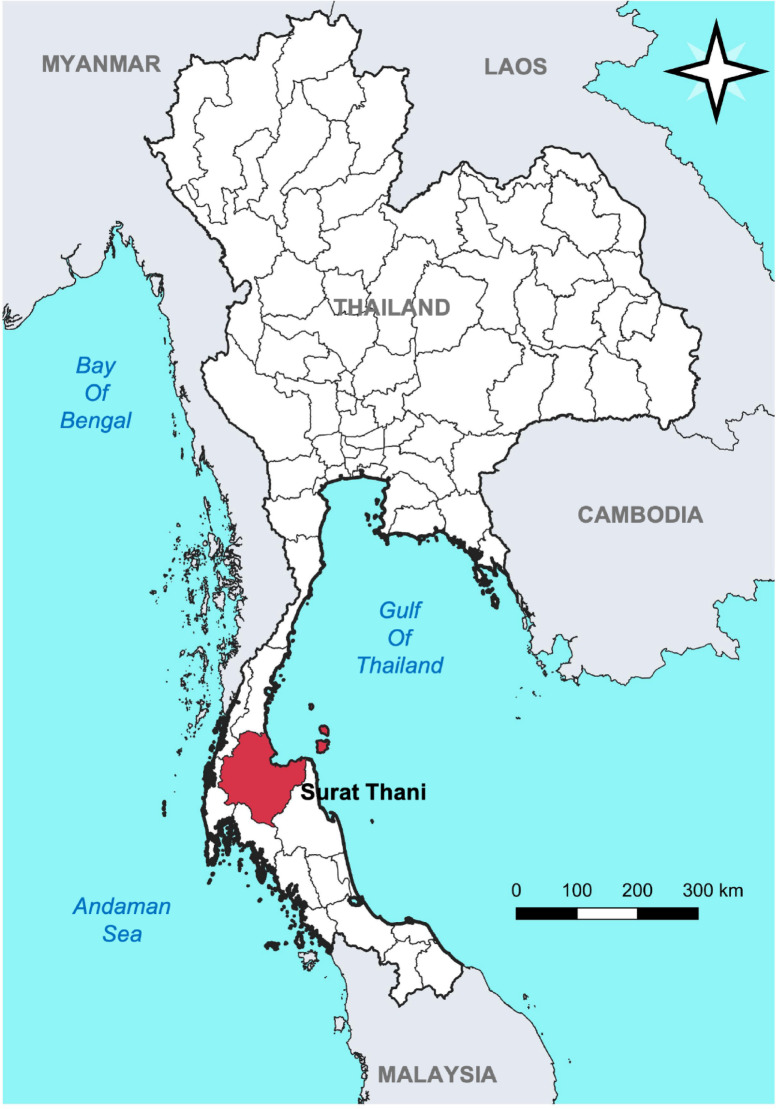 Figure 1
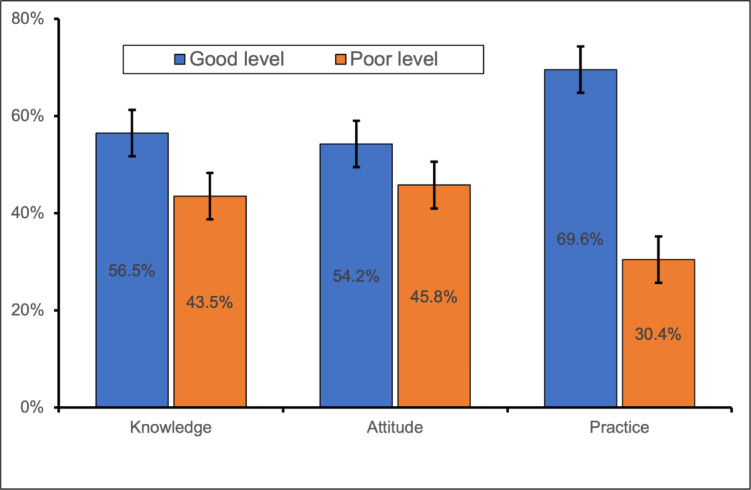 Figure 2
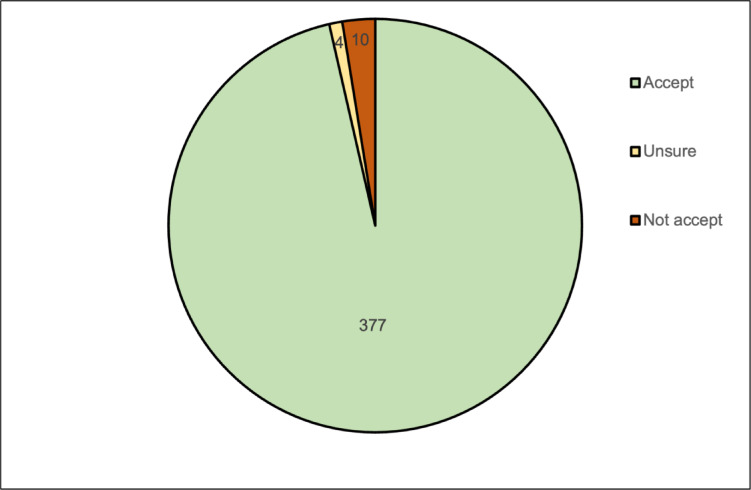 Figure 3
- —Congressionally Directed Medical Research Programs (CDMRP) through the US Department of Defense (DoD)
Peer Reviews
No public reviews on file for this paper yet. If you reviewed it on a platform where reviews are public (OpenReview, ICLR, NeurIPS, ICML), you can paste yours below so the community can read it here.
Videos
No videos yet. Explain this paper in a talk, walkthrough, or lecture? Add one.
Taxonomy
TopicsMalaria Research and Control · Parasitic Diseases Research and Treatment · Parasites and Host Interactions
Background
The Greater Mekong Subregion (GMS) has been grappling with malaria for decades, with drug-resistant malaria parasites complicating control efforts^1,2^. Among the six countries in the region, Thailand has made significant progress toward controlling malaria and is committed to achieving zero local malaria transmission by 2030. Despite these efforts, approximately 17,000 malaria cases were reported in 2023, representing a sevenfold increase from 2021, with nearly 42% classified as imported^3,4^. Border malaria remains a significant challenge for Thailand, particularly in regions like Tak Province, near the Thailand-Myanmar border^5–7^. Therefore, maintaining a robust surveillance system capable of detecting malaria cases and ensuring timely vector control measures are essential to interrupt transmission.
Malaria transmission is influenced by the complex interplay between the host, vector, and parasite. The Anopheles mosquitoes that vector malaria in Southeast Asia thrives in forested areas with abundant vegetation, making vector control particularly challenging^8^. Due to the difficulties in controlling larvae, vector control in Thailand primarily relies on insecticide-treated nets (ITNs) and indoor residual spraying (IRS)^9^. However, a study in northwestern Thailand found that only 53.1% of participants used ITNs correctly on a daily basis, highlighting the need for targeted interventions to improve ITN use, particularly among high-risk groups^10^. Furthermore, insecticide resistance poses a major ecological challenge, undermining the success of malaria control efforts^11^. Studies have shown that major vectors, such as Anopheles minimus, An. dirus, and An. maculatus have developed resistance to several insecticide classes, including pyrethroids, organophosphates, and carbamates^12–14^. Continuous monitoring and management of insecticide resistance in malaria vector populations are crucial, alongside innovative approaches to expedite effective vector control measures.
Ivermectin, a medication traditionally used to treat parasitic infections in humans and animals, has shown promise in malaria control and warrants further investigation as a potential tool for reducing malaria transmission^15,16^. One study found that ivermectin has a mosquito population reducing effect, killing Anopheline vectors that feed on treated individuals. Mass drug administration (MDA) of ivermectin has also demonstrated potential in reducing malaria incidence^17^. A modeling study showed that three rounds of ivermectin MDA could reduce clinical malaria incidence by up to 71% in both high-transmission and resurgence-preventing areas^18^. Another study recommended ivermectin as a strategy to reduce malaria transmission, particularly among individuals who rarely use ITNs, by increasing malaria vector mortality^19^. However, further research is needed to determine the optimal dosage, timing, and delivery mechanisms. Following recommendations from an entomological study in Southern Thailand which reported a high prevalence of primary malaria vectors in Surat Thani Province, a mass ivermectin treatment campaign was proposed^20^.
Effective MDA programs depend on high levels of community participation^19^. Even minimal non-participation can undermine potential benefits, such as the permanent elimination of malaria or temporary reductions in infection prevalence. Therefore, understanding factors that influence participation is crucial to the success of MDA programs^21^. Research indicates that knowledge, attitudes and practice (KAP) regarding malaria prevention and control can increase the willingness to participate, while misconceptions about malaria transmission and concerns over medication side effects may deter participation^22–24^. Thus, implementing MDA must be carefully planned and communicated to communities to ensure trust and high participation^19^. Barriers and enabling factors may affect participation at different stages of ivermectin MDA programs. However, there is a lack of comprehensive studies explicitly examining the factors influencing participation in ivermectin MDA for malaria control in Thailand or elsewhere. Therefore, this study aims to investigate people’s preexisting KAP concerning malaria and assess their reported acceptance of the forthcoming ivermectin MDA campaign in southern Thailand.
Methods
Study design and location
This community-based cross-sectional study collected quantitative data in late 2022. Among Thailand’s 76 provinces, Surat Thani, located in the southern region, was deliberately selected for its suitable characteristics, including environmental factors, malaria incidence, human occupations, and vector distribution. The area is predominantly covered by rubber and palm plantations. The primary malaria vector in this region is An. minimus, which is highly susceptible to ivermectin^20,25,26^. Additionally, P. falciparum, a parasite species without relapse, is the major malaria strain in the area, making it an ideal candidate for testing the effects of ivermectin MDA. While malaria cases have declined in Surat Thani, the area remains receptive to transmission due to ongoing occupational risks and the presence of competent malaria vectors^4^. In Surat Thani province, nine villages from three districts were purposely selected as study areas based on baseline population density, occupational distribution, and overall feasibility, in line with recommendations from provincial malaria stakeholders and human migration patterns (Fig. 1).
Fig. 1. Study location map. The map was generated using QGIS version 3.34.2 (Prizren).
Sample size estimation and sampling
The required sample size across the study site was calculated using the formula for single cross-sectional cluster survey^27^ with a reference proportion from a previous study in India, where approximately 68.3% of participants refused to accept ivermectin MDA^28^. Allowing for a 5% margin of error and an estimated design effect of 2.5, the calculated sample size was 332. After factoring in a 15% non-response rate, the final required sample size was at least 382.
Before initiating the ivermectin MDA trial, a baseline population census was conducted in all nine selected villages. From the final population lists, household heads were listed separately, and systematic random sampling was applied. In cases where the selected individual was unavailable, an alternative household member was selected, or another randomization was conducted if the entire household was absent. An average of 40 to 45 participants from each village were recruited, representing approximately 15—20% of all households in the planed MDA villages. Household heads, male or female, aged 18 years or older and residing in the village for more than one year were eligible to participate. Individuals unable to communicate due to illness or those unwilling to participate were excluded. These criteria ensured that respondents were familiar with the local context and health services. Ultimately, 391 participants were recruited and included in the final analysis.
Data collection
Data were gathered using a standardized and validated questionnaire, developed in English, and based on previous studies^22,23^ and relevant literature^29^. The questionnaire was then translated into Thai using a back-translation method by two independent social science researchers.
The questionnaire comprised five parts. The first part assessed each participant’s general characteristics, such as age, gender, education, occupation, marital status, family size, their role in the family, residential status, and history of malaria infection. The second part explored participants’ knowledge about malaria, including its transmission, symptoms, diagnosis, treatment, and reinfection. This section contained nine major questions, each with multiple predefined choices, with a total possible score of 36 points. The third part assessed attitudes toward malaria, consisting of 15 mini-statements covering the perceived severity, causation, compliance with treatment, and prevention. Each participant could score a maximum of 45 points in this section. The following fourth section evaluated participants’ practices related to malaria prevention and treatment, including their experience with taking prescribed antimalarial drugs, use of prevention methods, and beliefs about the possibility of eliminating malaria from the village. Each participant could receive a maximum score of 20 points.
Before the final section of the survey, each participant was provided with a succinct overview of the upcoming ivermectin MDA campaign, detailing the recommended drug dosages, duration of treatment, frequency of blood sample collection, and the potential benefits of participation for malaria control. The last part of the survey explored the relative acceptability of participants towards forthcoming ivermectin MDA, with options to answer “Accept”, “Not sure”, or “Not accept”.
To compare reported acceptance with actual participation in the ivermectin MDA, each surveyed individual was checked against the list of MDA participants at the end of each round. There were three consecutive rounds of MDA, and in each round, eligible individuals who did not participate were asked the main reasons for non-participation, either directly from their family members or neighbors, as appropriate. While not part of the primary survey, this information was included to assess the discrepancy between intention and behavior at the community level. This component was descriptive and did not involve individual linkage with the survey responses. The inclusion of these program records reflects a complementary data source rather than a mixed-methods or secondary data analysis.
To conduct data collection, 3 to 4 healthcare staff and 4 to 5 village malaria volunteers were recruited from each selected study area. A one-day training session was held, covering questionnaire administration, response recording, and ethical considerations. Trained data collectors administered structured surveys to participants in the selected villages. Each survey session typically lasted no more than 20 min. The research team supervised data collection, checked for any missing data or discrepancies daily and made necessary corrections.
Data entry and analysis
The data were entered into Microsoft Excel, coded, and transferred to the Statistical Package for the Social Sciences (IBM SPSS Statistics for Macintosh, version 28, IBM Corp., Armonk, NY, USA) for further analysis.
Descriptive statistics (frequencies and percentages) were used to present participant characteristics. For the knowledge and practice assessments, participants received one point for each correct answer and zero for incorrect or no responses. Attitude responses were measured on a 3-point Likert scale. Participants received 3 points for “Agree,” 2 points for “Not sure,” and 1 point for “Disagree” on positive statements. The scoring was reversed for negative statements. Total scores for each participant were combined separately for KAP and categorized as “good” or “poor” by applying a criterion of < mean or ≥ mean. The overall KAP levels were visualized using bar graphs. The reported acceptability of ivermectin was presented using a pie chart.
To compare reported acceptability with actual ivermectin MDA participation, the number of participants completing each round was analyzed descriptively. For eligible individuals who did not fully participate, primary reasons for non-completion were recorded.
Multivariable logistic regression models were used to identify factors associated with poor KAP levels, and ivermectin MDA acceptability. Adjusted odds ratios (aOR) and 95% confidence intervals (CIs) were calculated, with all independent variables included in the regression models, regardless of their initial associations, to develop a comprehensive model. Associated factors were identified based on the 95% CIs, with statistical significance inferred when the interval did not include the null value of 1.
Results
General characteristics of participants
The general characteristics of 391 study participants were assessed. The findings revealed that the majority of the participants were female (50.6%) and had completed primary school education (60.1%). More than one-third (44.5%) were household heads. Over half of the participants (51.9%) had migrated to the area over a decade ago, and a significant portion (59.6%) had previously experienced malaria. Most participants were aged 36 years or older (79.3%). Furthermore, nearly 90% were engaged in farming or gardening (92.8%) and the majority were married (90.3%). Most participants lived in households with 1 to 6 family members (89.0%), with an average household size of 4 and the median also being 4 (Table 1).
Table 1. General characteristics of the respondents (n = 391).CharacteristicFrequency (n)Percentage (%) Gender Male19349.4Female19850.6 Age (years) 18 to 358120.736 to 5015439.4> 5015639.9Mean ± SD (Min, Max)46.5 ± 12.2 (19, 80) Education Elementary school23560.1High school11729.9Diploma215.4Bachelor’s or higher174.3Other (vocational training)10.3 Occupation Housewife71.8General worker123.1Own business51.3Civil servant20.5Agriculture20.5Farmers/gardeners36392.8 Marital status Single276.9Married35390.3Widowed/divorced/separated112.8 Total family members 1 to 317444.54 to 617444.5> 64311.0 Role of the respondent in the family Household head17444.5Husband/wife15339.1Other members6416.4 Residential status Since birth14136.1Moved from another location (within 10 years)4712.0Moved from another location (over 10 years)20351.9 Previous attacks of malaria Never13434.3Ever23359.6Don’t know246.1
Knowledge about malaria
Participant’s knowledge regarding malaria was thoroughly evaluated. Nearly all participants (98.5%) identified mosquito bites as the primary cause of malaria. However, misconceptions persisted, with some believing that drinking stagnant water (29.9%) or living in the forest (37.3%) could cause malaria. Furthermore, a significant majority (92.3%) correctly identified the mosquito species responsible for malaria transmission. In term of diagnosis, approximately half of the participants consulted healthcare professionals (46.5%) or underwent blood tests (57.8%) to confirm malaria infection. However, about one-third (38.9%) relied on recognizing symptoms to determine if they had malaria. Most participants correctly identified fever (85.2%), chills and rigor (96.4%), and headache (82.6%) as the main symptoms of malaria. Nearly all participants (98.7%) adhered to prescribed treatment from healthcare providers. While most participants (96.4%) advised using mosquito nets as a preventive measure, a small fraction believed that avoiding drinking water in the forest (4.9%) could prevent malaria. Additionally, the majority (85.9%) suggested using mosquito repellents to prevent mosquito bites. Participants were well aware of the possibility of malaria reinfection (96.2%) even after previously being cured. A significant proportion (41.9%) acknowledged that persistent malaria-like symptoms, even after treatment, might be due to poor treatment adherence (58.1%) or severe infection (46.0%) (Table 2).
Table 2. Knowledge about malaria (n = 391).DescriptionYes n % How is malaria transmitted? Hard-working10.3Living in the forest14637.3Drinking stagnant water11729.9Staying with sick people5915.1Biting of mosquito38598.5Using water in the forest194.9 Which mosquito carries the malaria parasites?
Aedes 256.4 Anopheles 36192.3 Culex 30.8 How could you know you had malaria? By consultation with healthcare officers18246.5Having a blood test22657.8Ask other people with malaria experience30.8According to the symptoms of illness15238.9 What are the symptoms of malaria? Fever33385.2Chills and rigor37796.4Fatigue6316.1Loss of appetite and weight loss5113.0Abdominal pain15138.6Nausea and vomiting10927.9Headache32382.6 How should malaria be treated? Taking herbal medicines297.4Getting a good rest3910.0Having prescribed medications from healthcare officers38698.7 How should malaria be prevented? Avoid drinking water in the forest194.9Sleeping under a mosquito net37796.4Preventing mosquito bites21454.7Boosting the immune system6917.6Receiving regular medical check-ups51.3Taking malaria chemoprophylaxis276.9Using mosquito repellents33685.9Once a person is relieved from malaria,** can they be reinfected again?** (Yes)37696.2Can anyone still suffer malaria even after a course of treatment? (Yes)16441.9 What are the factors associated with incurable malaria? Poor compliance of patients with malaria22758.1Malaria itself is incurable71.8Severe infection18046.0Antimalarial drug resistance6516.6
Attitudes toward malaria
Table 3 presents the participants’ attitudes toward malaria. Nearly all acknowledged the severity of malaria and agreed that they were susceptible to infection (98.2%). They also agreed that malaria could be fatal (91.6%) and that wealth status was unrelated to the risk of infection (94.9%). Most participants recognized the importance of completing treatment (93.9%) and emphasized the safety of antimalarial drugs (43.5%). More than two-thirds of participants supported preventive measures such as IRS (84.7%), while some (35.8%) were aware that malaria was not confined to specific areas. However, a significant number of participants (46.3%) were uncertain about the potential adverse effects of combining malaria medication with foods such as durian.
Table 3. Attitudes towards malaria (n = 391).StatementAgreen (%)Not suren (%)Disagreen (%)Malaria can cause death.358 (91.6)16 (4.1)17 (4.3)No local people died from malaria. ^a^166 (42.5)135 (34.5)90 (23.0)Everyone is susceptible to malaria.384 (98.2)5 (1.3)2 (0.5)Rich people do not get malaria. ^a^16 (4.1)371 (94.9)4 (1.0)Burmese workers are more prone to malaria than Thai people.202 (51.7)25 (6.4)164 (41.9)Children with malaria are more severe than adults.223 (57.0)15 (3.8)153 (39.1)Drinking alcohol kills malaria parasites. ^a^35 (9.0)354 (90.5)2 (0.5)Free malaria treatment allows patients not to take medicine. ^a^82 (21.0)280 (71.6)29 (7.4)The patient must take the total medications for a radical malaria cure.367 (93.9)7 (1.8)17 (4.3)Taking malaria medicines may cause side effects. ^a^190 (48.6)31 (7.9)170 (43.5)It is forbidden to treat malaria together withfruits, such as durian. ^a^181 (46.3)119 (30.4)91 (23.3)Malaria prevention is the task of healthcare officers only. ^a^34 (8.7)180 (46.0)177 (45.3)Indoor residual spraying can prevent malaria.331 (84.7)14 (3.6)46 (11.8)Malaria is a matter of fate. ^a^1 (0.3)390 (99.7)0 (0)Malaria is a localized problem. ^a^116 (29.7)135 (34.5)140 (35.8)^a^ Negative statement.
Malaria prevention and treatment practices
Table 4 outlines the study participants’ practices regarding malaria prevention and treatment. More than three-quarters of participants (76.0%) had experienced malaria before the study. Among those with a history of malaria, the majority sought treatment at hospitals (72.1%) or malaria clinics (57.6%) and completed their prescribed treatment (99.3%). However, a proportion (17.9%) admitted to stopping their medication once symptoms subsided. Regarding preventive measures, participants mainly used bed nets (94.1%) and mosquito repellents (88.8%). Other strategies, such as burning leaves and wood, to produce smoke to repel mosquitoes (55.2%) or using mosquito coils (18.9%), were also employed. Personal protective measures, such as wearing long sleeves (36.5%) or insecticide-treated clothing (23.5%), were less commonly practiced. Most participants believed that malaria could be eradicated from their villages (76.7%) through collaboration between healthcare workers (80.1%) and community members (87.5%).
Table 4. Practice on malaria prevention and treatment (n = 391).DescriptionYes n % Have you or your family members ever suffered from malaria? 29776.0Where did you go for the treatment? (n = 297)Malaria clinic17157.6Hospital21472.1Private clinic10.3How did you take the prescribed medicines? (n = 297)Stopped taking the medicines soon after the symptoms were relieved20.7Took complete course of treatment given by the health officers29599.3 What do you think is why people are not taking the complete course? Symptoms have disappeared7017.9Suffered side effects from the medicines246.1Keeping the drugs for future use92.3 Are you practicing something to prevent mosquito bites? 37595.9How do you prevent it? (n = 375)Sleeping under bed nets35394.1Wearing long sleeves clothing13736.5Using mosquito repellents33388.8Burning mosquito coils7118.9Burning leaves and wood to produce smoke to repel mosquitoes20755.2Wearing insecticide-treated clothes8823.5Other (using air-cooling fan)174.5 Do you believe malaria can be eradicated from your village? 30076.7 Who should be involved in eliminating malaria from the village? Healthcare officers31380.1Villagers34287.5Others (community leaders)92.3
Overall knowledge, attitude, and practice levels and associated factors with poor levels
Participants’ KAP regarding malaria prevention and treatment were categorized as “good” or “poor” based on their scores. The results revealed that over half of the participants demonstrated a good level of knowledge (56.5%) and attitudes toward malaria prevention and treatment (54.2%). Additionally, a significant majority of the participants (69.6%) had good preventive and treatment practices (Fig. 2).
Fig. 2. Overall malaria knowledge, attitude, and practice levels (n = 391).
Table 5 presents an analysis of the associations between the general characteristics of study participants and their KAP levels regarding malaria prevention and treatment. The findings revealed that gender, marital status, educational attainment, and role in the family did not significantly affect knowledge levels. However, participants aged 36 to 50 years (53.9%), engaged in non-forest-related occupations (57.7%), with fewer than six family members (46.0%), who had recently moved (46.8%), or who had uncertain malaria histories (70.8%) were more likely to exhibit poor knowledge levels compared to other groups. Furthermore, the logistic regression indicated that participants aged 36 to 50 years (aOR: 1.7, 95%CI: 1.0–2.9) and those without a history of malaria (aOR: 2.2, 95%CI: 1.4–3.4) or with uncertain malaria histories (aOR: 4.6, 95%CI: 1.8–11.5) were more likely to have poor malaria knowledge.
Table 5. Associated factors with poor knowledge, attitudes and practices regarding malaria prevention and treatment (n = 391).FactorPoor knowledgePoor attitudesPoor practicen (%)aOR (95% CI)n (%)aOR (95% CI)n (%)aOR (95% CI) Gender Male83 (43.0)1.0 (0.7, 1.4)91 (47.2)1.1 (0.8, 1.7)55 (28.5)0.8 (0.5, 1.3)Female87 (43.9)Ref.88 (44.4)Ref.64 (32.3)Ref. Age (years) 18 to 3533 (40.7)Ref.36 (44.4)Ref.24 (29.6)Ref.36 to 5083 (53.9)1.7 (1.0, 2.9)71 (46.1)1.1 (0.6, 1.8)66 (42.9)1.8 (1.0, 3.2)> 5054 (34.6)0.8 (0.4, 1.3)72 (46.2)1.1 (0.6, 1.8)29 (18.6)0.5 (0.3, 1.0) Education Elementary school104 (44.3)0.8 (0.4, 1.7)106 (45.1)0.5 (0.3, 1.0)67 (28.5)0.6 (0.3, 1.2)High school47 (40.2)0.7 (0.3, 1.5)49 (41.9)0.5 (0.2, 1.0)36 (30.8)0.6 (0.3, 1.4)Diploma or higher19 (48.7)Ref.24 (61.5)Ref.16 (41.0)Ref. Occupation Non-forest-related15 (57.7)1.9 (0.8, 4.1)20 (76.9)4.3 (1.7, 11.0)11 (42.3)1.8 (0.8, 3.9)Forest-related (Farmers/gardeners)155 (42.5)Ref.159 (43.6)Ref.108 (29.6)Ref. Marital status Single13 (48.1)Ref.11 (40.7)Ref.9 (33.3)Ref.Married153 (43.3)0.8 (0.4, 1.8)161 (45.6)1.2 (0.6, 2.7)107 (30.3)0.9 (0.4, 2.0)Widowed/divorced/separated4 (36.4)0.6 (0.2, 2.6)7 (63.6)2.6 (0.6, 10.8)3 (27.3)0.8 (0.2, 3.5) Total family members 1 to 376 (43.7)Ref.78 (44.8)Ref.49 (28.2)Ref.4 to 680 (46.0)1.1 (0.7, 1.7)85 (48.9)1.2 (0.8, 1.8)51 (29.3)1.1 (0.7, 1.7)> 614 (32.6)0.6 (0.3, 1.3)16 (37.2)0.7 (0.4, 1.5)19 (44.2)2.0 (1.0, 4.0) Role of the respondent in the family Household head82 (47.1)1.4 (0.9, 2.2)82 (47.1)1.1 (0.7, 1.7)42 (24.1)0.6 (0.4, 1.0)Husband/wife59 (38.6)Ref.69 (45.1)Ref.51 (33.3)Ref.Other members29 (45.3)1.3 (0.7, 2.4)28 (43.8)1.0 (0.5, 1.7)26 (40.6)1.4 (0.8, 2.5) Residential status Since birth54 (38.3)Ref.59 (41.8)Ref.42 (29.8)Ref.Moved from another location (within 10 years)21 (44.7)1.3 (0.7, 2.5)20 (42.6)1.0 (0.5, 2.0)16 (34.0)1.2 (0.6, 2.5)Moved from another location (over 10 years)95 (46.8)1.4 (0.9, 2.2)100 (49.3)1.4 (0.9, 2.1)61 (30.0)1.0 (0.6, 1.6) Previous attacks of malaria Never72 (54.1)2.2 (1.4, 3.4)54 (40.6)0.8 (0.5, 1.2)69 (51.9)7.1 (4.3, 11.7)Ever81 (34.6)Ref.108 (46.2)Ref.31 (13.2)Ref.Don’t know17 (70.8)4.6 (1.8, 11.5)17 (70.8)2.8 (1.1, 7.1)19 (79.2)24.9 (8.7, 71.5)aOR: adjusted odds ratio.
Regarding attitude levels, participants with higher education (61.5%), non-forested-related occupations (76.9%), and uncertain malaria histories (70.8%) exhibited poorer attitudes towards malaria prevention and treatment compared to other groups. Participants engaged in non-forest-related occupations (aOR: 4.3, 95%CI: 1.7–11.0) and those with uncertain malaria histories (aOR: 1.1, 95%CI: 1.1–7.1) were more likely to have poor attitudes.
For practice levels, participants aged 36 to 50 years (42.9%), with higher education (41.0%), non-forest-related occupations (42.3%), large families (44.2%), or no history of malaria (51.9%) or undetermined malaria histories (79.2%) exhibited poor practices. Three variables showed higher odds of poor practices: aged 36 to 50 years (aOR: 1.8, 95%CI: 1.0–3.2), large families (aOR; 2.0, 95%CI: 1.0–4.0), or no history of malaria (aOR: 7.1, 95%CI: 4.3–11.7), or uncertain malaria histories (aOR: 24.9, 95%CI: 8.7–71.5) (Table 5).
Community acceptability of Ivermectin MDA and its associated factors
This study assessed the acceptability of ivermectin MDA among study participants. The results showed that the vast majority (96.4%) were willing to participate in ivermectin MDA, while only a small proportion (2.5%) expressed reluctance (Fig. 3). Multivariable logistic regression analyses identified two variables significantly associated with higher acceptability: employment in forest-related occupations (aOR: 4.2, 95% CI: 1.1–16.1), and the belief that malaria could be eliminated from the village (aOR: 9.1, 95% CI: 2.8–29.9) (Table 6).
Fig. 3. Reported community acceptability towards Ivermectin mass drug administration (n = 391).
Table 6. Factors associated with reported acceptability to Ivermectin mass drug administration (n = 391).FactorAcceptn (%)Not acceptn (%)aOR (95% CI) Gender Male188 (97.4)5 (2.6)Ref.Female189 (95.5)9 (4.5)1.0 (0.3, 3.5) Age (years) 18 to 3578 (96.3)3 (3.7)Ref.36 to 50151 (98.1)3 (1.9)1.9 (0.4, 9.8)> 50148 (94.9)8 (5.1)0.7 (0.2, 2.8) Education Elementary school225 (95.7)10 (4.3)Ref.High school115 (98.3)2 (1.7)2.6 (0.6, 11.9)Diploma or higher37 (94.9)2 (5.1)0.8 (0.2, 3.9) Occupation Non-forest-related23 (88.5)3 (11.5)Ref.Forest-related (Farmers/gardeners)354 (97.0)11 (3.0)4.2 (1.1, 16.1) Marital status Single25 (92.6)2 (7.4)Ref.Married342 (96.9)11 (3.1)2.5 (0.5, 11.8)Widowed/divorced/separated10 (90.9)1 (9.1)0.8 (0.1, 9.8) Total family members 1 to 3168 (96.6)6 (3.4)Ref.4 to 6168 (96.6)6 (3.4)1.0 (0.3, 3.2)> 641 (95.3)2 (4.7)0.7 (0.1, 3.8) Role of the respondent in the family Household head169 (97.1)5 (2.9)Ref.Husband/wife147 (96.0)6 (3.9)0.7 (0.2, 2.4)Other member61 (95.3)3 (4.7)0.6 (0.1, 2.6) Residential status Since birth137 (97.2)4 (2.8)0.7 (0.1, 6.8)Moved from another place (within 10 years)46 (97.9)1 (2.1)Ref.Moved from another place (over 10 years)194 (95.6)9 (4.4)0.5 (0.1, 3.8) Previous attacks of malaria Never127 (95.5)6 (4.5)Ref.Ever228 (97.4)6 (2.6)1.8 (0.6, 5.7)Don’t know22 (91.7)2 (8.3)0.5 (0.1, 2.7) Malaria knowledge Good214 (96.8)7 (3.2)1.3 (0.5, 3.8)Poor163 (95.9)7 (4.1)Ref. Attitudes toward malaria Good204 (96.2)8 (3.8)0.9 (0.3, 2.6)Poor173 (96.6)6 (3.4)Ref. Malaria prevention and treatment practices Good265 (97.4)7 (2.6)2.4 (0.8, 6.9)Poor112 (94.1)7 (5.9)Ref. Belief in malaria eradication from village Yes296 (98.7)4 (1.3)9.1 (2.8, 29.9)No81 (89.0)10 (11.0)Ref.aOR: adjusted odds ratio.
Reasons for non-participation in each round of MDA
In addition to the primary survey, the study team reviewed official MDA attendance records for all 3,137 eligible individuals in the nine study villages. These programmatic data provided insight into the actual coverage achieved during each round of ivermectin MDA. Participation declined across the rounds: 78.6% in round 1, 69.7% in round 2, and 70.8% in round 3. Table 7 summarizes the main reasons for non-participation in each round of MDA. In the first round, more than half (54.3%) of non-participants were absent without providing a specific reason. Absenteeism continued to be a key factor in rounds two and three, with over one-third absent during each round. Reluctance to take ivermectin increased over successive rounds, with 22.3%, 45.1%, and 50.3% of non-participants citing unwillingness. Other reasons included illness, pregnancy, relocation, or mild adverse effects experienced in earlier rounds. Therefore, surveying a subset of participants from the target population may not fully capture the perspectives of the entire population.
Table 7. Reasons for not participating in each round of MDA.ReasonNon-participation among eligible individualsMDA-1(n = 672)MDA-2(n = 951)MDA-3(n = 915) n % n % n %Absent36554.337539.432135.1Not willing15022.342845.146050.3COVID-19182.7131.4––Death ^a^20.340.450.5Illness456.7454.7424.6Lactating30.450.520.2Moved out639.4323.4313.4Pregnancy162.4181.9192.1Repeated name20.330.3––Unreachable60.970.780.9Side effect(s)––202.1262.8Withdrawal––10.110.1No reason20.3––––^a^ not related to ivermectin MDA.
After excluding non-participants, over half (59.0%, n = 1,852) of eligible individuals completed all rounds of ivermectin MDA. An additional 15.0% (n = 471) completed two rounds, and 12.0% (n = 375) participated in just one round. In contrast, a small proportion (14.0%, n = 439) missed the entire campaign. Notably, while 5.1% and 8.9% completed the first round but missed the second or third rounds. Interestingly, a few (1.2–4.4%) participated in later rounds despite missing the first round of MDA (Table 8).
Table 8. Participation statuses among eligible samples in all rounds of MDA (n = 3,137).MDA n %Participation scenario1st2nd3rdYESYESYES1,85259.0Completed all three rounds of MDAYESYESNO1595.1Missed the third round onlyYESNOYES1745.5Missed the second round onlyYESNONO2808.9Only participated in the first roundNONOYES581.8Only participated in the third roundNOYESNO371.2Only participated in the second roundNOYESYES1384.4Missed the first round onlyNONONO43914.0Did not participate in any roundCompleted all three rounds of MDA [n = 1,852; 59.0%].Completed exactly two rounds of MDA [n = 471 (159 + 174 + 138); 15.0%].Completed only one round of MDA [n = 375 (280 + 58 + 37); 12.0%].Did not participate in any round of MDA [n = 439; 14.0%].
Discussion
The levels of KAP regarding diseases are key indicators that influence individuals’ adoption of preventive measures, early diagnosis, treatment compliance, and participation in public health interventions^30^. In this study, participants displayed above-average KAP levels, particularly in knowledge and attitudes toward malaria. These results are consistent with a previous study conducted in Thailand, which reported poor KAP levels among migrant and mobile populations^31^. These findings underscore the need for enhanced health promotion activities in the study locations to strengthen preventive measures and reduce malaria transmission. Some participants also held incorrect beliefs about malaria, such as the misconception that antimalarial medicines should not be taken with durian, a popular fruit in Thailand. This belief, which lacks scientific evidence, has been echoed in other studies, where a significant proportion of respondents avoided consuming fruit with medications^24^. Health promotion efforts should address such misconceptions, using actual survey findings to inform educational messages.
The present study also examines how general characteristics, such as age and occupation, influenced KAP regarding malaria. Participants aged 36–50 years demonstrated lower knowledge and practice scores, which could be attributed to their focus on earning family income through work that often distances them from routine health promotion activities^32,33^. Furthermore, the majority of participants were employed in forest-related occupations, making it difficult to consistently adhere to malaria preventive measures. These individuals face challenges such as working night shifts or in environments unsuitable for mosquito net use^34–36^. On the other hand, those working in non-forest-related settings often believed that malaria was only a risk in forested areas, potentially reflecting a public health focus on forest malaria that may have unintentionally led to the misconception that forests are the sole source of malaria risk, resulting in unfavorable attitudes toward malaria prevention^37^.
A study in Thailand found that only half of surveyed households possessed sufficient ITNs^10^and households with larger families often struggled to provide adequate bed nets. Individuals with a prior history of malaria or those who received health messages from healthcare providers or malaria volunteers demonstrated better KAP levels^38^. However, those without prior knowledge or exposure to malaria-related information displayed lower KAP levels. Therefore, community-based health promotion activities should be organized within villages or work sites, ensuring that both individuals with and without a history of malaria are included.
Nearly all participants in this study expressed a positive attitude toward the planned ivermectin MDA campaign. Those working in forest-related settings and those who believed in the possibility of malaria elimination in their villages demonstrated significantly higher acceptability rates. Participants recognized that malaria transmission is higher in the forested areas and were thus more inclined to follow healthcare providers’ advice and participate in MDA activities. These findings align with the Health Belief Model (HBM), which posits that individuals’ health-related behaviors are shaped by their perceptions of disease severity, the perceived benefits of the intervention, and their self-efficacy^29,39^. Accordingly, participants who believed malaria could be eliminated from their villages were more likely to accept the MDA campaign. While this study did not originally apply the HBM in its design, several key constructs such as perceived susceptibility to malaria, perceived severity, and perceived benefits of ivermectin MDA are conceptually aligned with participant responses. These constructs help interpret the reported acceptance levels and attitudes toward malaria prevention. Future research may benefit from incorporating these constructs more systematically to strengthen the behavioral science foundation of intervention design.
Despite ongoing efforts to control malaria through vector control measures in Thailand, such as ITNs and IRS, outdoor transmission remains a major challenge^40^. Low ITN usage^10^ increasing insecticide resistance^12,13^ and the heterogeneity of vector behavior have undermined the effectiveness of these interventions^20^. In response, the introduction of ivermectin MDA in southern Thailand represents an innovative approach. While reported acceptance was high, the actual completion rate of the MDA was lower among eligible participants. This large gaps can be attributed to several factors. First, social desirability bias may have influenced participants to report willingness to participate, particularly when surveyed by health-affiliated personnel. Second, real-world challenges such as labor migration, seasonal work, and temporary relocation, especially among forest-related workers, contributed to absenteeism. Third, mild side effects, fear of adverse reactions, or misinformation about ivermectin may have increased reluctance to participate in later rounds^24^. These findings highlight the importance of distinguishing between stated intentions and observed behaviors when planning and evaluating public health campaigns. Operational and logistical factors also influenced participant retention and compliance. The MDA rounds were spaced approximately one month apart, which may not have aligned with agricultural cycles and mobility patterns in the community. Some participants were unavailable due to seasonal labor demands, and there was no robust follow-up system in place to track defaulters or encourage continued participation. Moreover, the absence of personalized reminders or support mechanisms between rounds likely weakened adherence. Although ivermectin distribution was supported by healthcare staff and local malaria volunteers, systems for addressing absenteeism, tracking non-participants, or managing minor side effects were limited. Future MDA strategies may benefit from incorporating flexible scheduling, mobile health reminders, and targeted community engagement, especially for high-risk and mobile populations.
This study has several strengths and limitations. To our knowledge, it is the first to explore community acceptability of ivermectin MDA in Thailand. The findings provide valuable insights into community-specific factors that could inform the design of tailored interventions to improve participation. However, since ivermectin is a relatively new intervention to malaria control, the questionnaire did not include detailed information on its side effects, benefits, dosages, or treatment compliance. Additionally, the quantitative nature of the study limits a comprehensive understanding of the factors driving the high acceptability rates. Future qualitative research is needed to explore the underlying reasons behind community acceptability of ivermectin MDA and the challenges associated with its implementation, particularly in remote and high-transmission areas. The study focused on adult household heads or long-term residents, potentially limiting generalizability to younger adults, temporary migrants, or newly settled individuals who may have different risk profiles and health behaviors. Participation data from the entire eligible population were drawn from programmatic records maintained by village volunteers. Although these data were not part of the main survey sample, they provided valuable insights into real-world implementation. However, because they were not collected through structured interviews, they may not capture all underlying reasons for non-participation. The absence of qualitative data limits the ability to contextualize quantitative findings and explore participants’ nuanced perspectives. A mixed-methods approach would have enabled triangulation and richer interpretation of results. Despite these limitations, the study’s findings offer essential insights into improving ivermectin MDA participation rates and provide helpful guidance for malaria control programs in Thailand and other similar settings.
Conclusions
This study highlights the need for improvements in malaria knowledge and attitudes, particularly among participants who scored poorly. Health promotion interventions should be tailored to individuals aged 36 to 50 and those with no or uncertain history of malaria. While participants demonstrated high relative acceptance of ivermectin MDA, the actual completion rate was lower than anticipated. The main reasons for non-participation were absence from the study area and reluctance to take ivermectin. To address these issues, community engagement initiatives are essential for encouraging eligible individuals, particularly those unwilling or absent without valid reasons, to complete the MDA. These efforts should focus on clearly communicating the risks and benefits of ivermectin, ensuring safety protocols are understood, and raising awareness about malaria prevention and control. Additionally, the study emphasizes the importance of intensively recruiting forest-related workers, who are at a higher risk of malaria exposure, to ensure high participation rates in the ivermectin MDA program.
The reference list from the paper itself. Each links out to its DOI / PubMed record.
- 1WHO. World Malaria Report 2024 (Geneva, World Health Organization, 2024).
- 2NMEP & DDC & Mo PH. Malaria surveillance dashboard., (2025). https://malaria.ddc.moph.go.th/malaria R 10/index_newversion.php
- 3Wayne, W. Biostatistics: A foundation for analysis in the health sciences 6 th. Baskı. Walter A, Shewhart S, Samuel S, eds. Yayın evi: john wileng & Sons. Inc. New york, 244–246 (1995).
- 4Qiquan, Z. in The Logic of China’s New School Reforms 38–50 (Brill, 2021).
- 5Koroma, J. M. et al. A cross-sectional survey on the malaria control and prevention knowledge, attitudes, and practices of caregivers of children under-5 in the Western area of Sierra Leone. Trop. Med. Infect. Dis.710.3390/tropicalmed 7070120 (2022).10.3390/tropicalmed 7070120 PMC 931943035878132 · doi ↗ · pubmed ↗
- 6Becker, M. H. The health belief model and sick role behavior. Health Educ. Monogr.2, 409–419. 10.1177/109019817400200407 (1974).