Primary high-throughput screening of engineered phytases by online monitoring of the oxygen transfer rate of Komagataella phaffii
Sarah Luise Straaten, Marie Zöllner, Eva Forsten, Sekar Mayang W. Wahjudi, Anna Joëlle Ruff, Johanna Stotz, Ulrich Schwaneberg, Jørgen Barsett Magnus, Jochen Büchs

TL;DR
This paper introduces a new method to screen phytase enzymes using oxygen transfer rate monitoring in yeast, allowing faster identification of high-performing variants.
Contribution
The study introduces a novel online screening method for phytase variants using oxygen transfer rate monitoring in Komagataella phaffii.
Findings
Strains with high protein concentrations show elevated metabolic burden during constitutive expression.
A modified medium with phytic acid as the sole phosphate source enabled screening for active phytase variants via oxygen transfer rate.
Online and offline screening results matched in 83% of cases, validating the new method's effectiveness.
Abstract
Recombinant phytase production has recently gained increased recognition in phosphate recycling from phytate contained in plant-based side and waste streams. Until now, new phytase variants are evaluated at the end of the expression by standard offline screening procedures, where promising candidates with high activities and protein titers are identified. However, for large mutant libraries, this implies extensive laboratory work for a first screening of hundreds of clones. In this study, for the first time, two synergistic concepts for the primary screening of phytases were investigated. The aim was to predict high recombinant protein producer strains as well as high volumetric activity phytase variants, based on the development of the respiratory activity over time of the host cell, in this case, Komagataella phaffii (Pichia pastoris). In a first step, the metabolic burden was…
Genes, proteins, chemicals, diseases, species, mutations and cell lines named across the full text — each resolved to its canonical identifier and authoritative record.
Click any figure to enlarge with its caption.
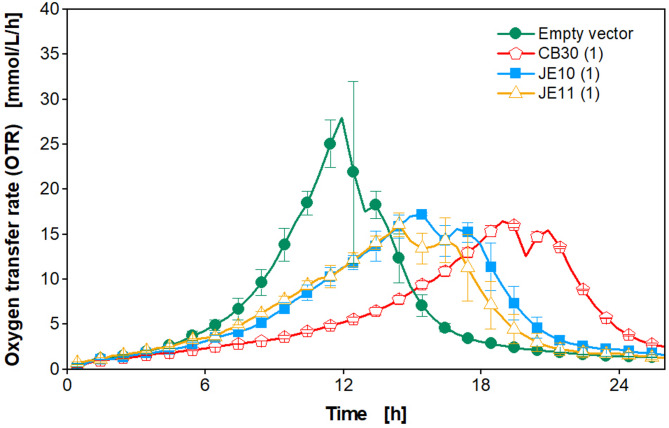 Figure 1
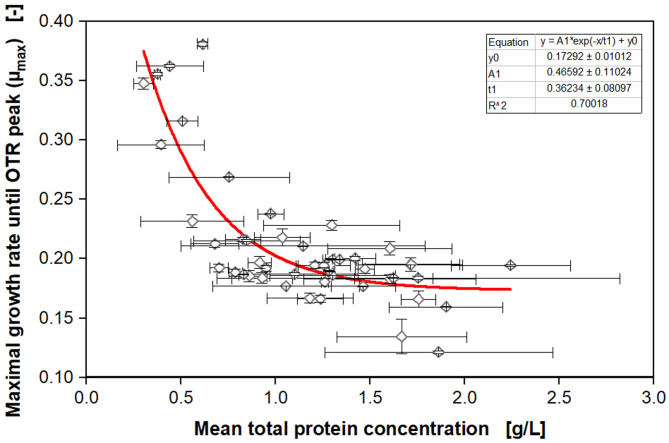 Figure 2
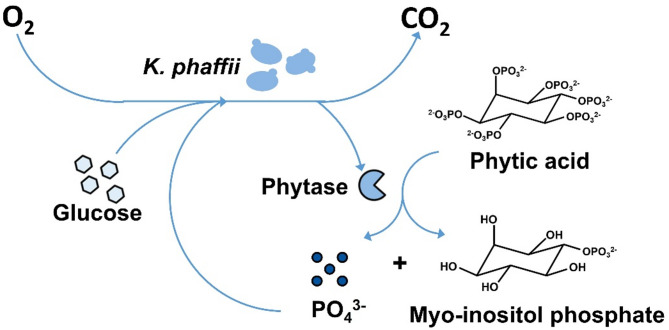 Figure 3
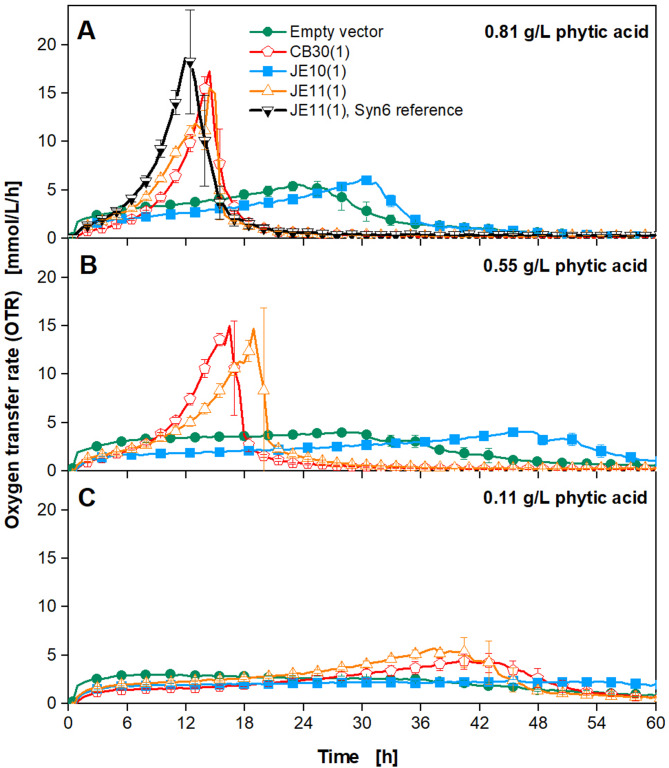 Figure 4
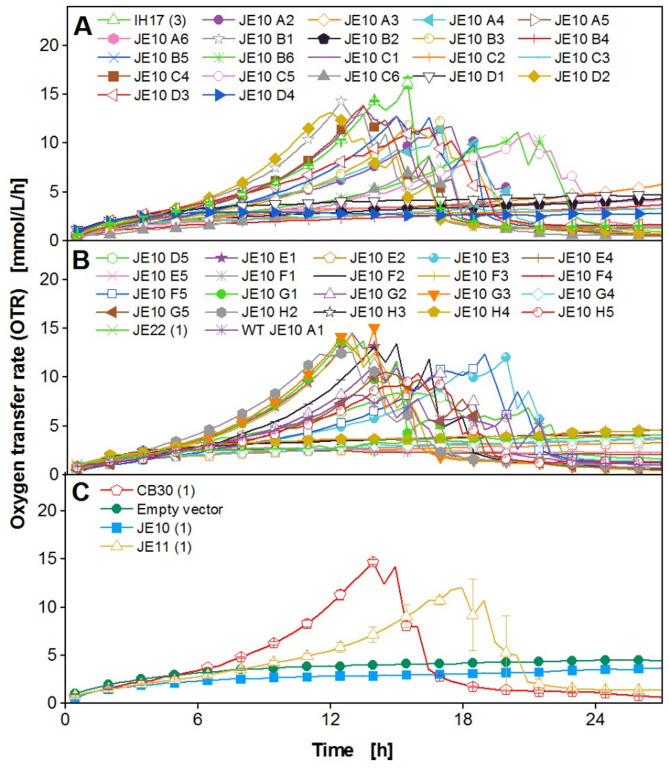 Figure 5
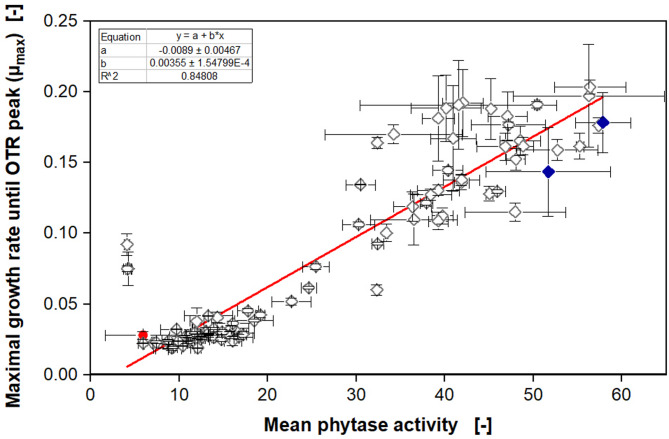 Figure 6
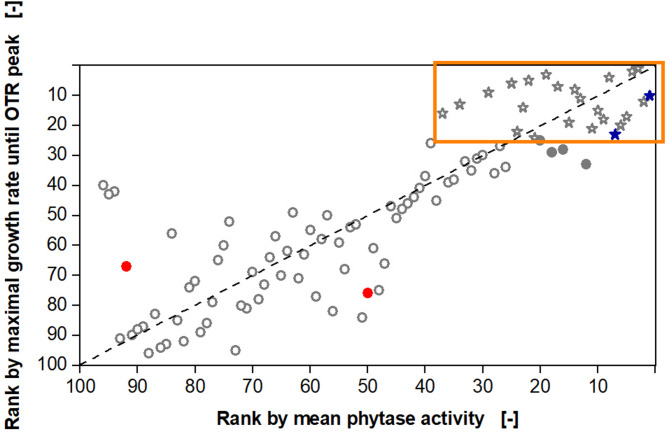 Figure 7
Peer Reviews
No public reviews on file for this paper yet. If you reviewed it on a platform where reviews are public (OpenReview, ICLR, NeurIPS, ICML), you can paste yours below so the community can read it here.
Videos
No videos yet. Explain this paper in a talk, walkthrough, or lecture? Add one.
Taxonomy
TopicsPhytase and its Applications · Phosphorus and nutrient management · Chromium effects and bioremediation