Environmentally benign carbon nano dots as luminescence probe for quantification of palladium (II) chloride impurity in naproxen
Miranda F. Kamal, Rana M. Moustafa, Wael Talaat, Rasha M. Youssef

TL;DR
This paper introduces eco-friendly carbon dots made from garlic peels to detect harmful palladium impurities in naproxen drugs.
Contribution
The novelty lies in using garlic peel-derived carbon dots with multiple active chromophores for green sensing of palladium in naproxen.
Findings
Carbon dots effectively detect palladium chloride in naproxen via fluorescence quenching.
The method is linear and accurate within 0.0088–0.8870 µg/mL palladium chloride range.
The technique complies with ICH guidelines for drug impurity validation.
Abstract
Green shades of “The 2030 Global Green Agenda” have directed the analysts into a peaceful relationship with surrounding environment. Natural resources, clean energy, green solvents are in commitment with Earth’s sustainability. Hazardous inorganic chemical reagents are in gradual replacement by nanoscale reactive species of green origins. In this sense, the present study utilizes nano Carbon Dots, synthesized from garlic peels as natural precursor, with a modified surface activity “multiple active chromophores”. The latter act as potent fluorogenic scavengers for optical nano sensing of Palladium traces in the anti-inflammatory Naproxen drug substance. Palladium traces are found in Naproxen bulk as synthesis-related impurity. Higher ingested levels increase the risk of debilitating diseases in the human body. Stoichiometric reaction between Palladium traces and the dots’ active surfaces…
Genes, proteins, chemicals, diseases, species, mutations and cell lines named across the full text — each resolved to its canonical identifier and authoritative record.
Click any figure to enlarge with its caption.
 Figure 1
 Figure 2
 Figure 3
 Figure 4
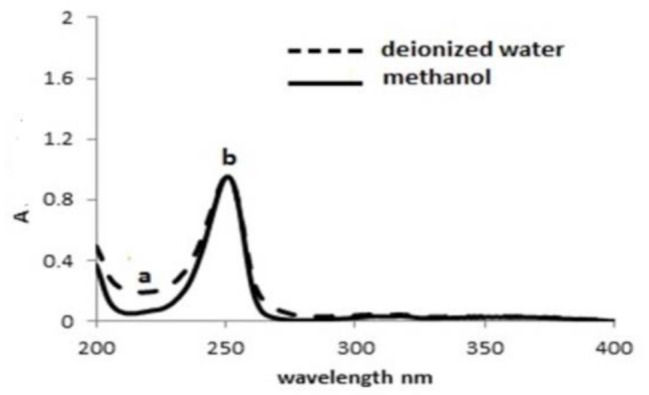 Figure 5
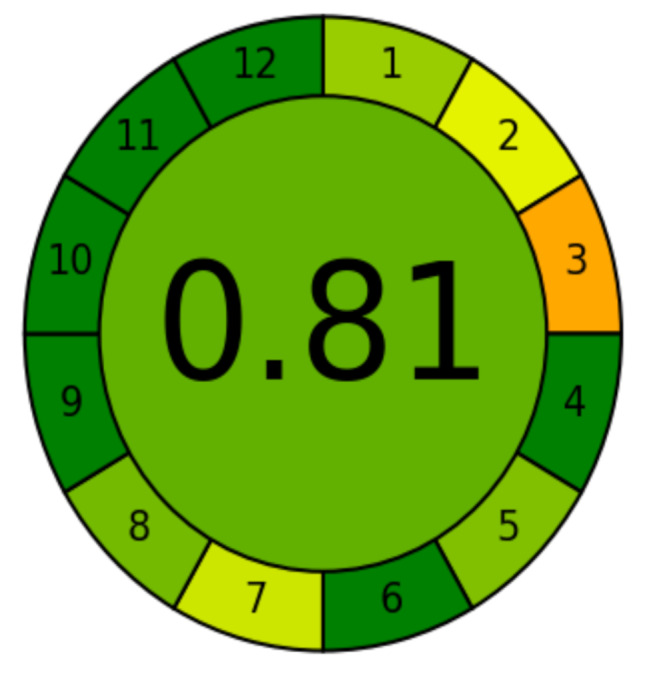 Figure 6
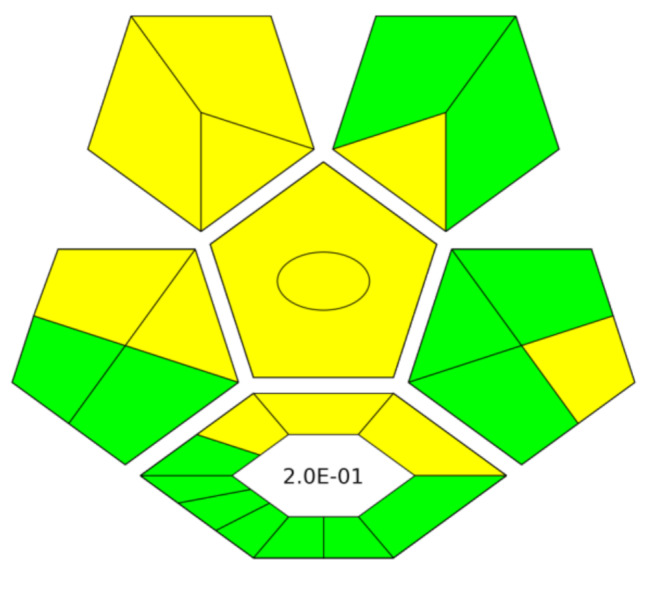 Figure 7
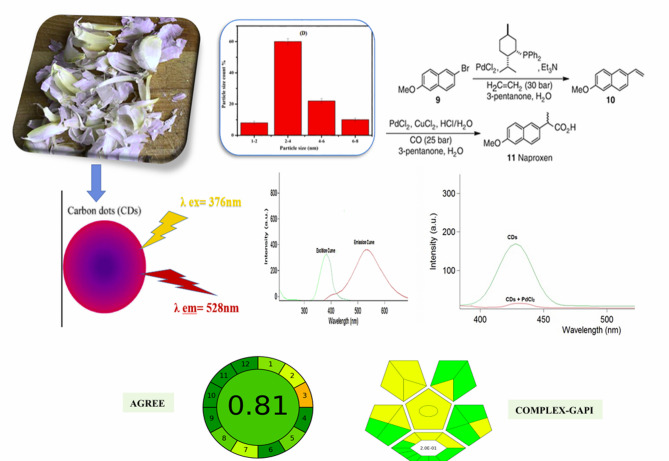 Figure 8
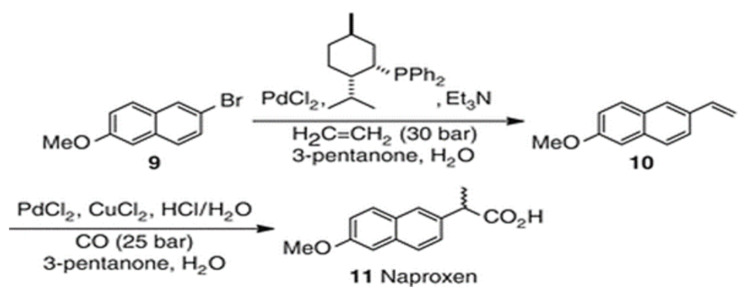 Figure 9
Peer Reviews
No public reviews on file for this paper yet. If you reviewed it on a platform where reviews are public (OpenReview, ICLR, NeurIPS, ICML), you can paste yours below so the community can read it here.
Videos
No videos yet. Explain this paper in a talk, walkthrough, or lecture? Add one.
Taxonomy
TopicsCarbon and Quantum Dots Applications · Luminescence and Fluorescent Materials · Nanocluster Synthesis and Applications