Whole exome sequencing and polygenic risk assessment for kidney functions and clinical management in both hospital-based cohort and population-based Asian cohorts
Min-Rou Lin, I-Wen Wu, Wan-Hsuan Chou, Yung-Feng Lin, Kuan-Yu Hung, Kaname Kojima, Kosuke Shido, Kengo Kinoshita, Wei-Chiao Chang, Mai-Szu Wu

TL;DR
This study explores the genetic factors contributing to kidney disease in Taiwan using whole exome sequencing and finds that rare genetic variants and polygenic scores can predict disease risk and progression.
Contribution
The study identifies novel rare pathogenic variants and confirms the predictive power of polygenic scores for kidney disease in a Taiwanese population.
Findings
Rare pathogenic variants in genes like PKD1 and COL4A4 were found to contribute to kidney disease susceptibility.
Polygenic scores for ESKD showed strong predictive utility, outperforming comorbidities like diabetes in predicting kidney function decline.
Abstract
Taiwan has the highest prevalence of chronic kidney disease (CKD) and end-stage kidney disease (ESKD) globally, making them major public health concerns with significant morbidity, mortality, and healthcare burden. While genetic risk factors for kidney disease have been identified in previous studies, the contribution of rare genetic variants remains unclear. This study utilized whole-exome sequencing (WES) to investigate the role of missense rare variants in CKD and ESKD susceptibility. Genomic data from 500 Taiwanese individuals at Taipei Medical University Hospital were included based on strict clinical diagnostic criteria, comprising 200 CKD cases, 200 ESKD cases, and 100 healthy controls. Independent validation was performed using ESKD Asian cohorts from the All of Us Research Program (AoU) (N = 222) and the Tohoku Medical Megabank Organization (ToMMo) (N = 140). We identified…
Genes, proteins, chemicals, diseases, species, mutations and cell lines named across the full text — each resolved to its canonical identifier and authoritative record.
Click any figure to enlarge with its caption.
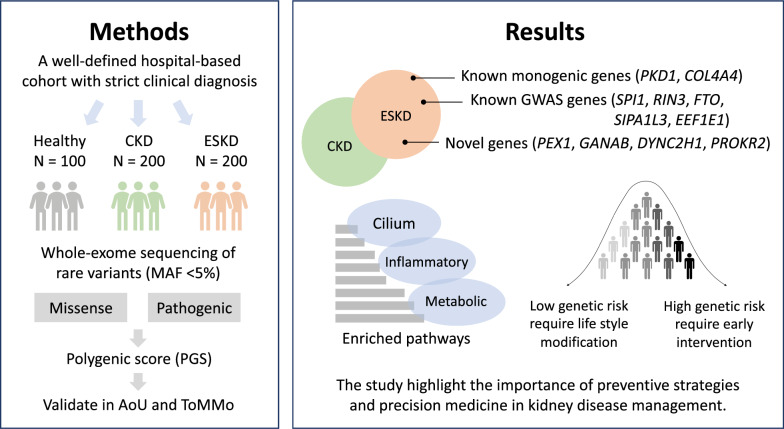 Figure 1
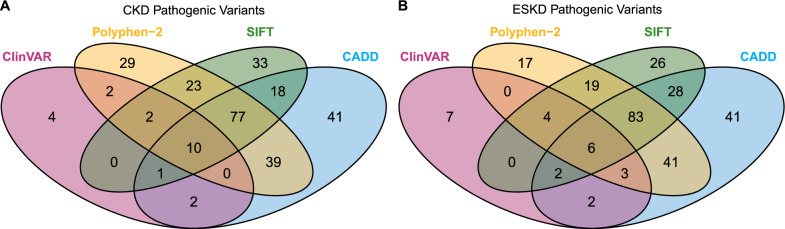 Figure 2
 Figure 3
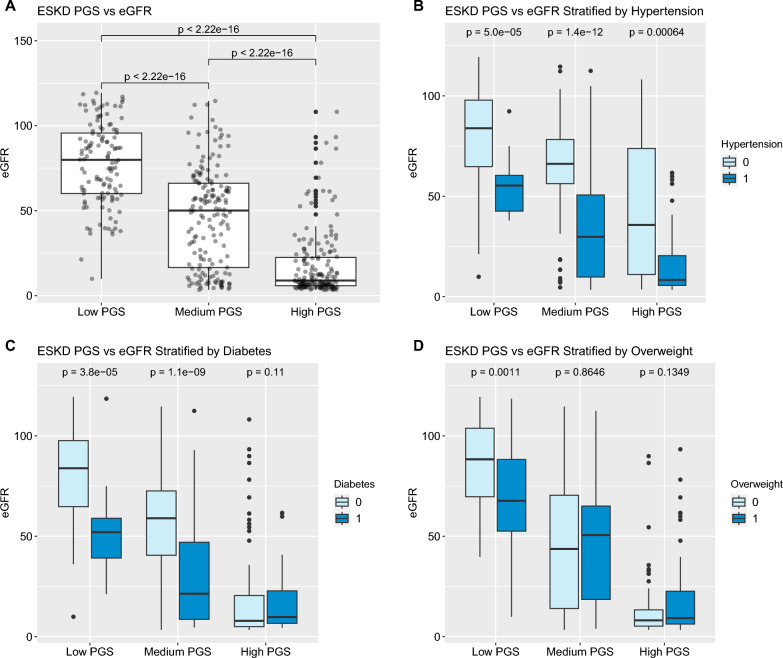 Figure 4
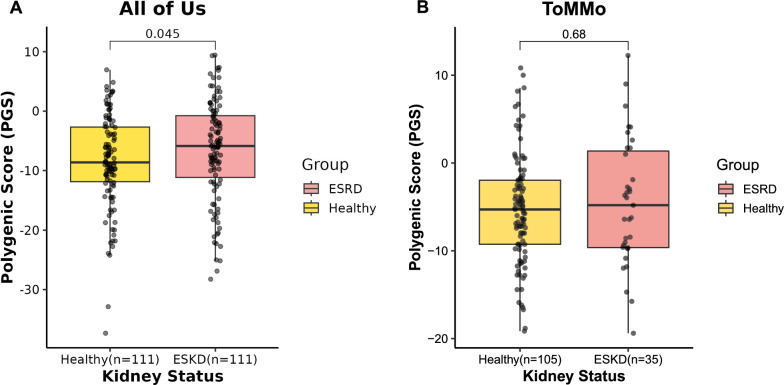 Figure 5
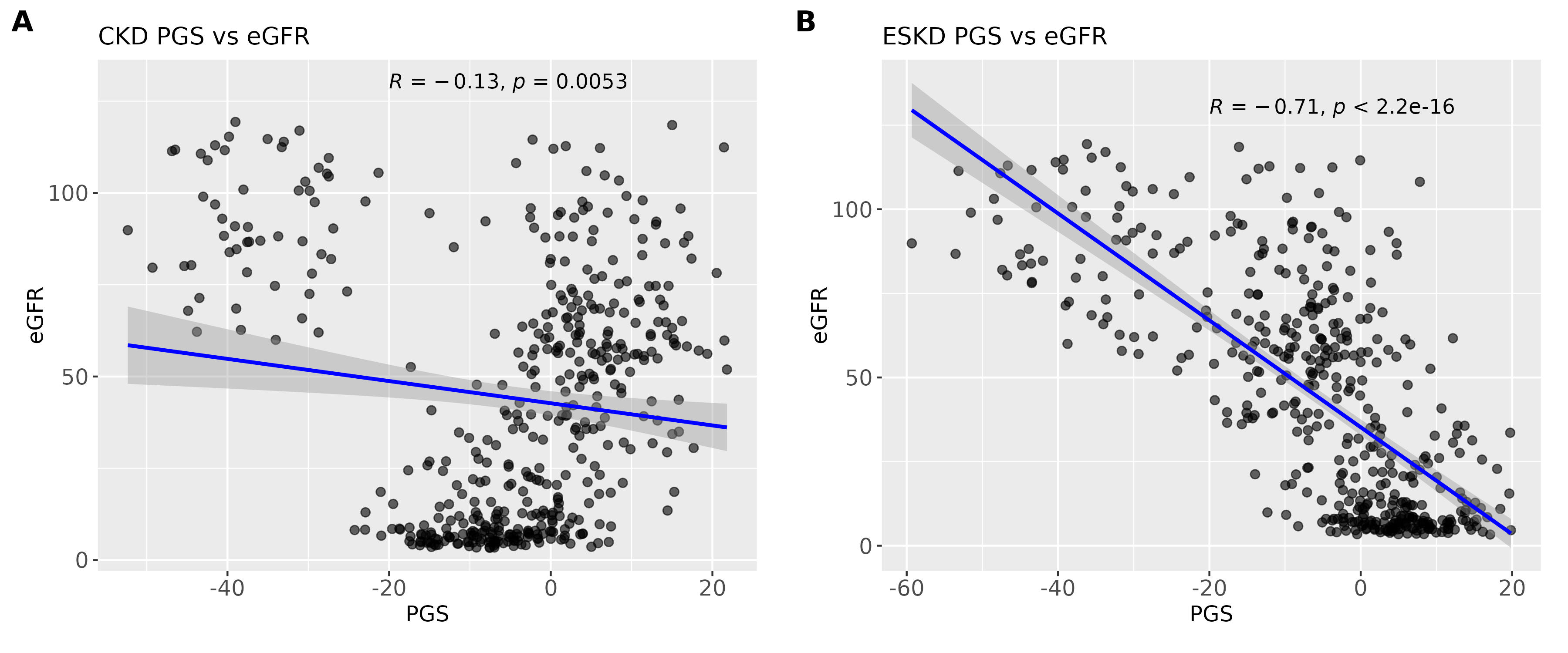 Figure 6
Peer Reviews
No public reviews on file for this paper yet. If you reviewed it on a platform where reviews are public (OpenReview, ICLR, NeurIPS, ICML), you can paste yours below so the community can read it here.
Videos
No videos yet. Explain this paper in a talk, walkthrough, or lecture? Add one.
Taxonomy
TopicsChronic Kidney Disease and Diabetes · Renal and related cancers · Genetic and Kidney Cyst Diseases