Mechanism mediating the biosynthesis of the anti-insect volatile (Z)-3-hexenyl acetate in Acacia confusa Merr., an intercropping plant in tea plantations
Guotai Jian, Jianlong Li, Yong Wu, Chengshun Liu, Ronghua Li, Jiajia Qian, Yongxia Jia, Hanxiang Li, Jinchi Tang, Lanting Zeng

TL;DR
This study identifies (Z)-3-hexenyl acetate as a key compound in Acacia confusa that repels tea leafhoppers and explains its biosynthesis mechanism.
Contribution
The study reveals the molecular mechanism and regulatory pathway for (Z)-3-hexenyl acetate biosynthesis in Acacia confusa.
Findings
(Z)-3-hexenyl acetate repels tea leafhoppers, while (Z)-3-hexenol and 1-hexanol attract them.
AcAAT4 is responsible for (Z)-3-hexenyl acetate biosynthesis in Acacia confusa.
AcMYC2b positively regulates AcAAT4 expression and (Z)-3-hexenyl acetate production.
Abstract
Intercropping tea plants with Acacia confusa Merr. offers an environmentally sustainable approach to insect population control in tea plantations. However, the primary compounds in A. confusa responsible for this effect and their biosynthetic mechanisms remain undetermined. This study identified (Z)-3-hexenyl acetate, (Z)-3-hexenol, and 1-hexanol as the major volatiles in A. confusa. Field experiments demonstrated that all three compounds affected the tea leafhopper, a significant pest. (Z)-3-Hexenyl acetate repelled leafhoppers, while the other two compounds attracted them. Leafhopper feeding on tea leaves significantly decreased after fumigation with (Z)-3-hexenyl acetate, potentially altering the metabolism of defensive substances in tea leaves. These findings suggest (Z)-3-hexenyl acetate as a crucial component for pest control in tea plantations intercropped with A. confusa.…
Genes, proteins, chemicals, diseases, species, mutations and cell lines named across the full text — each resolved to its canonical identifier and authoritative record.
Click any figure to enlarge with its caption.
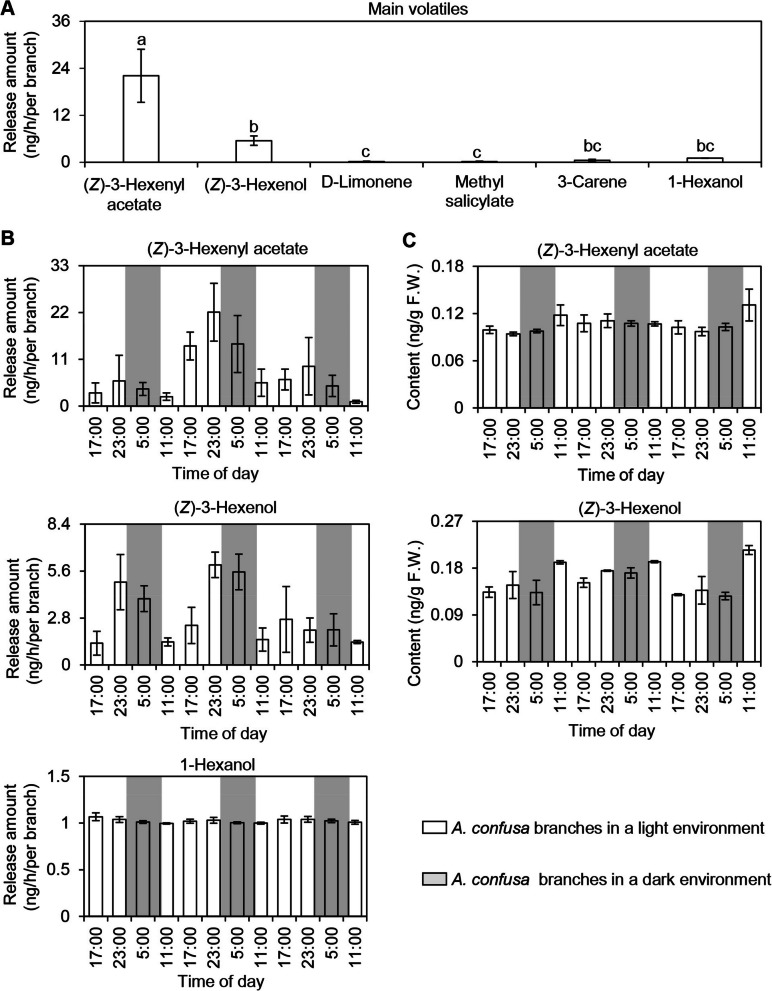 Figure 1
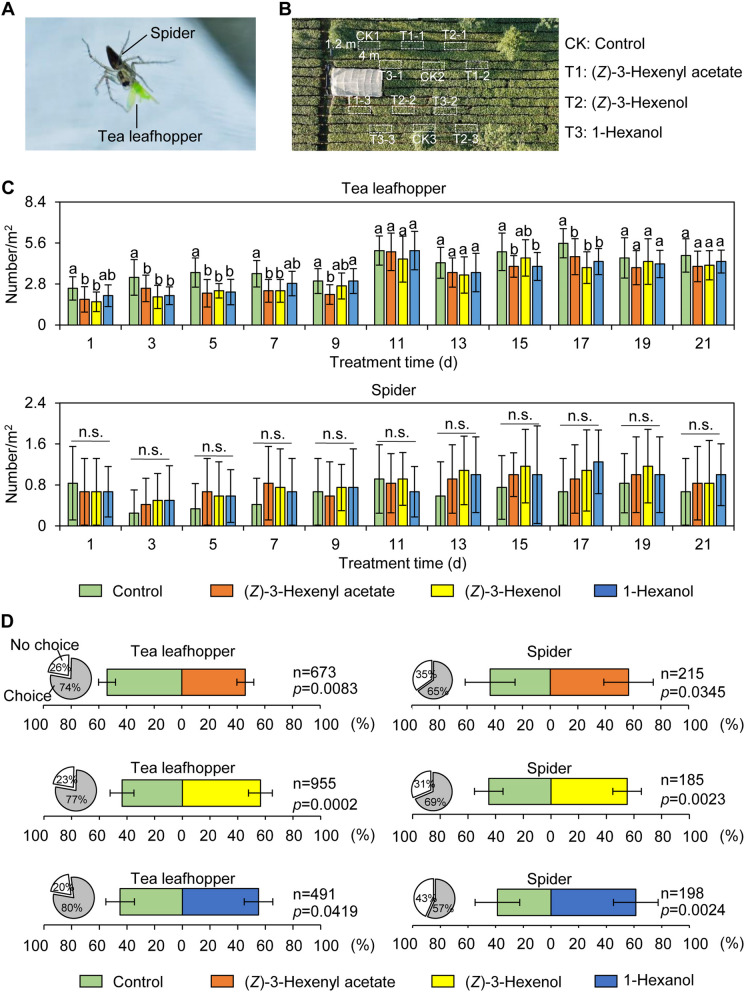 Figure 2
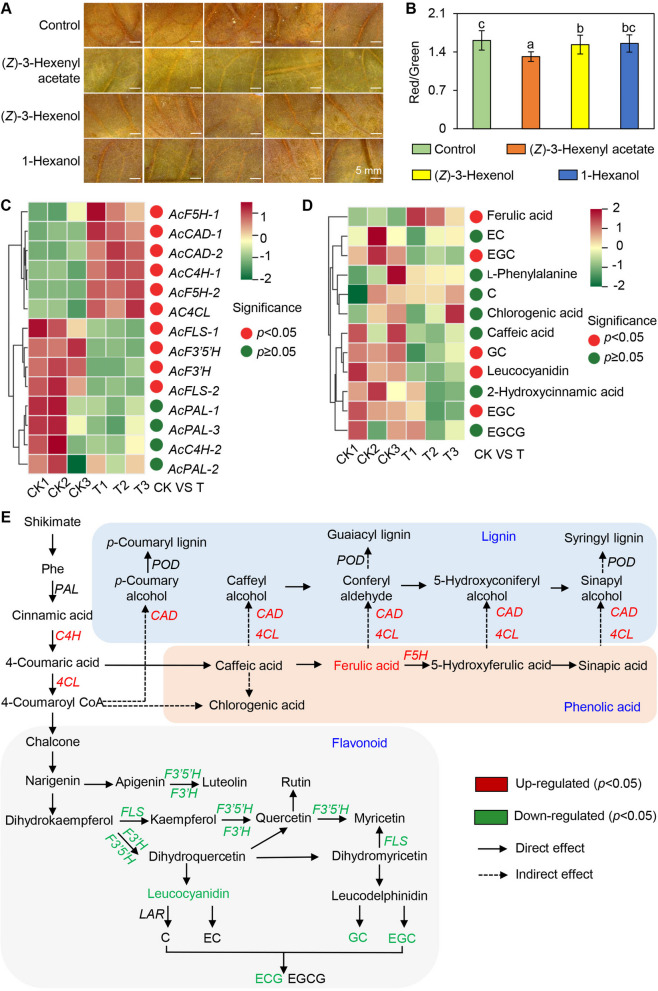 Figure 3
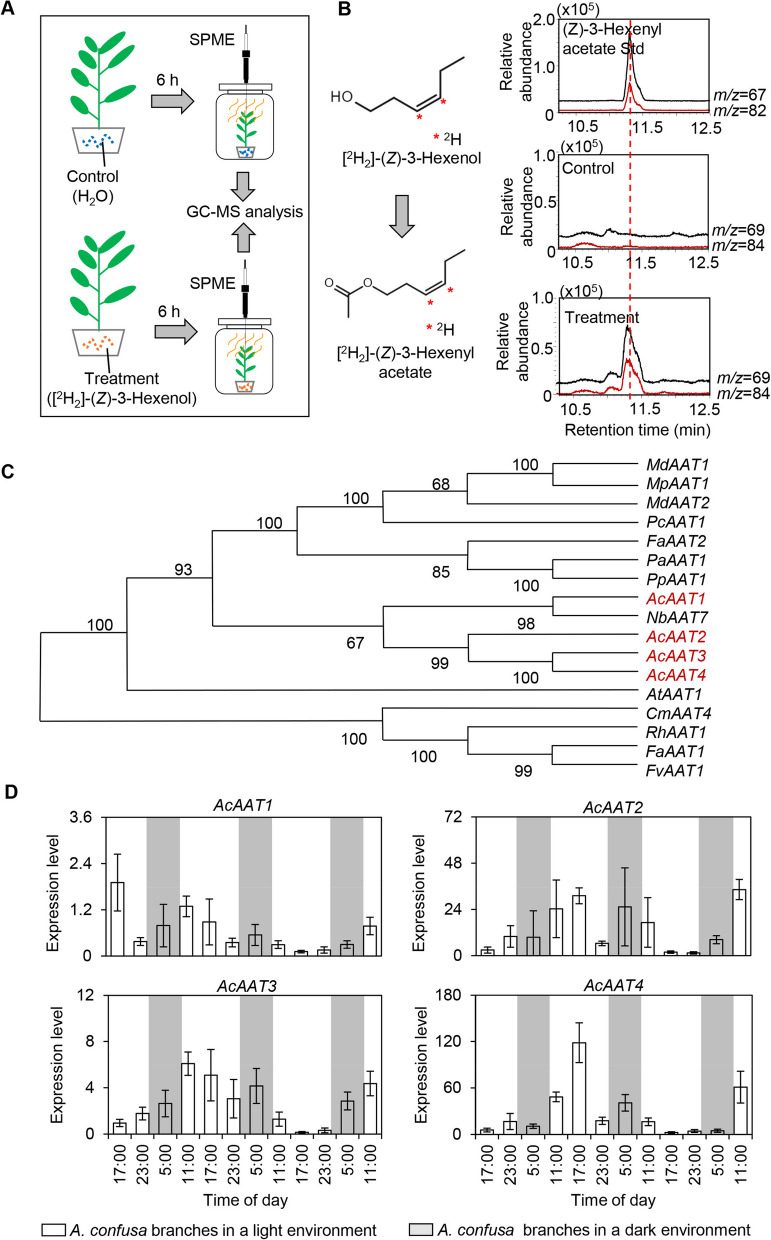 Figure 4
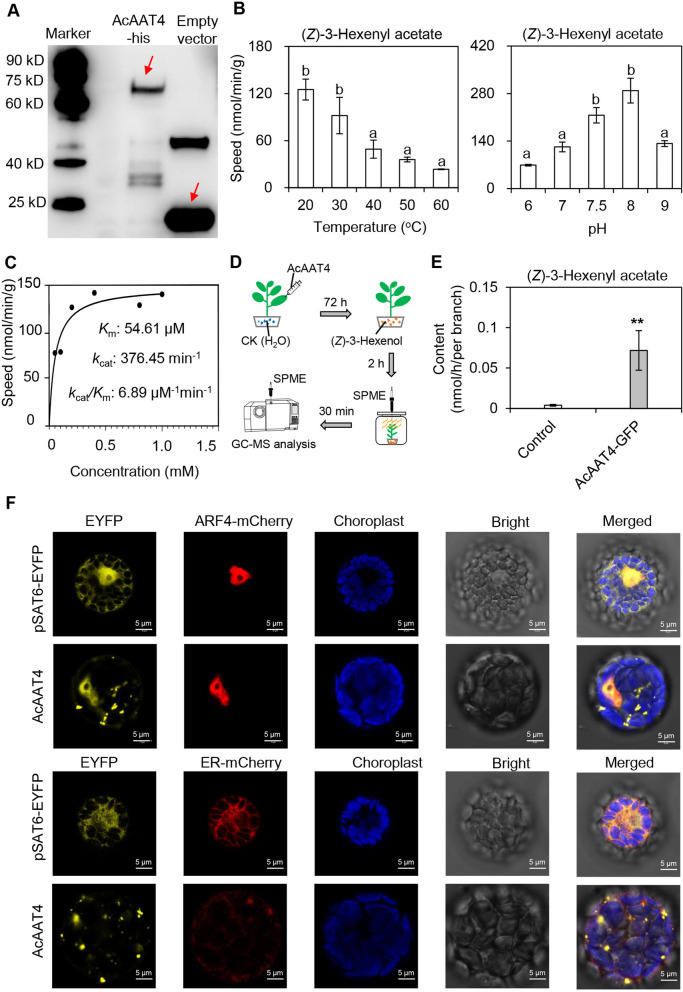 Figure 5
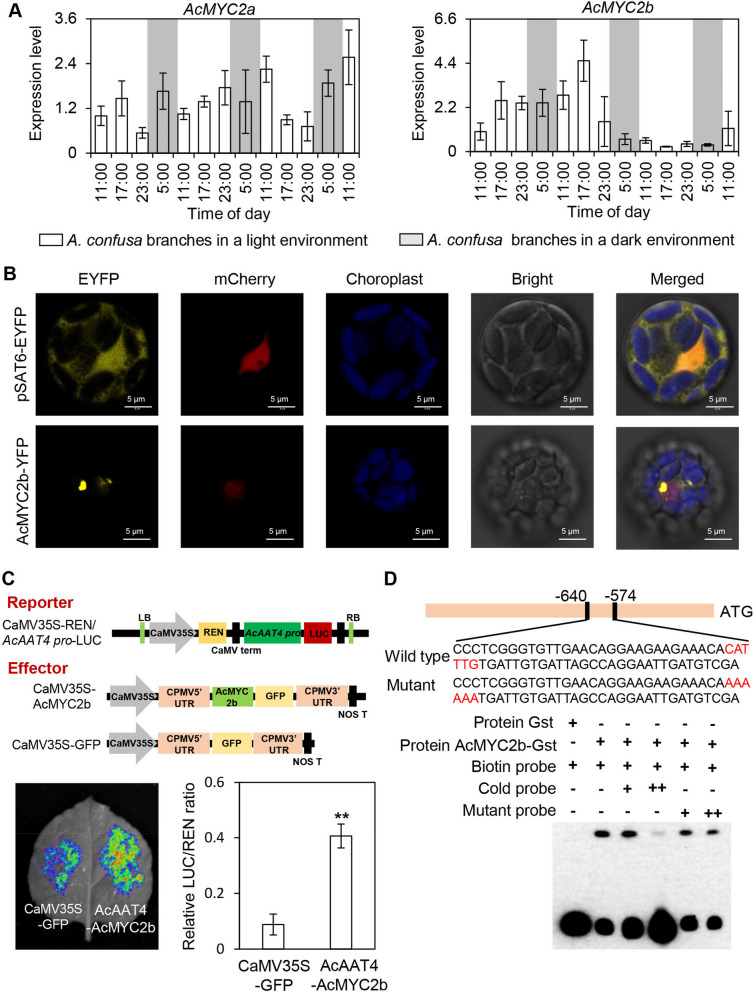 Figure 6
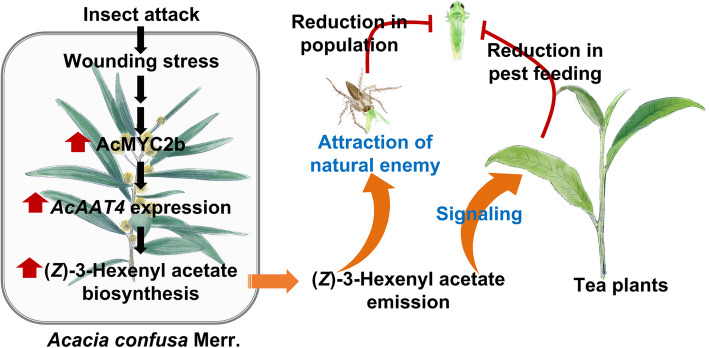 Figure 7
Peer Reviews
No public reviews on file for this paper yet. If you reviewed it on a platform where reviews are public (OpenReview, ICLR, NeurIPS, ICML), you can paste yours below so the community can read it here.
Videos
No videos yet. Explain this paper in a talk, walkthrough, or lecture? Add one.
Taxonomy
TopicsPlant biochemistry and biosynthesis · Allelopathy and phytotoxic interactions · Biochemical and biochemical processes