MFe6 X4 system (M = Mg, Sc, Zr; X = Al, Si, P, Ga, Ge, In, Sn, Sb) as possible ‘gap’ magnets
Alena Vishina, Rebecca Clulow, Daniel Hedlund, Vitalii Shtender, Peter Svedlindh, Martin Sahlberg, Olle Eriksson, Heike C. Herper

TL;DR
This paper investigates LiFe6Ge4's magnetic properties and finds that element substitution can improve its performance as a rare-earth-free permanent magnet.
Contribution
The study resolves the structural origin of magnetism in LiFe6Ge4 and proposes element substitution strategies for better permanent magnets.
Findings
LiFe6Ge4 has a trigonal crystal structure with an antiferromagnetic ground state.
Substituting Al or Ga for Ge stabilizes a ferromagnetic state with high magnetization and anisotropy.
Data-driven modeling combined with synthesis helps design improved rare-earth-free magnets.
Abstract
LiFe6Ge4, with a theoretically predicted saturation magnetization of 1 T, a magnetocrystalline anisotropy energy of 1.78 MJ/m3 and a Curie temperature of 620 K was suggested to be a promising permanent magnet as an outcome of a data-mining search. Magnetic measurements of the synthesized sample are reported here. Unfortunately, experiments revealed a weak ferromagnetic behaviour with magnetization values much below that predicted by theory. This discrepancy is analyzed in detail, and is attributed to the trigonal crystal symmetry that was missed in the previous characterisation of the material. The correct crystal structure is R3‾ mH (space group 166) and it is found here to have an antiferromagnetic ground state, as opposed to a theoretically predicted ferromagnetic state of the previously reported monoclinic crystal structure. Theoretical calculations show that element substitution…
Genes, proteins, chemicals, diseases, species, mutations and cell lines named across the full text — each resolved to its canonical identifier and authoritative record.
Click any figure to enlarge with its caption.
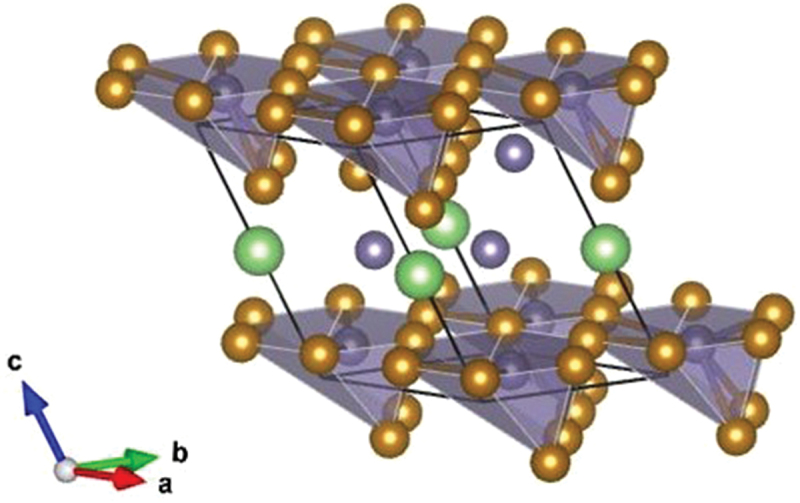 Figure 1
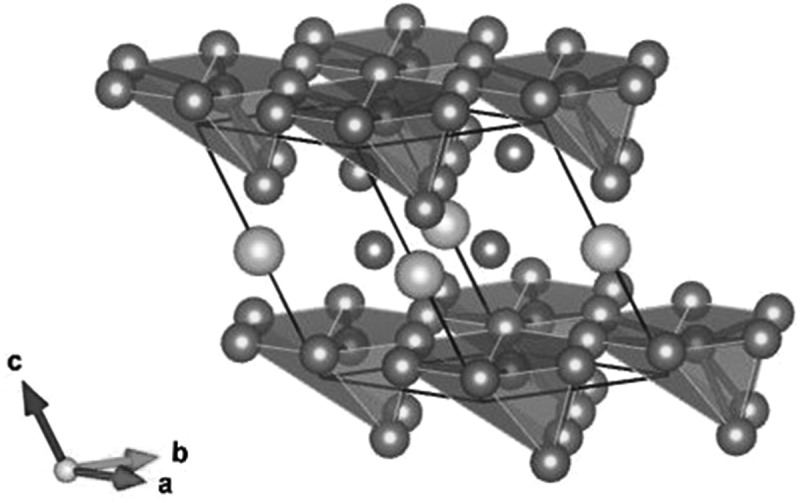 Figure 2
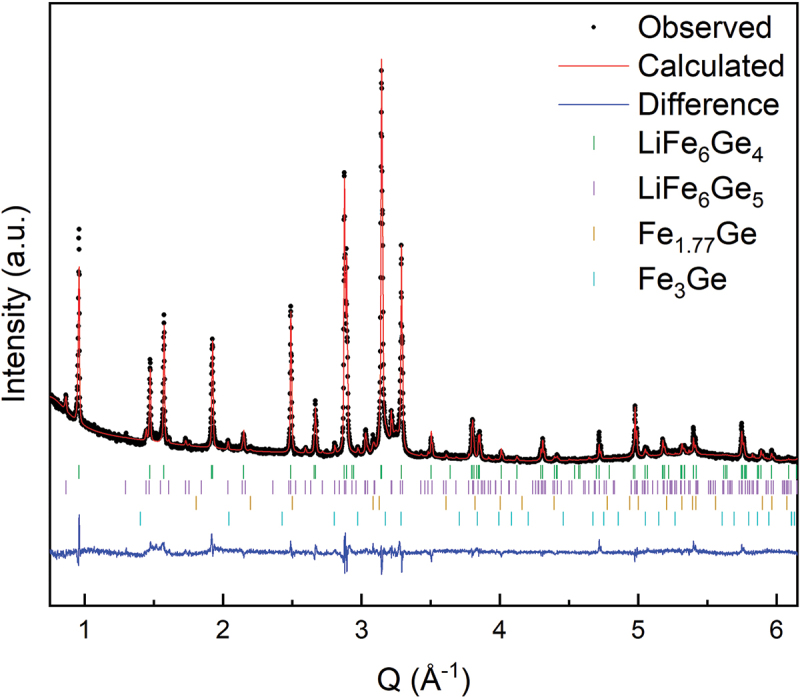 Figure 3
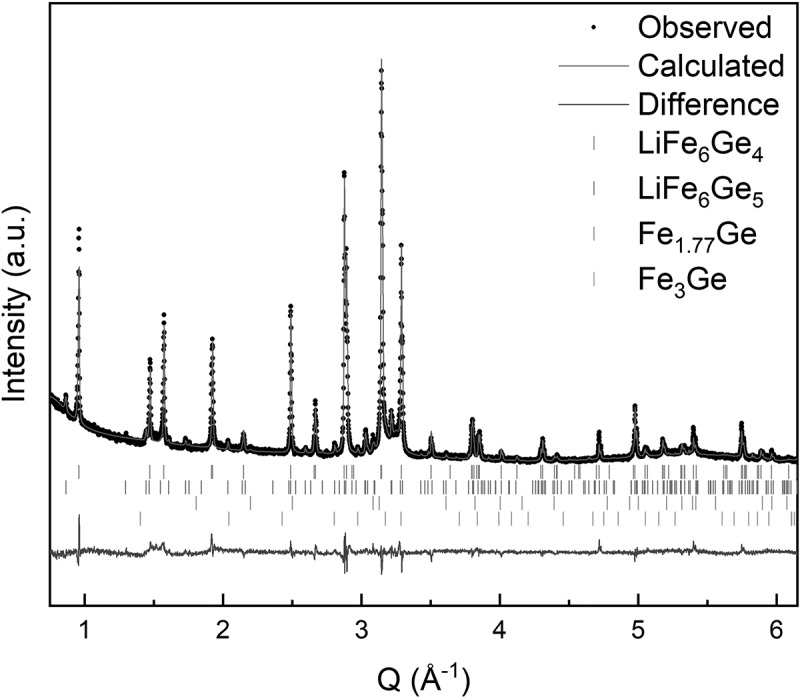 Figure 4
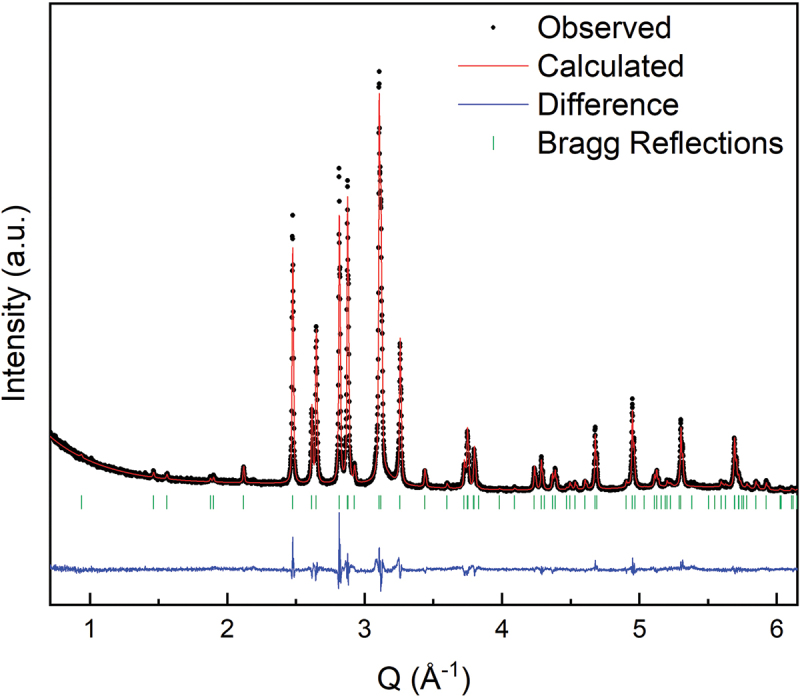 Figure 5
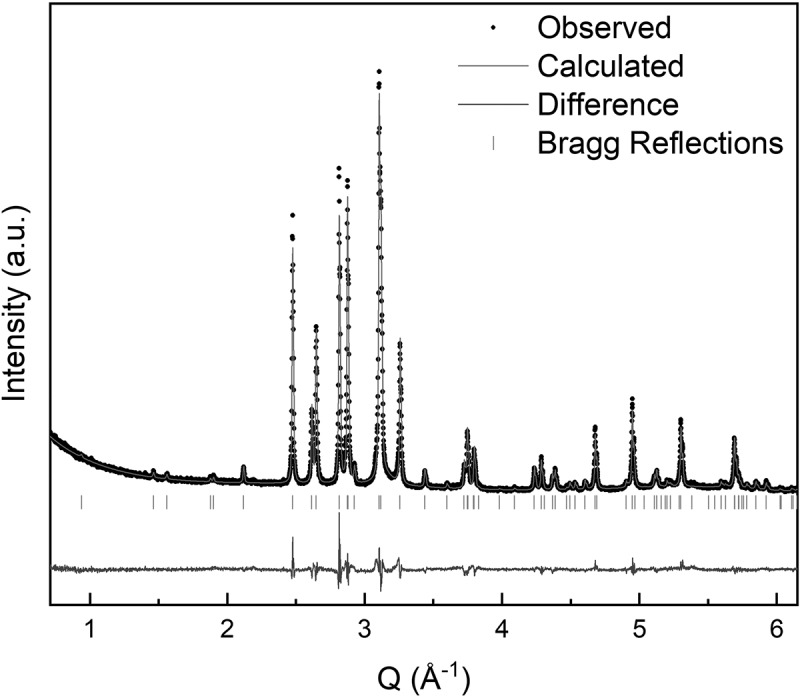 Figure 6
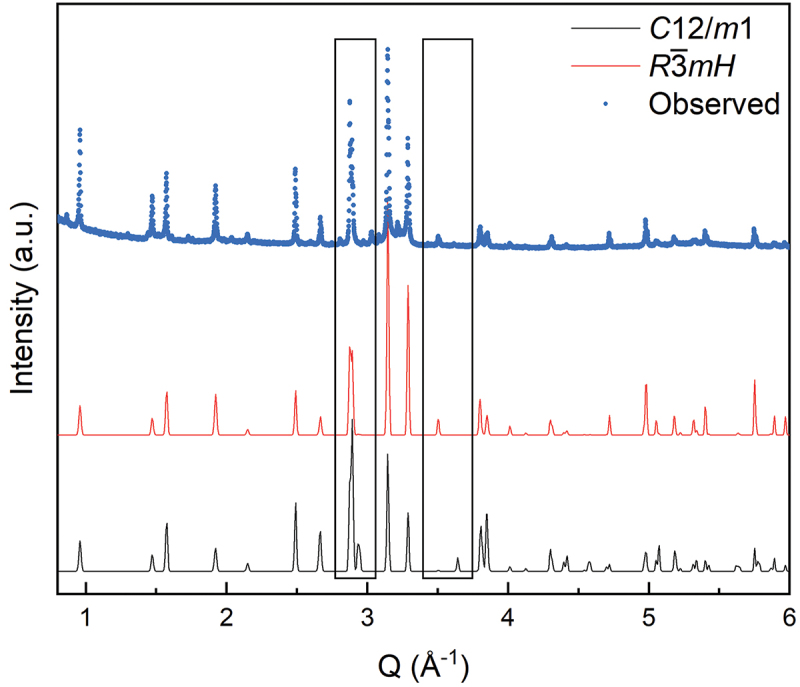 Figure 7
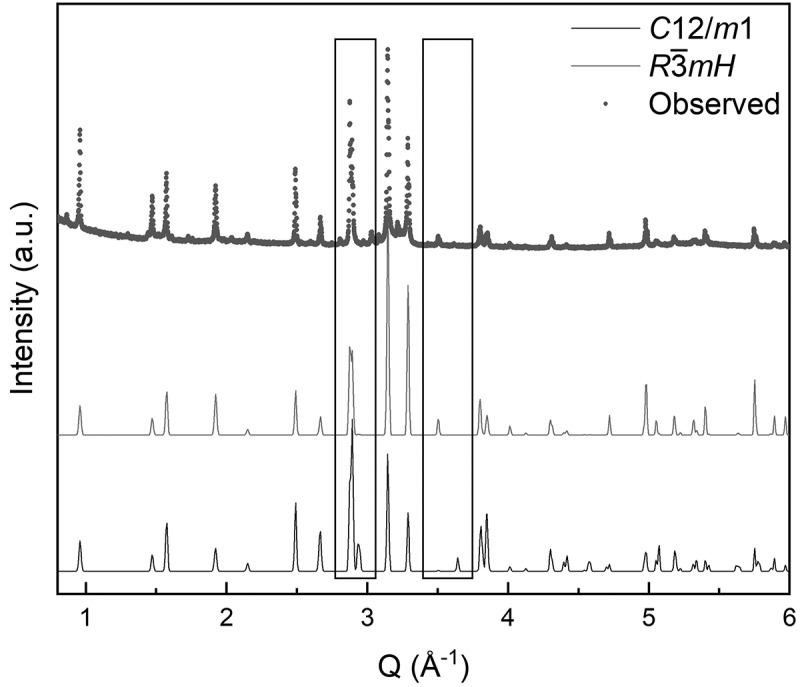 Figure 8
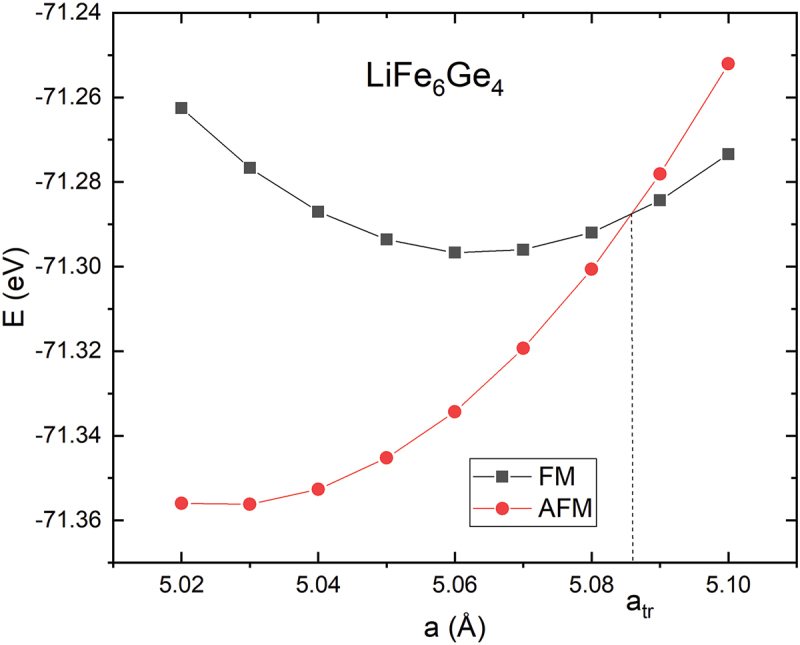 Figure 9
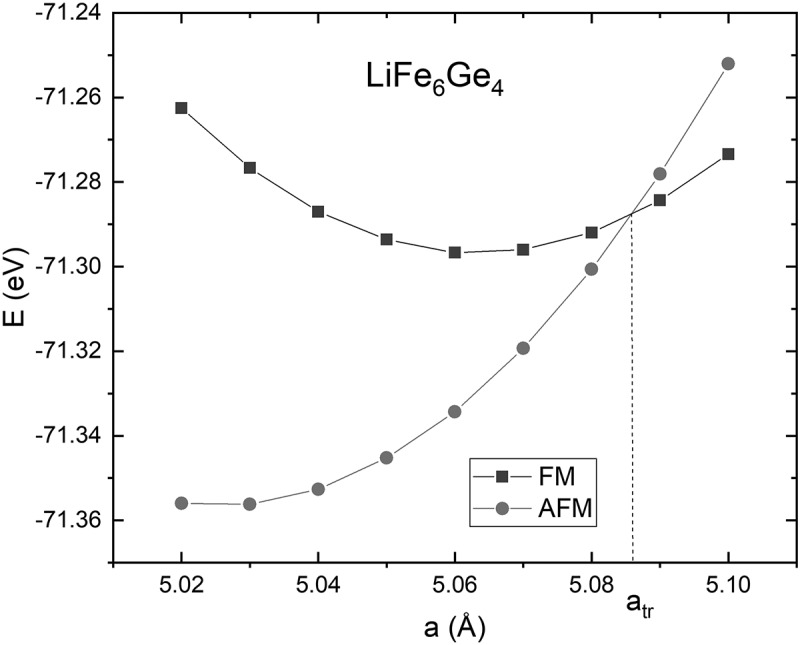 Figure 10
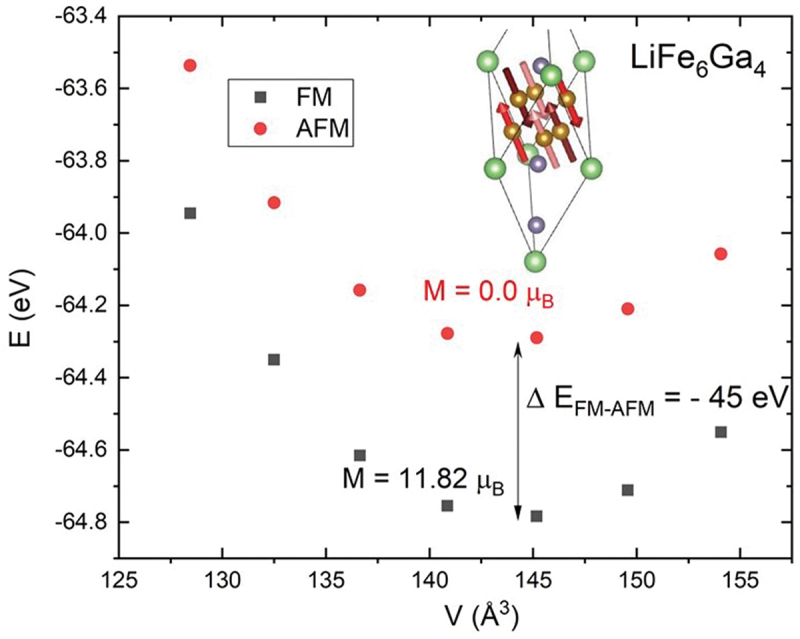 Figure 11
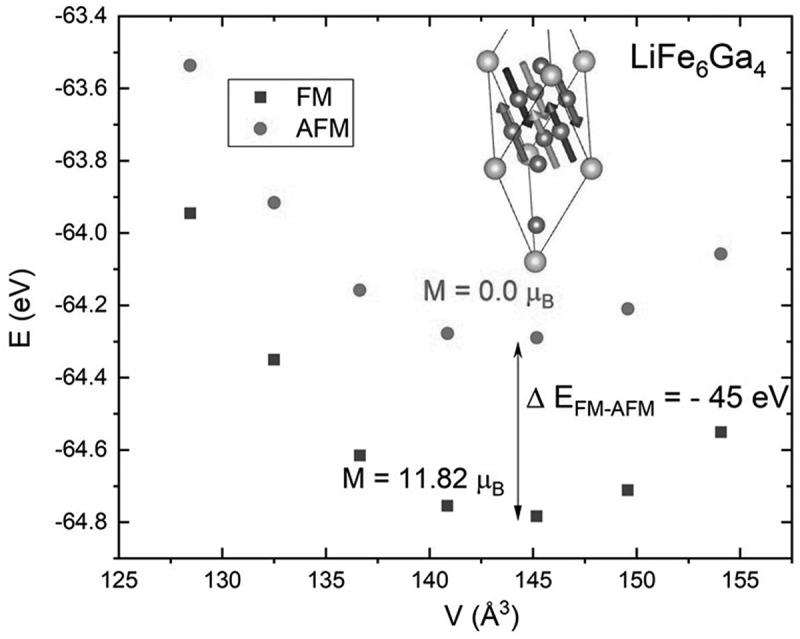 Figure 12
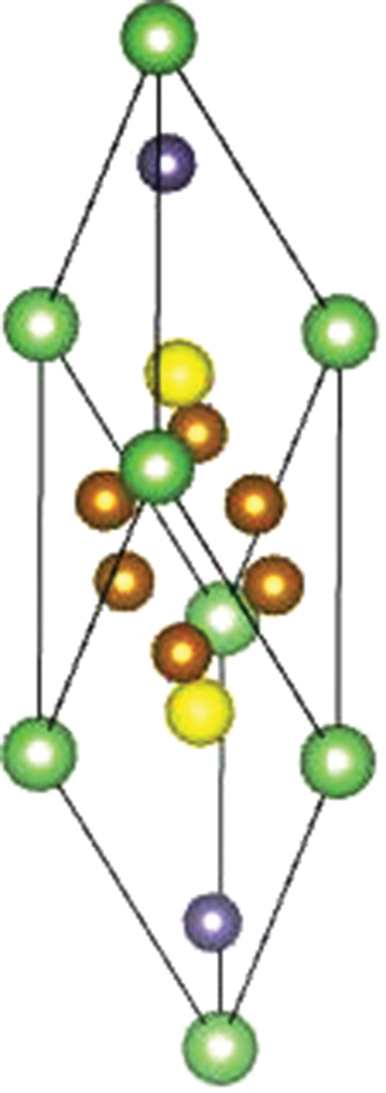 Figure 13
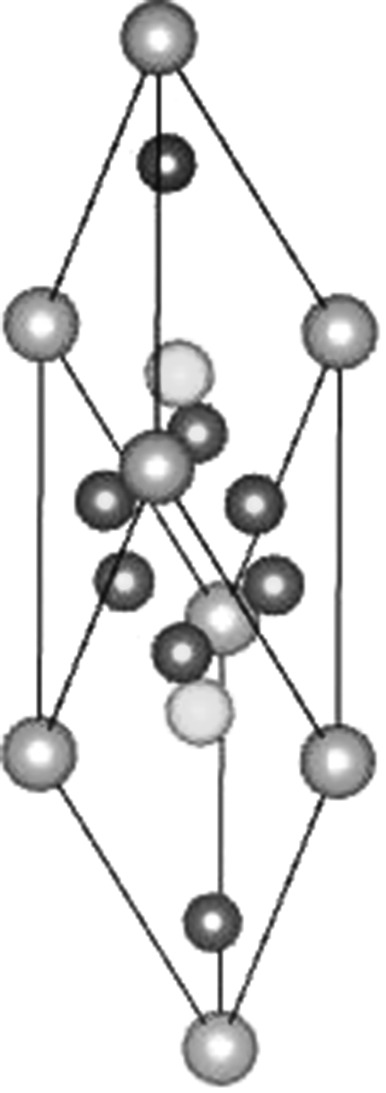 Figure 14
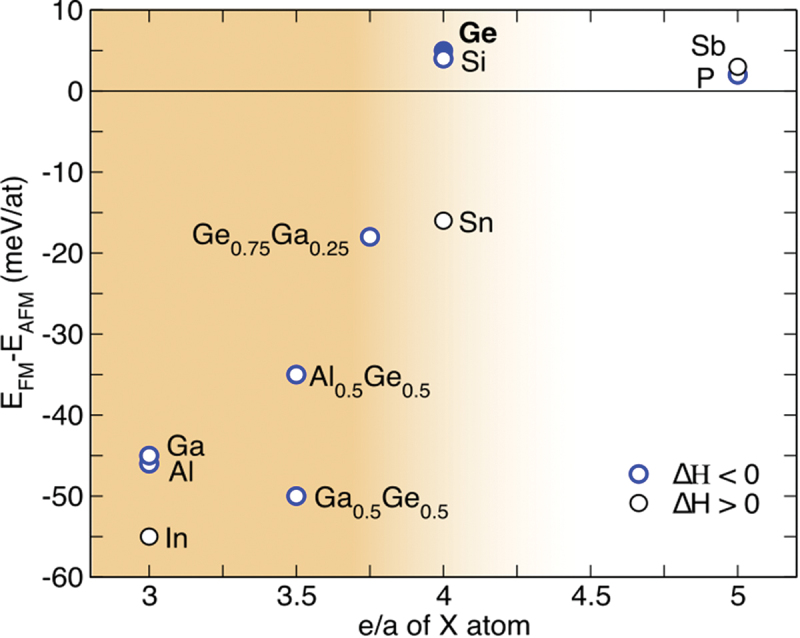 Figure 15
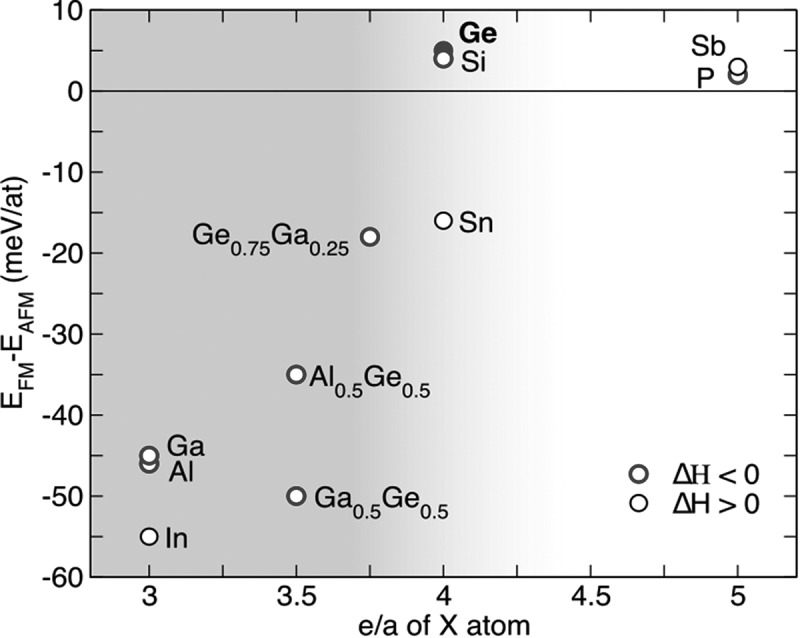 Figure 16
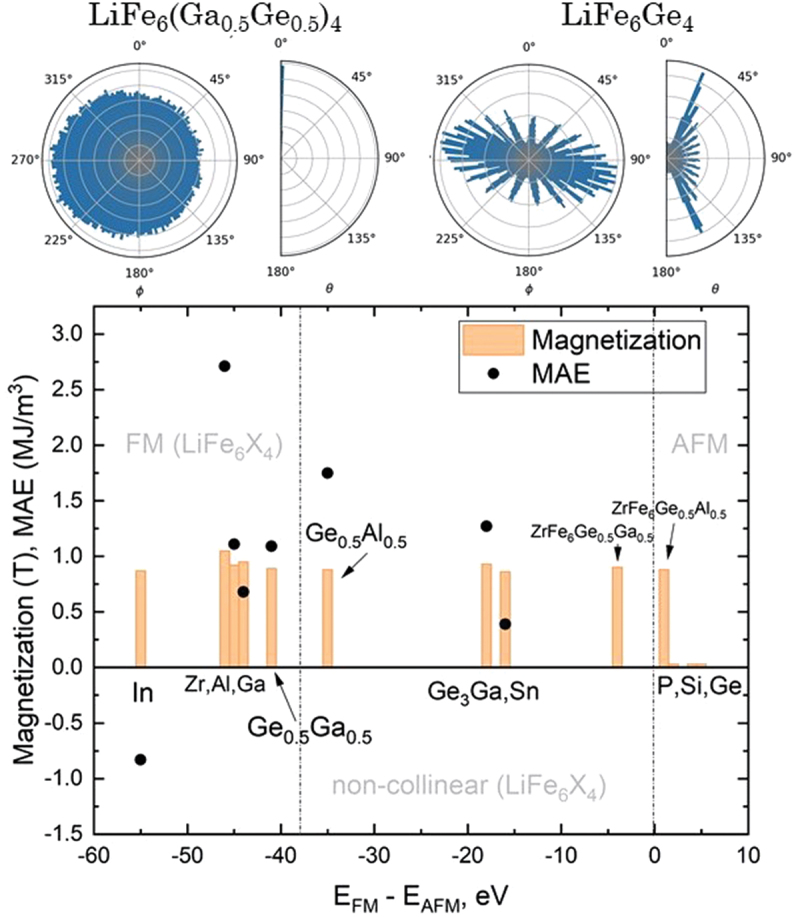 Figure 17
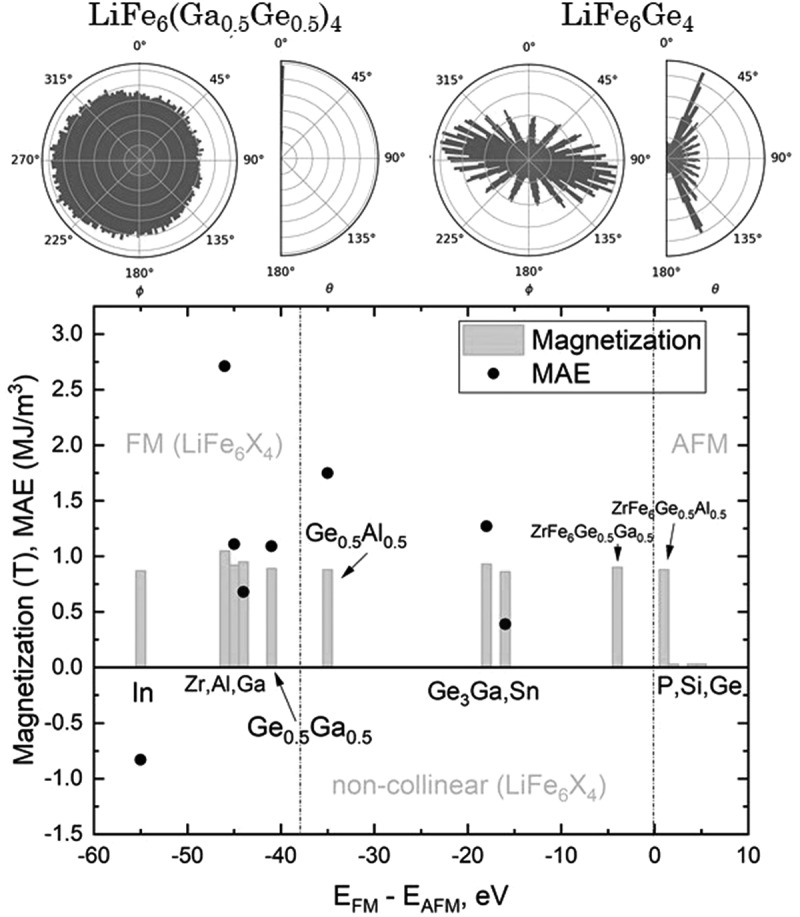 Figure 18
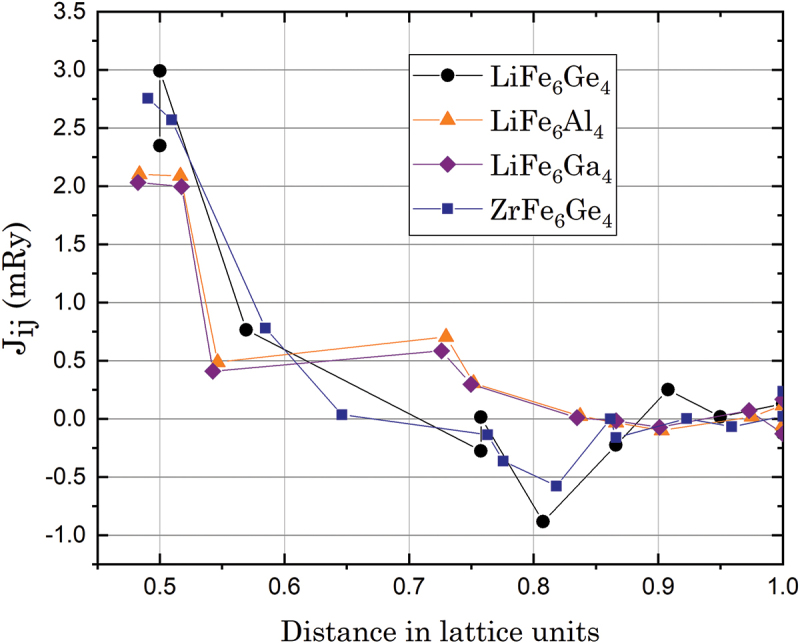 Figure 19
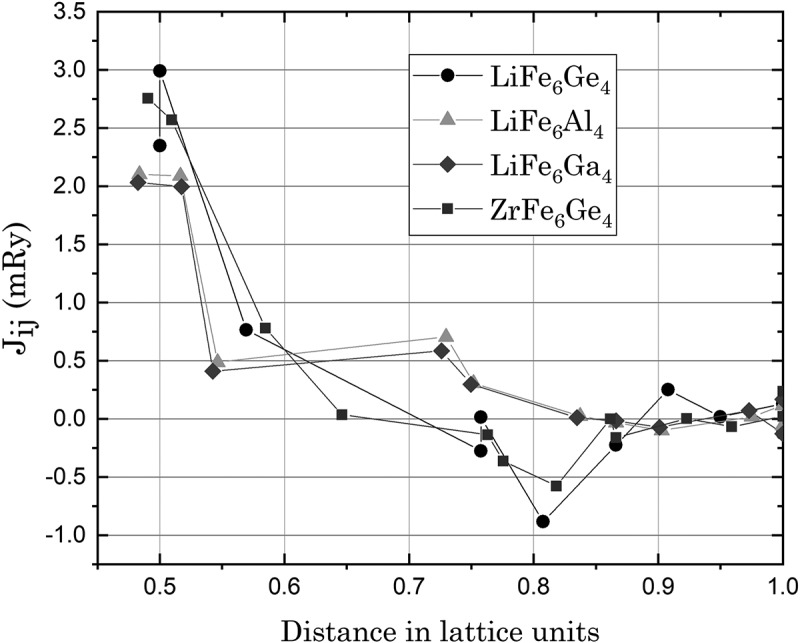 Figure 20
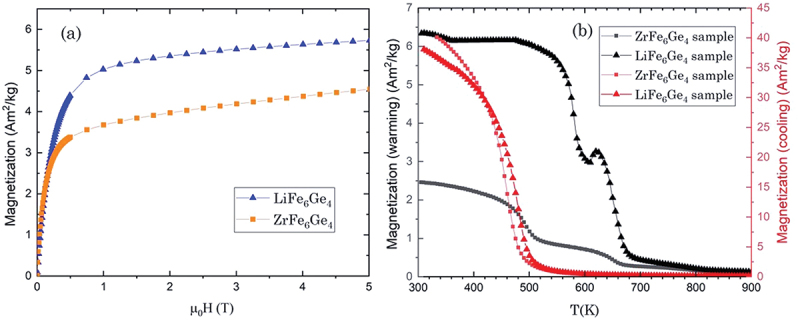 Figure 21
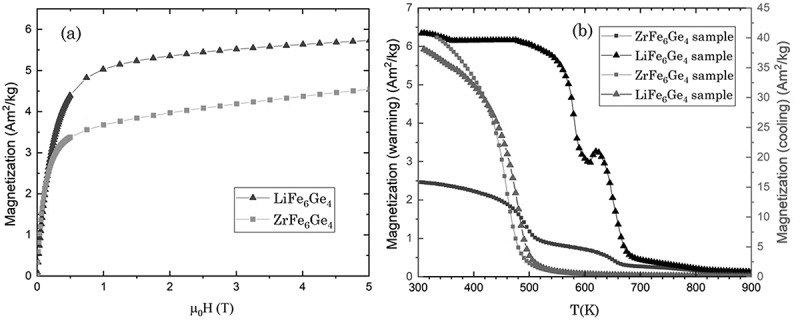 Figure 22
 Figure 23
 Figure 24
 Figure 25
 Figure 26
 Figure 27
 Figure 28
 Figure 29
 Figure 30
 Figure 31
 Figure 32
 Figure 33
 Figure 34
 Figure 35
 Figure 36
 Figure 37
 Figure 38
 Figure 39
 Figure 40
 Figure 41
 Figure 42
 Figure 43
 Figure 44
 Figure 45
 Figure 46
 Figure 47
 Figure 48
 Figure 49
 Figure 50
Peer Reviews
No public reviews on file for this paper yet. If you reviewed it on a platform where reviews are public (OpenReview, ICLR, NeurIPS, ICML), you can paste yours below so the community can read it here.
Videos
No videos yet. Explain this paper in a talk, walkthrough, or lecture? Add one.
Taxonomy
TopicsMagnetic Properties of Alloys · Hydrogen Storage and Materials · Rare-earth and actinide compounds