Freak to queer bodies: affirming the grotesque in contemporary art
Júlia Mello

TL;DR
The paper explores how contemporary art uses the grotesque to challenge norms around bodies, linking historical freak shows to modern queer art.
Contribution
It introduces a novel analysis of queer art's role in redefining abnormal bodies through the lens of the grotesque.
Findings
Bodily difference has historically defined normality in both freak shows and modern art.
Contemporary art can promote social inclusion by rethinking the status of abnormal bodies.
Artworks by Magalhães and Aguilar exemplify the political impact of this approach.
Abstract
This article analyzes artworks that employ the grotesque to challenge hegemonic discourses. It draws a parallel between bodies depicted in 19th-century freak shows and queer bodies represented in artistic productions from the mid-1990s to the early 2000s. In both historical and modern contexts, bodily difference plays a pivotal role in defining normality. Various artistic endeavors have aimed to reconsider this premise, particularly by addressing gender issues, exemplified in the works of Brazilian artist Fernanda Magalhães and Chicana artist Laura Aguilar. This investigation employs image analysis, focusing on art history and visual culture, alongside a literature review. The findings suggest the potential for rethinking the social status of bodies labeled abnormal and highlight the political impact of contemporary art in promoting social inclusion.
Genes, proteins, chemicals, diseases, species, mutations and cell lines named across the full text — each resolved to its canonical identifier and authoritative record.
Click any figure to enlarge with its caption.
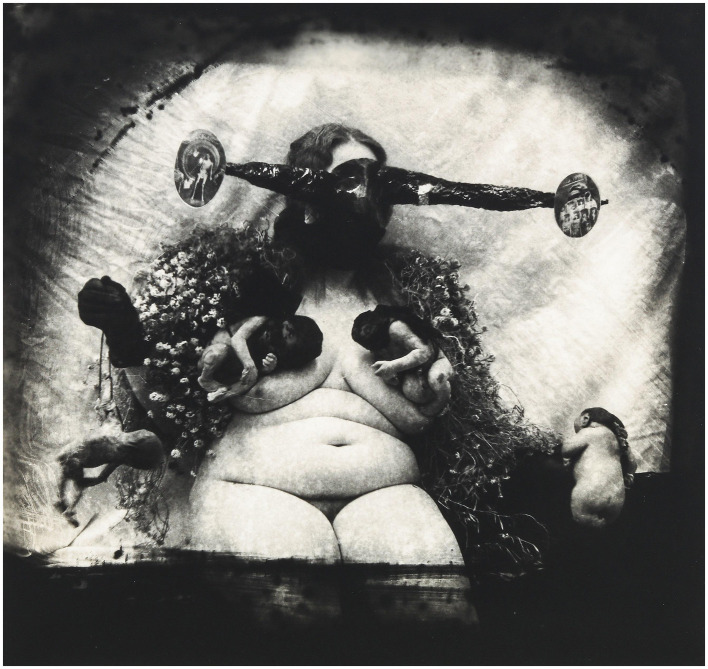 Figure 1
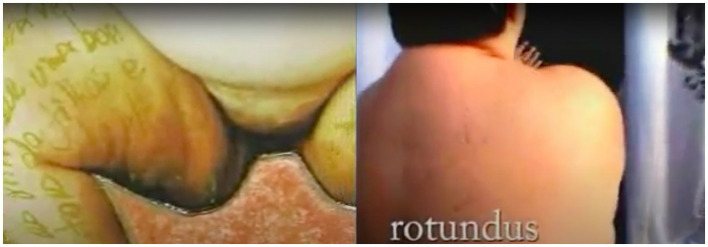 Figure 2
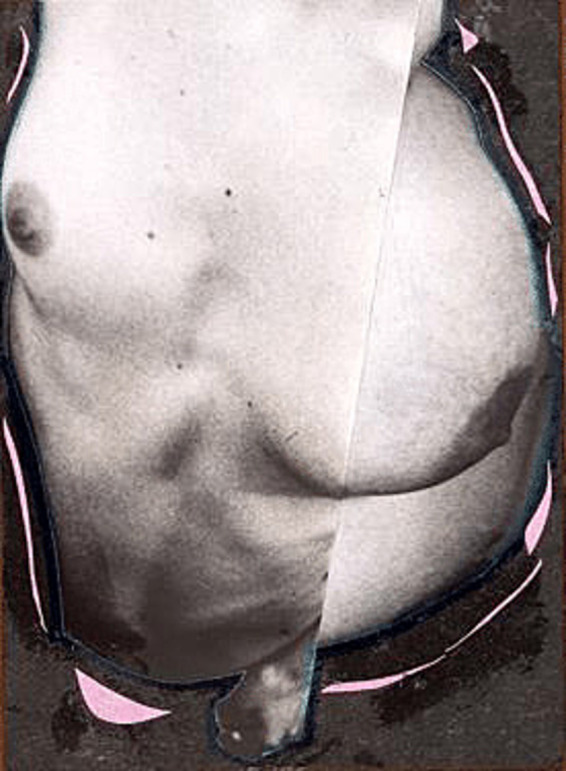 Figure 3
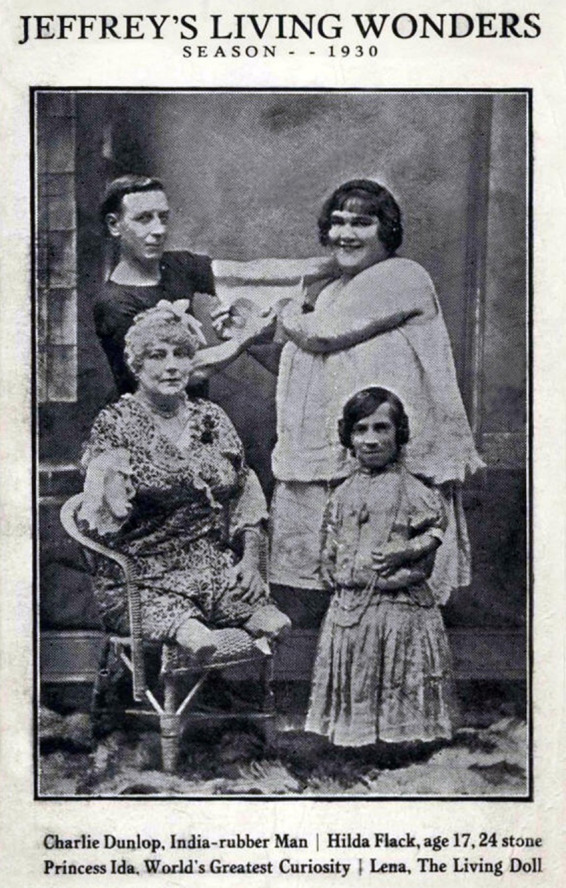 Figure 4
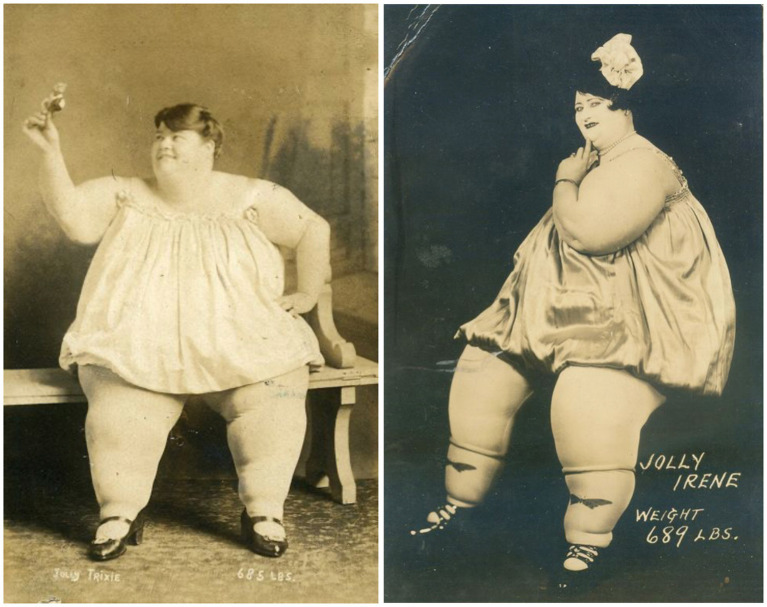 Figure 5
Peer Reviews
No public reviews on file for this paper yet. If you reviewed it on a platform where reviews are public (OpenReview, ICLR, NeurIPS, ICML), you can paste yours below so the community can read it here.
Videos
No videos yet. Explain this paper in a talk, walkthrough, or lecture? Add one.
Taxonomy
TopicsArt, Politics, and Modernism · Fashion and Cultural Textiles · Qualitative research in health