Deriving equivalent symbol-based decision models from feedforward neural networks
Sebastian Seidel, Uwe M. Borghoff

TL;DR
This paper introduces a method to convert opaque neural networks into interpretable decision trees, making AI systems more transparent and trustworthy.
Contribution
A systematic approach to derive symbolic decision models from feedforward neural networks, enhancing interpretability and trust in AI.
Findings
Symbolic models like decision trees can be derived from FNNs while preserving functionality.
A prototype using Keras and TensorFlow demonstrates the feasibility of the proposed method.
The approach enables scalability to deeper networks through iterative refinement of subpaths.
Abstract
Artificial intelligence (AI) has emerged as a transformative force across industries, driven by advances in deep learning and natural language processing, and fueled by large-scale data and computing resources. Despite its rapid adoption, the opacity of AI systems poses significant challenges to trust and acceptance. This work explores the intersection of connectionist and symbolic approaches to artificial intelligence, focusing on the derivation of interpretable symbolic models, such as decision trees, from feedforward neural networks (FNNs). Decision trees provide a transparent framework for elucidating the operations of neural networks while preserving their functionality. The derivation is presented in a step-by-step approach and illustrated with several examples. A systematic methodology is proposed to bridge neural and symbolic paradigms by exploiting distributed representations…
Genes, proteins, chemicals, diseases, species, mutations and cell lines named across the full text — each resolved to its canonical identifier and authoritative record.
Click any figure to enlarge with its caption.
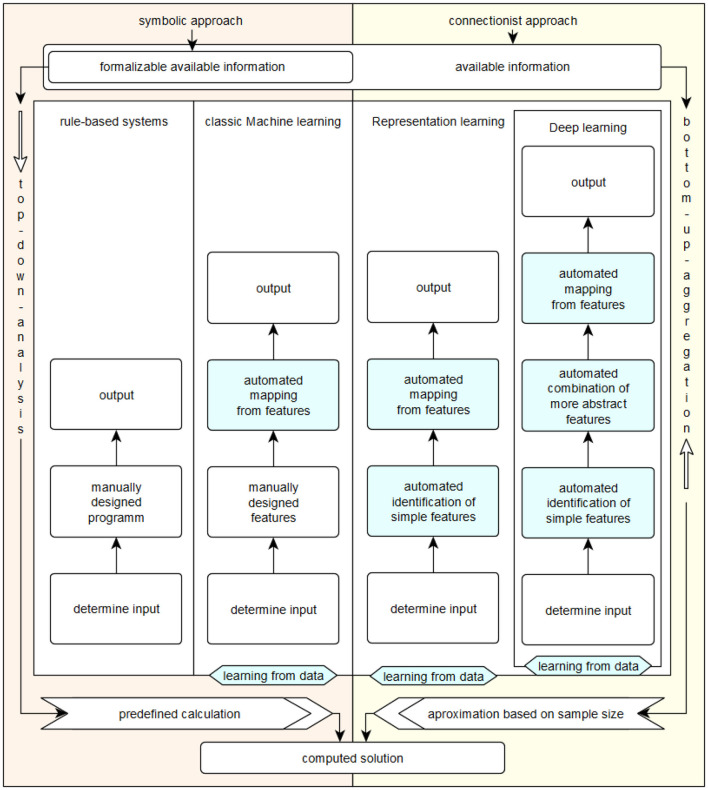 Figure 1
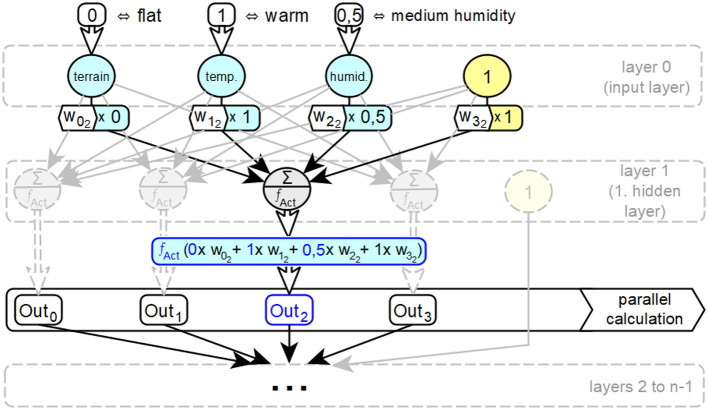 Figure 2
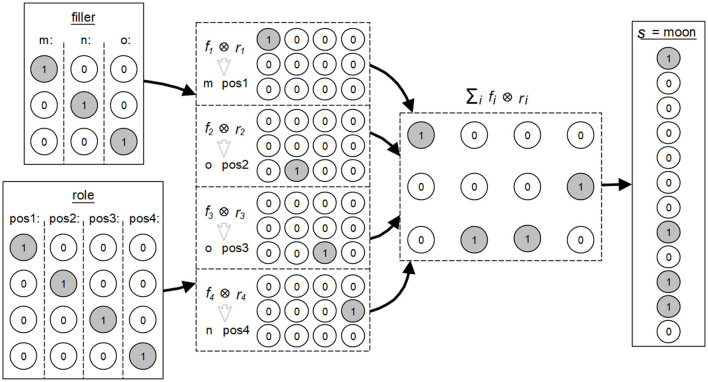 Figure 3
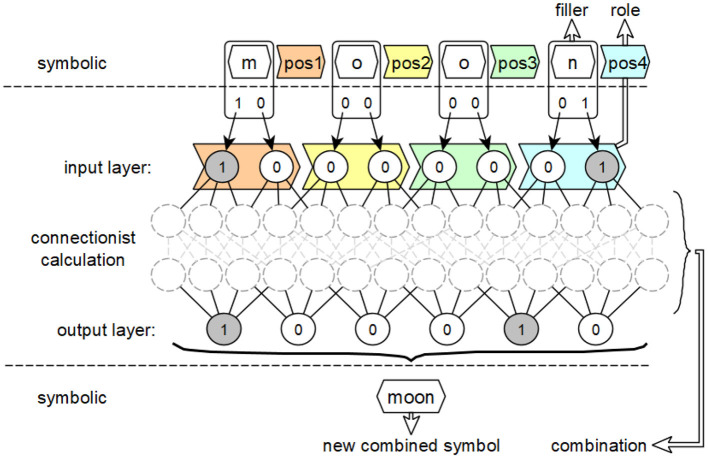 Figure 4
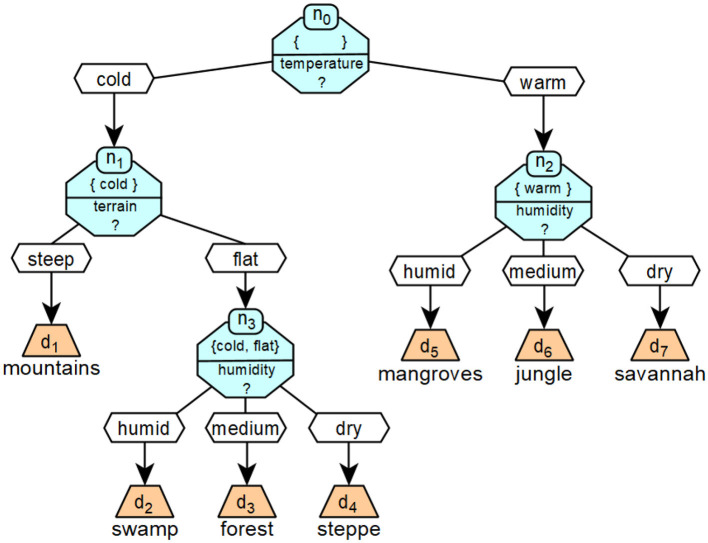 Figure 5
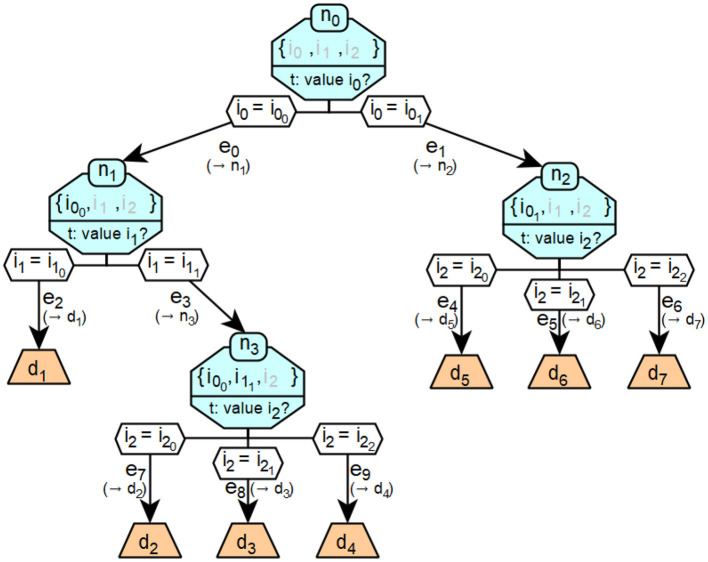 Figure 6
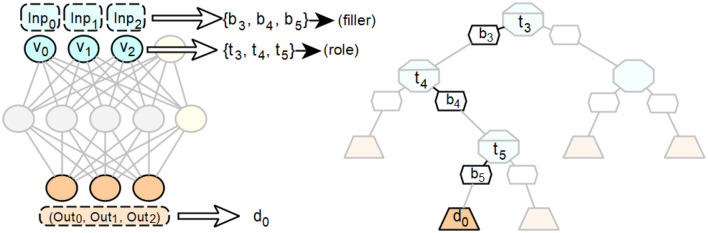 Figure 7
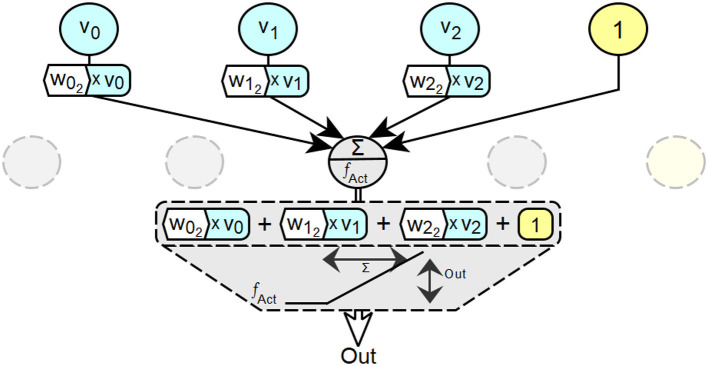 Figure 8
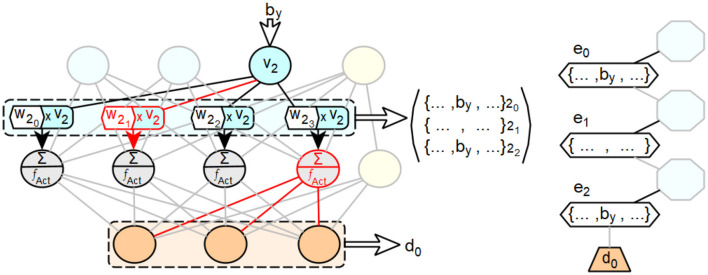 Figure 9
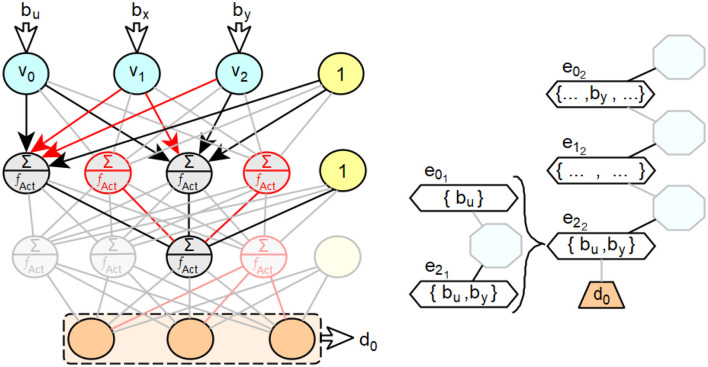 Figure 10
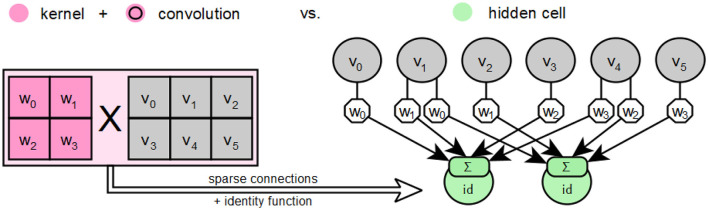 Figure 11
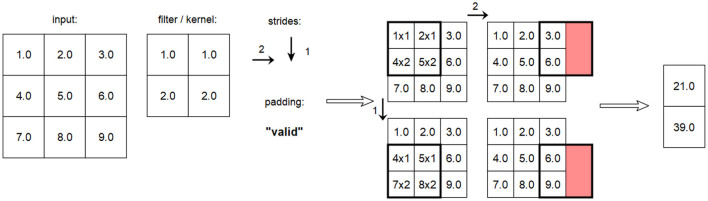 Figure 12
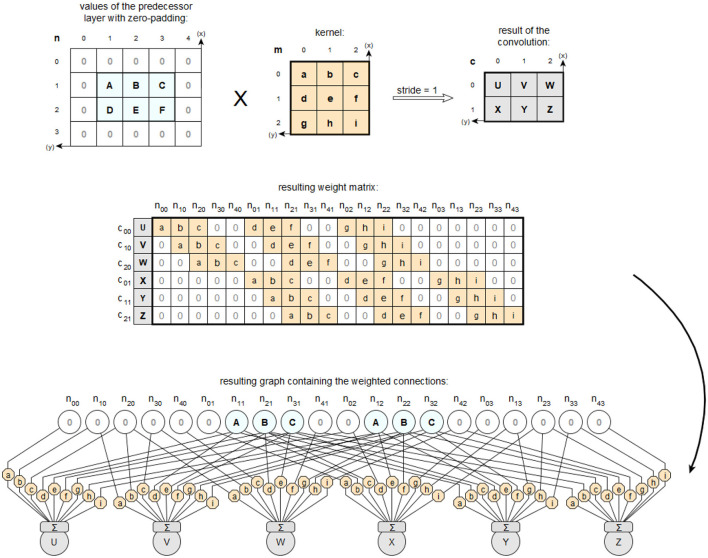 Figure 13
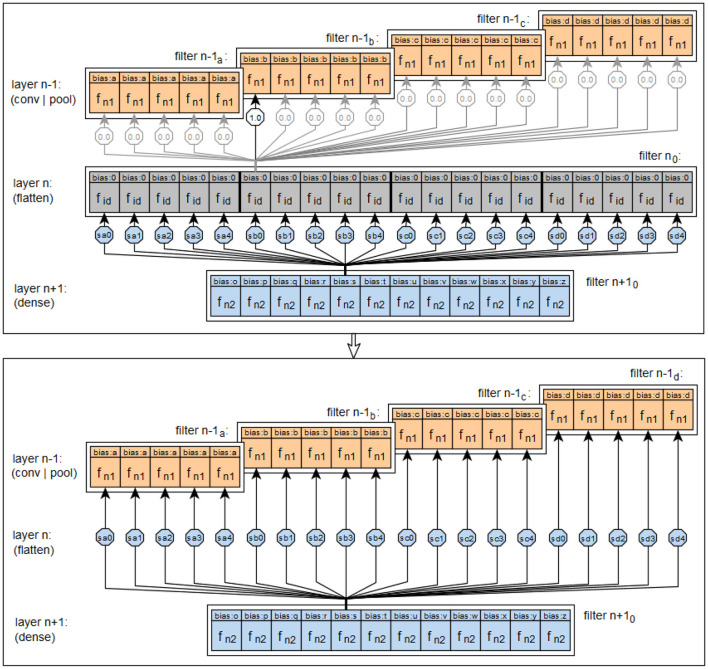 Figure 14
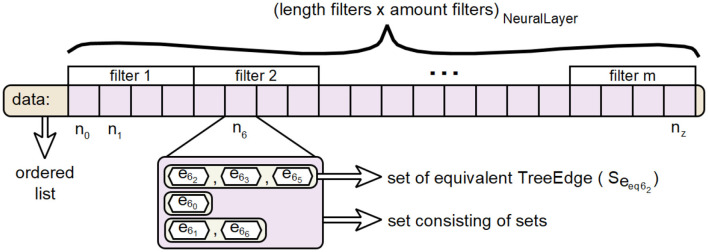 Figure 15
Peer Reviews
No public reviews on file for this paper yet. If you reviewed it on a platform where reviews are public (OpenReview, ICLR, NeurIPS, ICML), you can paste yours below so the community can read it here.
Videos
No videos yet. Explain this paper in a talk, walkthrough, or lecture? Add one.
Taxonomy
TopicsExplainable Artificial Intelligence (XAI) · Adversarial Robustness in Machine Learning · Machine Learning in Materials Science