Neural Processing of Noise‐Vocoded Speech Under Divided Attention: An fMRI‐Machine Learning Study
Han Wang, Rongru Chen, Josef Schlittenlacher, Carolyn McGettigan, Stuart Rosen, Patti Adank

TL;DR
This study explores how the brain processes degraded speech when attention is split, using fMRI and machine learning to identify key brain regions involved.
Contribution
The study introduces a novel combination of fMRI and machine learning to investigate neural mechanisms of degraded speech perception under divided attention.
Findings
Intelligibility-related brain responses were observed in frontal and cingulate cortices and bilateral insulae under divided attention.
Machine learning identified modality-general and specific responses in frontotemporal regions linked to attentional control and performance monitoring.
A bilateral operculo-frontal network was found to support degraded speech processing during concurrent tasks.
Abstract
In real‐life interaction, we often need to communicate under challenging conditions, such as when speech is acoustically degraded. This issue is compounded by the fact that our attentional resources are often divided when we simultaneously need to engage in other tasks. The interaction between the perception of degraded speech and simultaneously performing additional cognitive tasks is poorly understood. Here, we combined a dual‐task paradigm with functional magnetic resonance imaging (fMRI) and machine learning to establish the neural network supporting degraded speech perception under divided attention. We presented 25 human participants with noise‐vocoded sentences while they engaged in a concurrent visuomotor recognition task, employing a factorial design that manipulated both speech degradation and task difficulty. Participants listened to eight‐band (easier) and four‐band (more…
Genes, proteins, chemicals, diseases, species, mutations and cell lines named across the full text — each resolved to its canonical identifier and authoritative record.
Click any figure to enlarge with its caption.
 Figure 1
 Figure 2
 Figure 3
 Figure 4
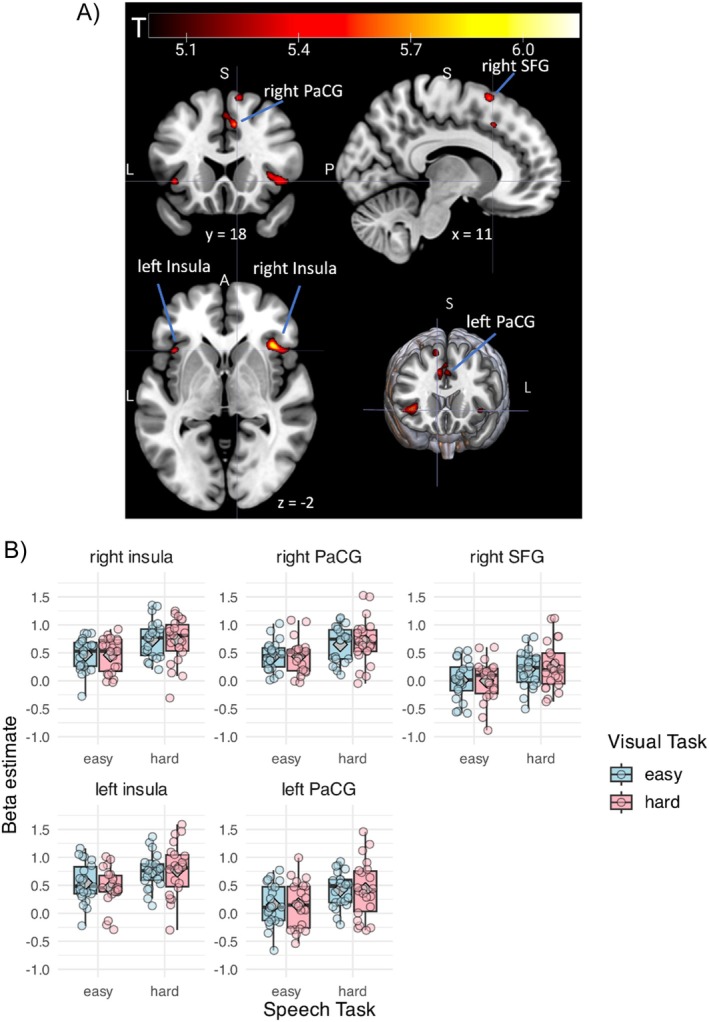 Figure 5
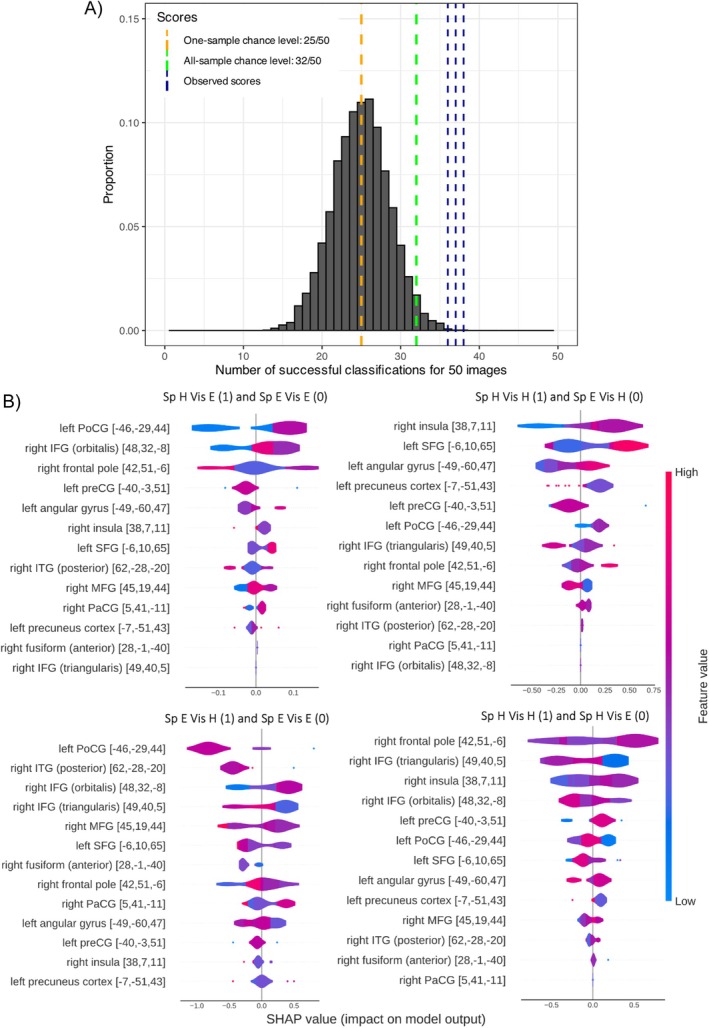 Figure 6
 Figure 7
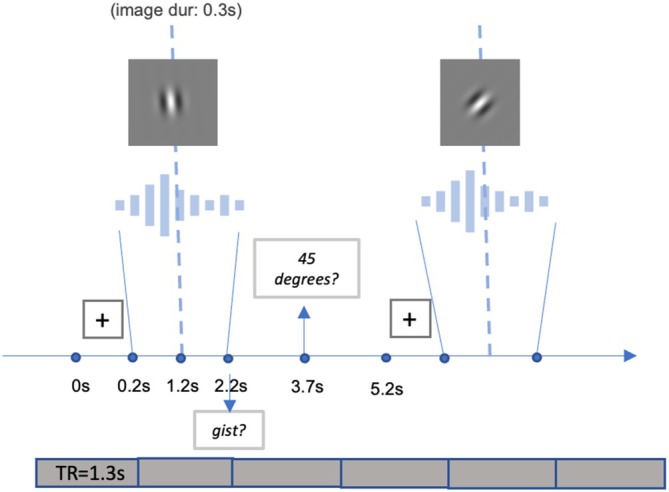 Figure 8
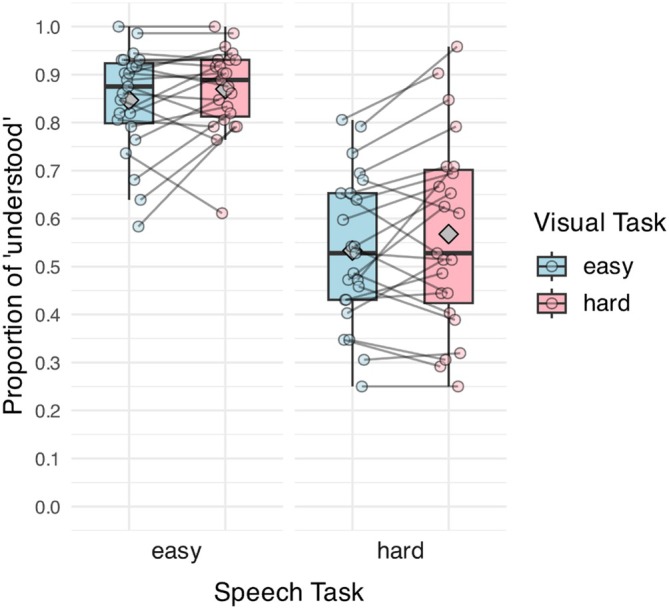 Figure 9
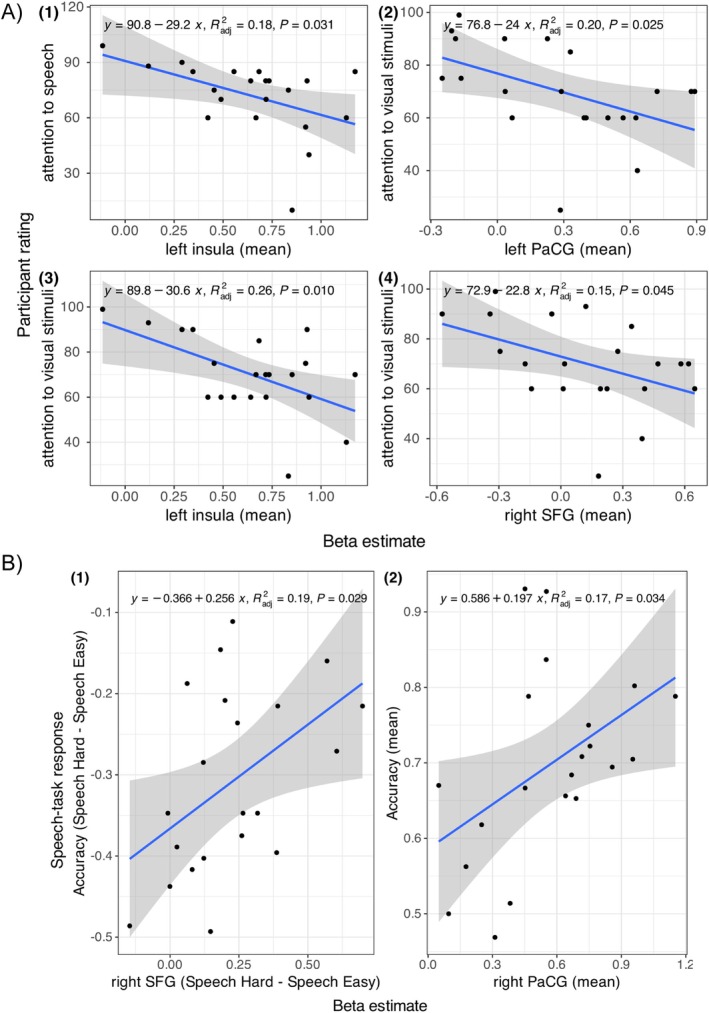 Figure 10
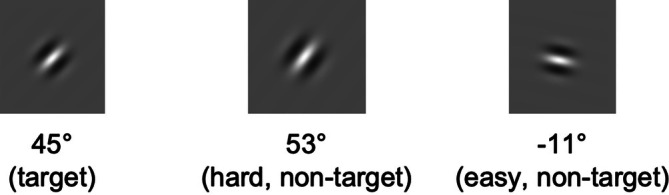 Figure 11
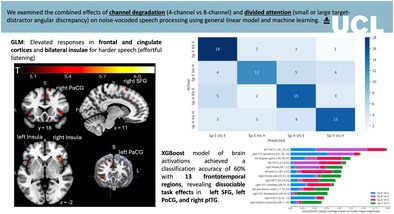 Figure 12
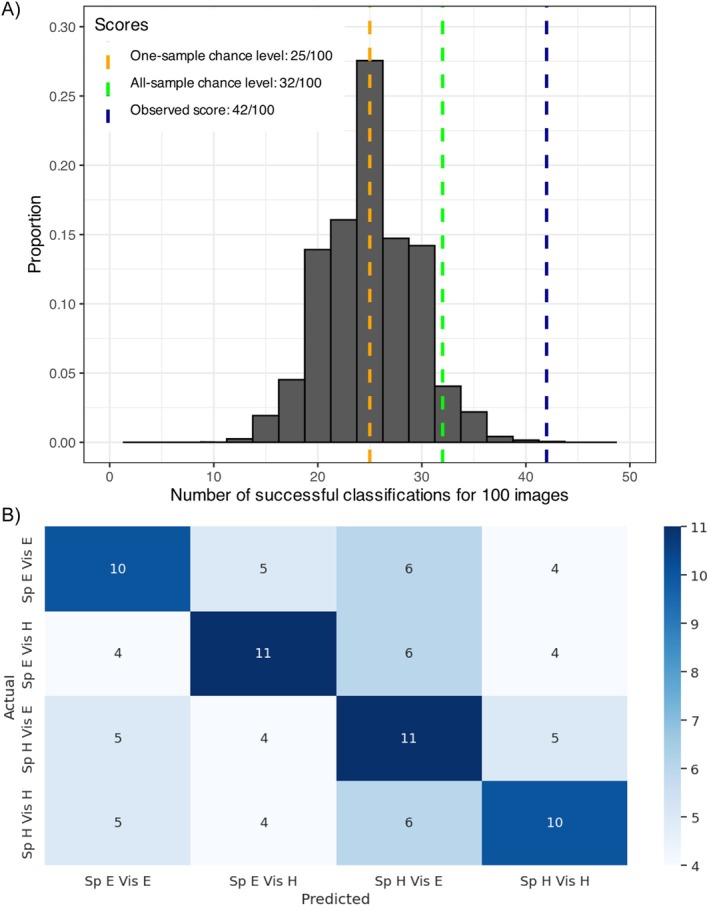 Figure 13
Peer Reviews
No public reviews on file for this paper yet. If you reviewed it on a platform where reviews are public (OpenReview, ICLR, NeurIPS, ICML), you can paste yours below so the community can read it here.
Videos
No videos yet. Explain this paper in a talk, walkthrough, or lecture? Add one.
Taxonomy
TopicsHearing Loss and Rehabilitation · Speech and Audio Processing · Neuroscience and Music Perception