Conditional deletion of TRPC1 channel modulates synaptic plasticity, long term depression, and memory extinction in Fragile X syndrome mice
Farah Issa, Xavier Yerna, Thibaud Parpaite, Caren Jabbour, Olivier Schakman, Nicolas Tajeddine, Roberta Gualdani, Philippe Gailly

TL;DR
Deleting the TRPC1 channel in mice with Fragile X syndrome reduces abnormal brain activity and improves memory and social behavior.
Contribution
Conditional deletion of TRPC1 in FXS mice reveals its role in modulating mGluR5 signaling and memory extinction.
Findings
TRPC1 deletion normalizes mGluR5-evoked currents in FXS neurons.
Deleting Trpc1 inhibits mGluR5-induced long-term depression and improves memory extinction.
TRPC1 mediates mGluR5 signaling through eEF2K- and ERK1/2-dependent pathways.
Abstract
Group I metabotropic glutamate receptors (mGluRs), particularly mGluR5, regulate synaptic plasticity via long-term depression (mGluR-LTD), a process implicated in declarative memory. We previously identified TRPC1, a highly expressed hippocampal ion channel, as a key mGluR5 effector. Using a Cre-tamoxifen system, we acutely deleted Trpc1 in a Fragile X syndrome (FXS) mouse model, characterized by mGluR5 hyperactivity, enhanced mGluR-LTD, and social deficits. In FXS neurons, mGluR5-evoked currents were elevated and normalized by Trpc1 deletion. This deletion also improved social behavior and reduced anxiety. Notably, it abolished mGluR-LTD and normalized memory extinction, as shown in behavioral assays. Mechanistically, mGluR5 activation induced ARC protein expression via eEF2K- and ERK1/2-dependent pathways, modulating Arc translation and transcription. These findings highlight TRPC1 as…
Genes, proteins, chemicals, diseases, species, mutations and cell lines named across the full text — each resolved to its canonical identifier and authoritative record.
Click any figure to enlarge with its caption.
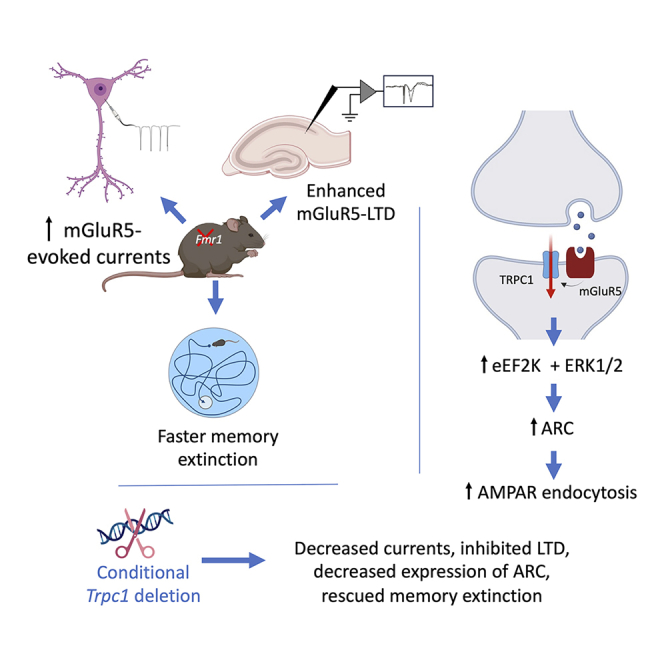 Figure 1
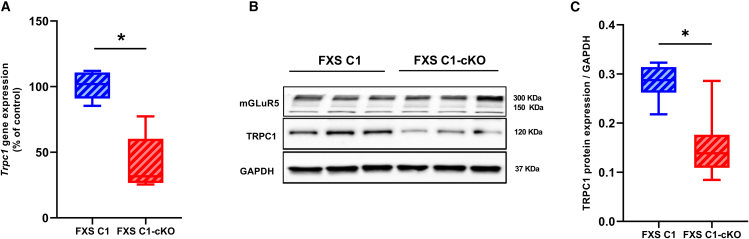 Figure 2
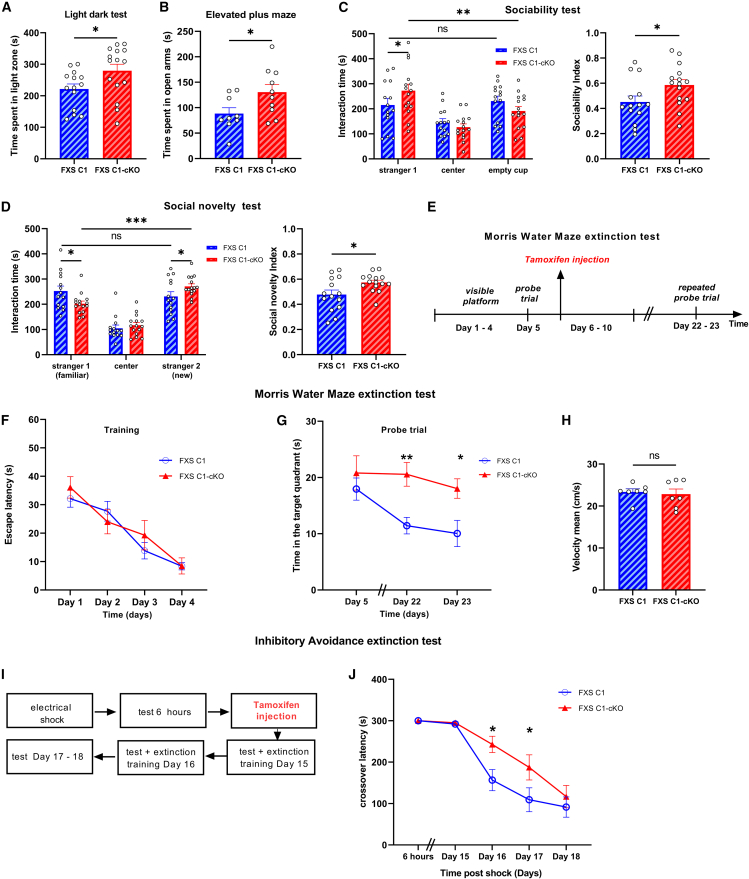 Figure 3
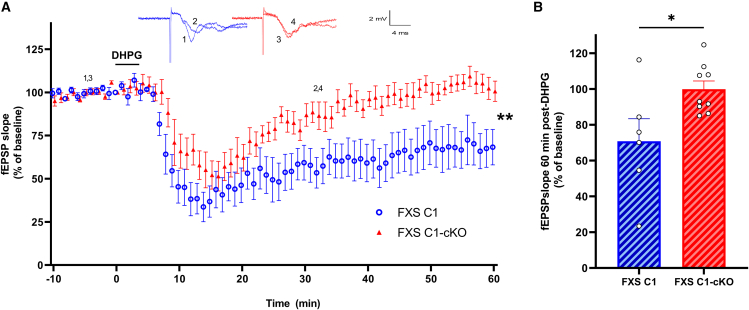 Figure 4
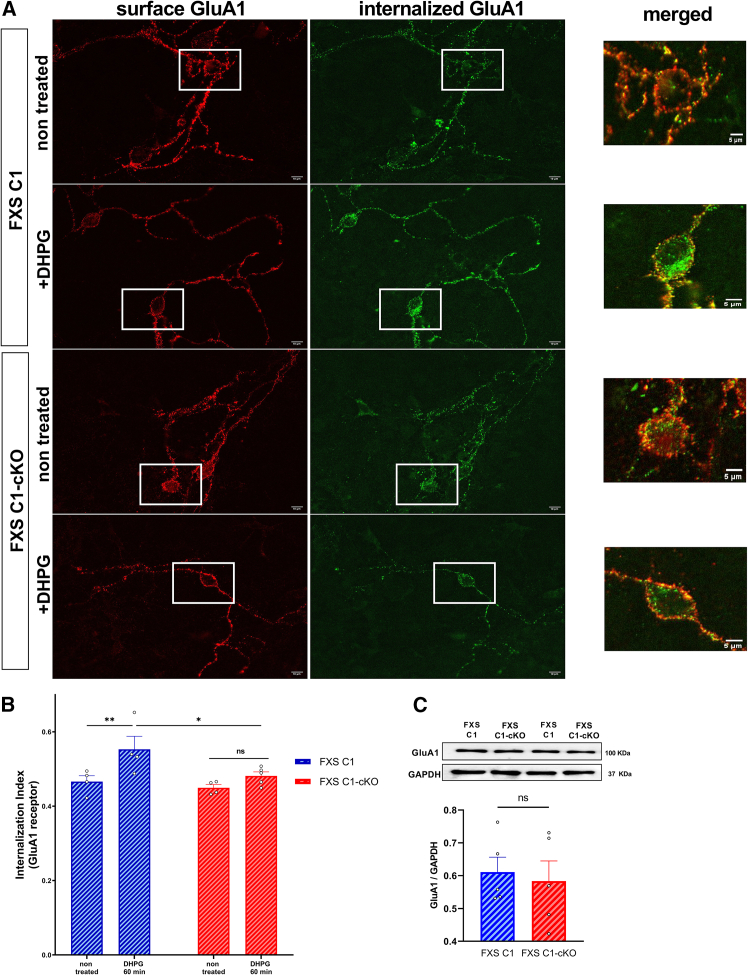 Figure 5
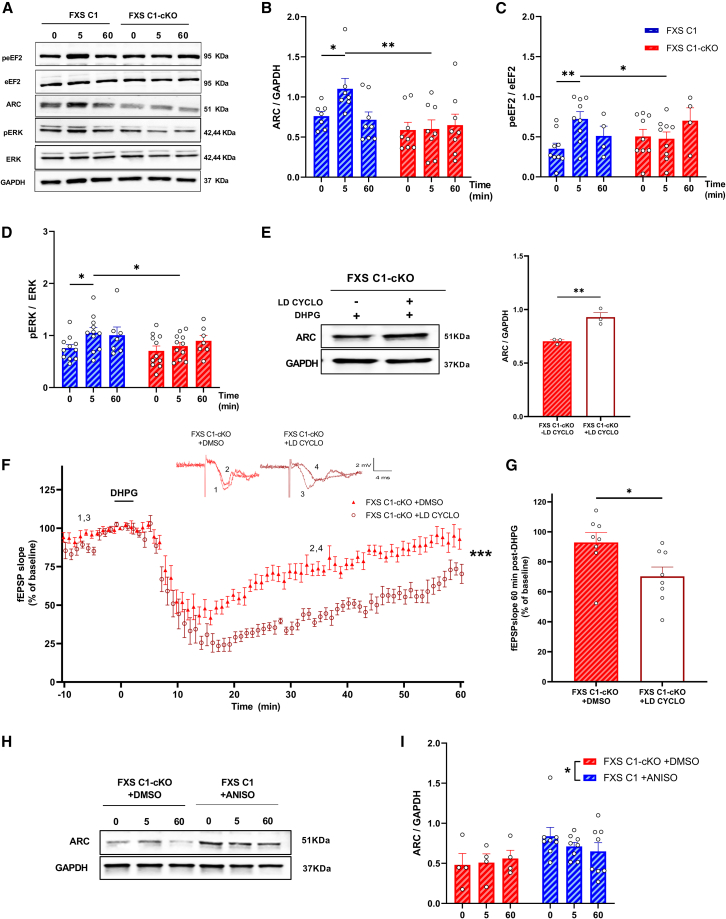 Figure 6
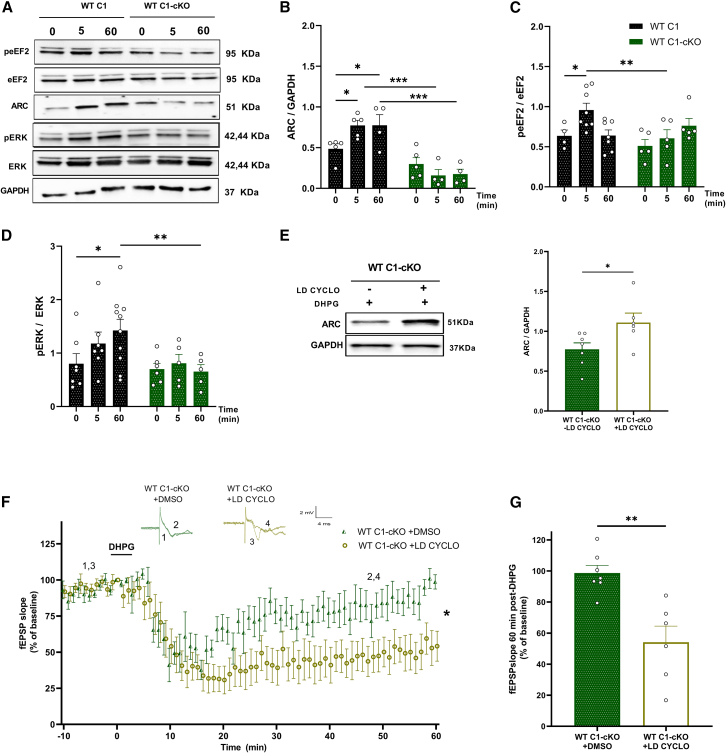 Figure 7
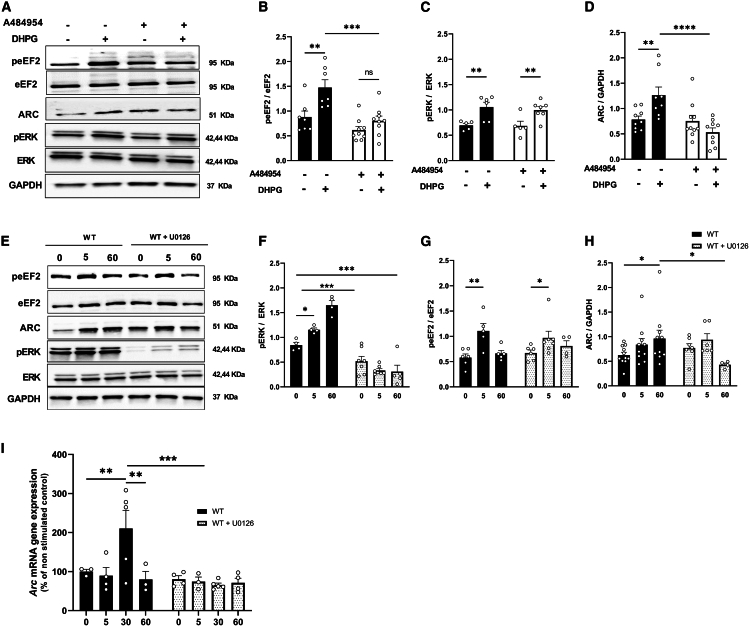 Figure 8
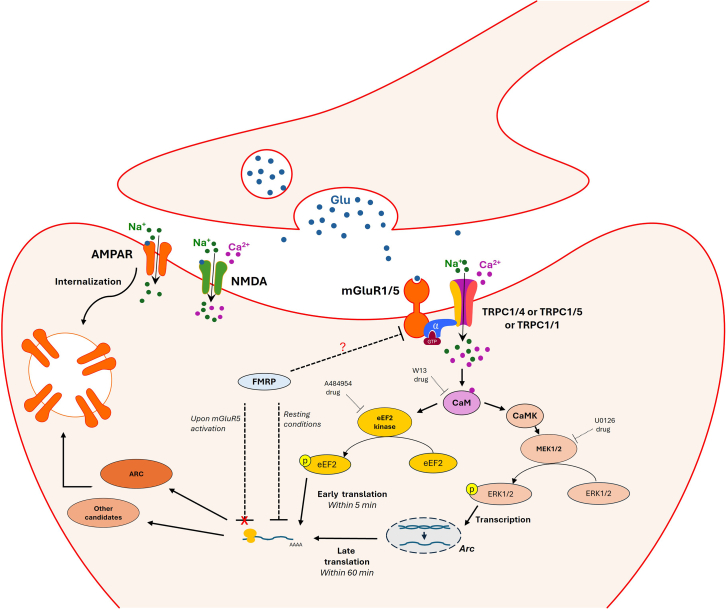 Figure 9
Peer Reviews
No public reviews on file for this paper yet. If you reviewed it on a platform where reviews are public (OpenReview, ICLR, NeurIPS, ICML), you can paste yours below so the community can read it here.
Videos
No videos yet. Explain this paper in a talk, walkthrough, or lecture? Add one.
Taxonomy
TopicsGenetics and Neurodevelopmental Disorders