Takotsubo cardiomyopathy due to a pheochromocytoma: a case report
Fatima Toulali, Afrah El Kaissi, Nada Ait Kassi, Hiba Kouira, Kaoutar Rifai, Hinde Iraqi, Mohammed El Hassan Gharbi

TL;DR
A rare case of takotsubo cardiomyopathy linked to a pheochromocytoma is reported, showing atypical heart muscle movement and successful recovery after tumor removal.
Contribution
Highlights an atypical case linking takotsubo cardiomyopathy with pheochromocytoma, emphasizing the importance of considering this rare association.
Findings
The patient showed hypokinesia in the apical and mid-segments of the inferior left ventricle.
Pheochromocytoma was identified as the underlying cause of takotsubo cardiomyopathy.
Symptoms resolved after tumor resection, indicating reversibility.
Abstract
Takotsubo cardiomyopathy is typically triggered by severe adrenergic surges secondary to various stress factors. In rare cases, excessive catecholamine secretion due to a pheochromocytoma may be the cause. It is typically manifested by dyskinesia of the apex of the left ventricle. In this case report, we describe an atypical case of takotsubo cardiomyopathy, characterized by hypokinesia of the apical and mid-segments of the inferior wall of the left ventricle, which led to the discovery of an underlying pheochromocytoma. Although this association is rare, it is crucial to consider it, especially in atypical forms, as once the tumor is resected, the phenomenon becomes reversible.
Genes, proteins, chemicals, diseases, species, mutations and cell lines named across the full text — each resolved to its canonical identifier and authoritative record.
Click any figure to enlarge with its caption.
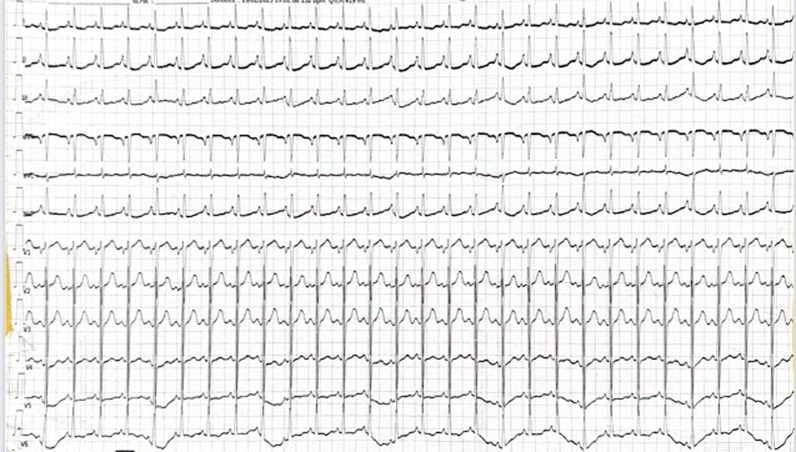 Figure 1
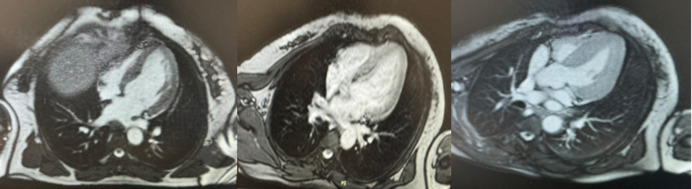 Figure 2
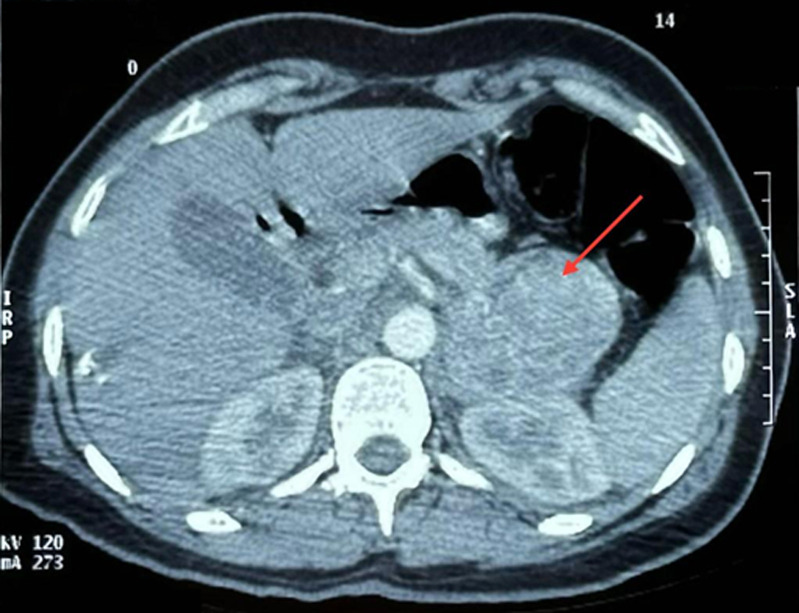 Figure 3
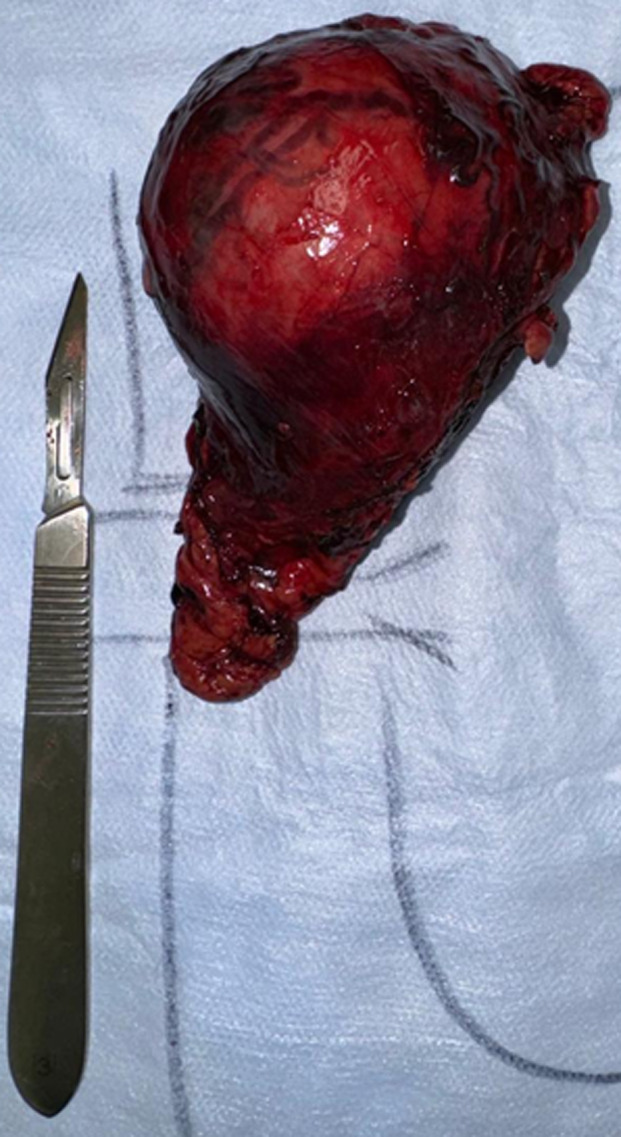 Figure 4
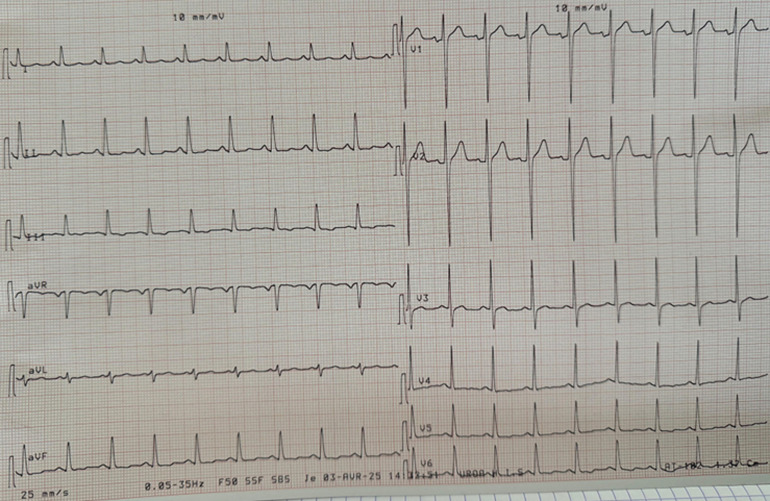 Figure 5
Peer Reviews
No public reviews on file for this paper yet. If you reviewed it on a platform where reviews are public (OpenReview, ICLR, NeurIPS, ICML), you can paste yours below so the community can read it here.
Videos
No videos yet. Explain this paper in a talk, walkthrough, or lecture? Add one.
Taxonomy
TopicsAdrenal and Paraganglionic Tumors · Mitochondrial Function and Pathology · Takotsubo Cardiomyopathy and Associated Phenomena