Aversively conditioned context enhances visual size illusion via stimulus-specific neural networks
Jialin Zhu, Yi Yang, Lihong Chen, Wenbo Luo

TL;DR
This study shows that aversive conditioning can change how we perceive visual illusions, with different types of aversive stimuli affecting brain networks differently.
Contribution
The paper reveals stimulus-specific neural pathways linking aversive conditioning to enhanced visual perception.
Findings
Shock conditioning strengthens occipital-to-parietal connectivity.
Noise conditioning enhances prefrontal-to-parietal connectivity.
Noise relative to shock conditioning weakens amygdala-prefrontal connectivity.
Abstract
Emotion-perception interaction is a fundamental question in cognitive neuroscience, yet the underlying neural mechanisms remain poorly understood. Here, we probed this issue by combining fear conditioning paradigm with the classic Ebbinghaus illusion. We associated the surrounding context of the Ebbinghaus illusion with aversive stimuli (electric shock or intense noise) and measured behavioral and neural responses. Behaviorally, aversively conditioned contexts enhanced the perceived size illusion effect, with shock producing a stronger conditioning effect than noise. Neuroimaging revealed distinct neural pathways mediating these effects: shock conditioning strengthened occipital-to-parietal connectivity, while noise conditioning enhanced prefrontal-to-parietal connectivity. Moreover, noise relative to shock conditioning elicited greater activation in both the lateral amygdala (LA) and…
Genes, proteins, chemicals, diseases, species, mutations and cell lines named across the full text — each resolved to its canonical identifier and authoritative record.
Click any figure to enlarge with its caption.
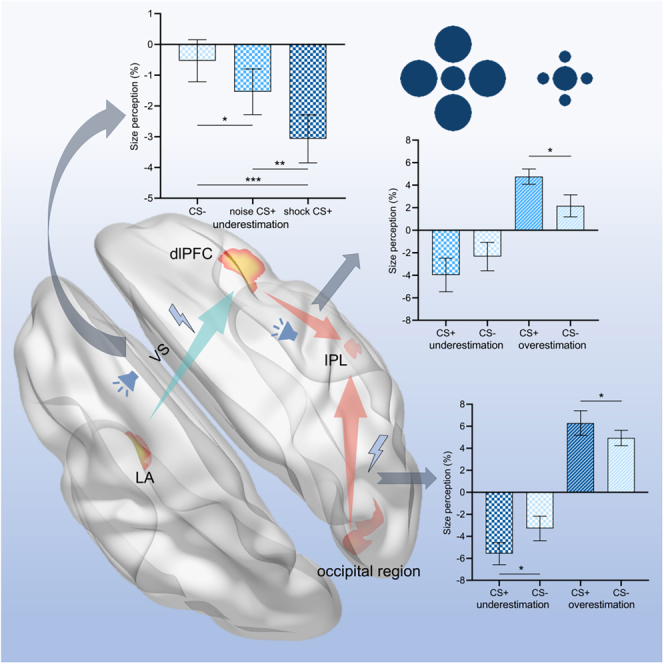 Figure 1
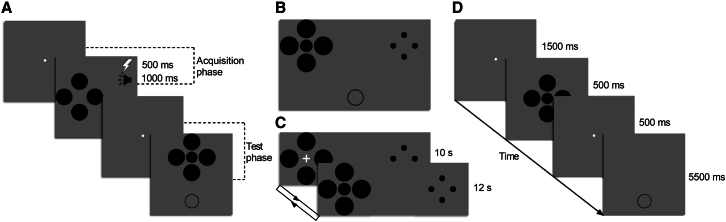 Figure 2
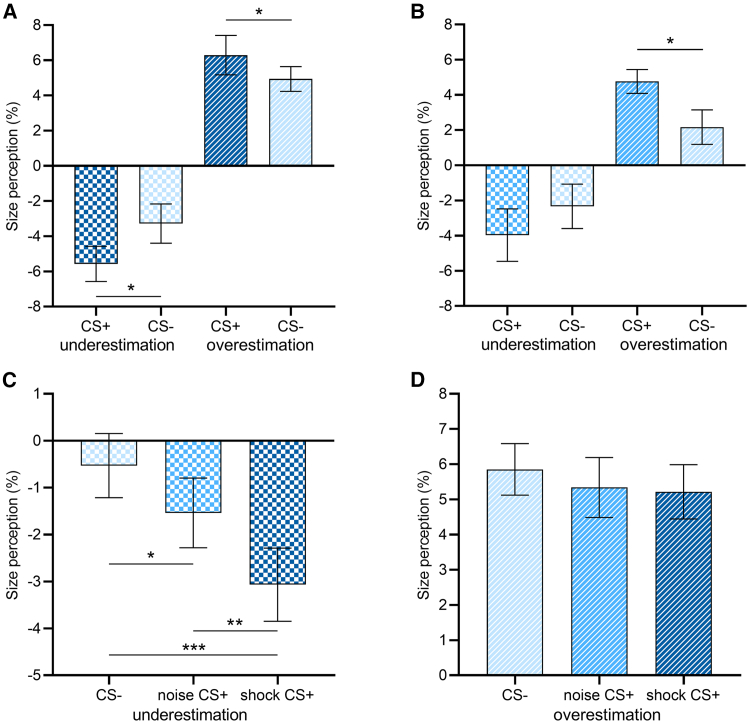 Figure 3
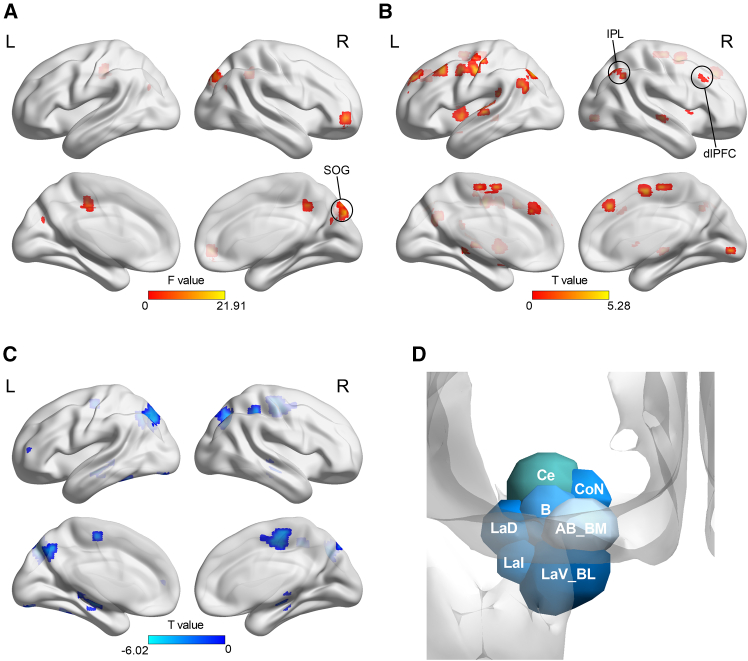 Figure 4
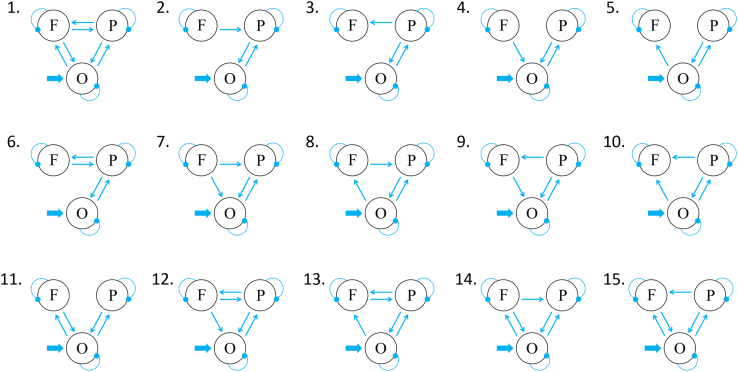 Figure 5
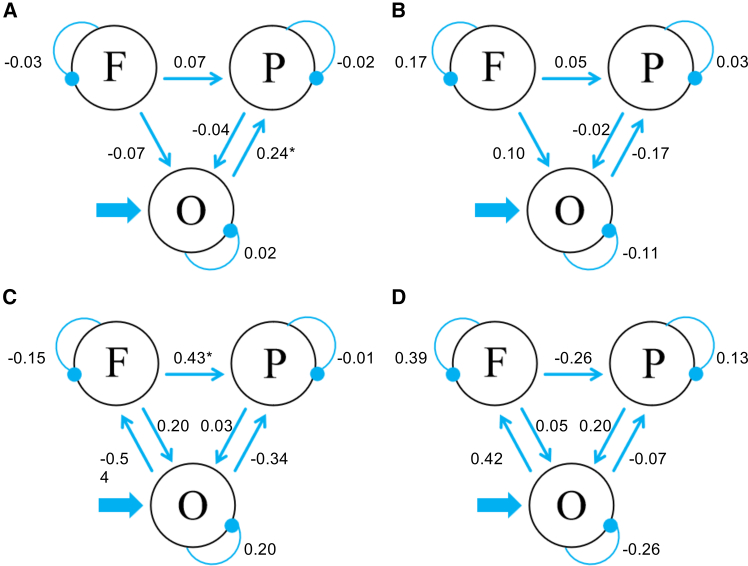 Figure 6
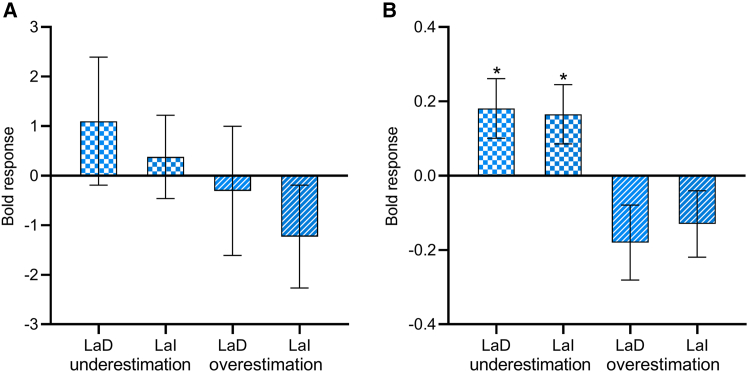 Figure 7
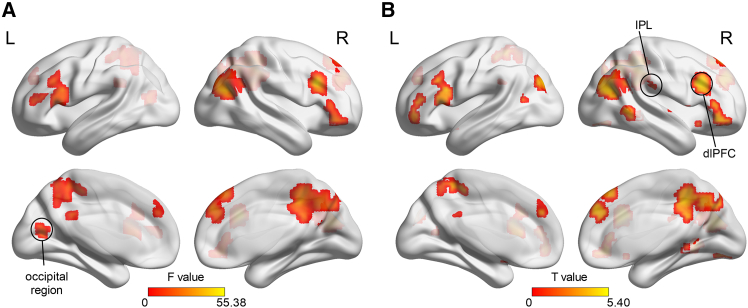 Figure 8
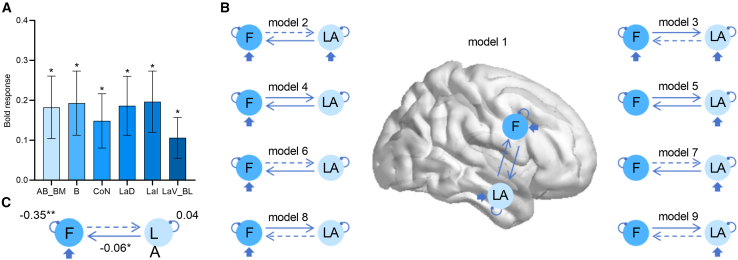 Figure 9
Peer Reviews
No public reviews on file for this paper yet. If you reviewed it on a platform where reviews are public (OpenReview, ICLR, NeurIPS, ICML), you can paste yours below so the community can read it here.
Videos
No videos yet. Explain this paper in a talk, walkthrough, or lecture? Add one.
Taxonomy
TopicsVisual perception and processing mechanisms