Beyond vertebrates: Drosophila melanogaster as a model to study negative symptoms of schizophrenia
Maximiliano Elgueta-Reyes, Sergio Hidalgo, Jorge M. Campusano

TL;DR
This paper explores using fruit flies to study negative symptoms of schizophrenia, like social withdrawal and apathy, by examining genetic and behavioral models.
Contribution
The paper introduces Drosophila melanogaster as a novel model for studying schizophrenia's negative symptoms through conserved neurochemical pathways and genetic tools.
Findings
Mutations in genes like dysb1, Rim, and Neuroligins in Drosophila are linked to behaviors resembling schizophrenia's negative symptoms.
Behavioral paradigms in fruit flies are being developed to assess social interaction and motivation deficits.
Drosophila enables precise investigation of neural circuits and molecular pathways related to schizophrenia.
Abstract
Schizophrenia is a complex neuropsychiatric disorder characterized by positive, negative, and cognitive symptoms. While positive symptoms have been extensively studied, negative symptoms—such as anhedonia, social withdrawal, and apathy—remain challenging to model and treat. Vertebrate animal models for schizophrenia have provided insights into some of the underlying mechanisms associated with this disorder. Recently, Drosophila melanogaster has emerged as a valuable model due to its genetic tractability, conserved neurochemical pathways as compared to vertebrates, and suitability for high-throughput behavioral analyses. Mutations in genes such as dysb1, Rim, and Neuroligins have been linked to behaviors in flies resembling negative symptoms of schizophrenia, supporting the relevance of this animal model in psychiatric research. Moreover, behavioral paradigms aimed at assessing social…
Genes, proteins, chemicals, diseases, species, mutations and cell lines named across the full text — each resolved to its canonical identifier and authoritative record.
Click any figure to enlarge with its caption.
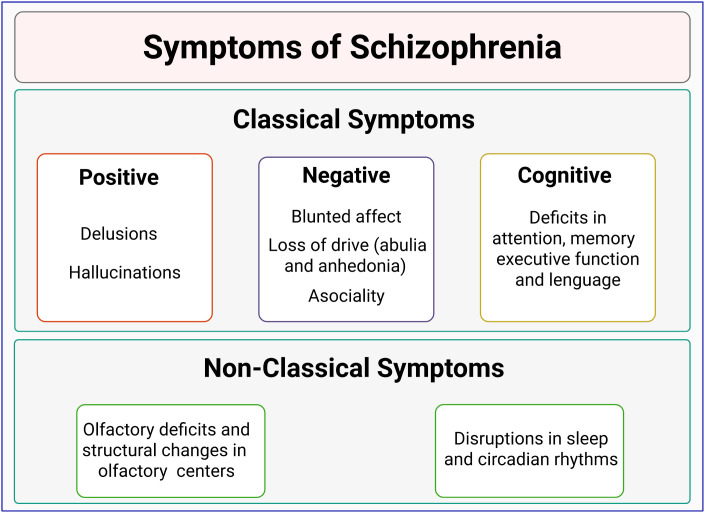 Figure 1
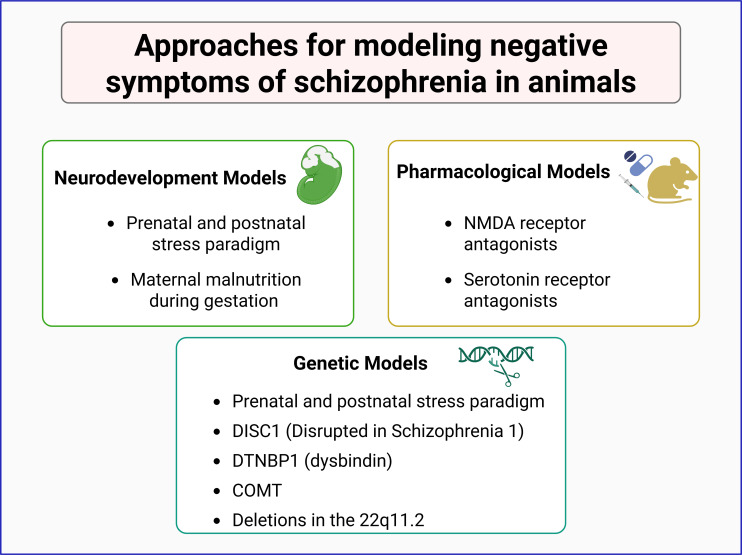 Figure 2
Peer Reviews
No public reviews on file for this paper yet. If you reviewed it on a platform where reviews are public (OpenReview, ICLR, NeurIPS, ICML), you can paste yours below so the community can read it here.
Videos
No videos yet. Explain this paper in a talk, walkthrough, or lecture? Add one.
Taxonomy
TopicsNeurobiology and Insect Physiology Research · Genetics, Aging, and Longevity in Model Organisms · Phosphodiesterase function and regulation