Dexmedetomidine reduces in-hospital mortality in aneurysmal subarachnoid hemorrhage patients by modulating three key genes and inflammatory pathways: insights from clinical and bioinformatics analyses
Zhi-ang Li, Hong-cai Wang, Xue-wei Zhang, Li-hong Hu

TL;DR
Dexmedetomidine may reduce in-hospital deaths in aneurysmal subarachnoid hemorrhage patients by affecting three genes and immune pathways.
Contribution
This study identifies three key genes and inflammatory pathways modulated by dexmedetomidine in aSAH patients.
Findings
Dexmedetomidine is significantly associated with reduced in-hospital mortality in aSAH patients.
Three hub genes (MyD88, AR, AREG) are linked to aSAH and show potential for diagnosis.
AR is a direct target of dexmedetomidine with strong binding energy.
Abstract
Aneurysmal subarachnoid hemorrhage (aSAH) is a cerebrovascular disease with high mortality. Dexmedetomidine has a neuroprotective effect. This study aimed to explore the clinical and molecular association between dexmedetomidine and in-hospital mortality of aSAH. Patients with aSAH in the MIMIC-IV database were included and divided into non-in-hospital mortality and in-hospital mortality groups. Two machine learning algorithms random forest (RF) and XGBoost ranked treatment variables, and overlapping variables between these two algorithms were selected to evaluate their prognosis value for aSAH. Bioinformatics approaches, including DEG analysis, pathway enrichment, immune infiltration, and GSEA, explored potential mechanisms. Molecular docking assessed interactions between dexmedetomidine and identified hub genes. A total of 505 individuals with aSAH were included in this study, with…
Genes, proteins, chemicals, diseases, species, mutations and cell lines named across the full text — each resolved to its canonical identifier and authoritative record.
Click any figure to enlarge with its caption.
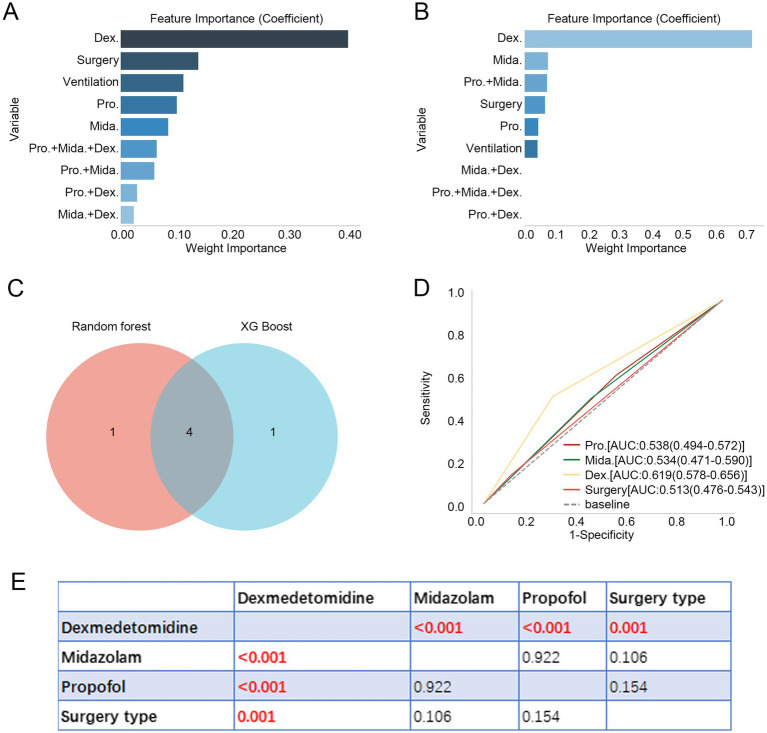 Figure 1
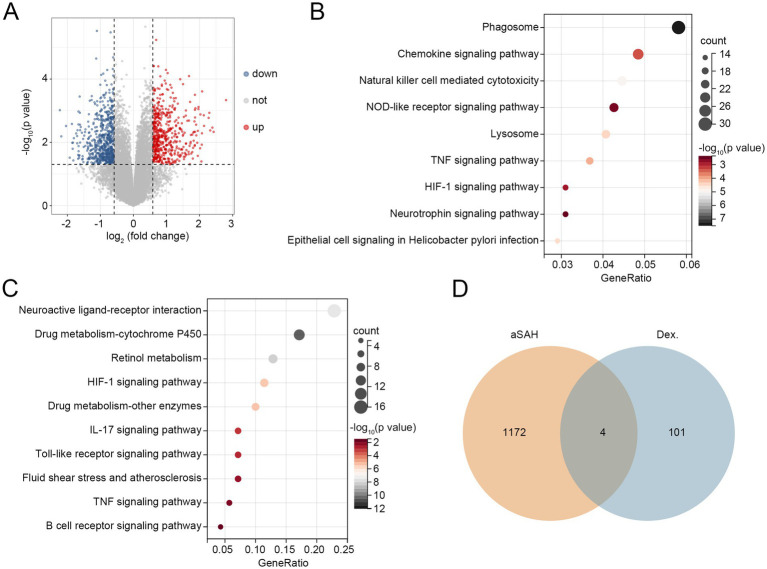 Figure 2
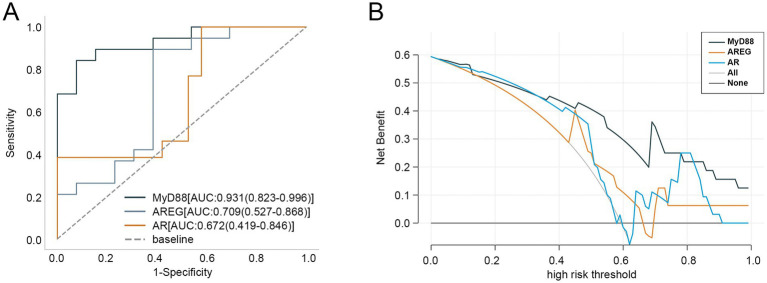 Figure 3
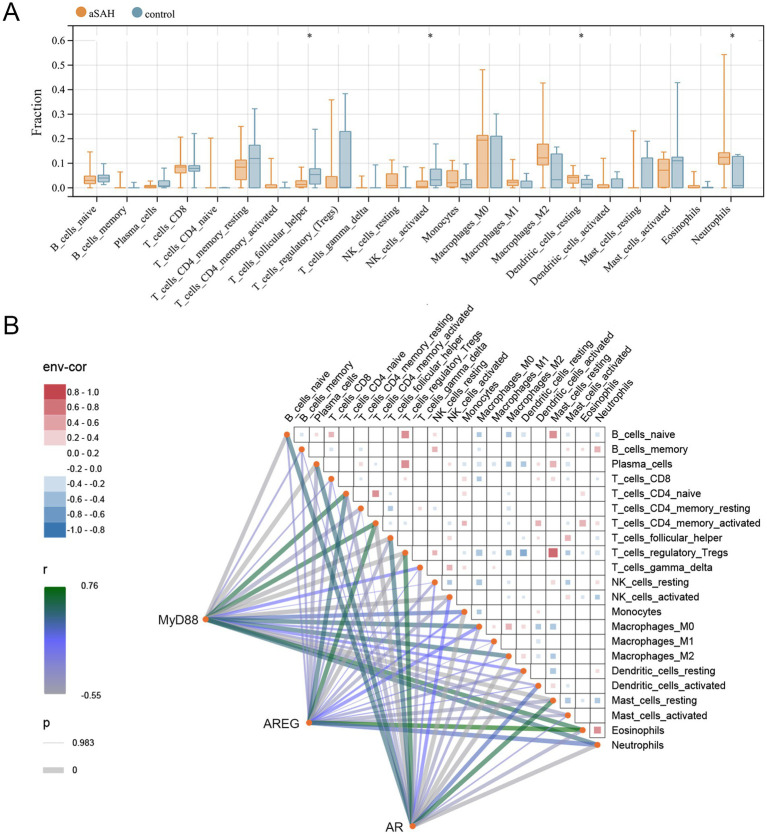 Figure 4
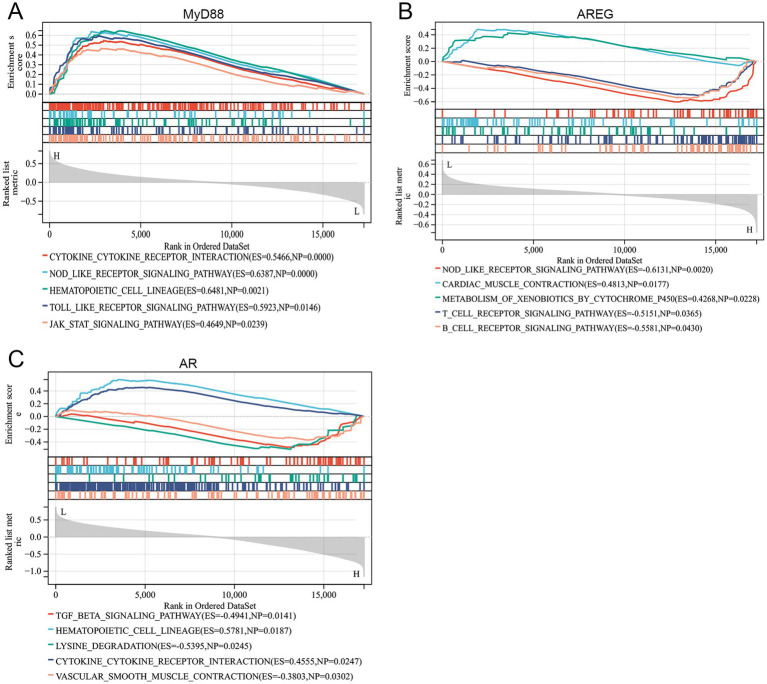 Figure 5
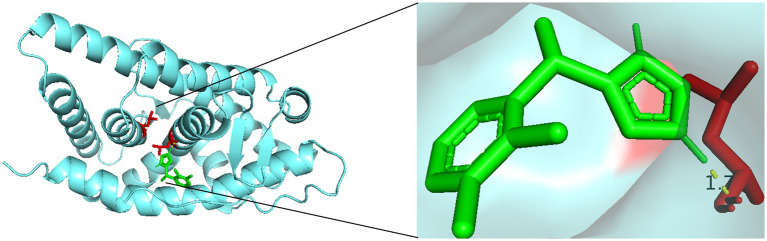 Figure 6
Peer Reviews
No public reviews on file for this paper yet. If you reviewed it on a platform where reviews are public (OpenReview, ICLR, NeurIPS, ICML), you can paste yours below so the community can read it here.
Videos
No videos yet. Explain this paper in a talk, walkthrough, or lecture? Add one.
Taxonomy
TopicsIntracranial Aneurysms: Treatment and Complications · Aortic aneurysm repair treatments · Traumatic Brain Injury and Neurovascular Disturbances