Sipeimine reduces ethanol-induced gastric ulcer in mice by suppressing Jak-Stat activation and restoring gut microbiota balance
Xia Yang, Yue Li, Bing Bai, Qinlei Fan, Fei Liu, Shimin Xie, Yaru Li, Xiao Li, Jicheng Han, Yiquan Li, Guangze Zhu, Yilong Zhu, Ningyi Jin

TL;DR
Sipeimine, a compound from a traditional Chinese medicine, helps reduce alcohol-induced stomach ulcers in mice by reducing inflammation and restoring gut bacteria balance.
Contribution
The study reveals a novel mechanism by which sipeimine protects against gastric ulcers through Jak-Stat suppression and microbiota modulation.
Findings
Sipeimine reduced ethanol-induced gastric tissue damage and inflammatory markers in mice.
Sipeimine suppressed Jak-Stat activation and modulated immune cell balance.
Sipeimine altered gut and gastric microbiota composition, promoting beneficial bacteria.
Abstract
Long-term excessive alcohol intake can directly injure the gastroduodenal mucosa, causing gastric erosions, gastric ulcers, and gastrorrhagia. Fritillaria ussuriensis Maxim is a famous traditional Chinese medicine and health food produced in China. Sipeimine is an alkaloidal component of Fritillaria ussuriensis Maxim. This research aimed to investigate the protective effects of sipeimine on ethanol-induced gastric ulcers in mice. The results displayed that sipeimine could alleviate gastric tissue damage and decrease the levels of SOD, MDA, IL-6, IFN-γ, TNF-α, and IL-1β. Sipeimine treatment also adjusted macrophage polarization and the balance of Th17/Treg cell by reducing the expression of Jak1/2, p-Jak1/2, Stat1/3, and p-Stat1/3. Moreover, sipeimine could increase the abundance of Lactobacillus_johnsonii and decrease the abundance of Bacteroides_vulgatus in the gut microbiota.…
Genes, proteins, chemicals, diseases, species, mutations and cell lines named across the full text — each resolved to its canonical identifier and authoritative record.
Click any figure to enlarge with its caption.
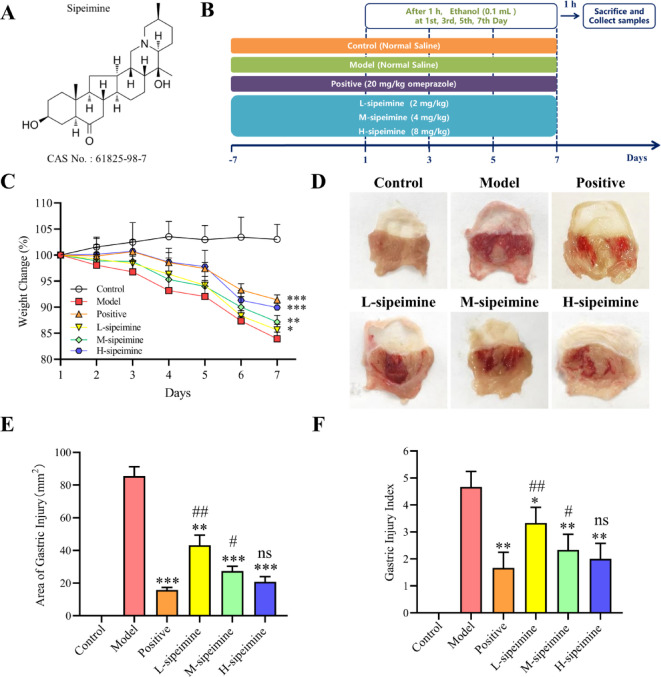 Figure 1
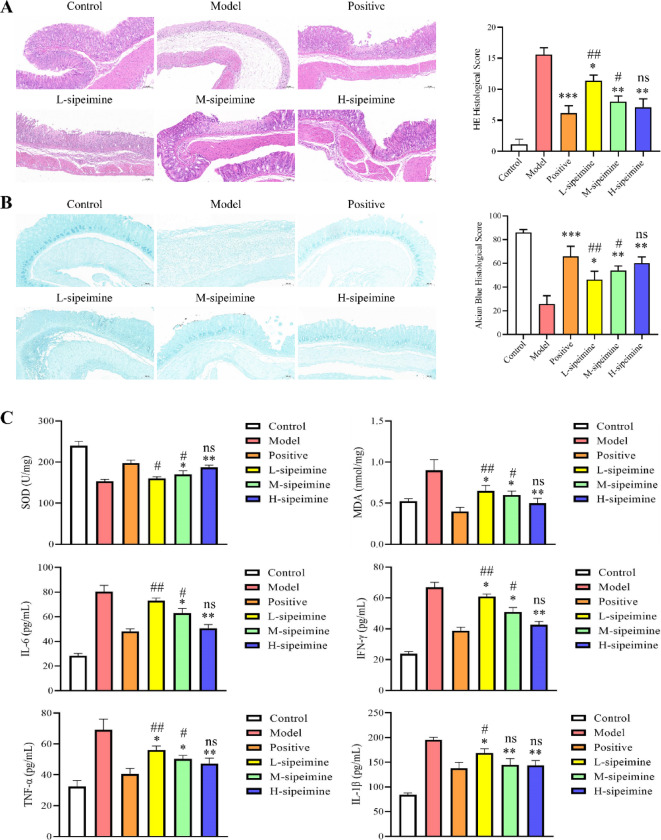 Figure 2
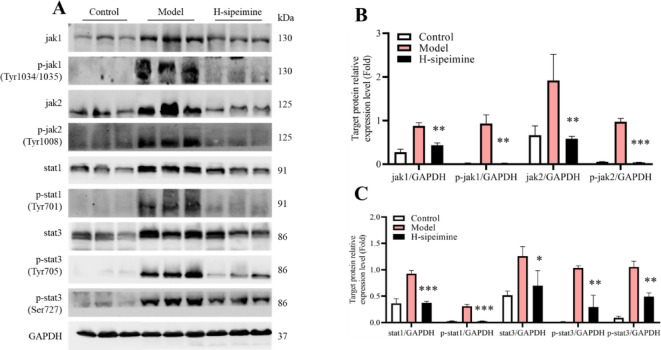 Figure 3
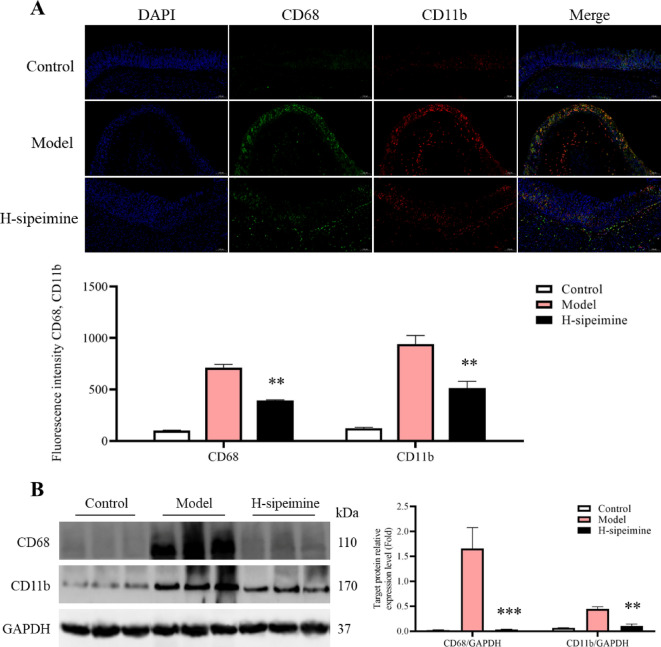 Figure 4
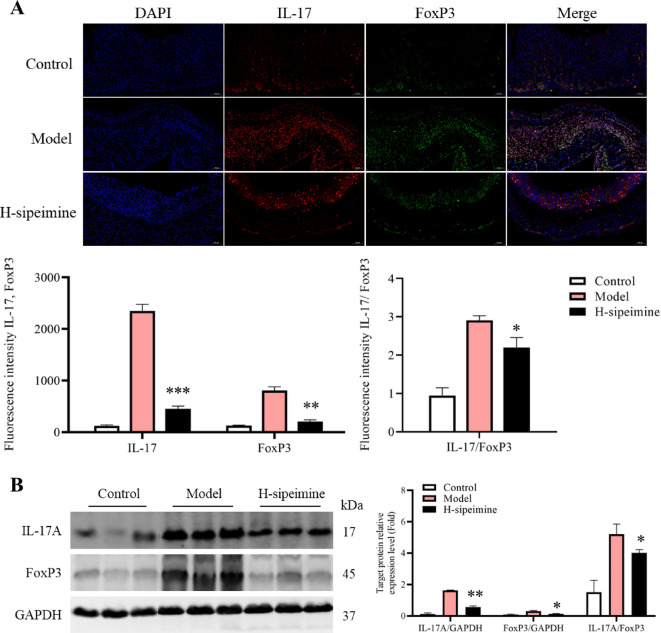 Figure 5
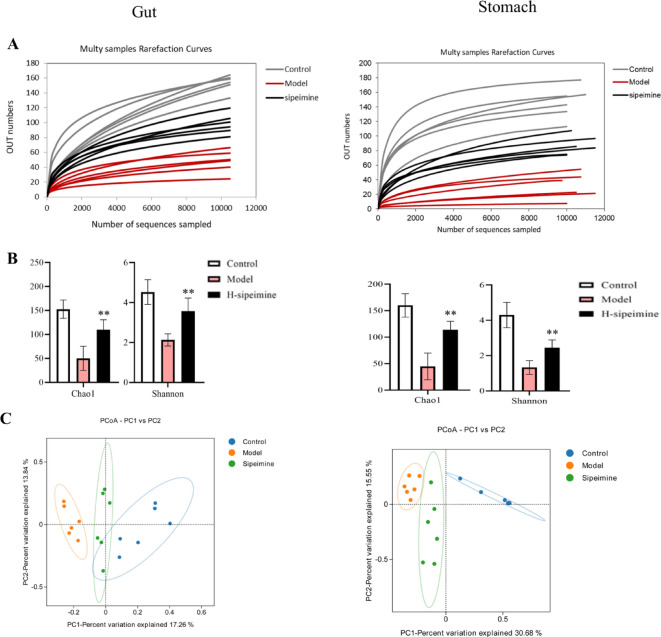 Figure 6
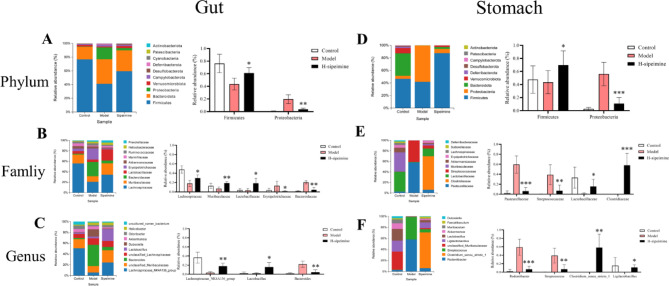 Figure 7
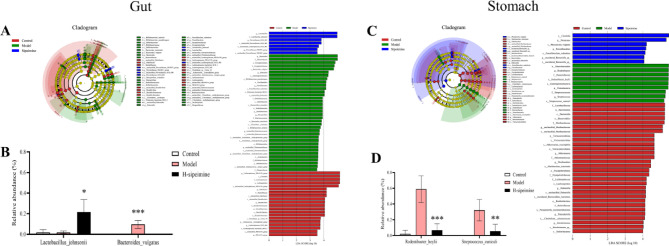 Figure 8
Peer Reviews
No public reviews on file for this paper yet. If you reviewed it on a platform where reviews are public (OpenReview, ICLR, NeurIPS, ICML), you can paste yours below so the community can read it here.
Videos
No videos yet. Explain this paper in a talk, walkthrough, or lecture? Add one.
Taxonomy
TopicsHelicobacter pylori-related gastroenterology studies · Gastrointestinal motility and disorders · Ginger and Zingiberaceae research