Sodium thiosulfate does not affect energy metabolism or organ (dys)function during resuscitation from murine trauma-and-hemorrhage
Maximilian Feth, Mirabel Gracco, Michael Gröger, Melanie Hogg, Sandra Kress, Andrea Hoffmann, Enrico Calzia, Ulrich Wachter, Peter Radermacher, Tamara Merz

TL;DR
Sodium thiosulfate does not improve metabolism or organ function during trauma resuscitation in mice and may worsen lung function.
Contribution
This study clarifies the lack of benefit of sodium thiosulfate in trauma resuscitation, contrasting with prior findings in genetically modified mice.
Findings
Sodium thiosulfate did not improve survival or metabolic pathways in resuscitated trauma-and-hemorrhage mice.
Treatment with sodium thiosulfate was associated with worsened pulmonary function and increased metabolic acidosis.
No organ-protective effects were observed, contradicting earlier results in CSE−/− mice.
Abstract
In murine models, controversial data have been reported on the effect of hydrogen sulfide (H2S) administration during resuscitation from trauma-and-hemorrhage. The H2S donor sodium thiosulfate (Na2S2O3) is a recognized drug devoid of major side effects, and, hence, we determined its effects in our full scale ICU-model of resuscitated murine trauma-and-hemorrhage. We hypothesized that Na2S2O3 might improve energy metabolism and thereby exert organ-protective effects as previously demonstrated in animals with genetic cystathionine-γ-lyase (CSE) deletion (CSE−/−). 30 mice underwent combined blast wave-induced blunt chest trauma followed by 1 h of hemorrhagic shock (mean arterial pressure MAP = 35 ± 5 mmHg). Thereafter, resuscitation was initiated comprising re-transfusion of shed blood, lung-protective mechanical ventilation, fluid resuscitation and continuous i.v. noradrenaline infusion…
Genes, proteins, chemicals, diseases, species, mutations and cell lines named across the full text — each resolved to its canonical identifier and authoritative record.
Click any figure to enlarge with its caption.
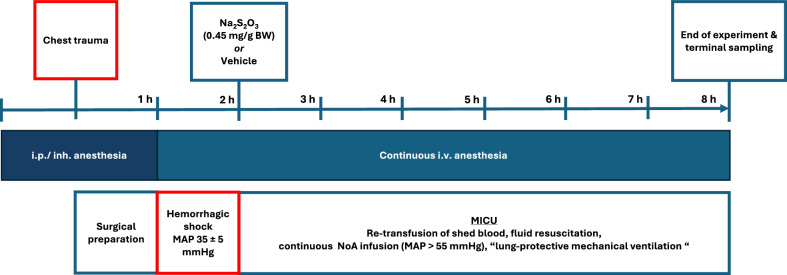 Figure 1
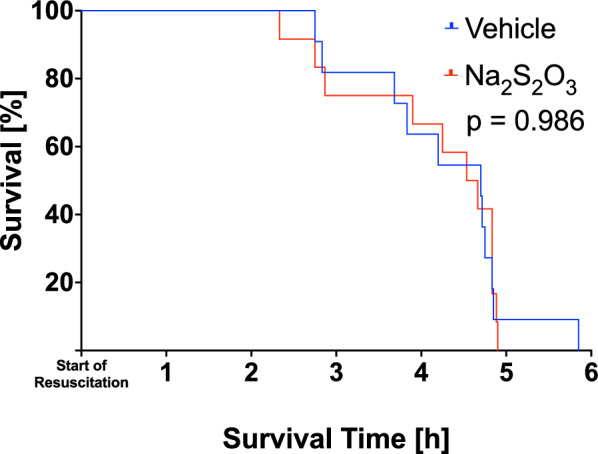 Figure 2
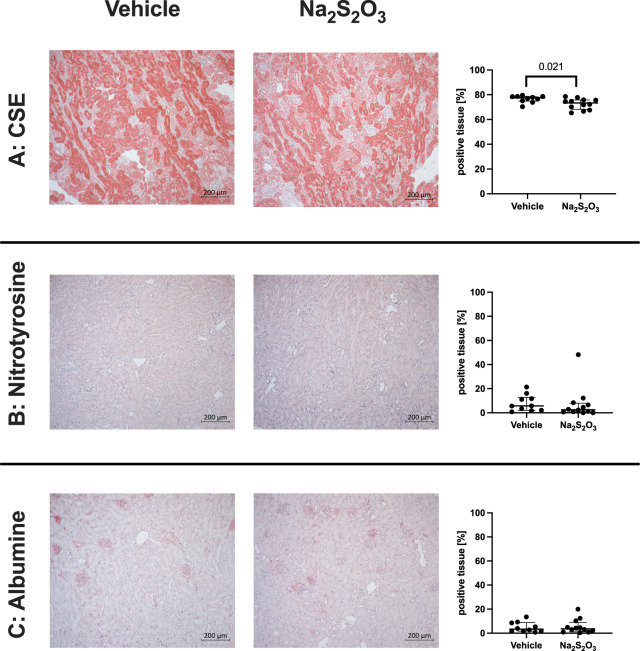 Figure 3
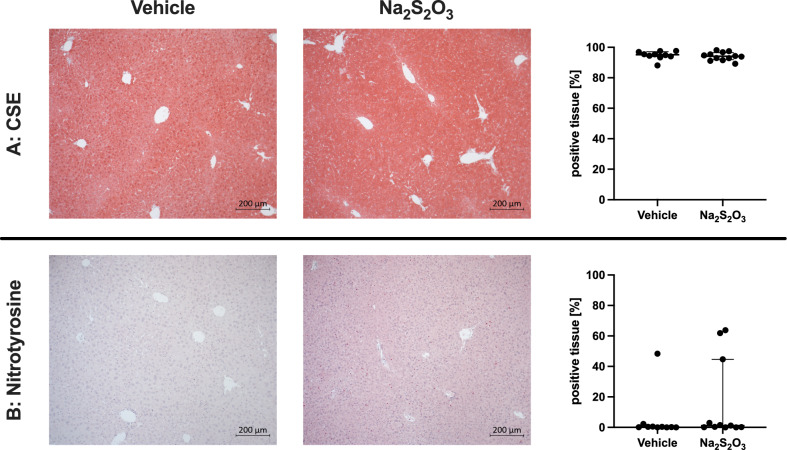 Figure 4
Peer Reviews
No public reviews on file for this paper yet. If you reviewed it on a platform where reviews are public (OpenReview, ICLR, NeurIPS, ICML), you can paste yours below so the community can read it here.
Videos
No videos yet. Explain this paper in a talk, walkthrough, or lecture? Add one.
Taxonomy
TopicsSulfur Compounds in Biology · Alcohol Consumption and Health Effects · Neuroscience of respiration and sleep