Phytoextract-mediated Cupper nanoparticles via Acacia saligna: synthesis, characterization and in vitro anticancer and apoptosis inducing effects
Fuad O. Abdullah

TL;DR
This study explores using Acacia saligna flower extract to create copper oxide nanoparticles that show strong anticancer effects in lab tests.
Contribution
A novel green synthesis method for CuO NPs using Acacia saligna extract with demonstrated anticancer activity.
Findings
CuO NPs synthesized had an average size of 8.488 nm and showed anticancer activity against MCF-7, PC3, HT-29, and U-87MG cell lines.
The CuO NPs were more effective than Cis-platin against HT-29 cells with an IC50 of 19.48 µg/mL.
The nanoparticles induced apoptosis in cancer cell lines.
Abstract
Copper oxide nanoparticles (CuO NPs) have been utilized in various applications over the past few decades. This investigates the anti-cancer and apoptosis-inducing effects of green synthesis of copper oxide nanoparticles mediated by using Acacia saligna flower extract. The flower extract was mixed with a solution of copper sulphate pentahydrate (CuSO4·5H2O) and sodium hydroxide (NaOH) as a catalyst. UV-Vis spectroscopy, FTIR (Fourier Transform Infrared Spectroscopy), XRD (X-ray Diffraction), and SEM (Scanning electron microscope), EDS (Energy Dispersive Spectroscopy) and TEM (Transmission Electron Microscopy) analysis were conducted to characterize the synthesized CuO NPs. The average particle size of the NPs was found to be 8.488 nm. Additionally, the CuO NPs exhibited noteworthy anticancer activity against the MCF-7, PC3, HT-29, and U-87MG cell lines (18.11 ± 25, 8.92 ± 0.73, 19.48 ±…
Genes, proteins, chemicals, diseases, species, mutations and cell lines named across the full text — each resolved to its canonical identifier and authoritative record.
Click any figure to enlarge with its caption.
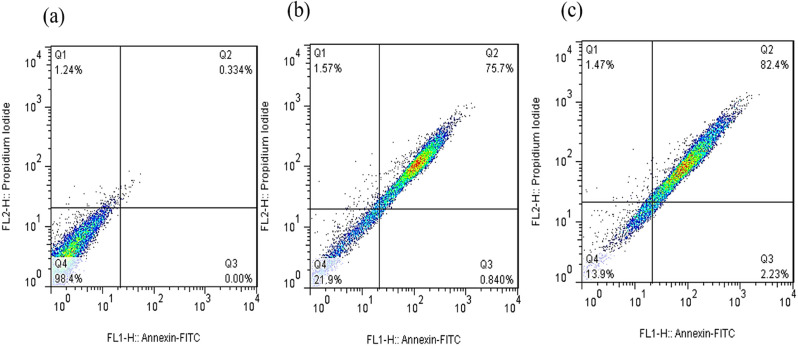 Figure 10
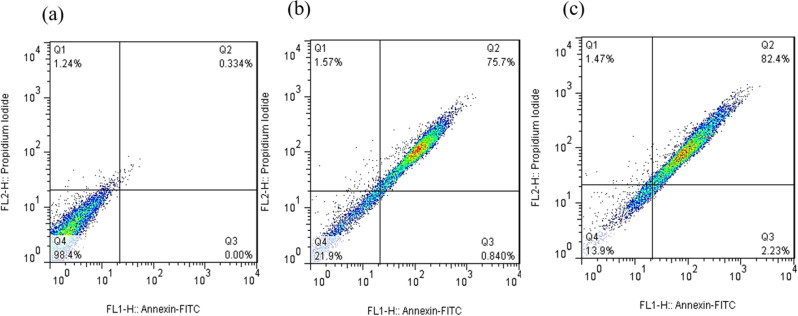 Figure 11
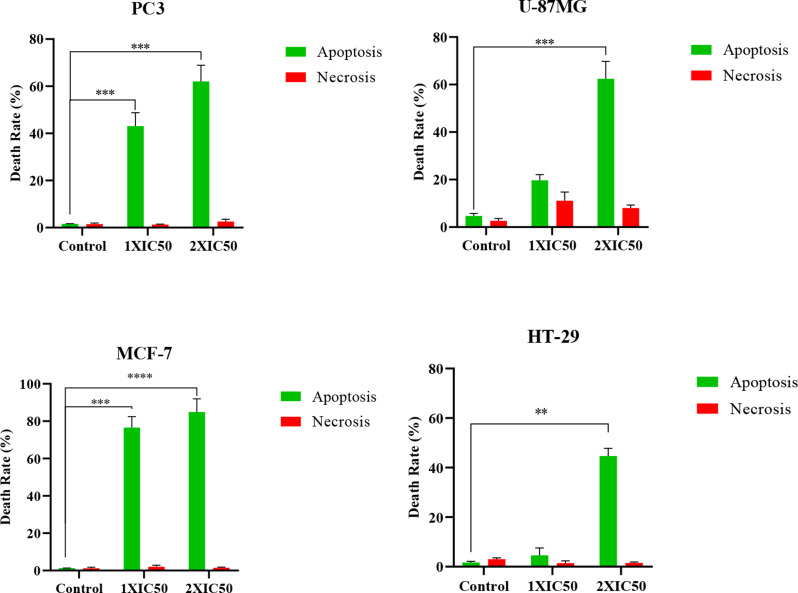 Figure 12
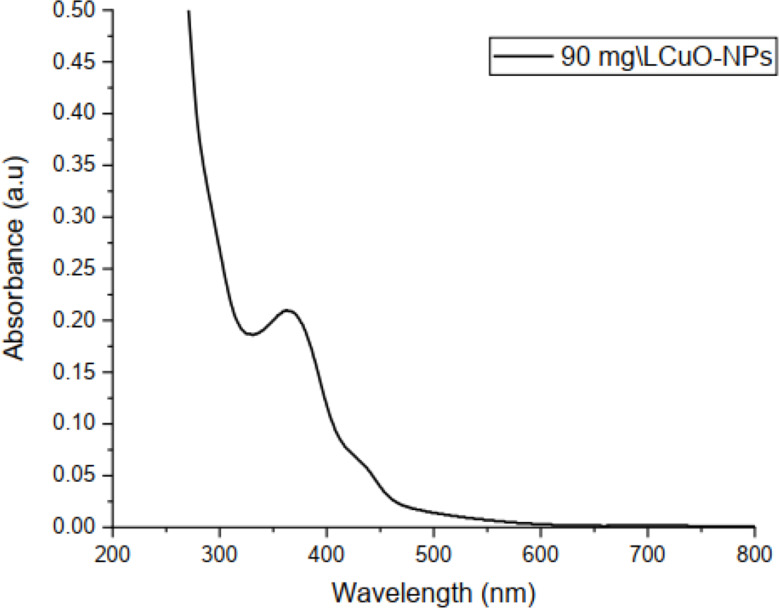 Figure 1
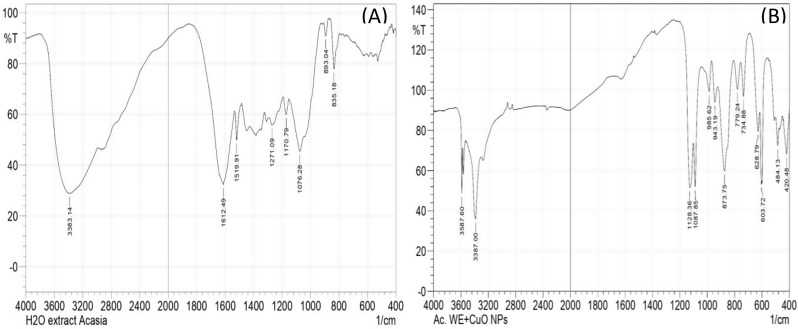 Figure 2
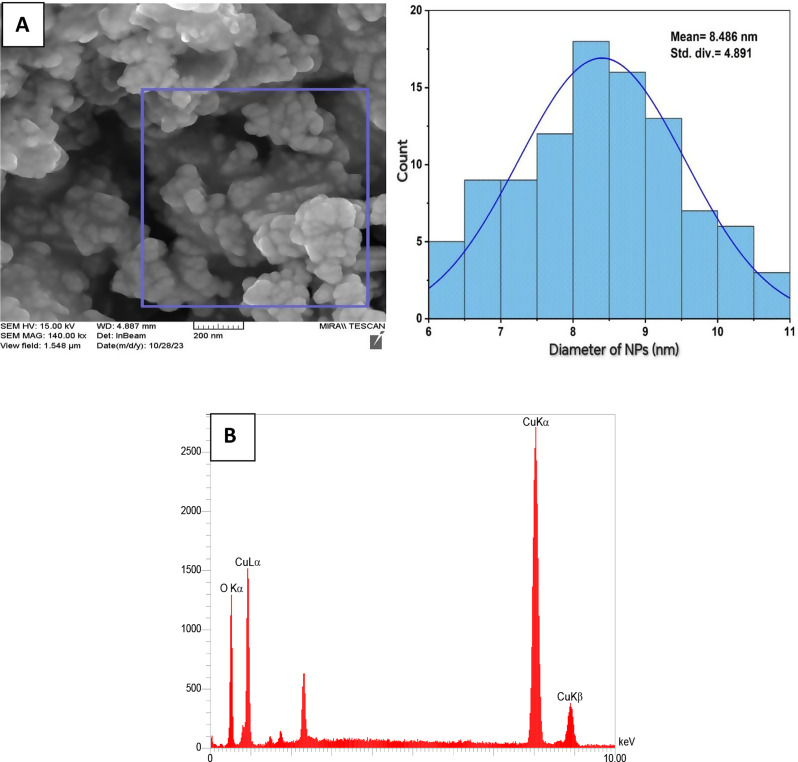 Figure 3
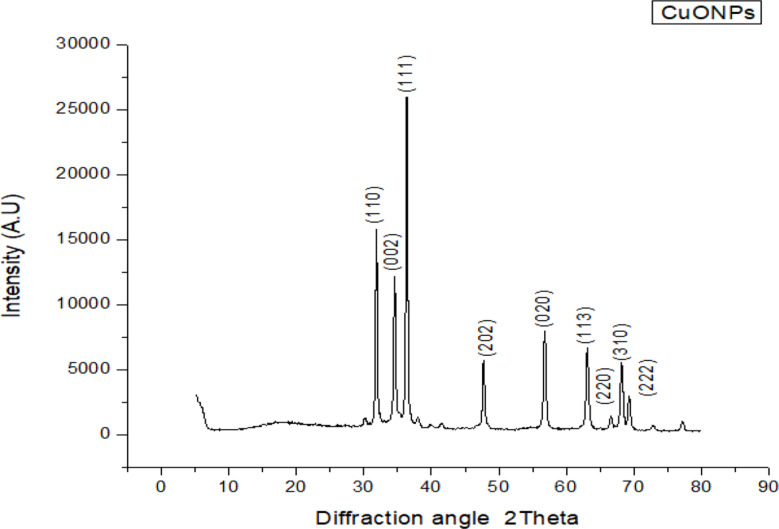 Figure 4
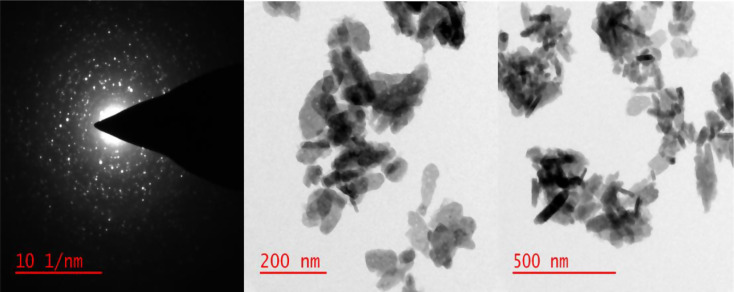 Figure 5
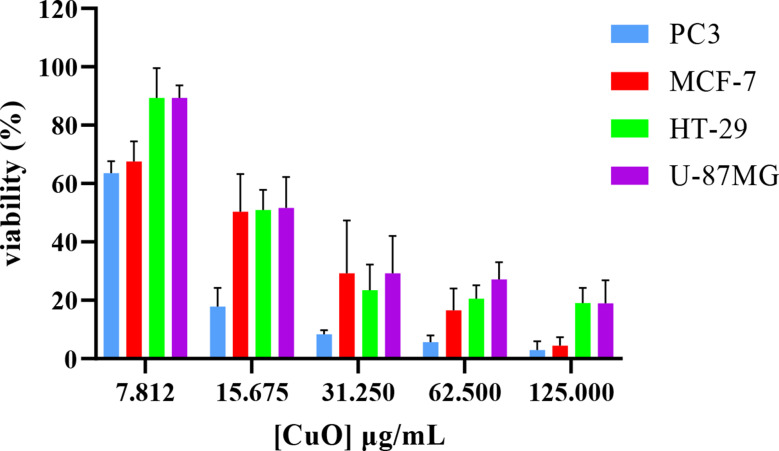 Figure 6
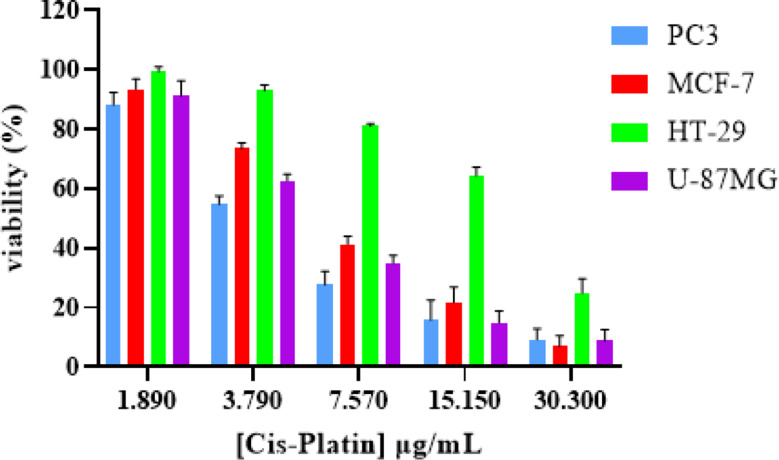 Figure 7
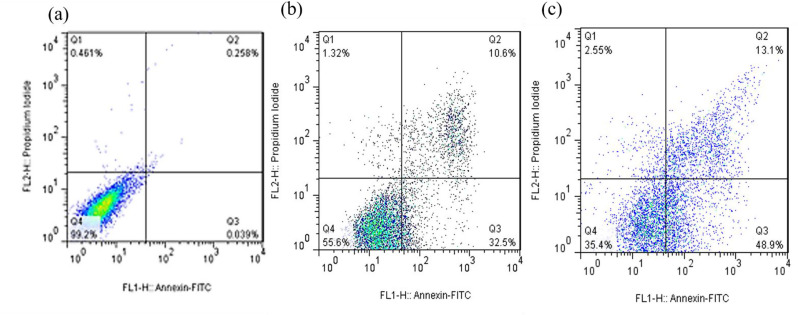 Figure 8
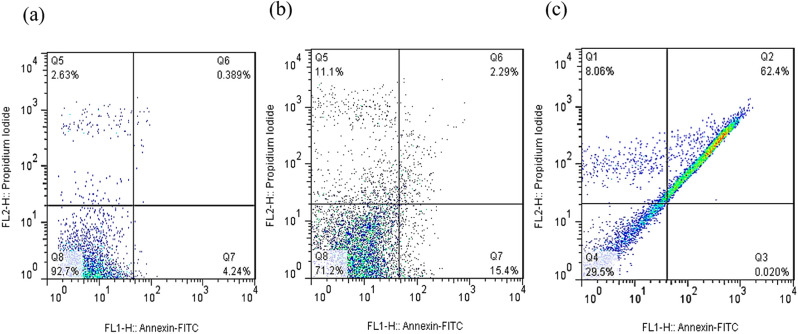 Figure 9
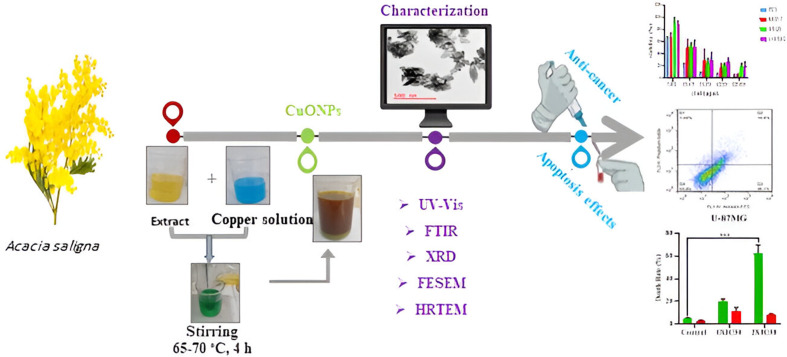 Figure 13
Peer Reviews
No public reviews on file for this paper yet. If you reviewed it on a platform where reviews are public (OpenReview, ICLR, NeurIPS, ICML), you can paste yours below so the community can read it here.
Videos
No videos yet. Explain this paper in a talk, walkthrough, or lecture? Add one.
Taxonomy
TopicsNanoparticles: synthesis and applications · Medicinal Plants and Neuroprotection · Nanotechnology research and applications