Crystal structure of Fis1 and Bap31 provides information on protein-protein interactions at mitochondria-associated ER membranes
Minh Duc Nguyen, Yonghyeok Kim, Seung-Hyun Bae, Soeun Kim, Hyun Ku Yeo, Nam-Chul Ha, Ginam Cho, Sunghyun Moon, Kwang-Hwi Cho, Hyonchol Jang, Seoung Min Bong, Byung Il Lee

TL;DR
This study reveals the crystal structure of Fis1 and Bap31, shedding light on how these proteins interact at ER-mitochondria contact sites.
Contribution
The paper presents novel crystal structures of Fis1 and its complex with Bap31, offering new structural insights into ER-mitochondria interactions.
Findings
Fis1 exists in two distinct conformations, one resembling monomeric yeast Fis1 with an autoinhibitory 'Fis1 arm'.
Bap31_vDED interacts with the convex surface of Fis1’s TPR domain, forming a weak but unique interface.
The structures provide insight into how MAM-associated proteins mediate organelle tethering and signaling.
Abstract
In eukaryotic cells, mitochondria and the endoplasmic reticulum (ER) form close contacts at mitochondria-associated ER membranes (MAMs), which are involved in diverse cellular processes. The outer mitochondrial membrane protein Fis1, known for its role in mitochondrial fission, has been reported to interact with the ER-resident protein Bap31. Here, we present crystal structures of the cytosolic domain of human Fis1 in two distinct conformations, along with a co-crystal structure of Fis1 bound to the C-terminal region of the Bap31_vDED domain. One Fis1 structure resembles monomeric yeast Fis1 and features a characteristic N-terminal “Fis1 arm” conformation, which may indicate an autoinhibitory function. In the co-complex, the Bap31_vDED region engages the convex surface of Fis1’s tetratricopeptide repeat (TPR) domain. These findings provide structural insight into the interaction between…
Genes, proteins, chemicals, diseases, species, mutations and cell lines named across the full text — each resolved to its canonical identifier and authoritative record.
Click any figure to enlarge with its caption.
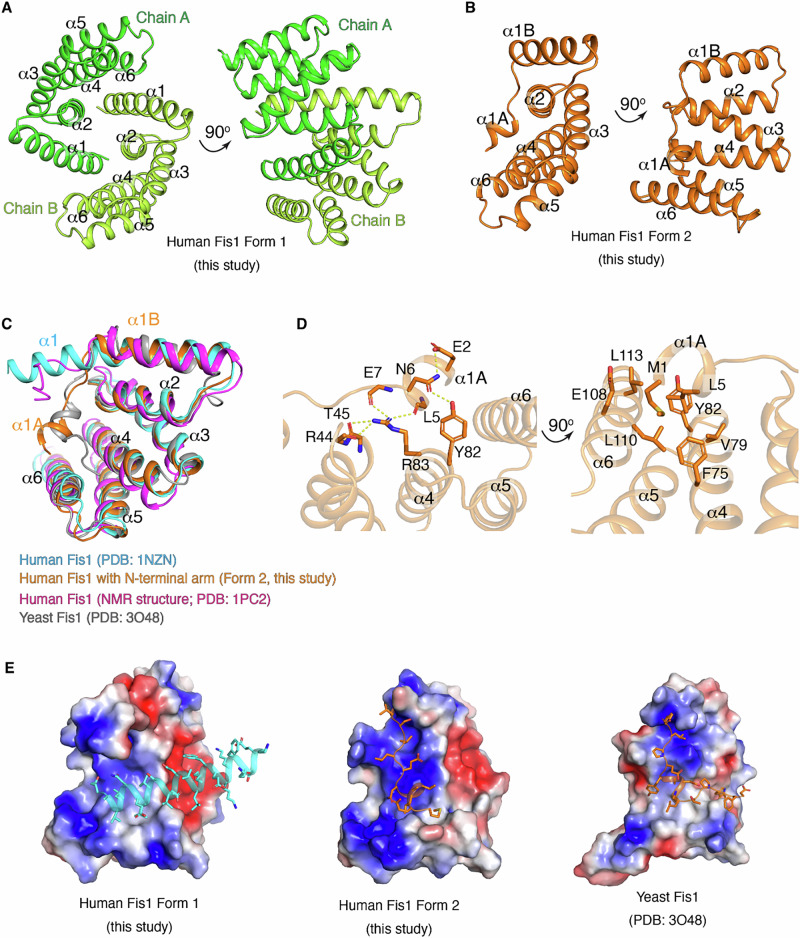 Figure 1
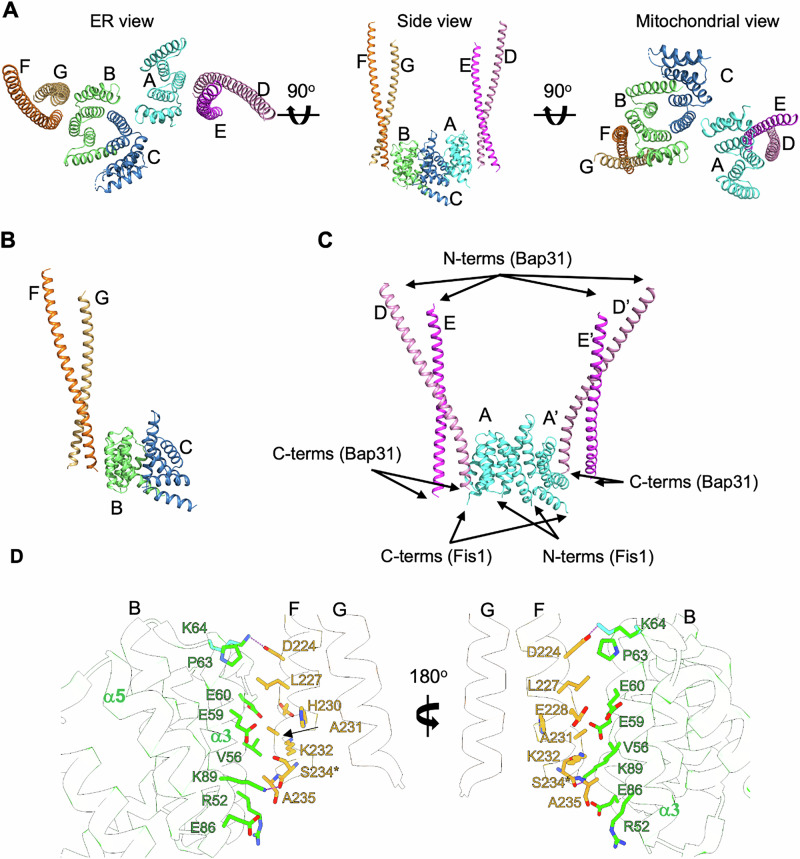 Figure 2
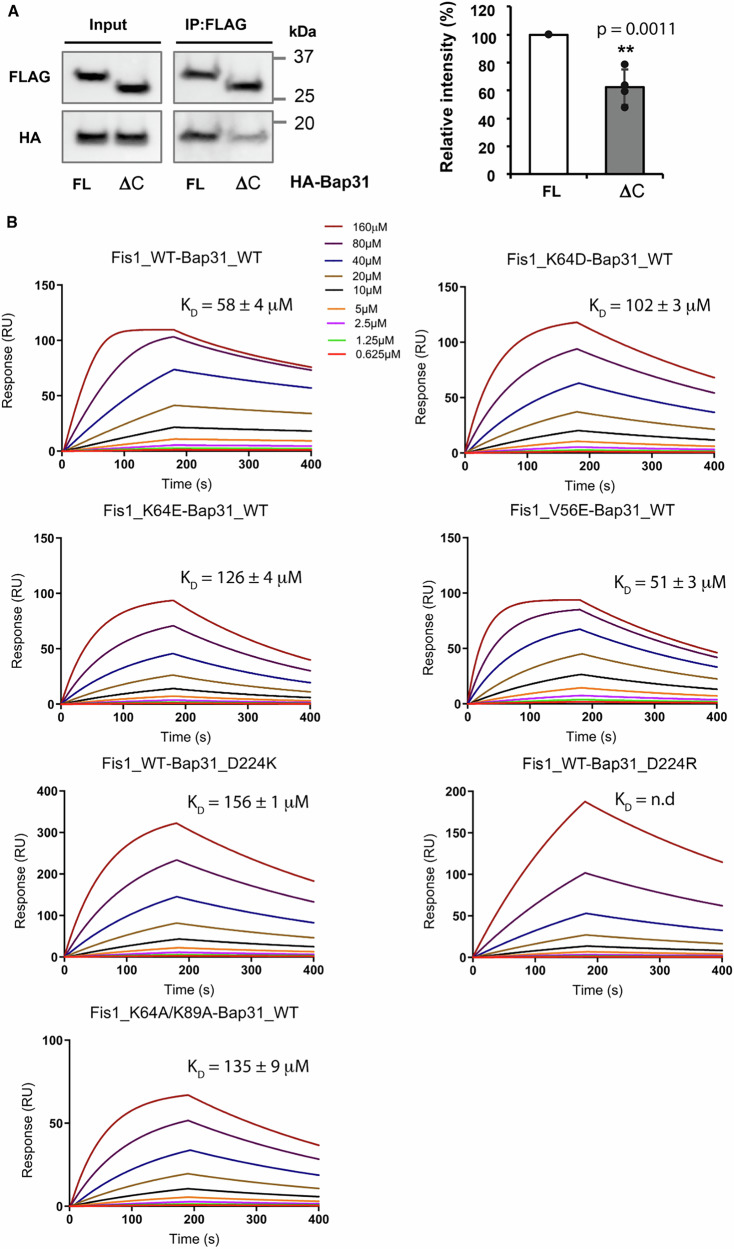 Figure 3
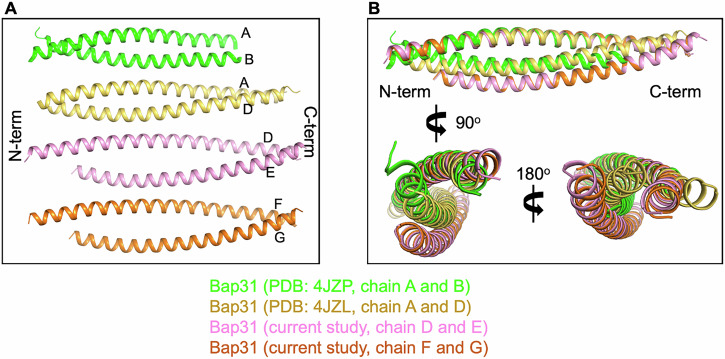 Figure 4
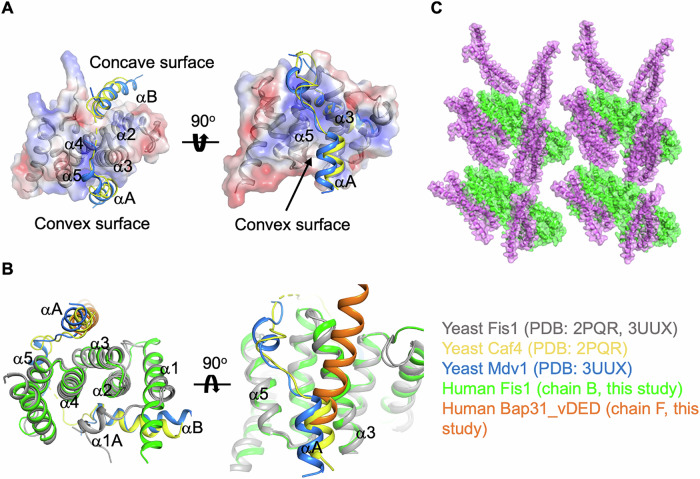 Figure 5
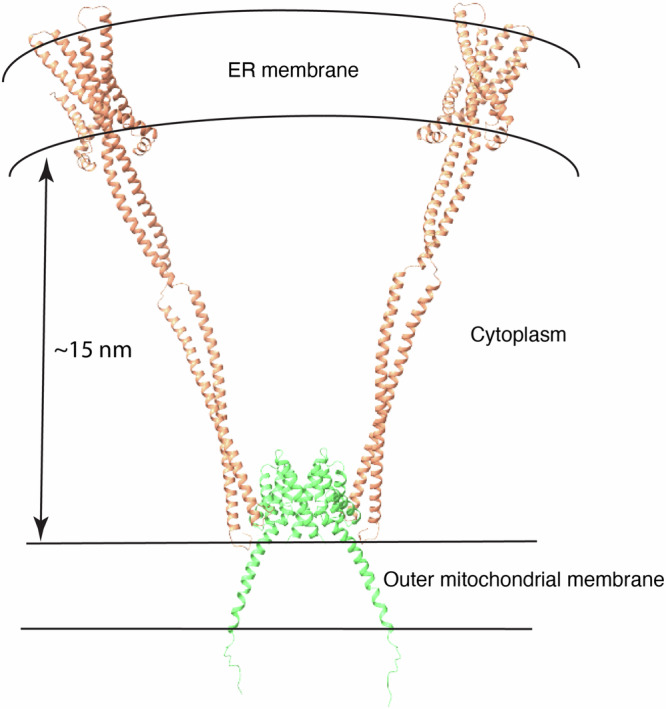 Figure 6
Peer Reviews
No public reviews on file for this paper yet. If you reviewed it on a platform where reviews are public (OpenReview, ICLR, NeurIPS, ICML), you can paste yours below so the community can read it here.
Videos
No videos yet. Explain this paper in a talk, walkthrough, or lecture? Add one.
Taxonomy
TopicsMitochondrial Function and Pathology · ATP Synthase and ATPases Research · Endoplasmic Reticulum Stress and Disease