Identification of typical marker proteins of Treponema pallidum in compact human bone using morphological and biochemical techniques
Tyede H. Schmidt Schultz, Michael Schultz

TL;DR
This study identifies syphilis-related proteins in ancient human bones, confirming the presence of treponematosis in individuals from centuries ago.
Contribution
The study introduces a solubilization technique to extract and identify ECM proteins in ancient bones for diagnosing diseases.
Findings
Marker proteins 47kDa, 17kDa, and 15kDa of Treponema pallidum were identified in ancient human bones.
The solubilization technique successfully extracted ECM proteins tightly bound to bone components.
The method can be applied to diagnose other infectious diseases and tumors in ancient human remains.
Abstract
In ancient human compact bone tissue, we can present the identified marker proteins of Treponema pallidum, the lipoproteins 47 kDa, 17 kDa and 15 kDa in three adult individuals from Austria (thirteenth–seventeenth century CE), and in a 5 to 6-years-old child from Germany (seventeenth–nineteenth century CE). These three identified lipoproteins are also used to diagnose syphilis in current medicine. The individuals selected for this study predominantly exhibit the macroscopic and microscopic features of treponemal disease. However, the result of the proteomic analysis can confirm the diagnosis of treponematosis without any doubt. The extracellular matrix (ECM) proteins in well-preserved ancient human compact bone are still tightly bound to hydroxyapatite and/or collagen. With our solubilization technique, the entrapped ECM proteins are solubilized and identified with special antibodies in…
Genes, proteins, chemicals, diseases, species, mutations and cell lines named across the full text — each resolved to its canonical identifier and authoritative record.
Click any figure to enlarge with its caption.
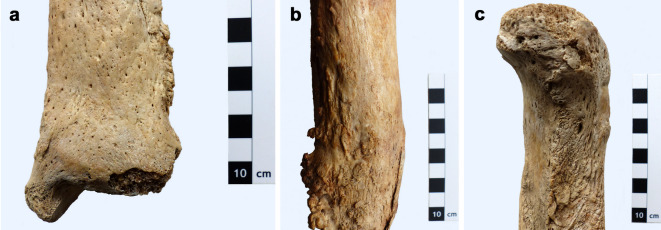 Figure 1
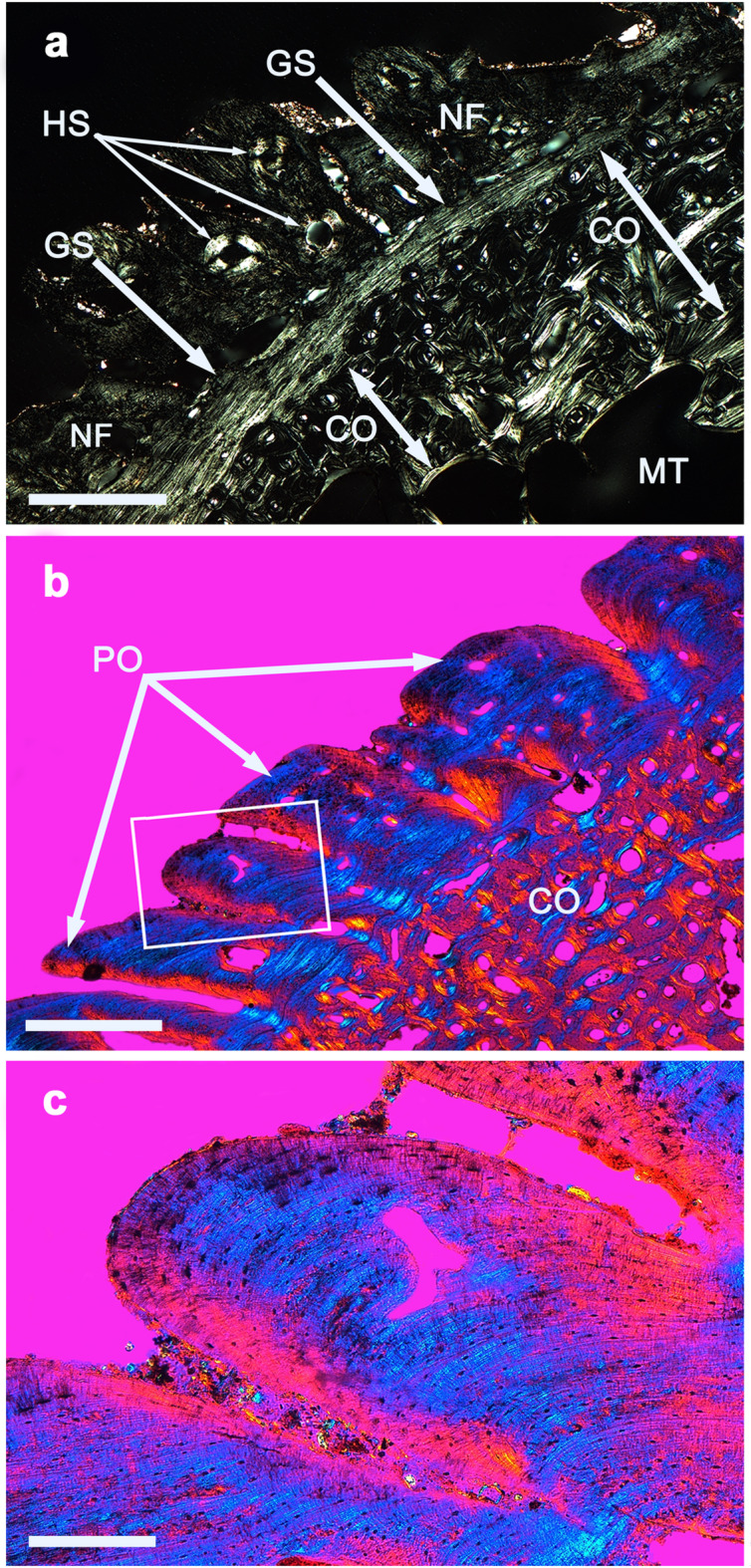 Figure 2
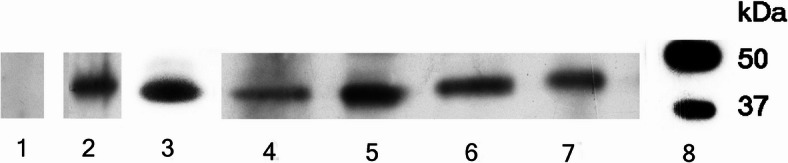 Figure 3
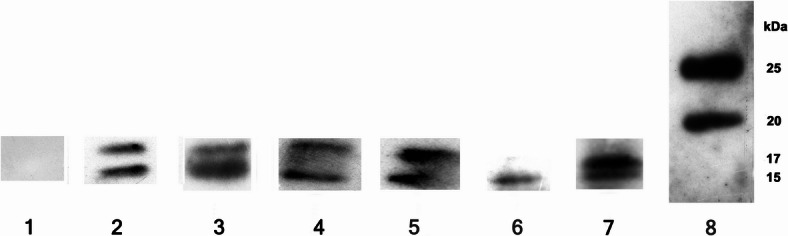 Figure 4
Peer Reviews
No public reviews on file for this paper yet. If you reviewed it on a platform where reviews are public (OpenReview, ICLR, NeurIPS, ICML), you can paste yours below so the community can read it here.
Videos
No videos yet. Explain this paper in a talk, walkthrough, or lecture? Add one.
Taxonomy
Topicsdental development and anomalies · Bone and Dental Protein Studies · Bone Metabolism and Diseases