Anticancer potential of 2,2′-bipyridine hydroxamic acid derivatives in head and neck cancer therapy
Manasa Gangadhar Shetty, Bipasa Dey, Padmini Pai, Babitha Kampa Sundara, Kapaettu Satyamoorthy, Srinivas Oruganti, Usha Yogendra Nayak, T. Ashwini

TL;DR
Researchers developed a new hydroxyurea derivative that shows promise in treating head and neck cancer by inhibiting cell migration and inducing apoptosis.
Contribution
The study introduces novel 2,2′-bipyridine hydroxamic acid derivatives with improved anticancer properties and dual mechanisms of action.
Findings
Compound 1A showed selective cytotoxicity against Cal27 cells with an IC50 of 19.36 μM.
1A inhibits cancer cell migration and induces ROS-mediated apoptosis.
1A exhibits moderate HDAC inhibition and binds stably to HDAC 2 isoform through Zn2⁺ coordination.
Abstract
The genesis of head and neck cancer (HNC) is attributed to the combined influence of genetic and epigenetic irregularities. While surgical resection and radiotherapy remain primary treatment modalities, the effectiveness of current chemotherapeutic options is often hindered by toxicity, resistance, and limited selectivity. Hydroxyurea has long been recognized for its anticancer potential; however, its clinical application is limited by a short half-life, dose-dependent toxicity, and resistance mechanisms. To address these limitations, researchers have focused on developing novel hydroxyurea derivatives with improved pharmacokinetics, target specificity, and multimodal mechanisms of action. In the present study, we report the design and synthesis of two novel 2,2′-bipyridine hydroxamic acid derivatives, including a hydroxyurea analogue aimed at enhancing chemotherapeutic efficacy and…
Genes, proteins, chemicals, diseases, species, mutations and cell lines named across the full text — each resolved to its canonical identifier and authoritative record.
Click any figure to enlarge with its caption.
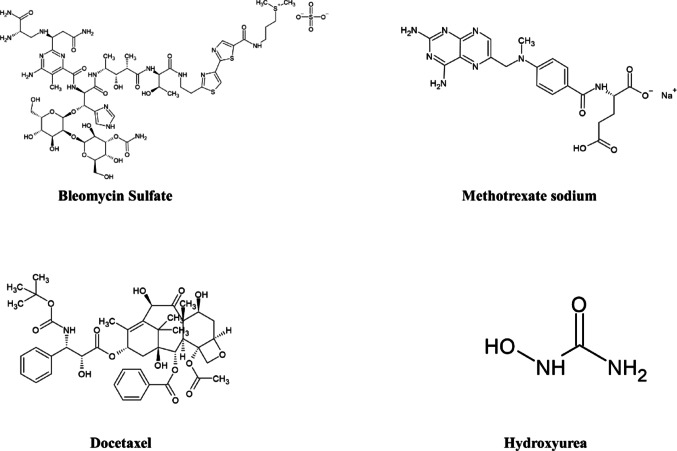 Figure 1
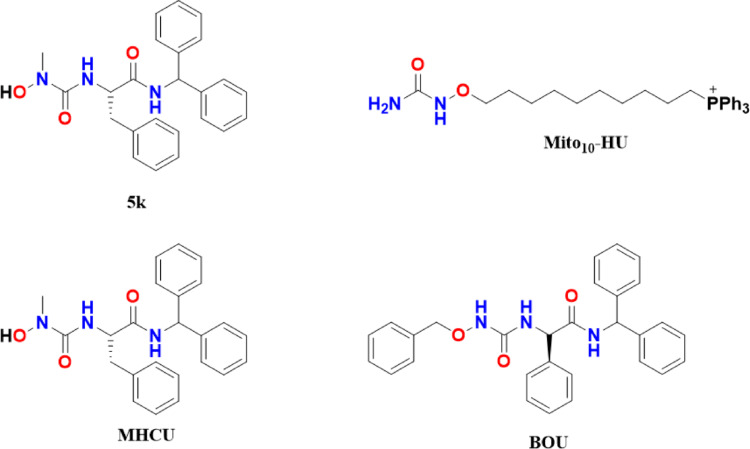 Figure 2
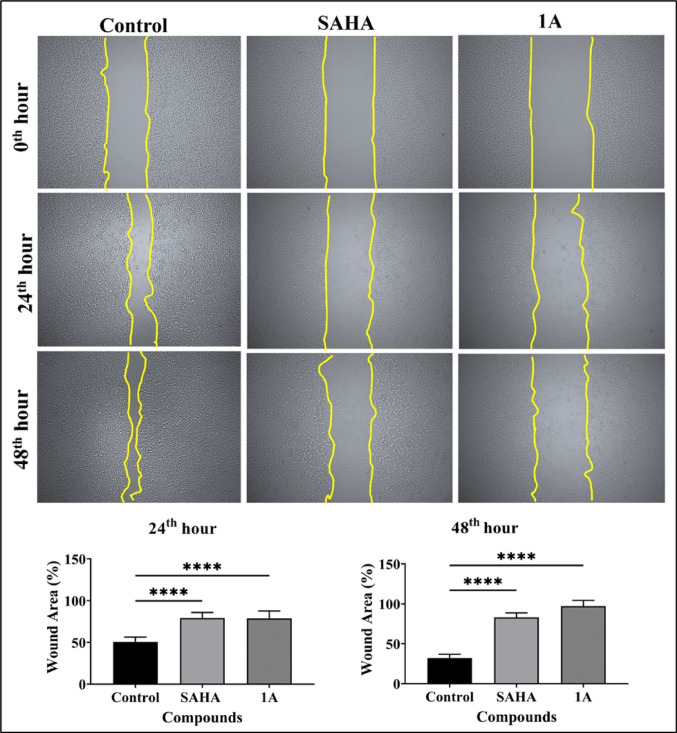 Figure 3
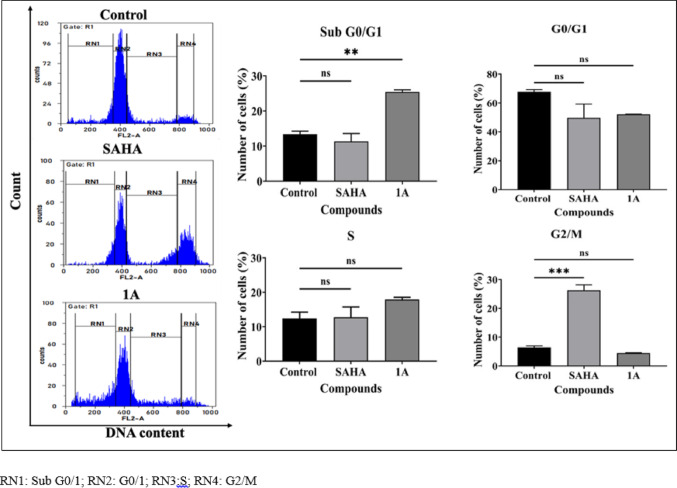 Figure 4
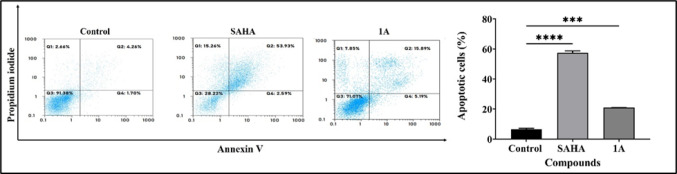 Figure 5
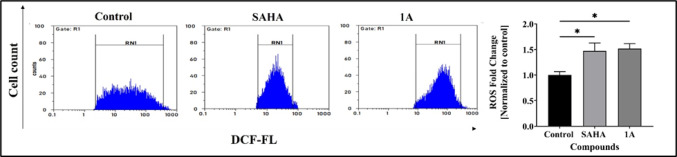 Figure 6
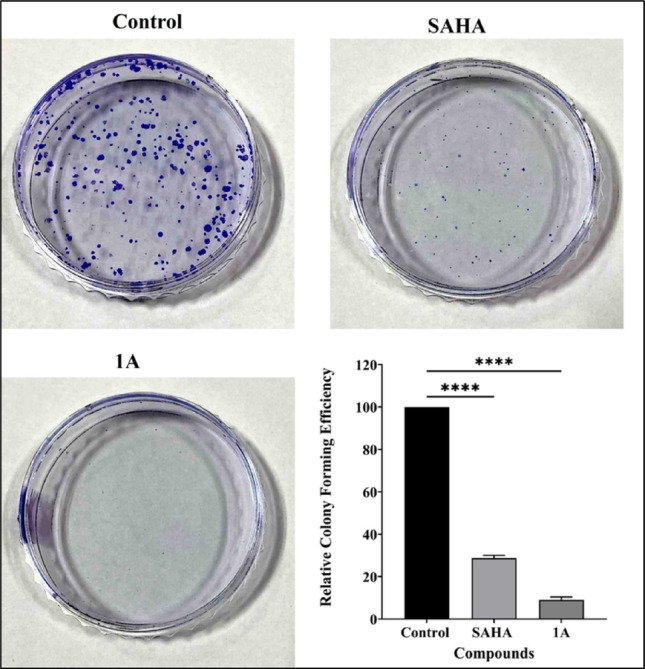 Figure 7
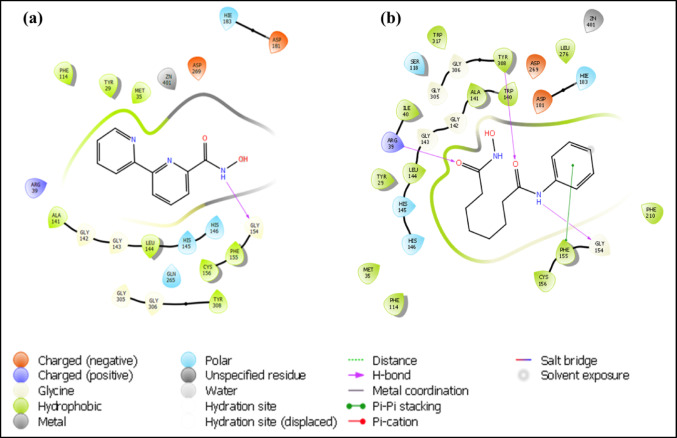 Figure 8
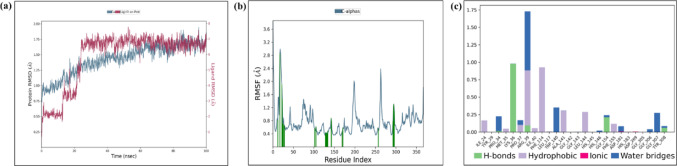 Figure 9
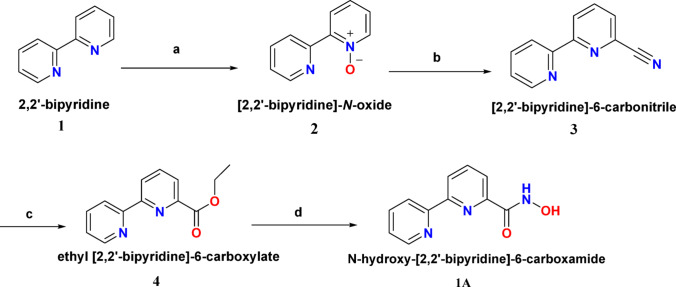 Figure 10
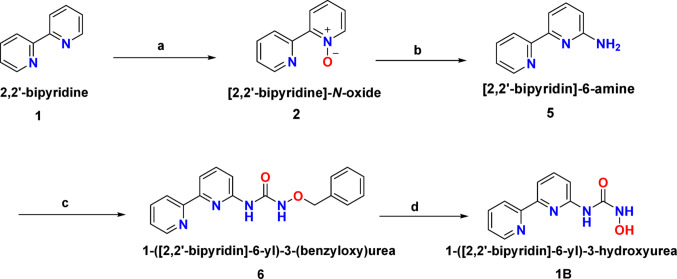 Figure 11
Peer Reviews
No public reviews on file for this paper yet. If you reviewed it on a platform where reviews are public (OpenReview, ICLR, NeurIPS, ICML), you can paste yours below so the community can read it here.
Videos
No videos yet. Explain this paper in a talk, walkthrough, or lecture? Add one.
Taxonomy
TopicsSynthesis and biological activity · Click Chemistry and Applications · Synthesis and Characterization of Heterocyclic Compounds