Desmodium molliculum (Kunth) DC., an Andean medicinal plant: DNA barcoding and HPLC fingerprint for species discrimination and evaluation of its pharmacological potential
Eugenia Peñaherrera, Josue Sarmiento-Pacurucu, Efrén Santos-Ordóñez, Alexandr Kachatryan, Nancy Cuzco, David Vanegas, Jessica Calle-López, Liliana Villao-Uzho, Yvan Vander Heyden, Isabel Wilches, Fabián León-Tamariz

TL;DR
This study explores the medicinal plant D. molliculum from the Andes, using DNA and chemical analysis to distinguish it from a similar species and assess its healing potential.
Contribution
The study introduces new DNA barcoding markers and identifies key compounds in D. molliculum for species discrimination and pharmacological evaluation.
Findings
DNA barcoding using trnH-psbA, matK, and ITS1 markers effectively differentiates D. molliculum from D. adscendens.
D. molliculum shows higher antioxidant potential than D. adscendens.
Apigenin 8-C-glucoside, tannic acid, and chlorogenic acid are linked to the antioxidant activity in D. molliculum.
Abstract
In the Ecuadorian traditional medicine, two species of the Desmodium genus, D. adscendens and D. molliculum, are used interchangeably for the treatment of various ailments, particularly those related to inflammatory processes, wound healing, stomach ulcers and liver disorders. Despite the extensive knowledge and characterization of D. adscendens, there is limited information regarding D. molliculum. This highlights the necessity for the development of analytical tools that facilitate the differentiation between these two species and the characterization of the latter. The tools were developed and evaluated at two distinct levels: genetically, using the DNA barcoding technique, and analytically, using chromatographic fingerprinting. Additionally, the antioxidant potential of the samples was evaluated through the establishment of the RACI index, based on various in vitro evaluation…
Genes, proteins, chemicals, diseases, species, mutations and cell lines named across the full text — each resolved to its canonical identifier and authoritative record.
Click any figure to enlarge with its caption.
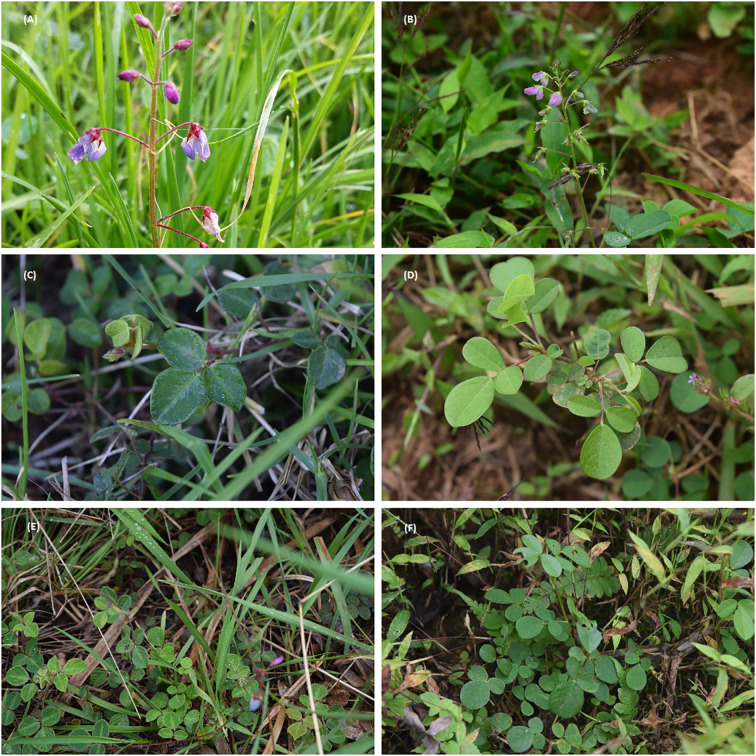 Figure 1
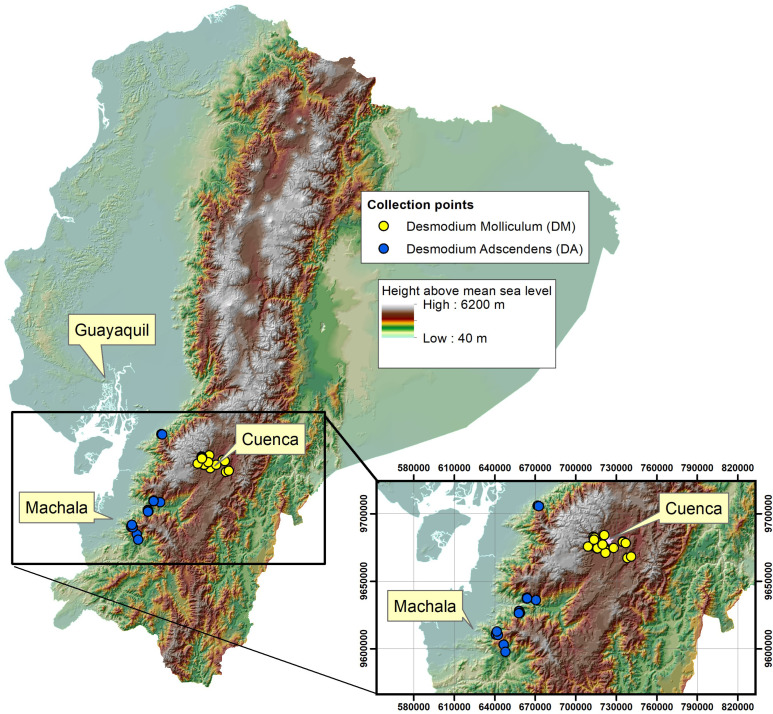 Figure 2
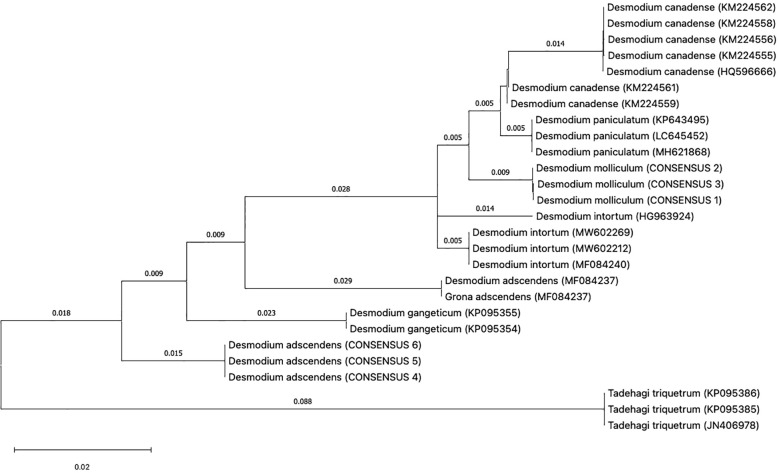 Figure 3
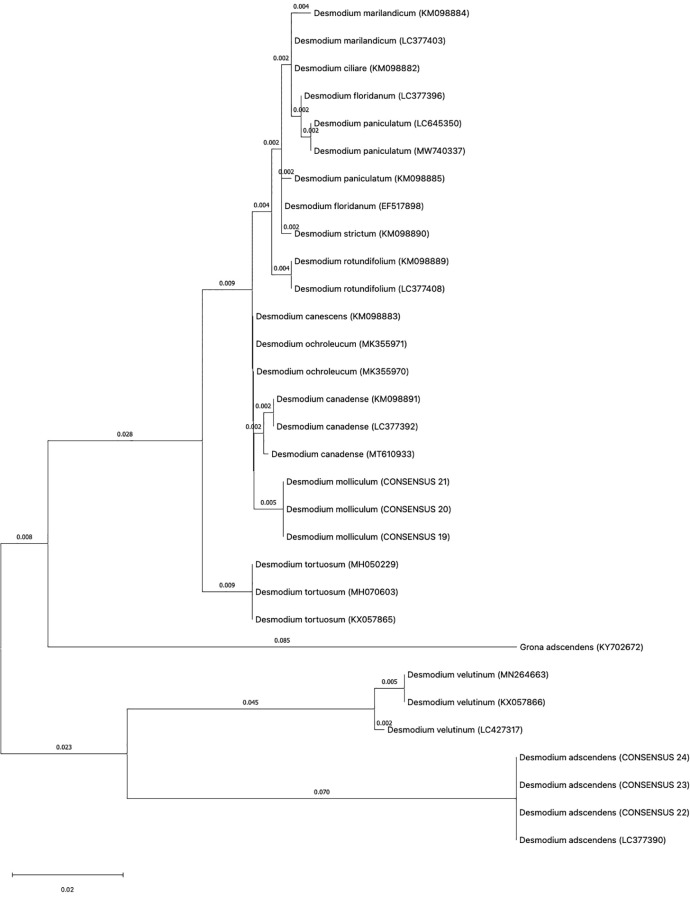 Figure 4
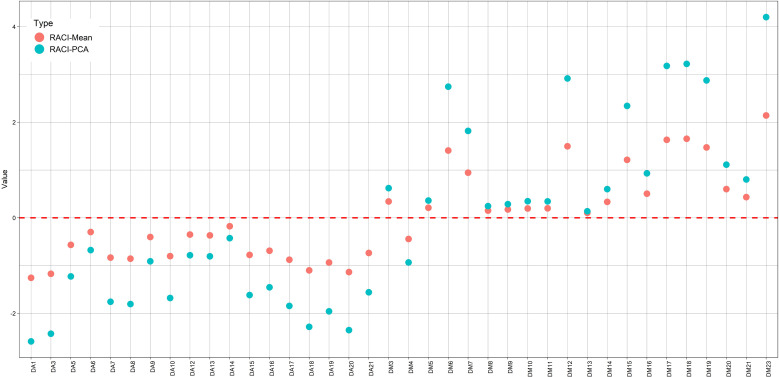 Figure 5
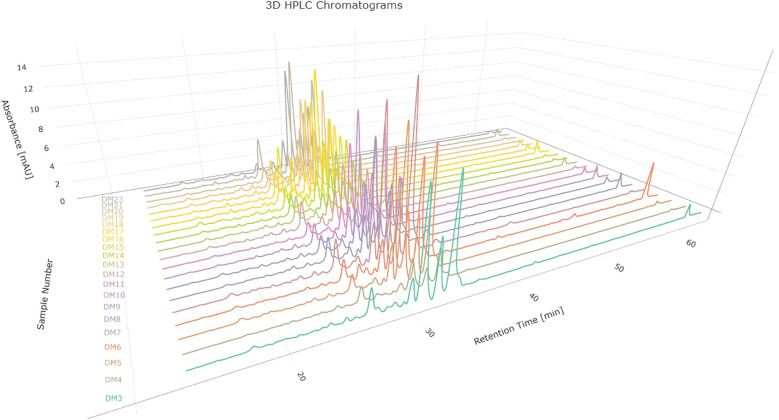 Figure 6
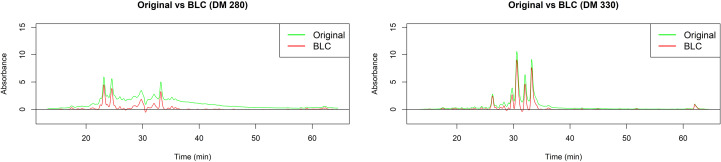 Figure 7
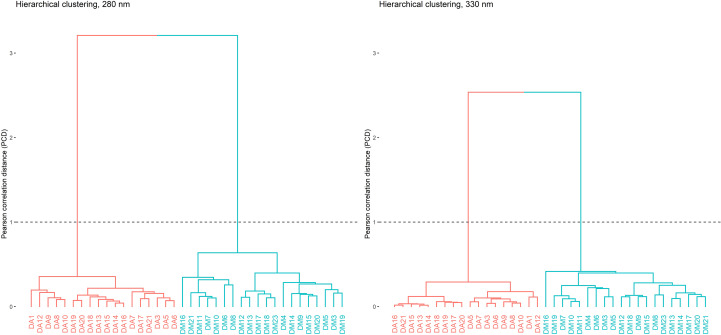 Figure 8
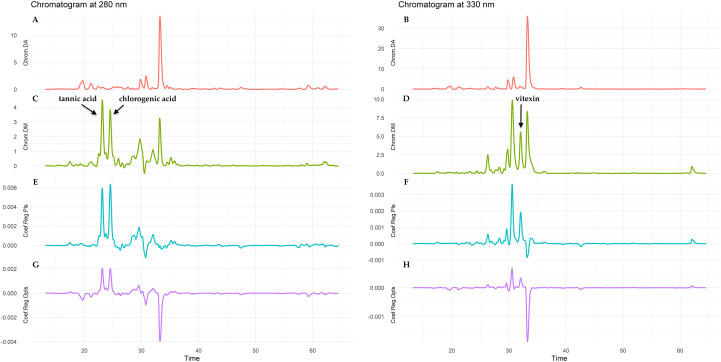 Figure 9
Peer Reviews
No public reviews on file for this paper yet. If you reviewed it on a platform where reviews are public (OpenReview, ICLR, NeurIPS, ICML), you can paste yours below so the community can read it here.
Videos
No videos yet. Explain this paper in a talk, walkthrough, or lecture? Add one.
Taxonomy
TopicsEthnobotanical and Medicinal Plants Studies · Natural product bioactivities and synthesis · Essential Oils and Antimicrobial Activity