Articles of Significant Interest in This Issue

Abstract
Click any figure to enlarge with its caption.
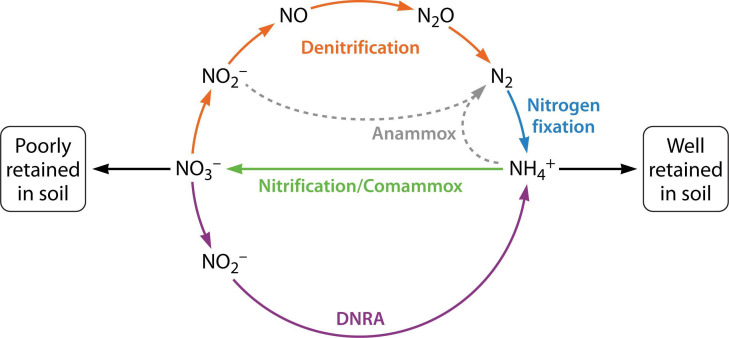 Figure 1
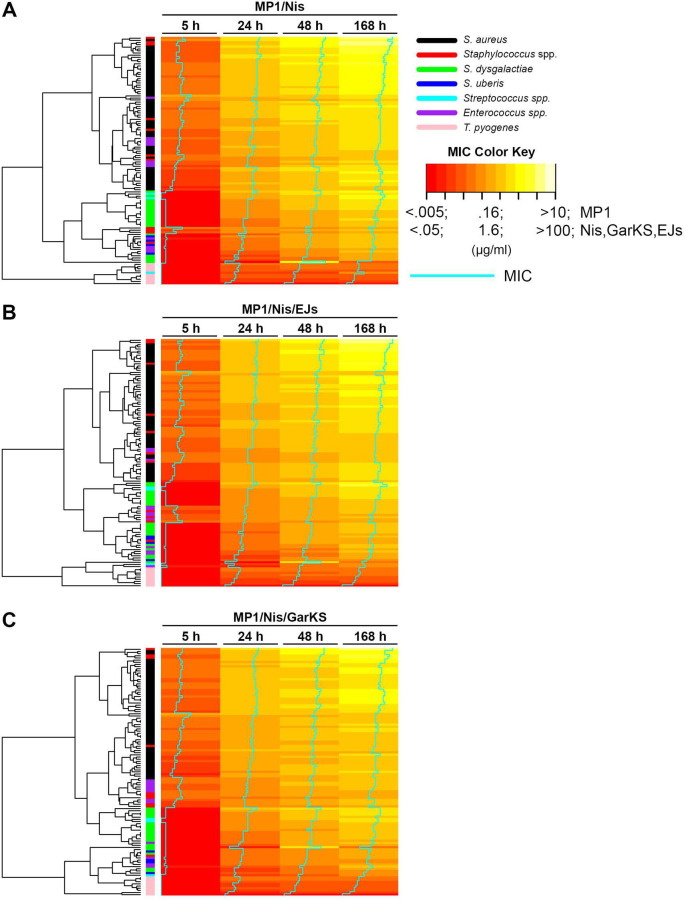 Figure 2
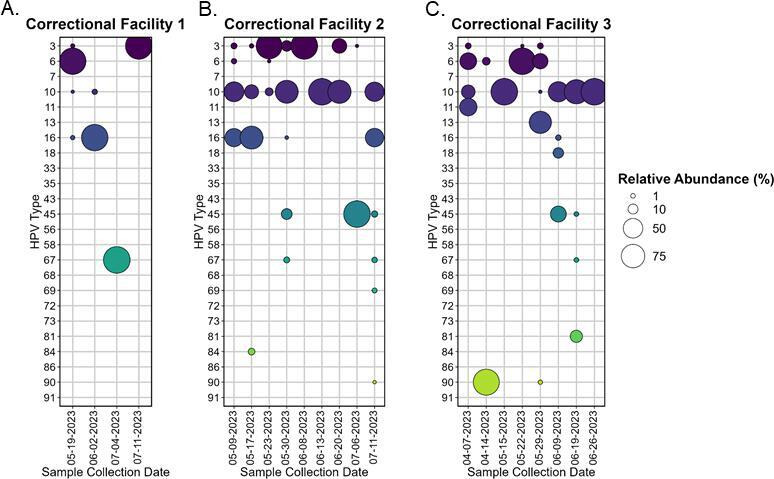 Figure 3
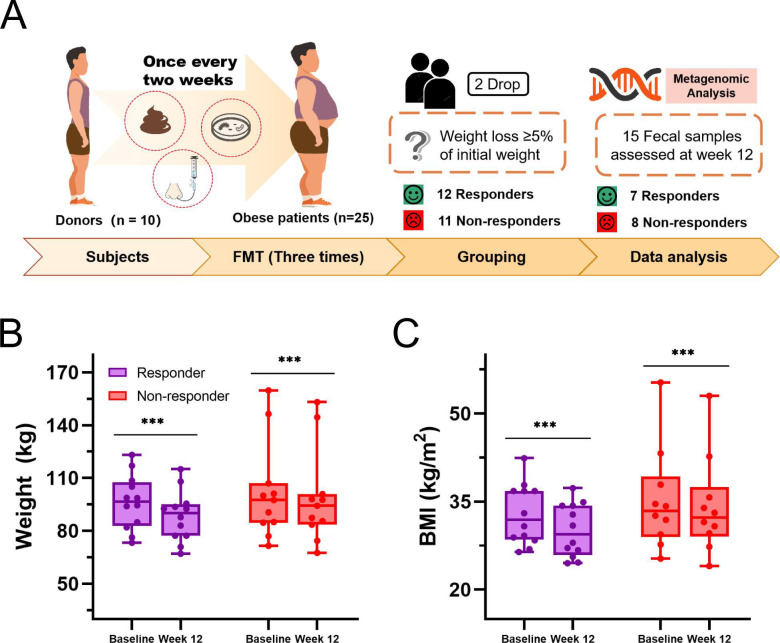 Figure 4
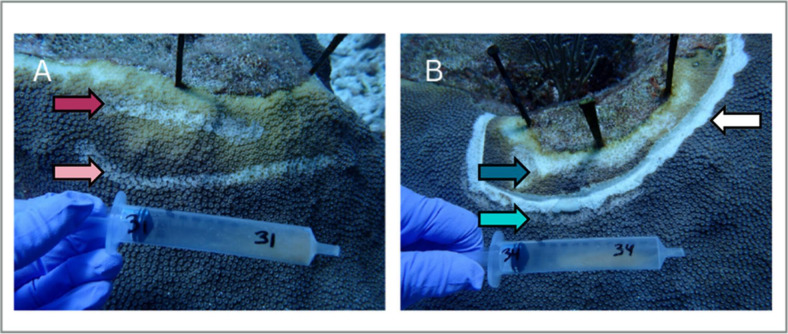 Figure 5
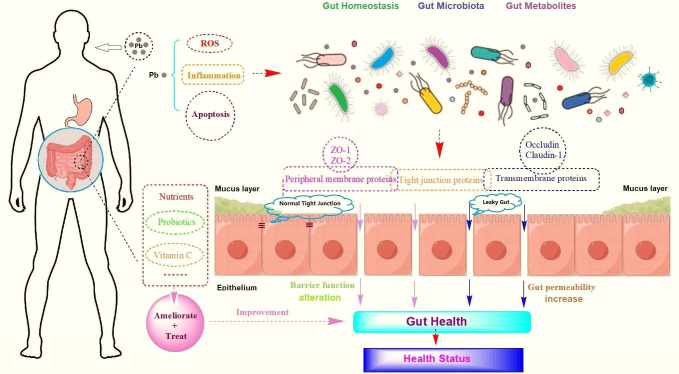 Figure 6
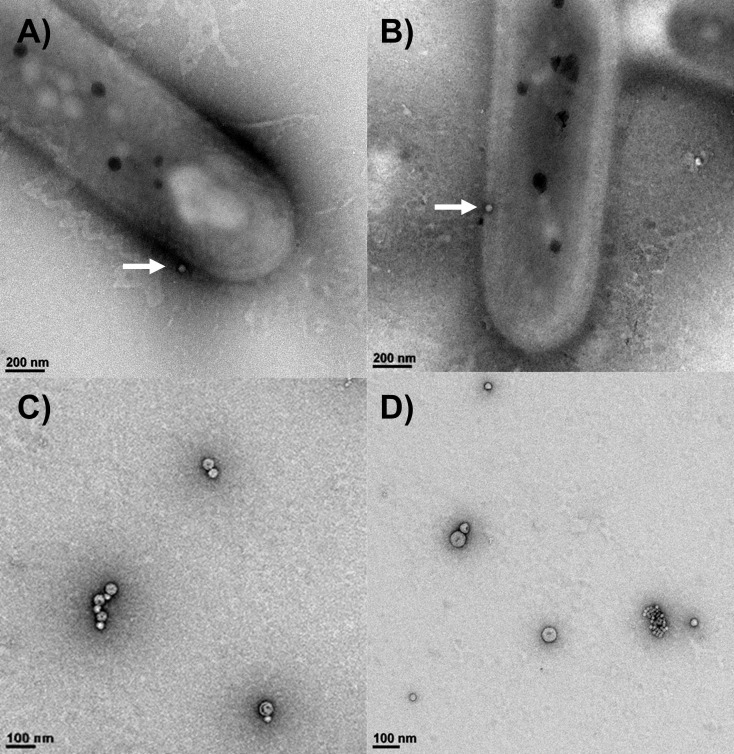 Figure 7
Peer Reviews
No public reviews on file for this paper yet. If you reviewed it on a platform where reviews are public (OpenReview, ICLR, NeurIPS, ICML), you can paste yours below so the community can read it here.
Videos
No videos yet. Explain this paper in a talk, walkthrough, or lecture? Add one.
Taxonomy
TopicsPlant nutrient uptake and metabolism · Legume Nitrogen Fixing Symbiosis · Wastewater Treatment and Nitrogen Removal
AN ENZYMATIC SHORT-CIRCUIT TO THE NITROGEN CYCLE
Hird et al. (e00292-25) review the microbial enzyme that converts nitrite to ammonium during the dissimilatory reduction of nitrate to ammonium (DNRA) to outcompete denitrification and retain valuable N in agricultural lands.
ANTIBIOTIC-FREE TREATMENT OF BOVINE MASTITIS
Mastitis is the most important disease impacting the dairy industry and the welfare of dairy cattle. A formulation of bacteriocins and peptidoglycan hydrolases described in this article by Kranjec et al. (e02433-24) provided an effective treatment against bacteria causing bovine mastitis.
HUMAN PAPILLOMAVIRUS MEETS WASTEWATER SURVEILLANCE
Wastewater-based surveillance of human papillomavirus (HPV) by Giesbrecht and colleagues (e00348-25) revealed the widespread circulation of high-risk HPV types, including some targeted by vaccines. This is an important approach to inform cancer prevention strategies and evaluate the impact of vaccination programs.
MICROBIAL THERAPIES FOR WEIGHT LOSS
Fecal microbiota transplantation (FMT) from healthy donors may provide metabolic benefits to treat obesity. This study by Ruan et al. (e00120-25) illustrates that specific donor-derived taxa are needed for successful engraftment and weight loss.
NO ANTIBIOTIC OINTMENT FOR SICK CORALS
This study by Pearson-Lund et al. (e02407-24) reveals that an amoxicillin ointment applied to lesions in infected corals can disrupt the natural microbiome of adjacent tissues, allowing for opportunistic Vibrio species to infect.
OF LEAD AND GUTS
Tao et al. (e00372-25) review the impacts of lead exposure on the gastrointestinal tract and discuss dietary interventions for mitigating or preventing the metal’s toxicity.
OUTER MEMBRANE VESICLES WITH A TASTE FOR SULFUR
Outer membrane vesicles play numerous roles in bacteria. In this study by Noundou et al. (e01019-25), vesicles in anaerobic, thermophilic green sulfur bacteria pack elemental sulfur to exchange the biogenic cargo with other cells.