Foxp3+ Regulatory T Cells Restrain Th1 Response Shielding the Brain from Lethal Inflammatory Damage during Cryptococcal Meningoencephalitis
Hailong Li, Rylan Hissong, Kristie D. Goughenour, Yekateryna Sinitsyna, Maia Lintner, Brian Song, Heineken Q. Daguplo, Clifford S Cho, Anutosh Ganguly, Grace Y. Chen, Jessica C. Hargarten, Peter R. Williamson, Jintao Xu, Michal A. Olszewski

TL;DR
Regulatory T cells protect the brain from inflammation during fungal meningitis by reducing harmful immune responses and promoting repair.
Contribution
The study identifies Tregs as key protectors in the brain during cryptococcal meningitis, revealing their recruitment mechanism and therapeutic potential.
Findings
Tregs reduce brain inflammation and shield the brain from neurological damage in cryptococcal meningitis.
CCR8-mediated recruitment and IL-10 production by Tregs are critical for their protective role.
Treg-enhancing therapy improves survival and neurological outcomes in mice with meningitis.
Abstract
Inflammatory brain damage is an important factor contributing to mortality or lasting neurological sequelae in CNS infections, such as cryptococcal meningoencephalitis (CM), but little is known about natural immunoregulatory mechanisms in the infected brain. Here we report that regulatory T cells (Tregs) are a central immunoregulatory component in CM. Tregs are present within the CNS in both human CM patients and in the experimental murine CM. Treg-depletion exacerbates Th1-driven brain inflammation and neurological symptoms, accelerating mortality, despite enhanced fungal clearance in mouse CM. Aligned brain NanoString, scRNA-seq, and flow cytometry analyses revealed that Tregs reduce brain inflammation, especially T-cell recruitment activation and differentiation, shielding the brain from neurological damage. The major CNS-Treg recruitment appears to be chemokine receptor…
Genes, proteins, chemicals, diseases, species, mutations and cell lines named across the full text — each resolved to its canonical identifier and authoritative record.
Click any figure to enlarge with its caption.
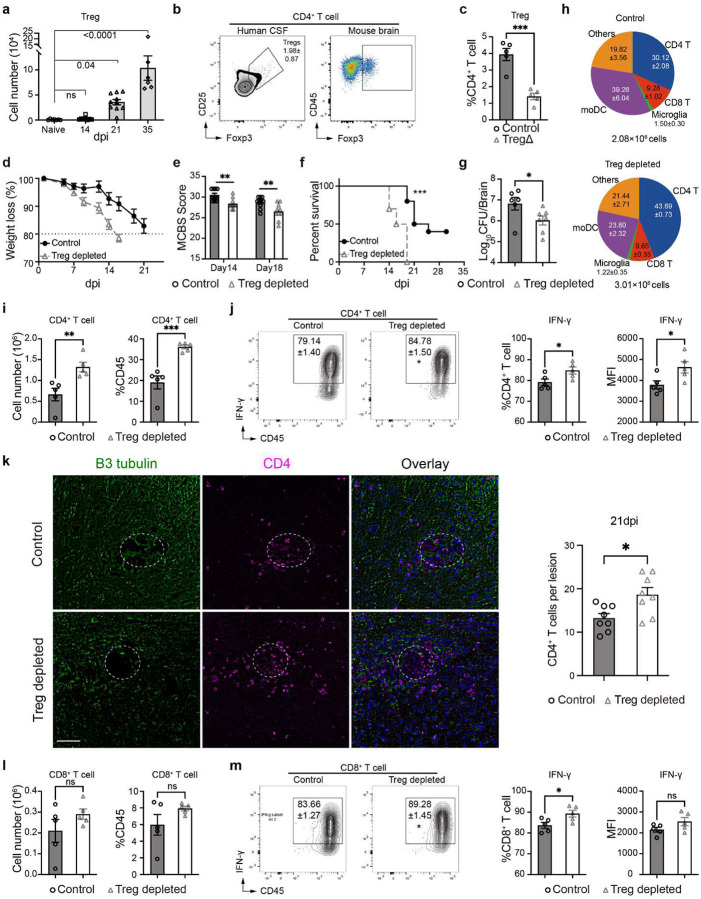 Figure 1
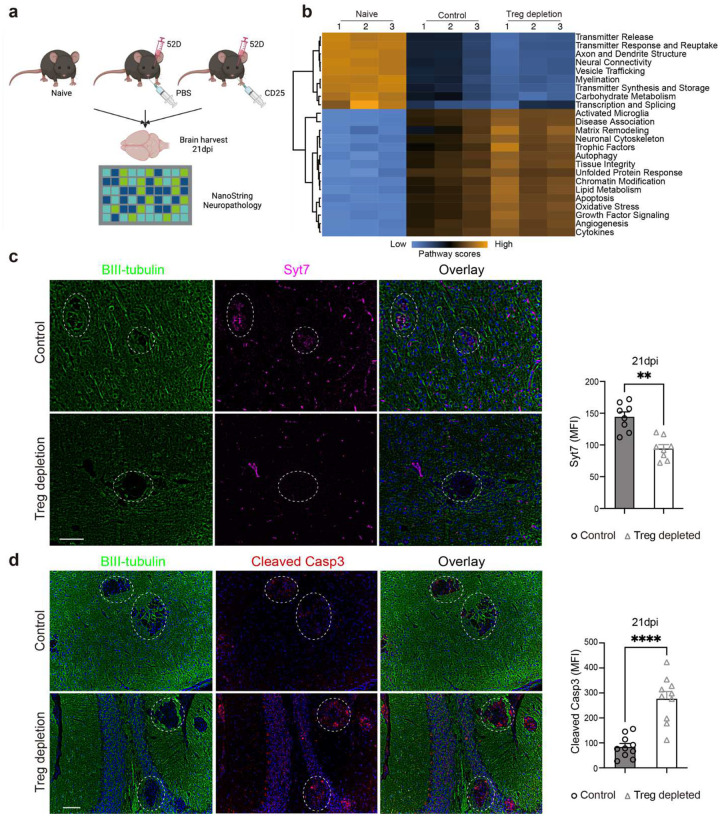 Figure 2
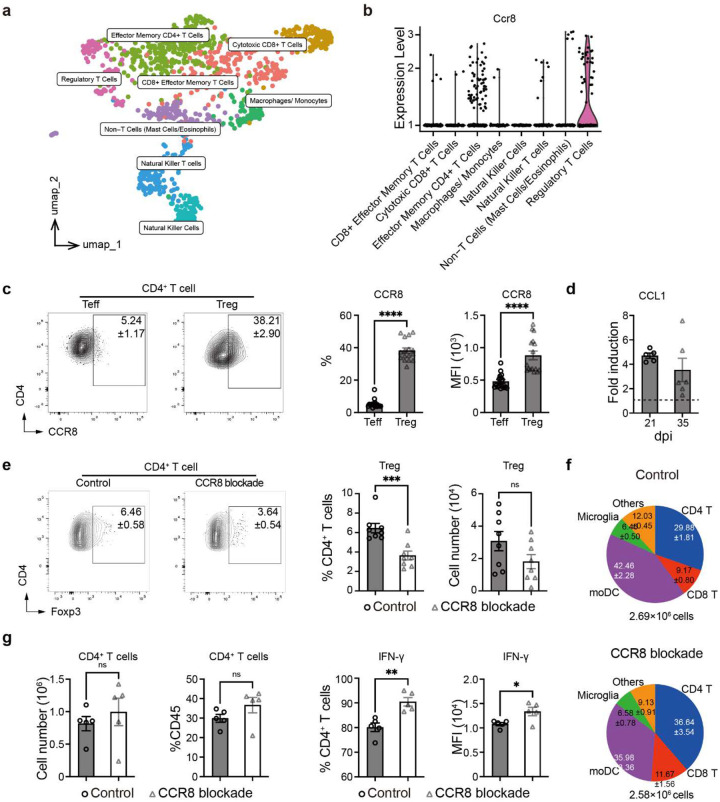 Figure 3
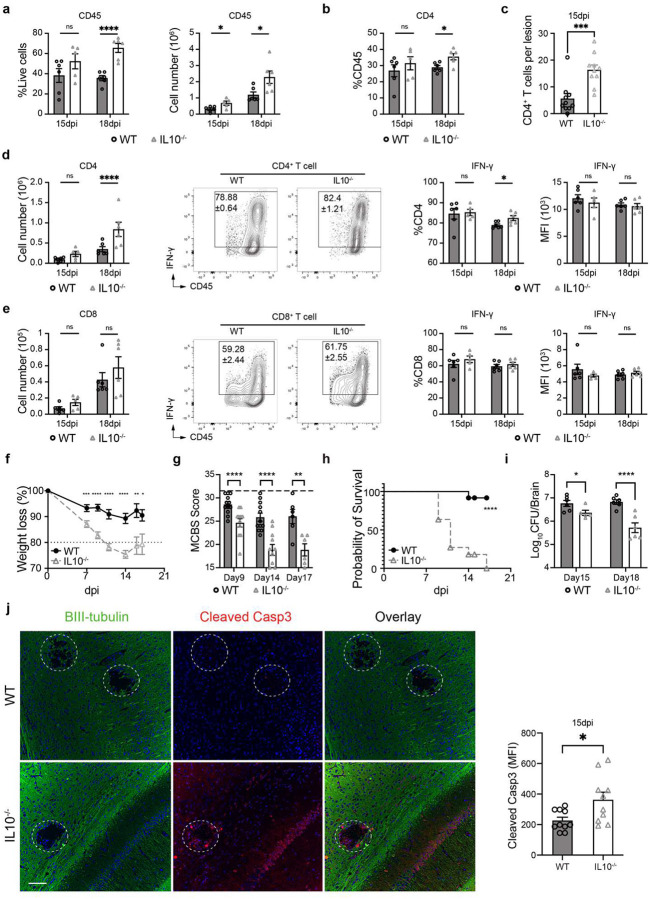 Figure 4
 Figure 5
 Figure 6
 Figure 7
 Figure 8
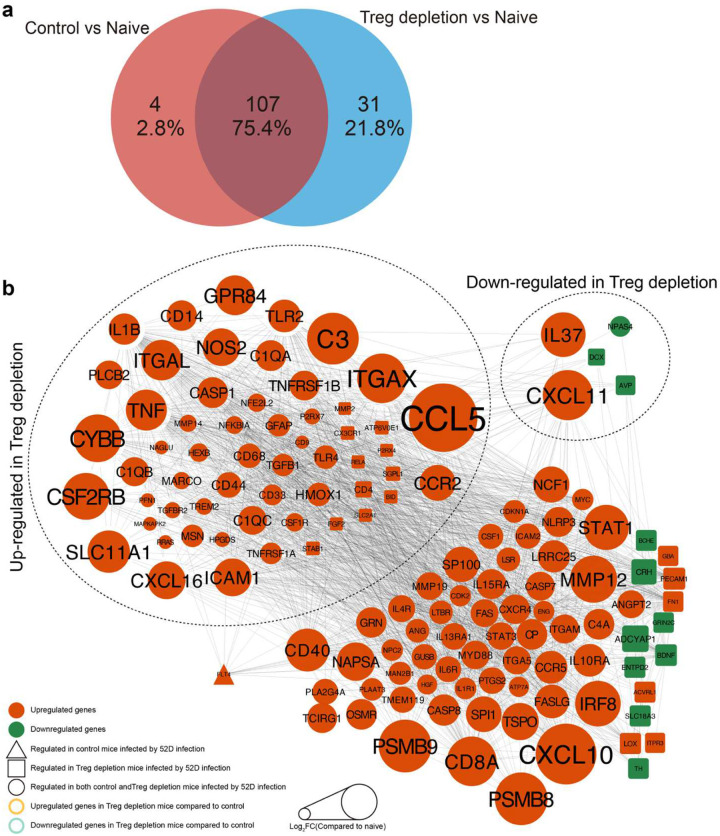 Figure 9
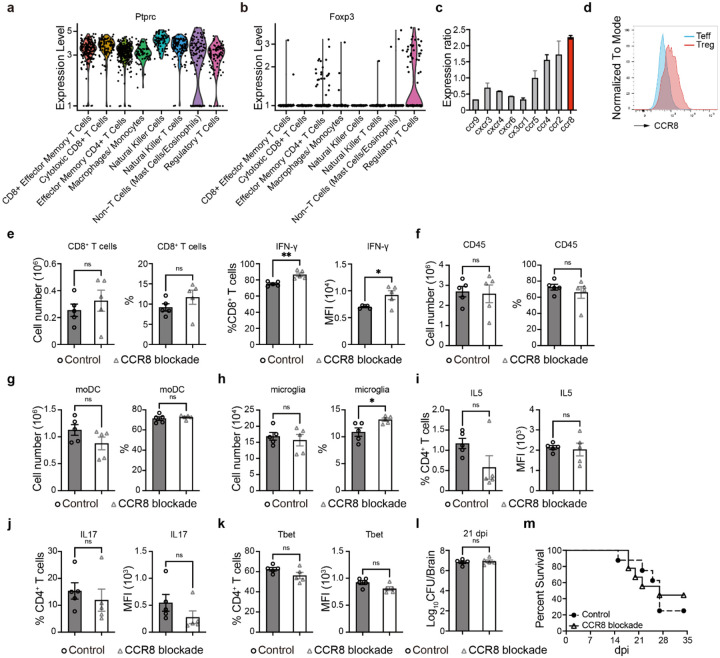 Figure 10
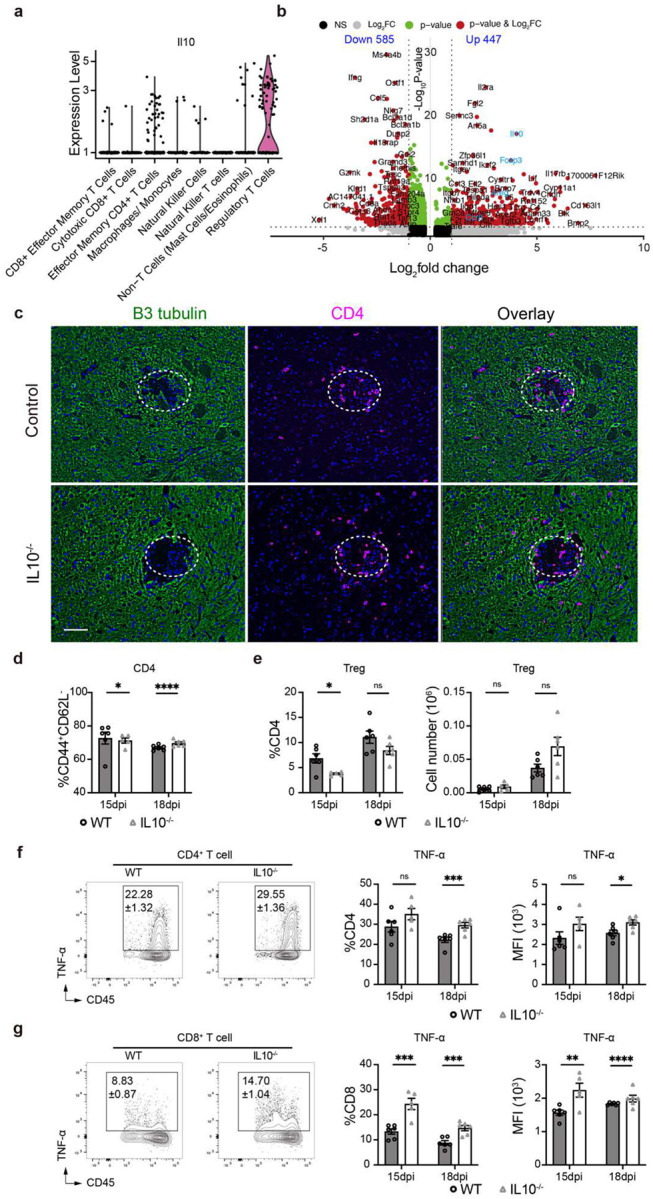 Figure 11
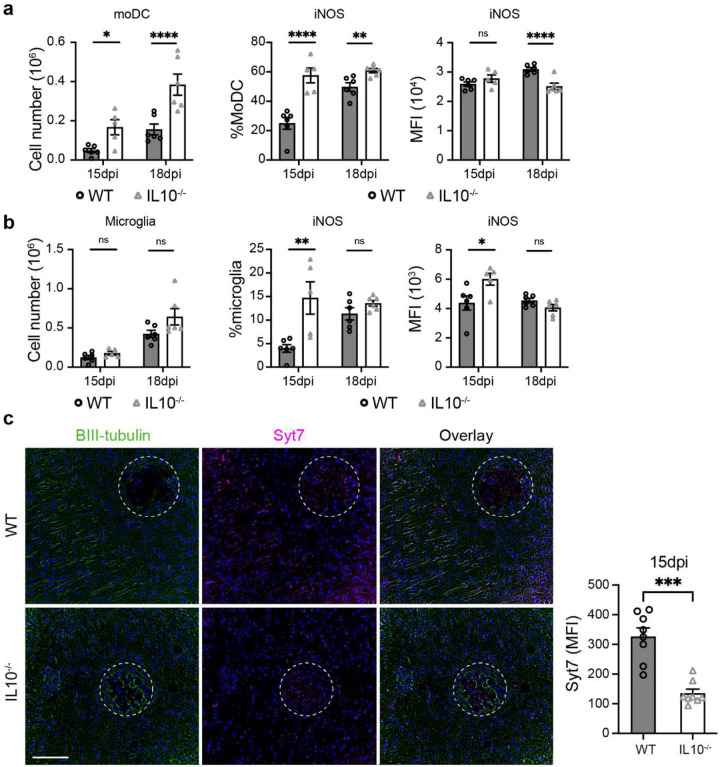 Figure 12
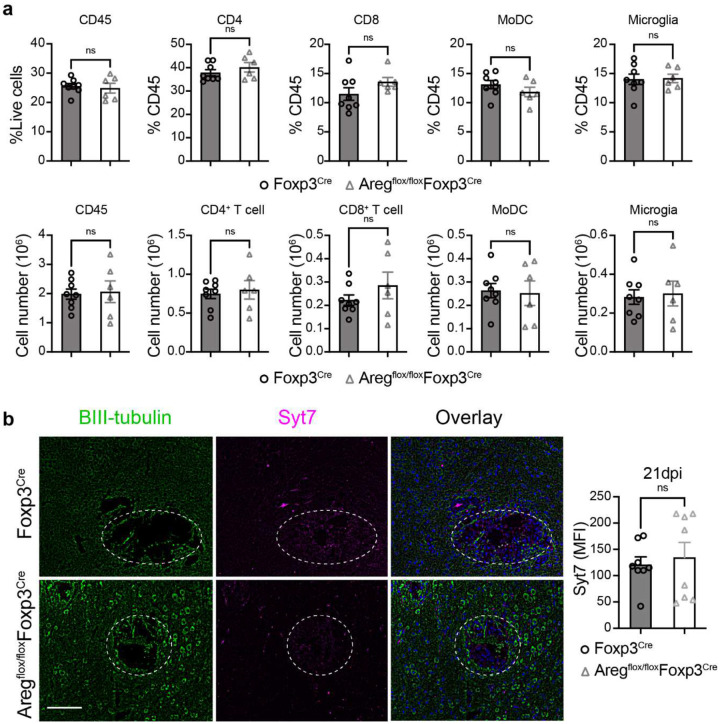 Figure 13
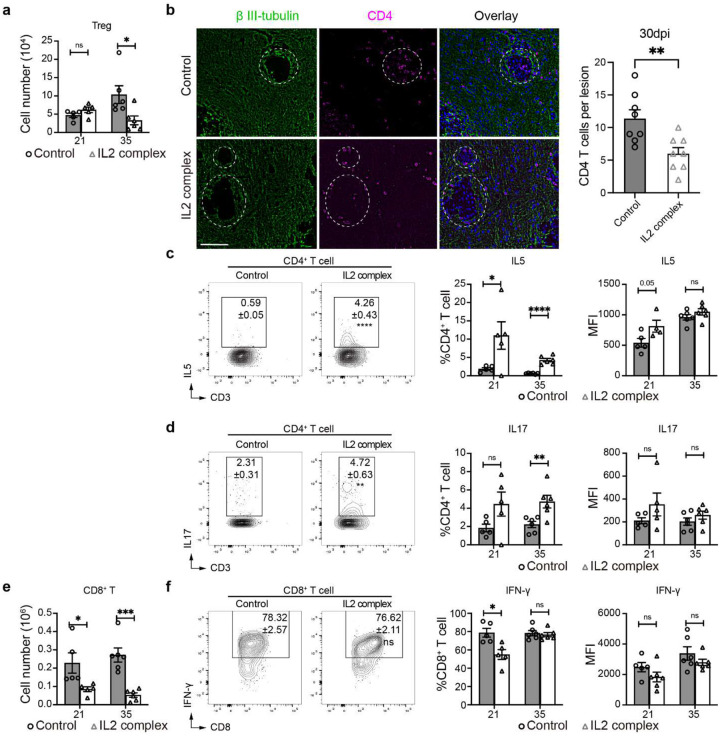 Figure 14
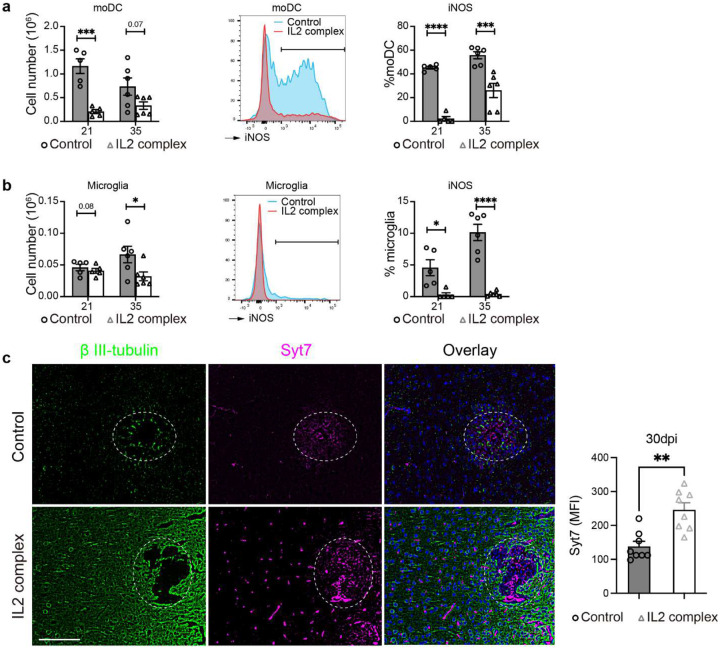 Figure 15
Peer Reviews
No public reviews on file for this paper yet. If you reviewed it on a platform where reviews are public (OpenReview, ICLR, NeurIPS, ICML), you can paste yours below so the community can read it here.
Videos
No videos yet. Explain this paper in a talk, walkthrough, or lecture? Add one.
Taxonomy
TopicsFungal Infections and Studies · Antifungal resistance and susceptibility · Cytomegalovirus and herpesvirus research