Cell-specific responses of Anopheles gambiae fat body to blood feeding and infection at a single nuclei resolution
Carolina Barillas-Mury, Stephanie de Carvalho, Colton McNich, Ana Barletta

TL;DR
This study maps the cellular diversity of the mosquito fat body and shows how it responds to blood feeding and infection, revealing specialized roles in immunity and reproduction.
Contribution
The paper provides a high-resolution single-nuclei atlas of Anopheles gambiae fat body cells and their dynamic responses to blood feeding and immune challenges.
Findings
Five subpopulations of trophocytes were identified, including immune-responsive and vitellogenic cells.
Oenocytes increased lipid biosynthesis enzymes in response to immune priming.
Vitellogenin mRNA was localized apically in trophocytes facing the hemolymph after blood feeding.
Abstract
The mosquito fat body plays key roles in metabolism and immunity, yet its cellular diversity and functional specialization remain unclear. We characterized the Anopheles gambiae fat body and associated cells, examining their responses to blood feeding, bacterial infection, and immune priming following Plasmodium berghei infection, at single-cell resolution. We analyzed 97,650 nuclei from the female mosquito’s abdominal body wall and identified seven major cell types. Fat body trophocytes were the most abundant (~ 85% of cells), while sessile hemocytes represented 7.4% of cells. Trophocytes consisted of five subpopulations, including basal (T1, T2), metabolic-enriched (T3), immune-responsive (T4), and a vitellogenic population (T5) exclusive to blood-fed females. T4 trophocytes exhibited constitutive expression of immune genes, while multiple cell types, including other trophocytes,…
Genes, proteins, chemicals, diseases, species, mutations and cell lines named across the full text — each resolved to its canonical identifier and authoritative record.
Click any figure to enlarge with its caption.
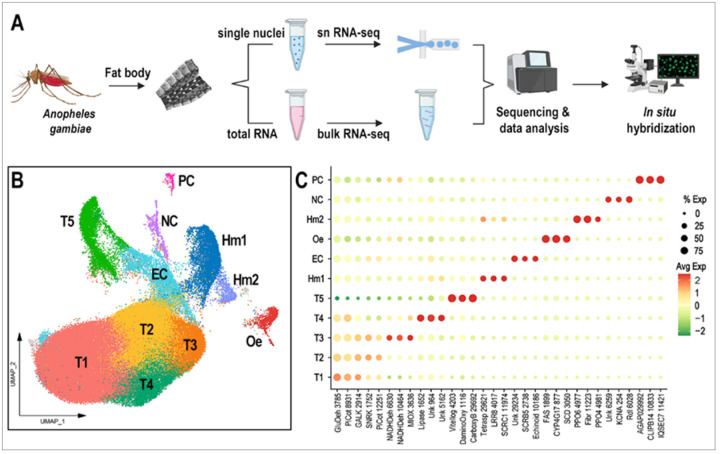 Figure 1
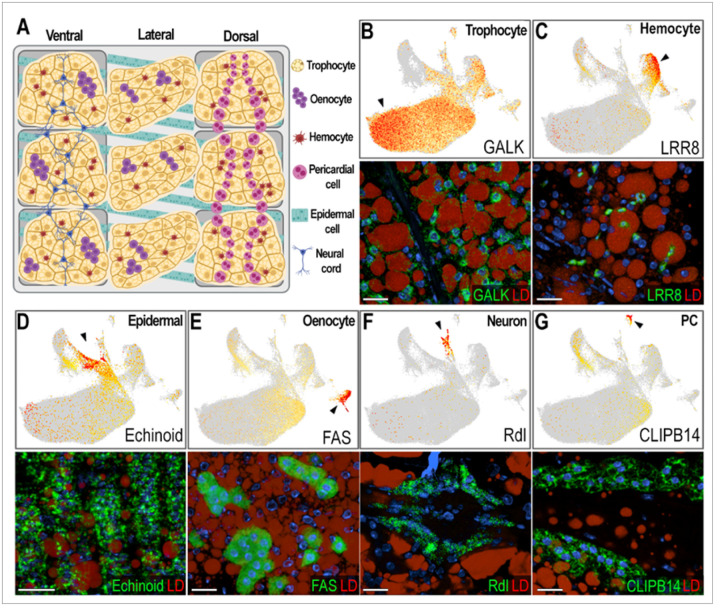 Figure 2
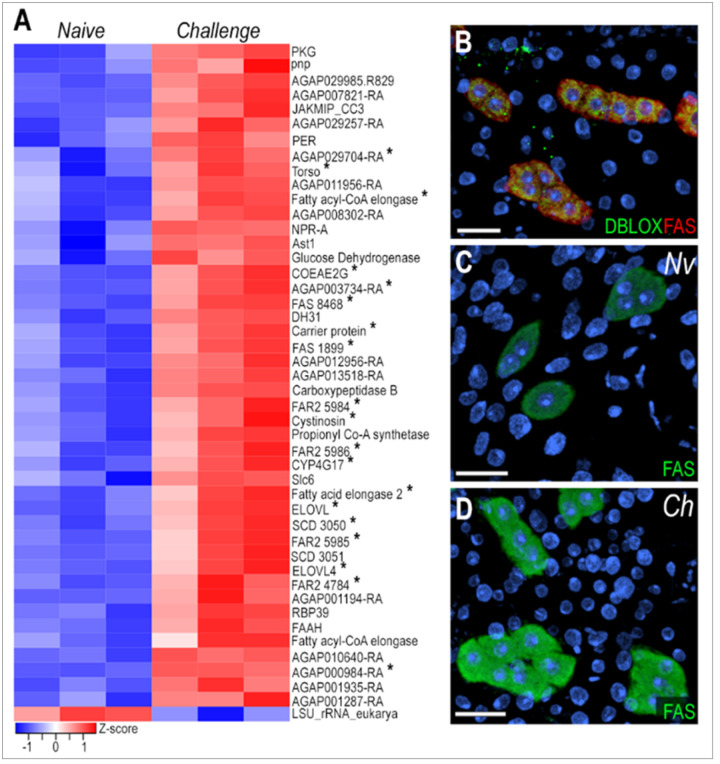 Figure 3
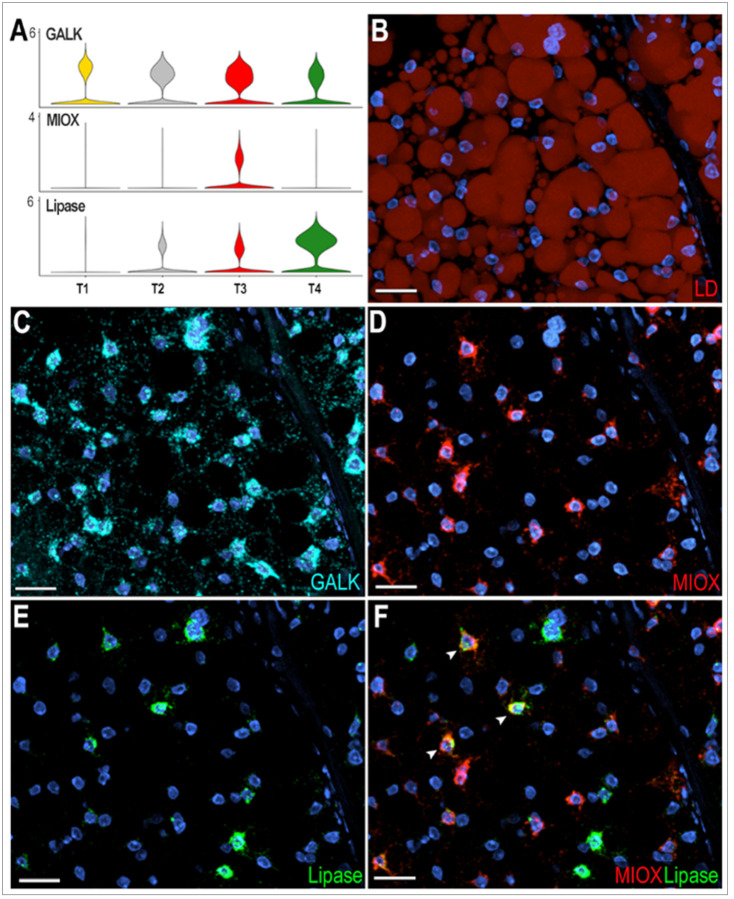 Figure 4
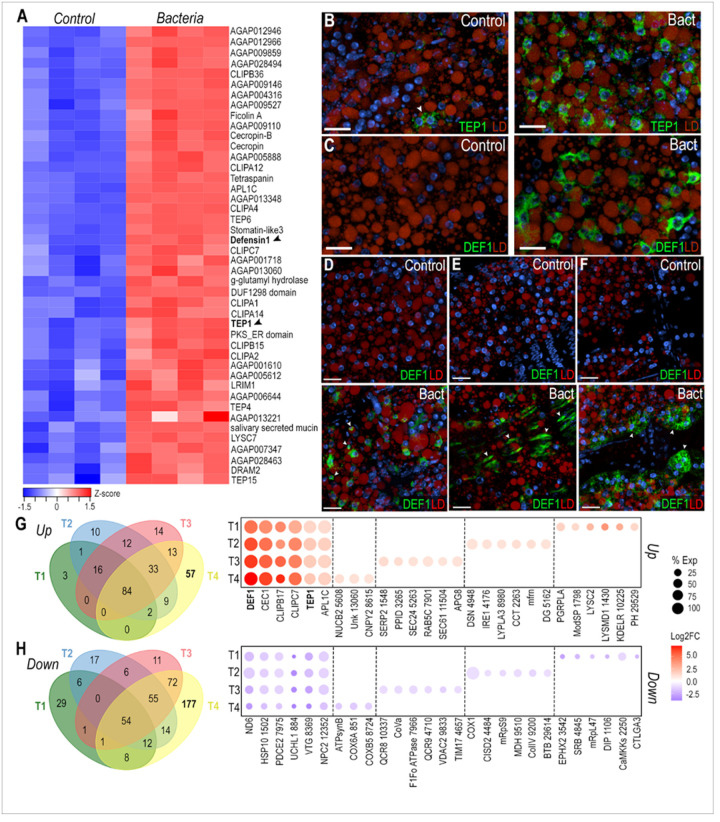 Figure 5
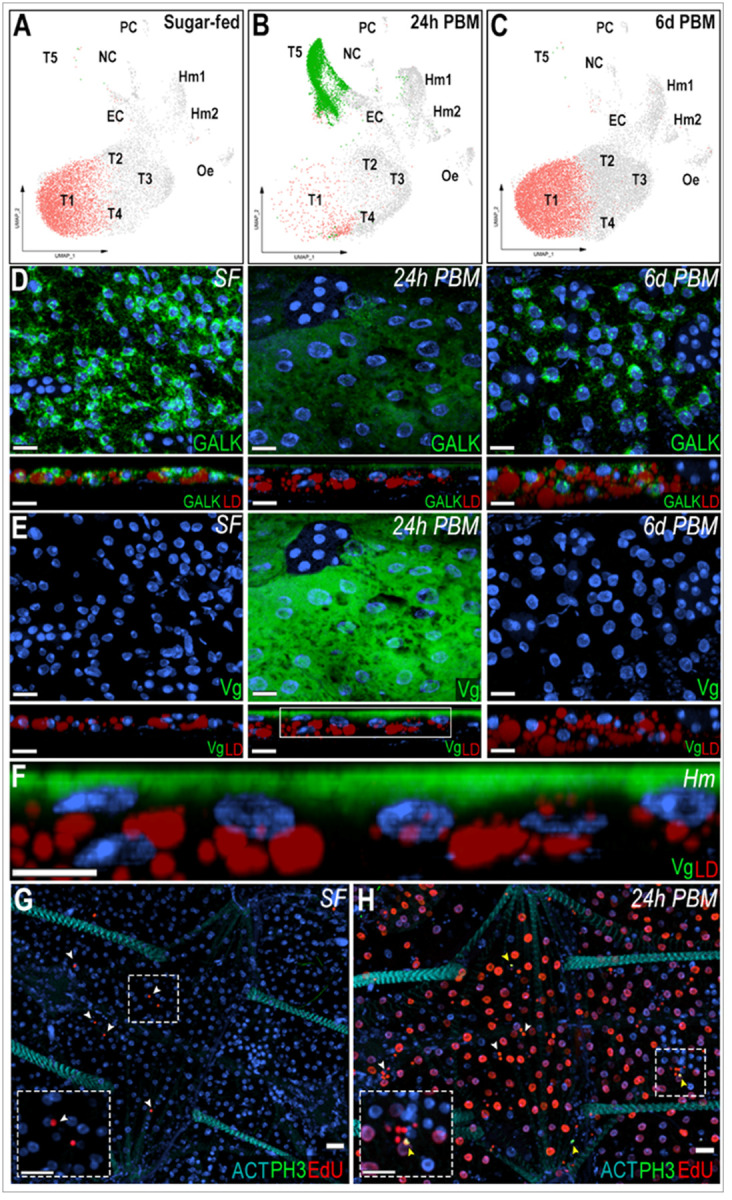 Figure 6
Peer Reviews
No public reviews on file for this paper yet. If you reviewed it on a platform where reviews are public (OpenReview, ICLR, NeurIPS, ICML), you can paste yours below so the community can read it here.
Videos
No videos yet. Explain this paper in a talk, walkthrough, or lecture? Add one.
Taxonomy
TopicsInvertebrate Immune Response Mechanisms · Insect Resistance and Genetics · Mosquito-borne diseases and control