Streptococcus pneumoniae synchronizes the states of cell wall peptidoglycan acetylation and genome methylation by programmed DNA inversions
Xiu-Yuan Li, Ping He, Shaomeng Wang, Yusong Wang, Dingfei Yan, Xiaohui Liu, Haiteng Deng, Zhixing Feng, Juanjuan Wang, Jing-Ren Zhang, Helena Boshoff, Helena Boshoff, Helena Boshoff, Helena Boshoff

TL;DR
Streptococcus pneumoniae uses cell wall acetylation to control genome methylation and colony phase, linking metabolism to epigenetic changes.
Contribution
Discovery of a novel epigenetic mechanism linking cell wall acetylation to DNA methylation and phase variation in S. pneumoniae.
Findings
NAM O-acetylation controls colony phase by modulating DNA methyltransferase gene inversions.
O-acetylation correlates with acetyl-CoA and glucose levels, linking nutrient availability to epigenetic changes.
Multiple proteins form a signaling circuit connecting NAM O-acetylation to genome methylation patterns.
Abstract
Bacterial cell wall peptidoglycan (PG) consists of alternating β-(1,4) linked N-acetylmuramic acid (NAM) and N-acetylglucosamine (NAG). The C-6 hydroxyl group of NAM is acetylated by transmembrane O-acetyltransferases post PG biosynthesis in many pathogenic bacteria. This modification is important for bacterial resistance to lysozyme. It is also known that the extent of NAM O-acetylation varies greatly, depending on genetic background and growth phase. However, it remains unclear if the fluctuation of NAM O-acetylation has any function. In this study, we show that NAM O-acetylation functions as a potential extracellular signal of cellular metabolism for epigenetic response to nutrient conditions in human pathogen Streptococcus pneumoniae (pneumococcus). The O-acetylation was found to control reversible switch between opaque and transparent colony phases by modulating inversion reactions…
Genes, proteins, chemicals, diseases, species, mutations and cell lines named across the full text — each resolved to its canonical identifier and authoritative record.
Click any figure to enlarge with its caption.
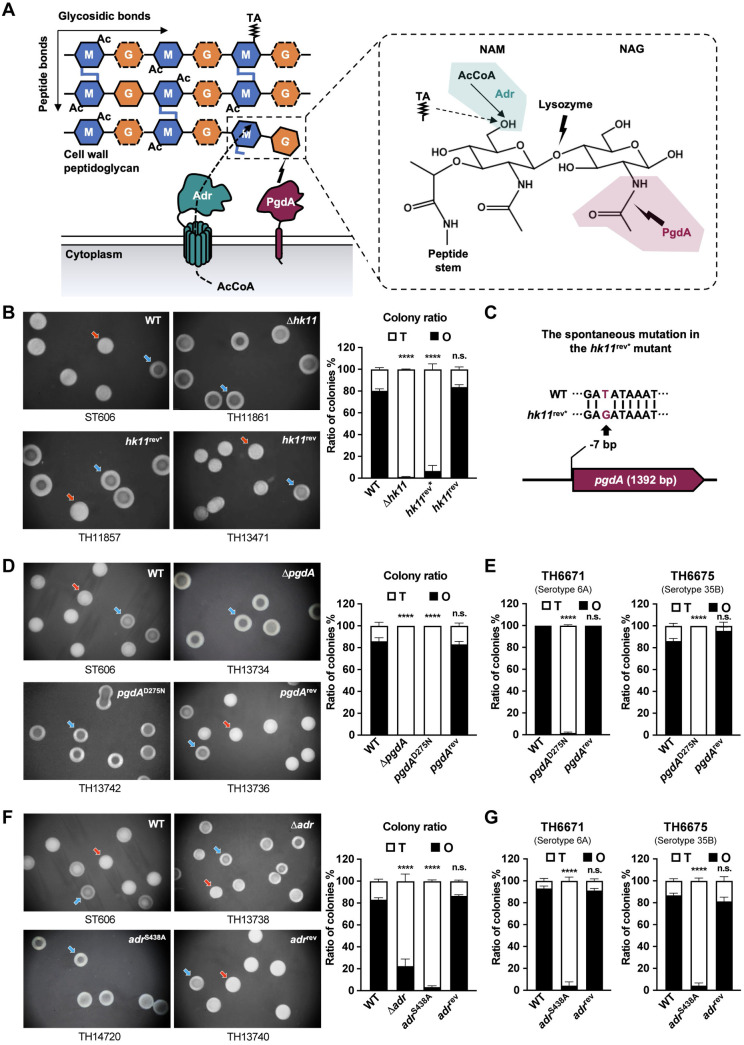 Figure 1
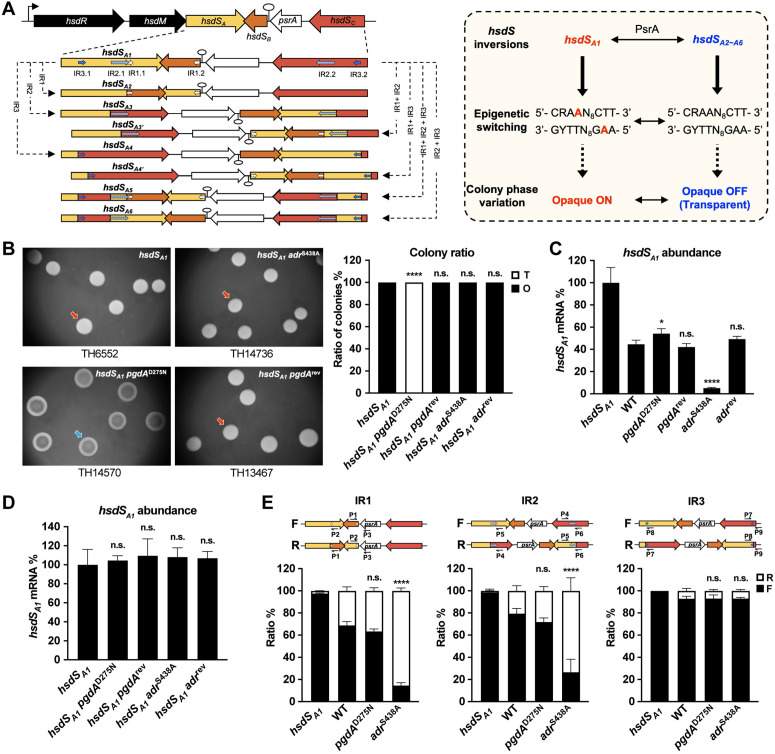 Figure 2
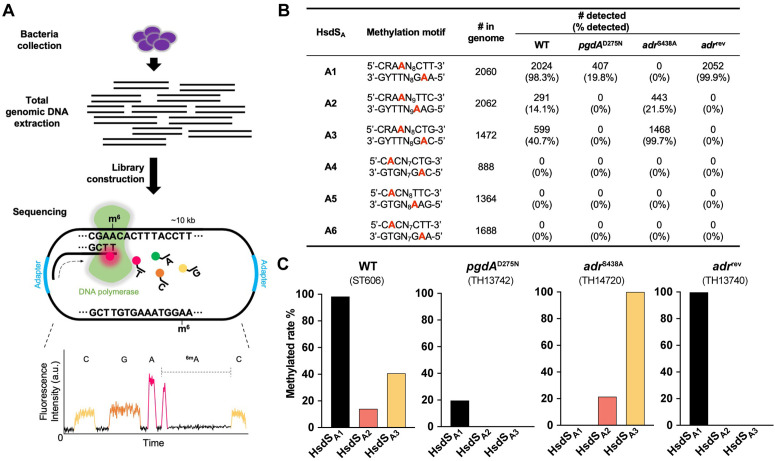 Figure 3
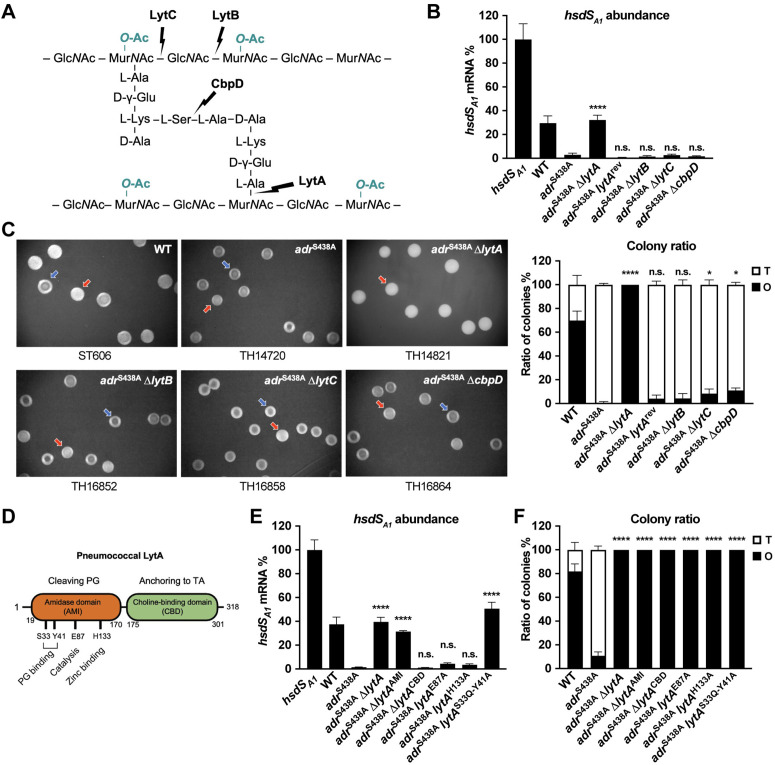 Figure 4
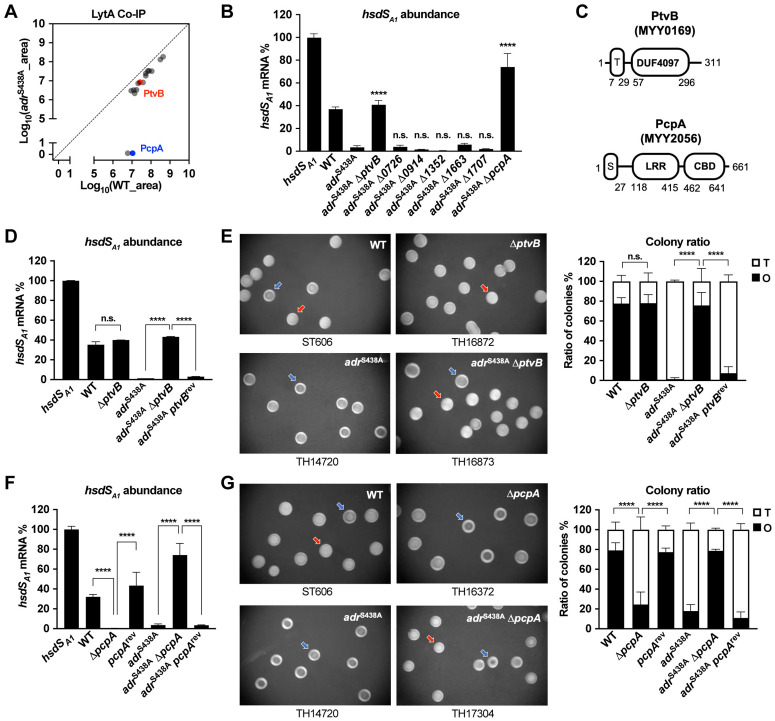 Figure 5
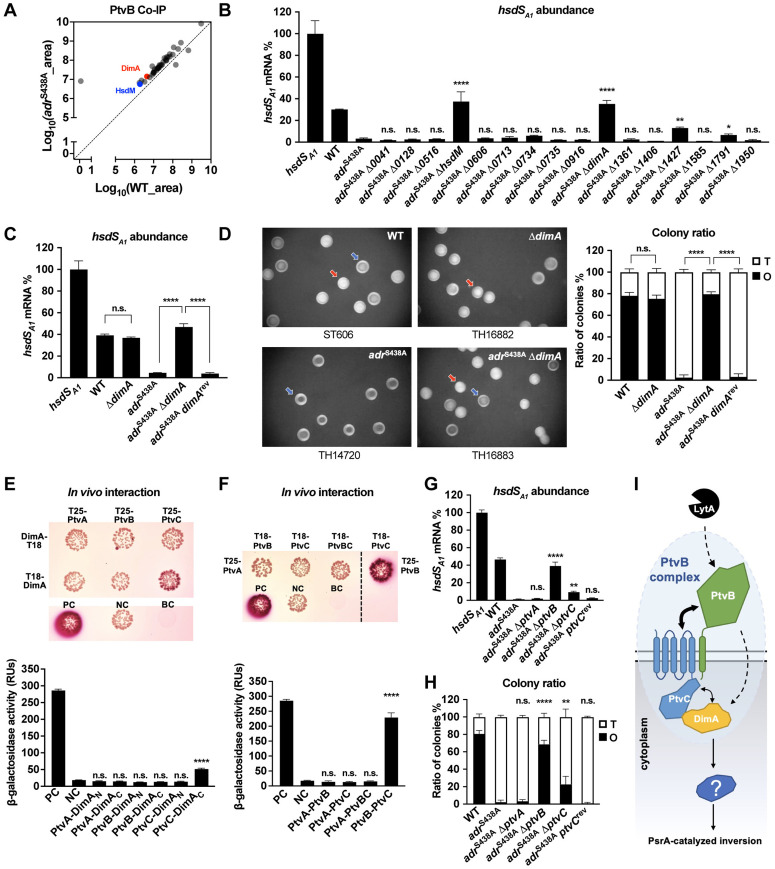 Figure 6
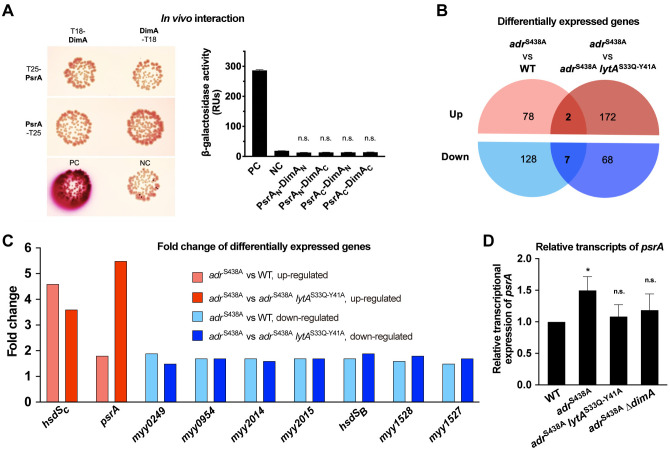 Figure 7
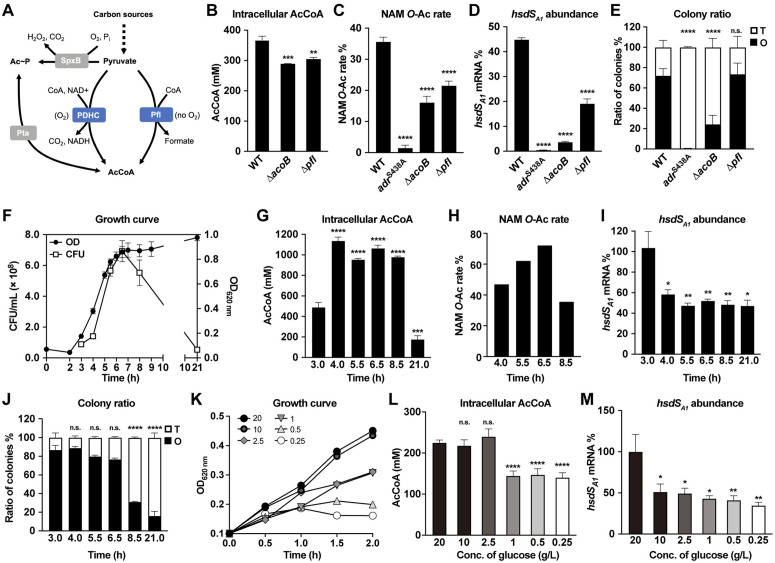 Figure 8
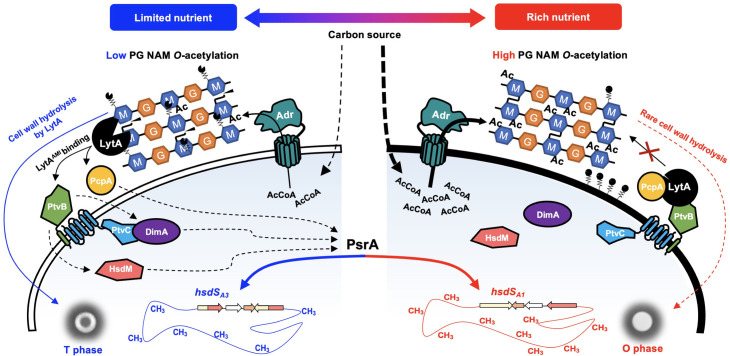 Figure 9
Peer Reviews
No public reviews on file for this paper yet. If you reviewed it on a platform where reviews are public (OpenReview, ICLR, NeurIPS, ICML), you can paste yours below so the community can read it here.
Videos
No videos yet. Explain this paper in a talk, walkthrough, or lecture? Add one.
Taxonomy
TopicsPneumonia and Respiratory Infections · RNA and protein synthesis mechanisms · Bacterial Genetics and Biotechnology