Isolation and characterization of a Chlamydia muridarum tc0237 mutant from a genetic screen that is attenuated in epithelial cells
Kaylee R. Jacobs, Caleb M. Ardizzone, Arkaprabha Banerjee, Evelyn Toh, Xiaoli Zhang, David E. Nelson

TL;DR
Researchers identified a mutated gene in a mouse-infecting Chlamydia species that affects its ability to grow in certain epithelial cells.
Contribution
A forward genetic screen identified a C. muridarum mutant with an attenuated phenotype in epithelial cells due to a mutation in tc0237.
Findings
A C. muridarum mutant with a missense mutation in tc0237 shows reduced growth in murine rectal and oviduct epithelial cells.
The tc0237 mutation causes a developmental delay in rectal epithelial cells independent of interferon gamma.
The tc0237 gene influences C. muridarum tissue tropism by affecting epithelial cell interactions.
Abstract
Chlamydia are obligate intracellular bacterial pathogens that infect a wide range of vertebrate hosts. Despite having highly conserved genomes, closely related Chlamydia species can exhibit distinct host and tissue tropisms. The host tropisms of the human pathogen Chlamydia trachomatis and the closely related mouse pathogen Chlamydia muridarum are influenced by their ability to evade host immune responses, particularly those mediated by interferon gamma. However, there is evidence that tissue tropism is driven by additional poorly understood host and Chlamydia factors. In this study, we used a forward genetic approach to investigate the mechanisms that mediate C. muridarum tissue tropism. We conducted a tropism screen using a randomly mutagenized C. muridarum library and murine cell lines representing different tissues. We identified a mutant isolate whose growth was restricted in…
Genes, proteins, chemicals, diseases, species, mutations and cell lines named across the full text — each resolved to its canonical identifier and authoritative record.
Click any figure to enlarge with its caption.
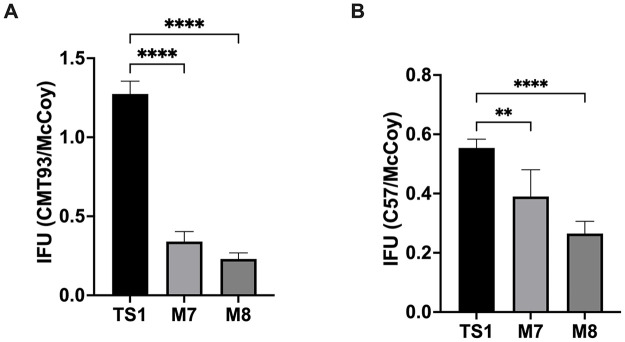 Figure 1
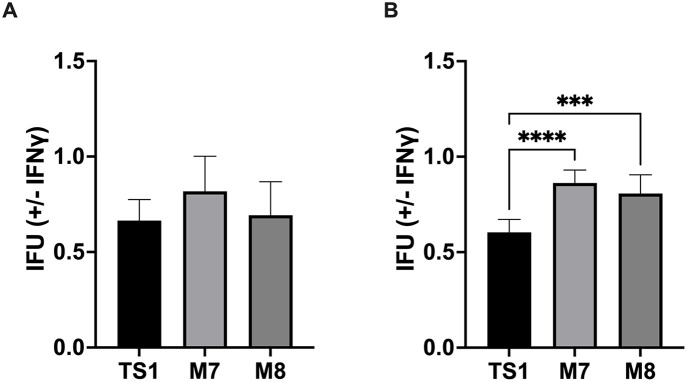 Figure 2
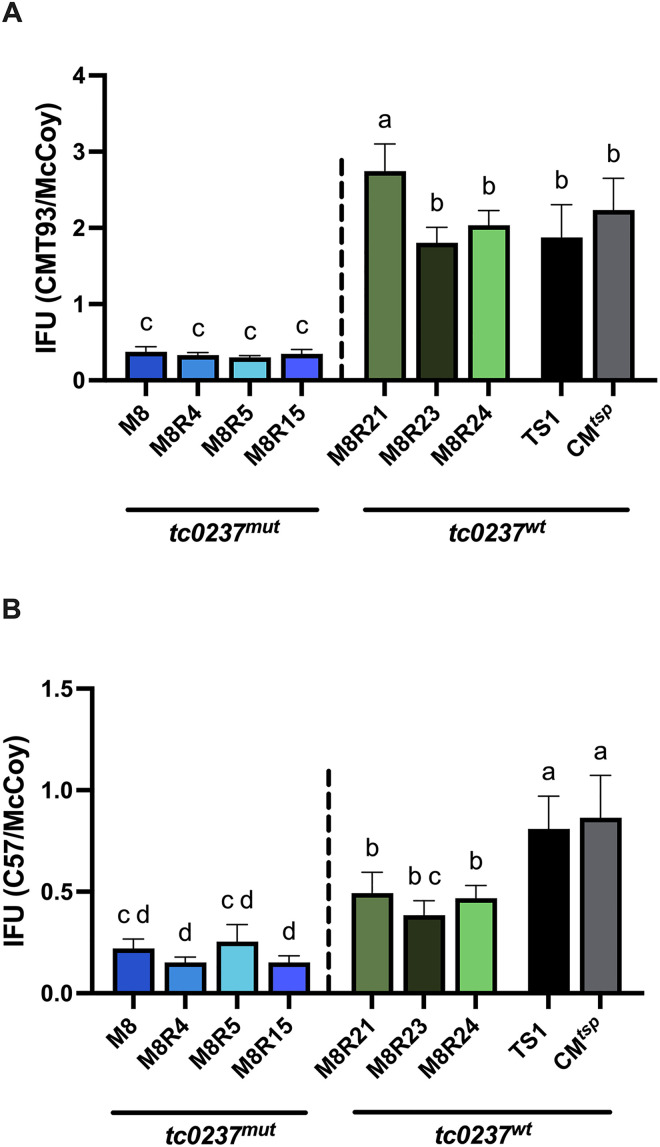 Figure 3
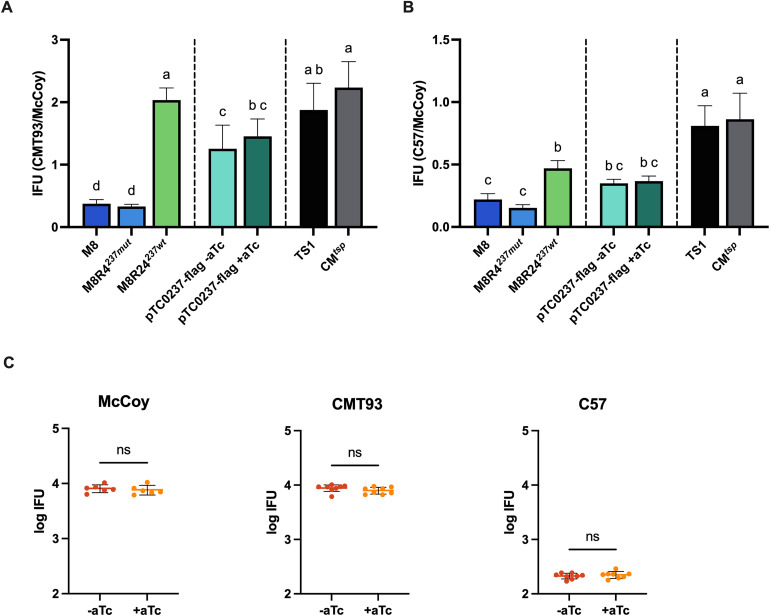 Figure 4
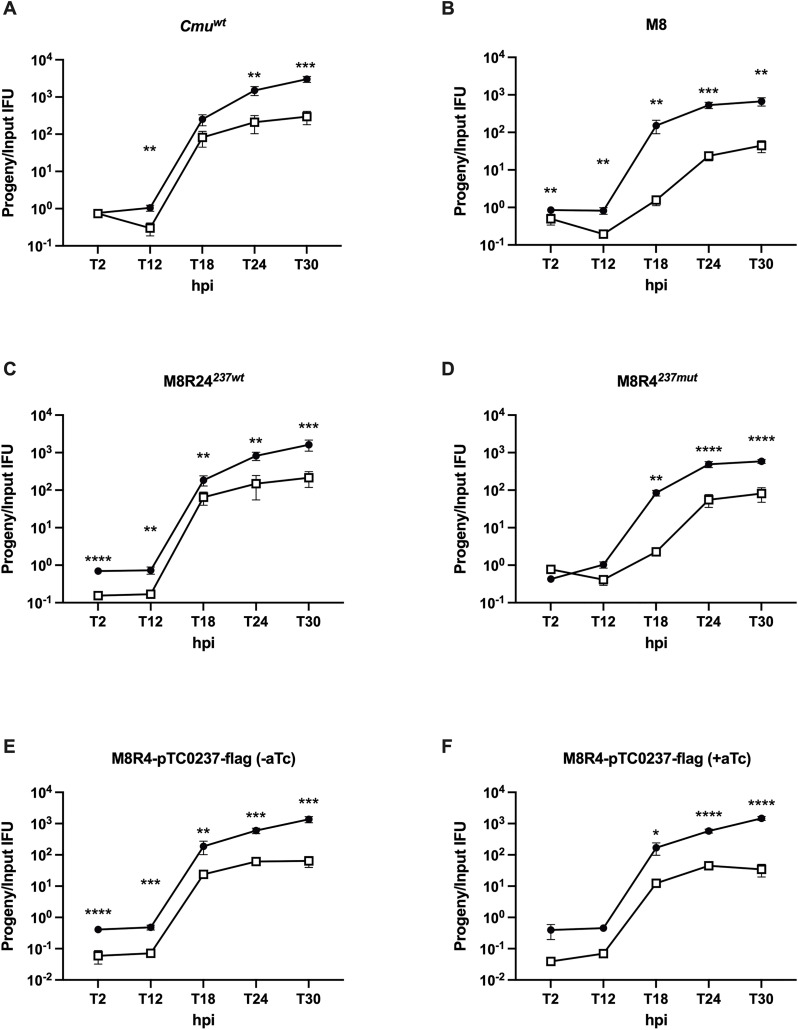 Figure 5
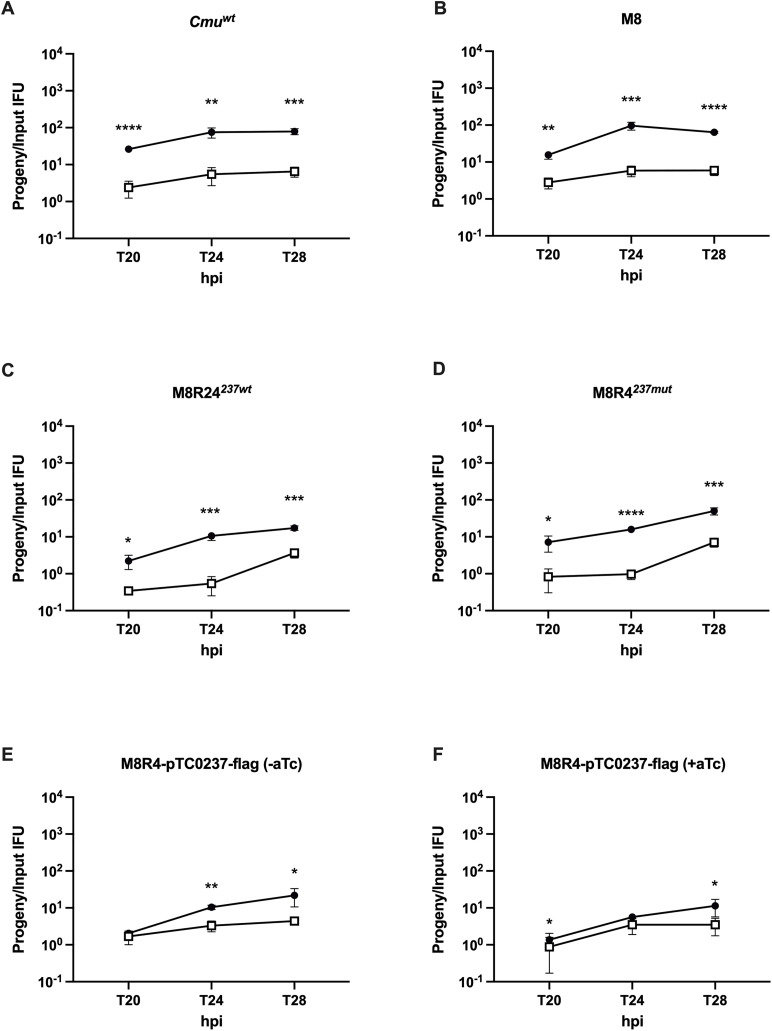 Figure 6
Peer Reviews
No public reviews on file for this paper yet. If you reviewed it on a platform where reviews are public (OpenReview, ICLR, NeurIPS, ICML), you can paste yours below so the community can read it here.
Videos
No videos yet. Explain this paper in a talk, walkthrough, or lecture? Add one.
Taxonomy
TopicsReproductive tract infections research · Plant and fungal interactions · Cervical Cancer and HPV Research