A new giraffe ossicone from Wolf Camp, Tunggur Formation, Inner Mongolia suggests a new genus in Bohlinini (Artiodactyla, Giraffidae)
Xiaoming Wang, Nikos Solounias, Su-kuan Hou, Lu Li, Yukimitsu Tomida

TL;DR
A newly discovered giraffe ossicone from Inner Mongolia suggests a new genus in the evolution of giraffes.
Contribution
The discovery introduces a new genus, Qilin, based on a uniquely shaped ossicone from the Middle Miocene.
Findings
The new ossicone morphology led to the naming of a new genus, Qilin.
Qilin tungurensis shares dental traits with Bohlinini, supporting its classification in this tribe.
The ossicone and limb features suggest an important stage in giraffine evolution.
Abstract
The classic Middle Miocene Wolf Camp locality discovered in 1930 by the Third Asiatic Expeditions of the American Museum of Natural History has been long known to produce an extinct giraffe, Palaeotragus tungurensis Colbert, 1936. Its dental and limb morphology offers tantalizing clues to a close relationship to the living giraffe, Giraffa. Its ossicone, a key part of the giraffe anatomy, is unknown since its initial description. Our discovery, in 2011, of an almost perfectly preserved ossicone from Wolf Camp thus fills this void and is described herein. Novel morphology of the ossicone, unlike any known so far, warrants a new generic name, Qilin, and Q. tungurensis adds important evidence that this Middle Miocene record from Inner Mongolia represents a key taxon in the evolution of the subfamily Giraffinae. Ossicone morphology is fundamentally similar to that of living Giraffa as well…
Genes, proteins, chemicals, diseases, species, mutations and cell lines named across the full text — each resolved to its canonical identifier and authoritative record.
Click any figure to enlarge with its caption.
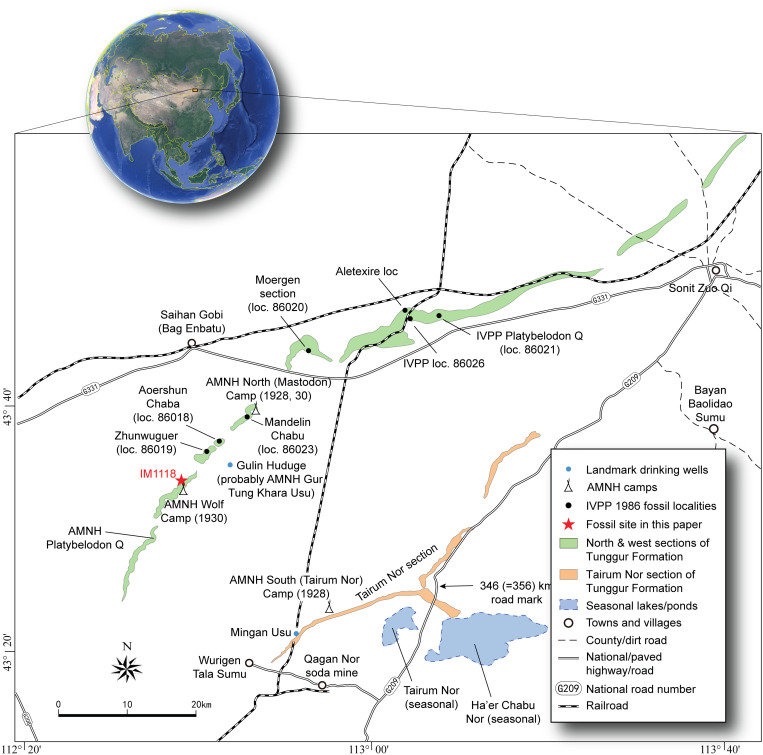 Figure 1
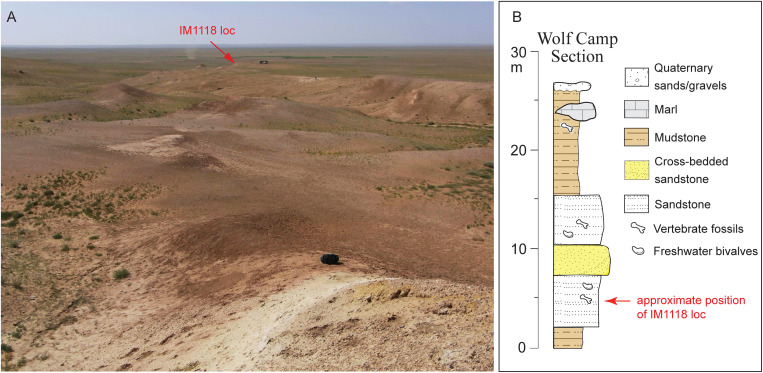 Figure 2
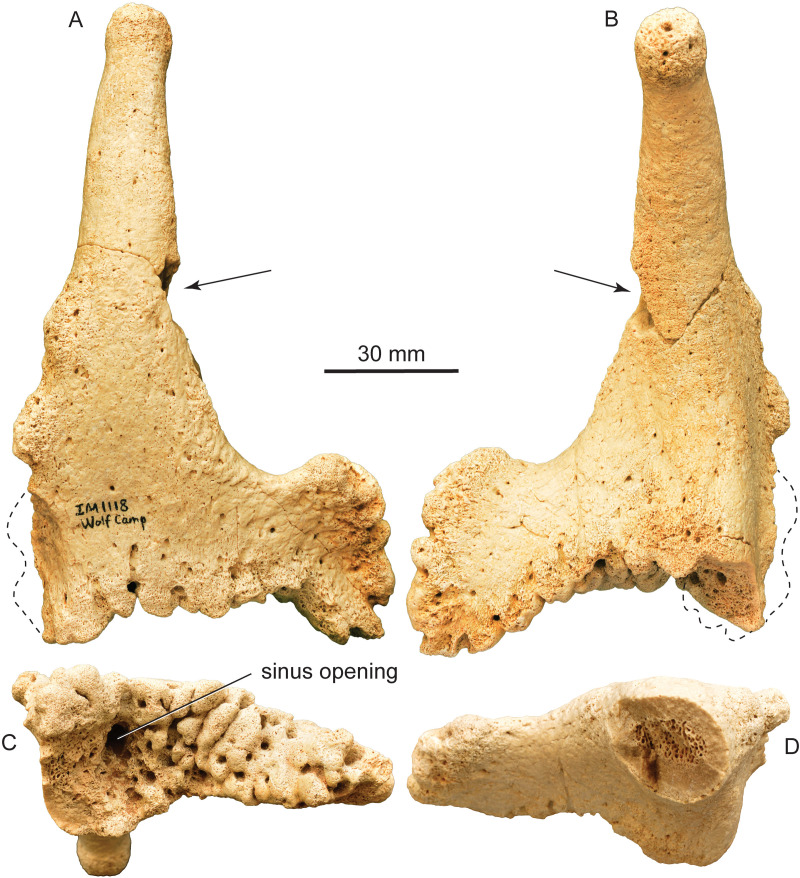 Figure 3
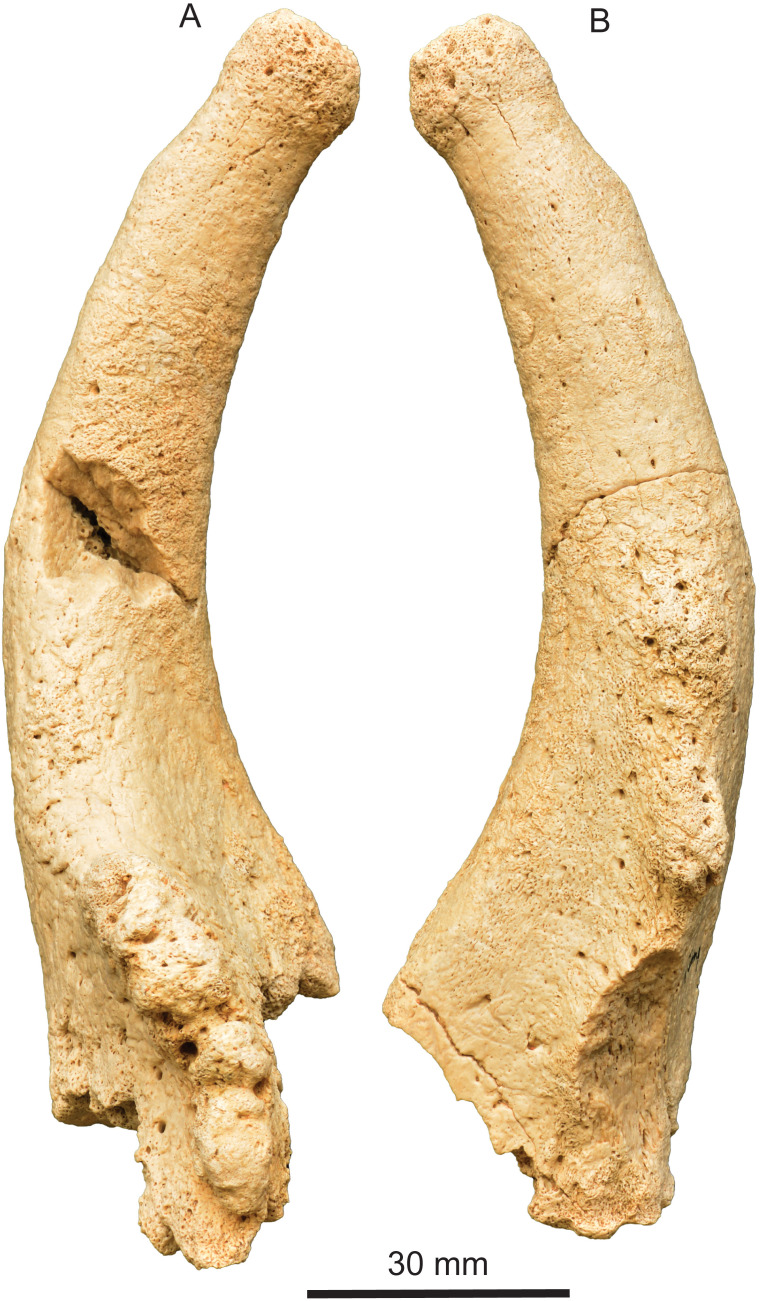 Figure 4
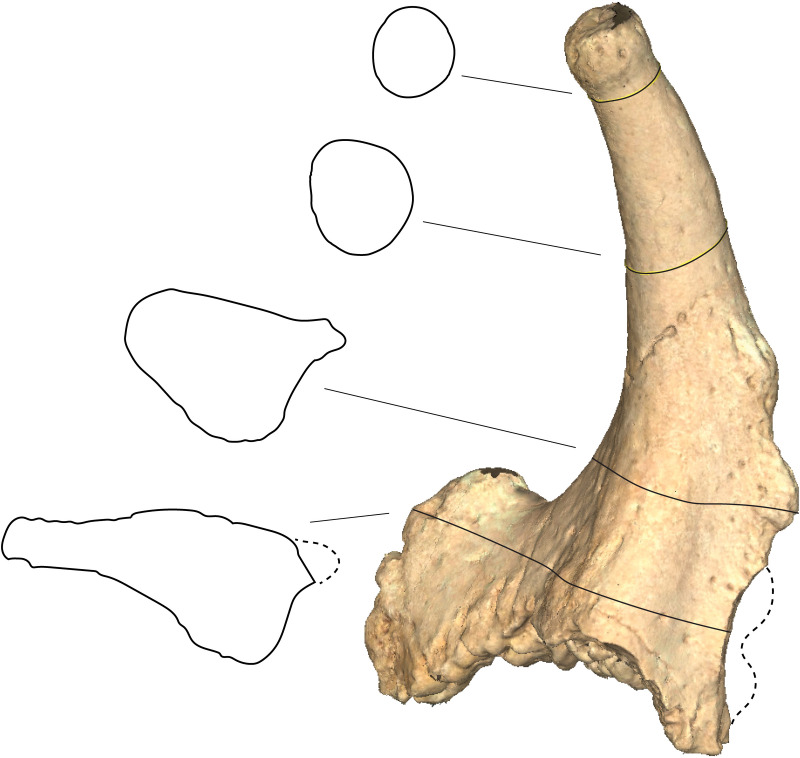 Figure 5
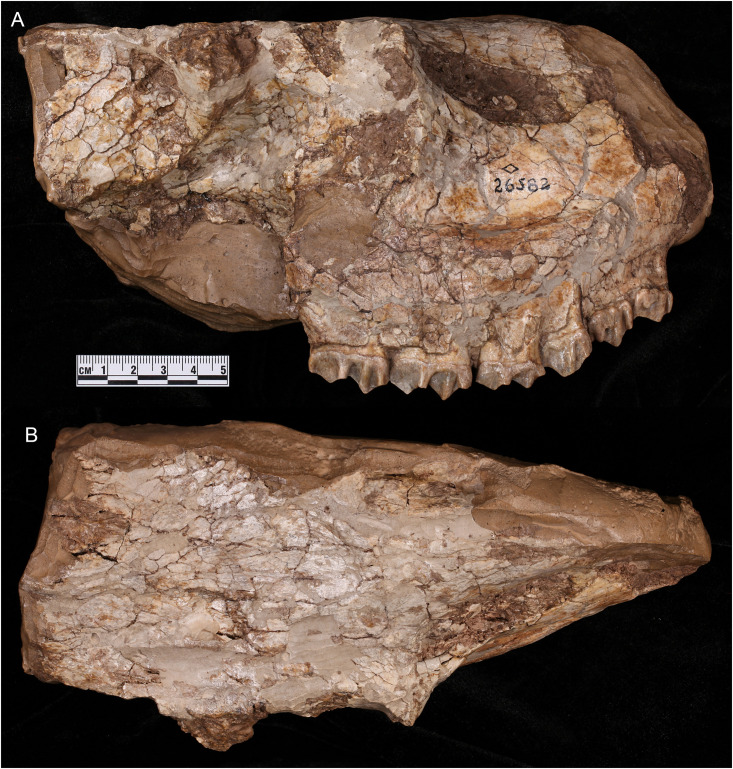 Figure 6
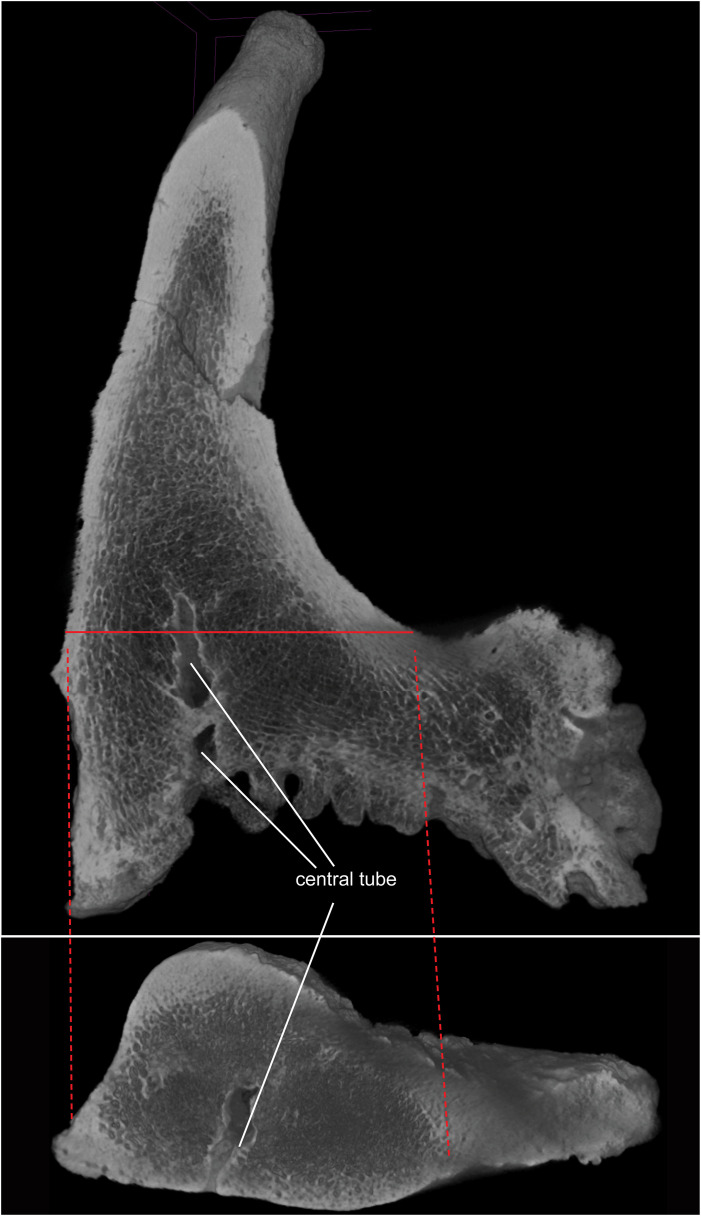 Figure 7
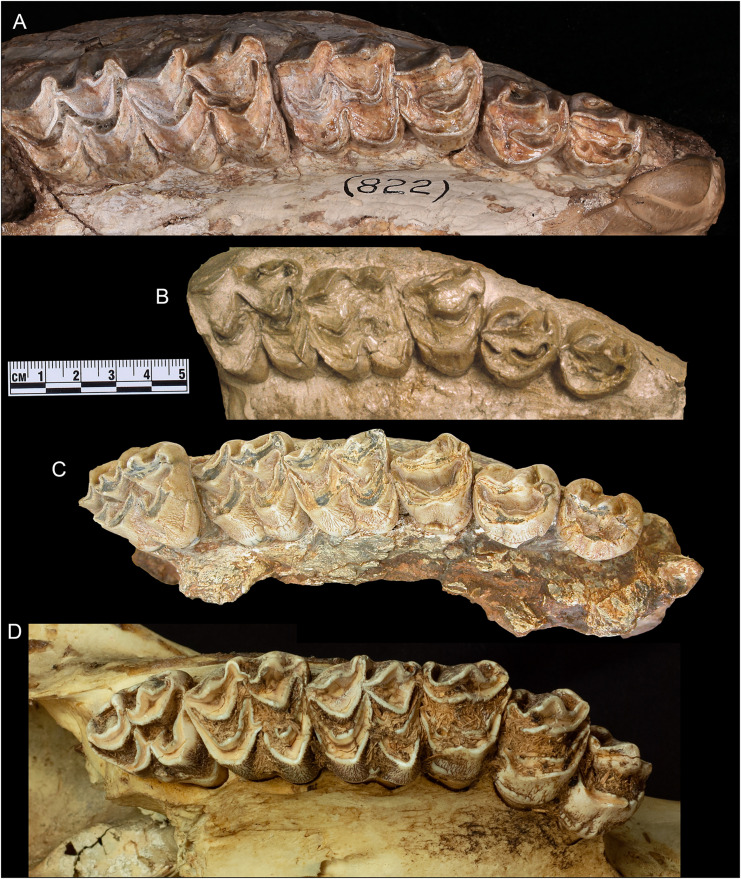 Figure 8
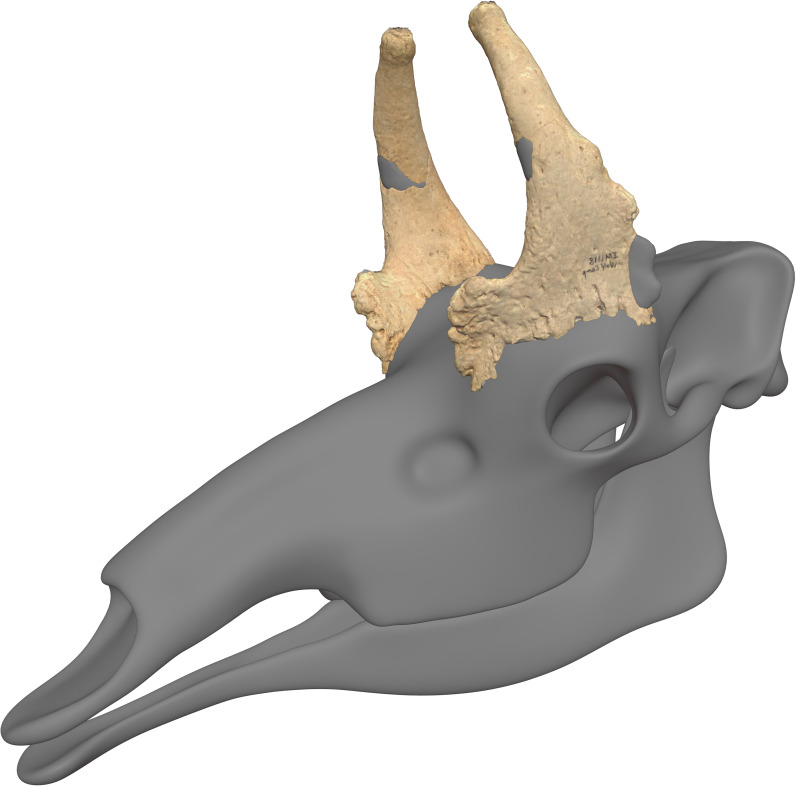 Figure 9
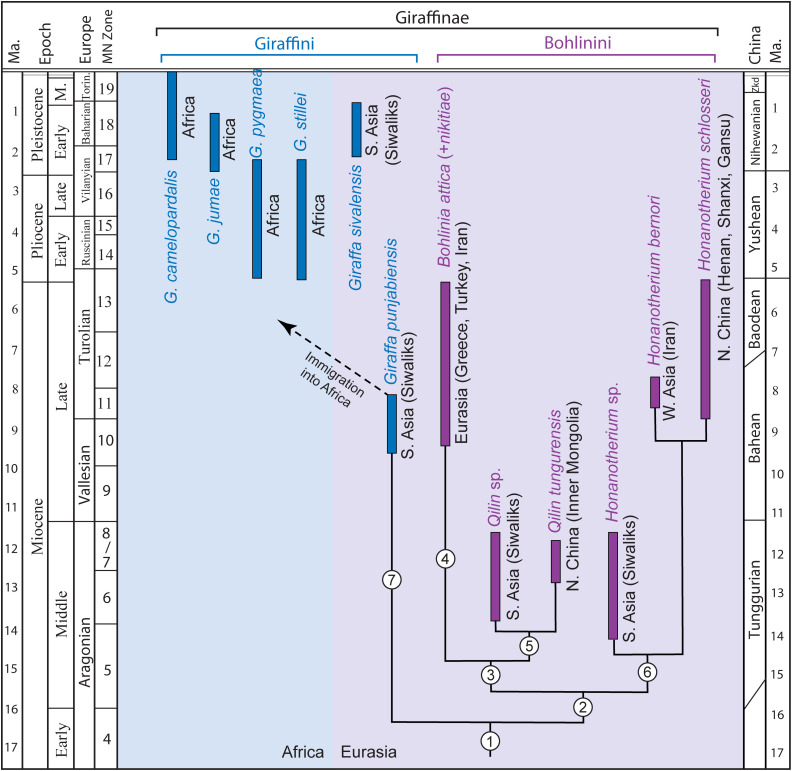 Figure 10
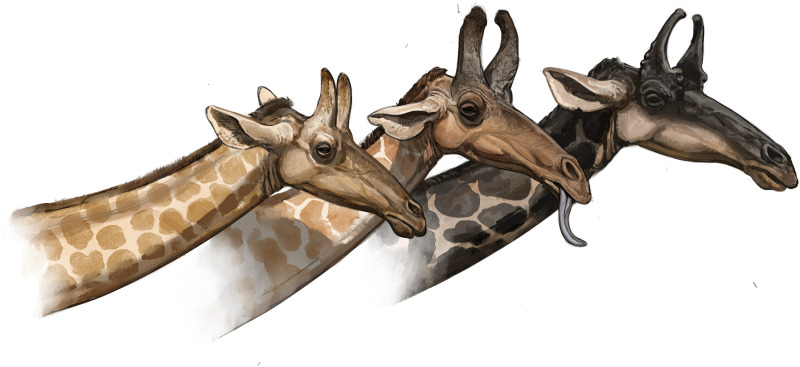 Figure 11
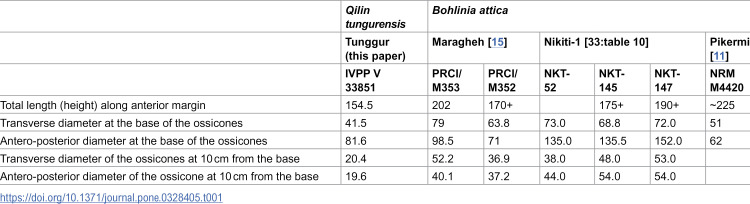 Figure 12
Peer Reviews
No public reviews on file for this paper yet. If you reviewed it on a platform where reviews are public (OpenReview, ICLR, NeurIPS, ICML), you can paste yours below so the community can read it here.
Videos
No videos yet. Explain this paper in a talk, walkthrough, or lecture? Add one.
Taxonomy
TopicsEvolution and Paleontology Studies · Paleontology and Evolutionary Biology · Pleistocene-Era Hominins and Archaeology