Structure-based identification of bioactive compounds as trace amine-associated receptor 1 agonists for the therapeutic management of major depressive disorder
Abdelbaset Mohamed Elasbali, Ahmed S. Ali, Mohd Adnan, Taj Mohammad, Anas Shamsi, Md. Imtaiyaz Hassan, Ahmed A. Al-Karmalawy, Ahmed A. Al-Karmalawy, Ahmed A. Al-Karmalawy

TL;DR
Researchers identified two plant-based compounds that could act as new antidepressants by targeting a specific brain receptor linked to depression.
Contribution
Discovery of two novel phytochemicals as potential TAAR1 agonists with drug-like properties for treating depression.
Findings
Bianthraquinone and Peimisine showed strong binding affinities and drug-like properties as TAAR1 agonists.
Molecular interactions with TAAR1 included hydrogen bonds, hydrophobic contacts, and π-π stacking.
Molecular dynamics simulations confirmed stability and favorable conformational interactions of the compounds.
Abstract
The global burden of major depressive disorder (MDD) drives ongoing efforts to develop safer and more targeted treatment strategies. Modern advances have identified trace amine-associated receptor 1 (TAAR1) as a promising non-monoaminergic target with demonstrated efficacy in treating neuropsychiatric conditions, including MDD. Discovering TAAR1 agonists holds promise for modulating neuropsychiatric disorders while potentially reducing the common side effects associated with conventional therapies. This study employed a structure-based virtual screening approach to identify potential TAAR1 agonists from the IMPPAT database, a curated collection of Indian medicinal plant-derived bioactive phytoconstituents. The initial filtering was done on the compounds based on Lipinski’s rule of five, which was followed by molecular docking, PAINS screening, pharmacokinetic evaluation, and bioactivity…
Genes, proteins, chemicals, diseases, species, mutations and cell lines named across the full text — each resolved to its canonical identifier and authoritative record.
Click any figure to enlarge with its caption.
 Figure 1
 Figure 2
 Figure 3
 Figure 4
 Figure 5
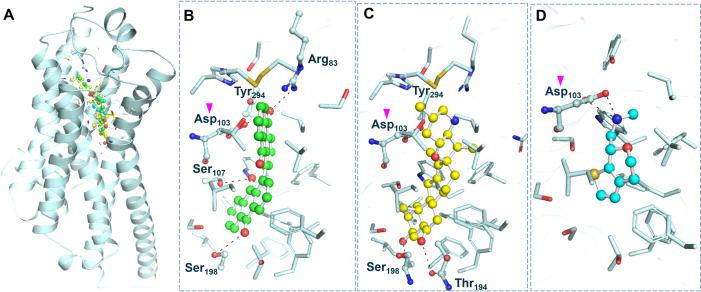 Figure 6
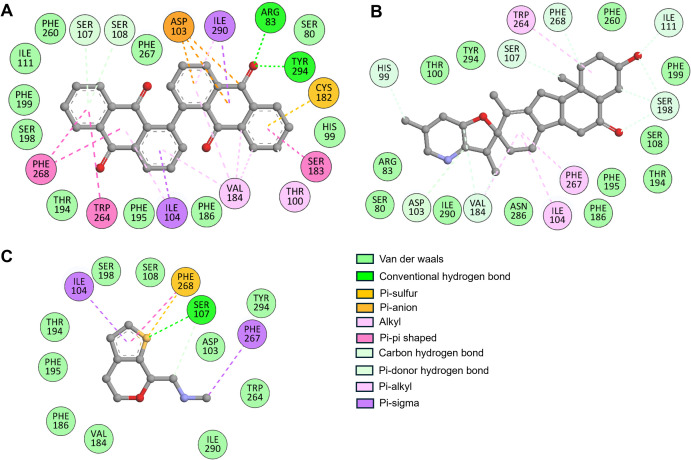 Figure 7
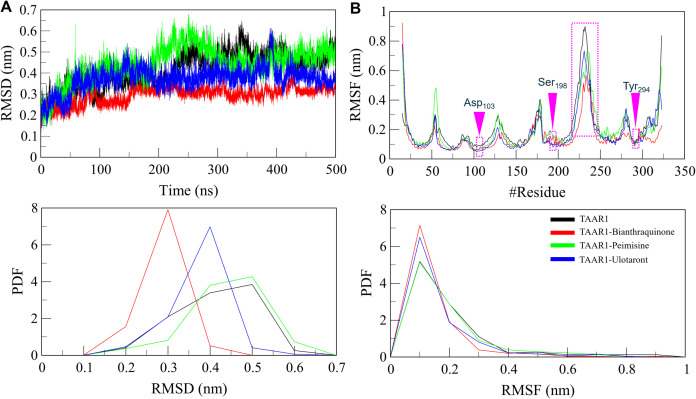 Figure 8
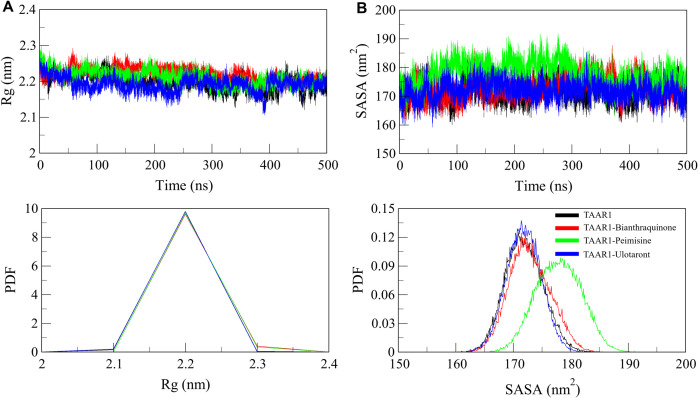 Figure 9
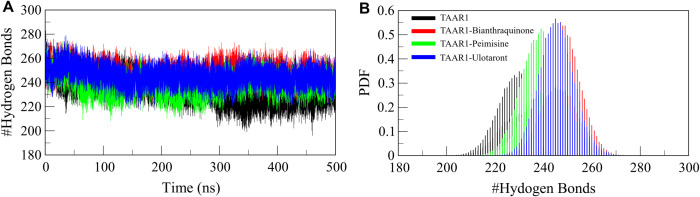 Figure 10
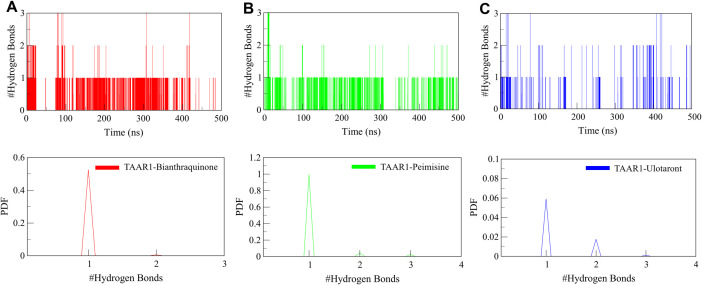 Figure 11
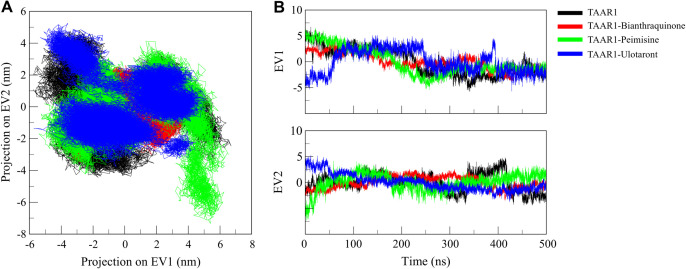 Figure 12
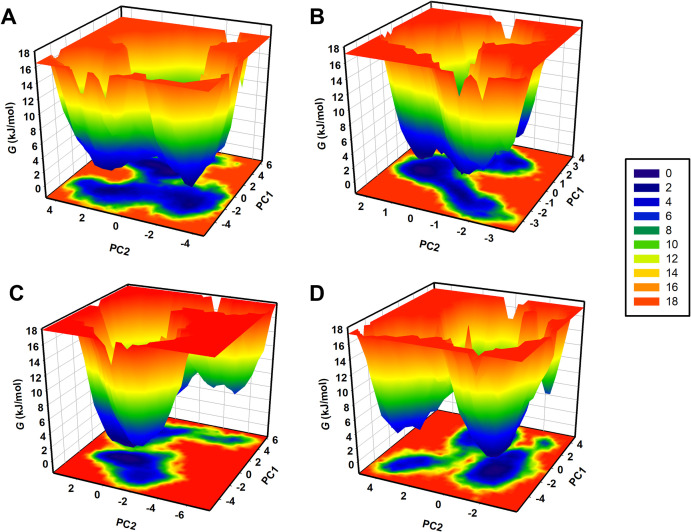 Figure 13
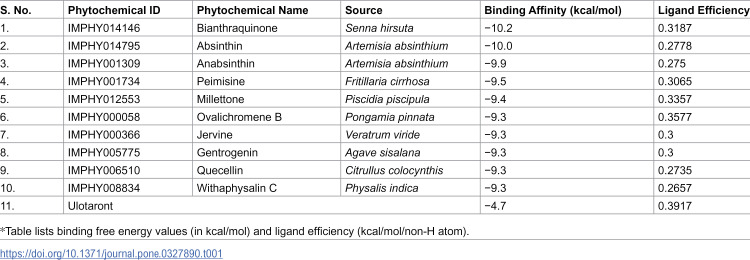 Figure 14
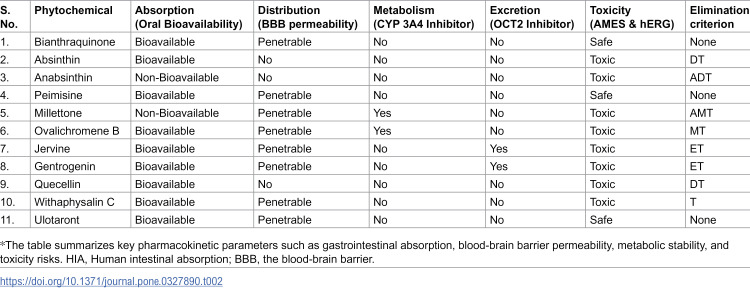 Figure 15
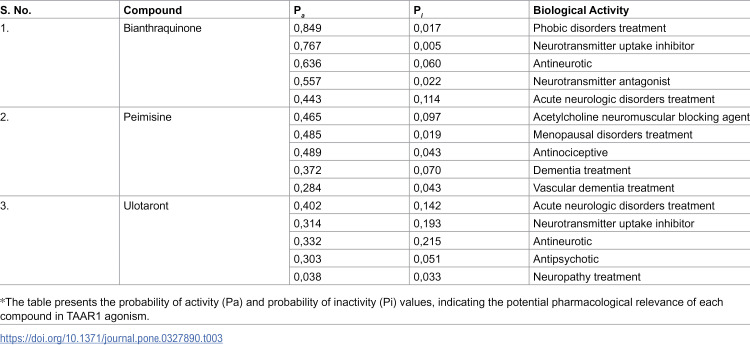 Figure 16
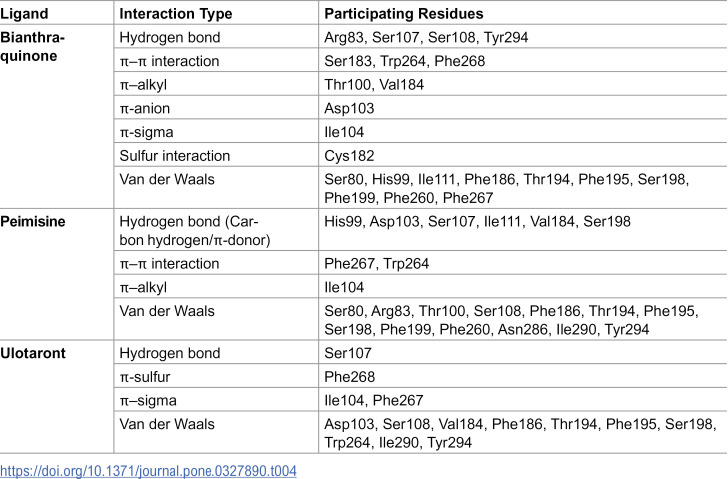 Figure 17
 Figure 18
 Figure 19
Peer Reviews
No public reviews on file for this paper yet. If you reviewed it on a platform where reviews are public (OpenReview, ICLR, NeurIPS, ICML), you can paste yours below so the community can read it here.
Videos
No videos yet. Explain this paper in a talk, walkthrough, or lecture? Add one.
Taxonomy
TopicsComputational Drug Discovery Methods · Tryptophan and brain disorders · Receptor Mechanisms and Signaling