Nationwide investigation of eukaryotic pathogens in ticks from cattle and sheep in Kyrgyzstan using metabarcoding
Singeun Oh, Nathalie Amvongo-Adjia, Hyun Jung Kim, Jun Ho Choi, Xavier Chavarria, Myung-hee Yi, Arwa Shatta, Bekbolsun Aknazarov, Ju Yeong Kim, Jung-Won Ju

TL;DR
This study uses DNA sequencing to identify protozoan pathogens in ticks from cattle and sheep across Kyrgyzstan, revealing regional and host-specific patterns of Babesia and Theileria.
Contribution
First nationwide metabarcoding study of eukaryotic pathogens in ticks from Kyrgyzstan, focusing on Babesia and Theileria at the genus level.
Findings
Babesia and Theileria were the most prevalent protozoa detected in ticks, with Babesia more common in nymph-stage ticks and those from sheep.
Theileria showed broader distribution across tick species and hosts, with no significant variation by life stage or sex.
Babesia detection was highest in the Osh region, particularly in ticks from both cattle and sheep.
Abstract
Ticks are significant vectors of bacterial, viral, and protozoan pathogens, impacting both public health and agriculture. In Kyrgyzstan, tick-borne diseases are a growing concern for livestock and human health. While bacterial and viral pathogens are widely studied, and limited previous investigations have focused on specific Babesia and Theileria species in certain host animals, comprehensive data on tick eukaryotic microbiota and potential pathogens across diverse hosts nationwide is scarce. To address this gap, our study provides the comprehensive nationwide assessment of the potential protozoan pathogens in ticks from cattle and sheep, analyzing data of Babesia and Theileria at the genus level. We collected 472 tick samples from cattle and sheep across seven regions of Kyrgyzstan (March-July 2022). Tick species were identified via microscope and Sanger sequencing (mitochondrial COI…
Genes, proteins, chemicals, diseases, species, mutations and cell lines named across the full text — each resolved to its canonical identifier and authoritative record.
Click any figure to enlarge with its caption.
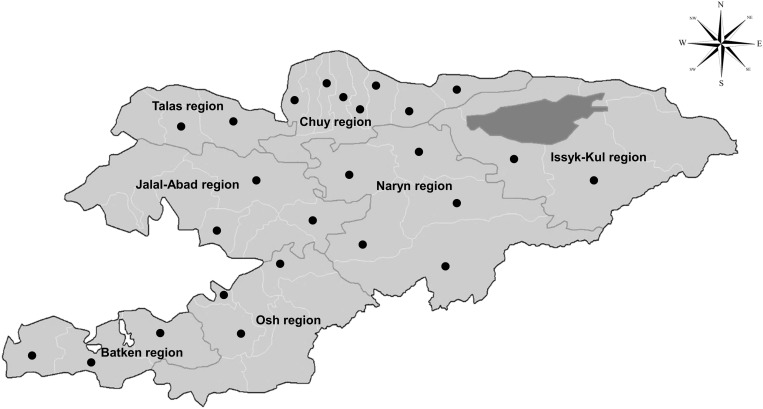 Figure 1
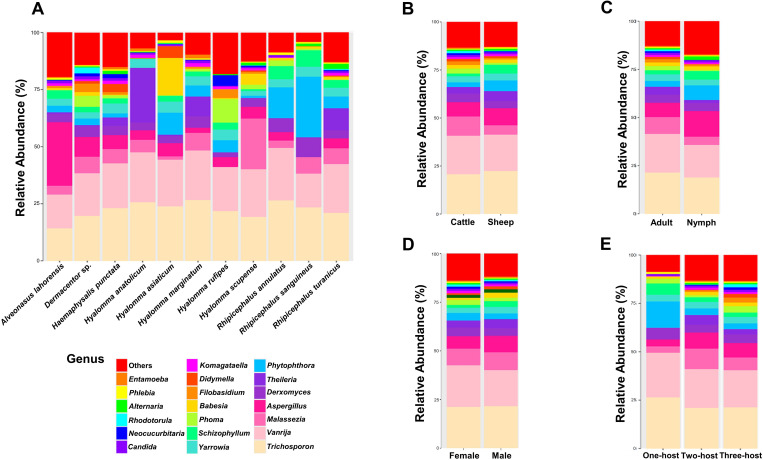 Figure 2
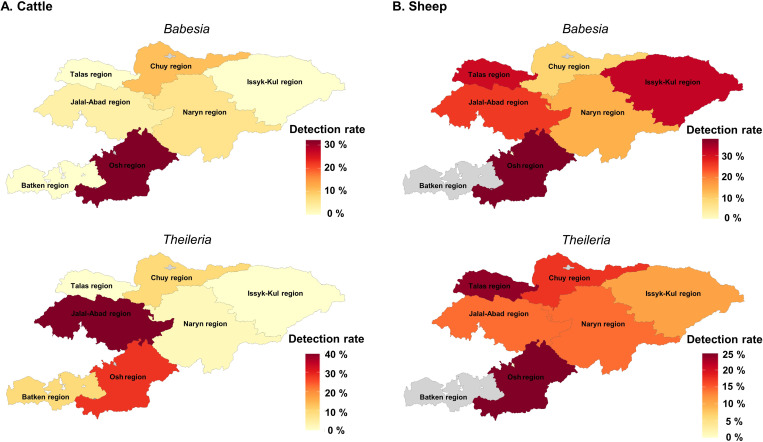 Figure 3
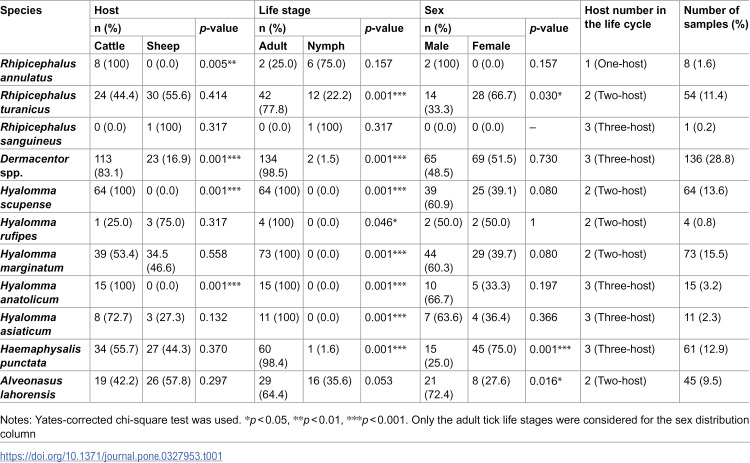 Figure 4
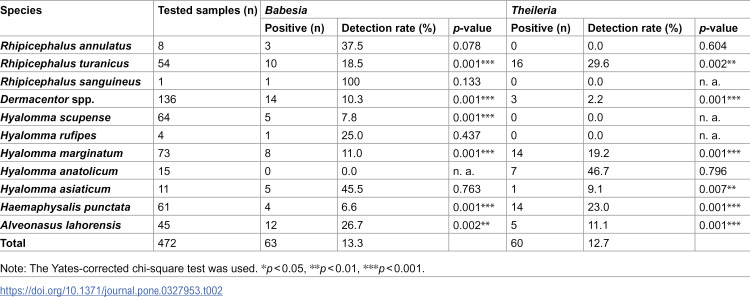 Figure 5
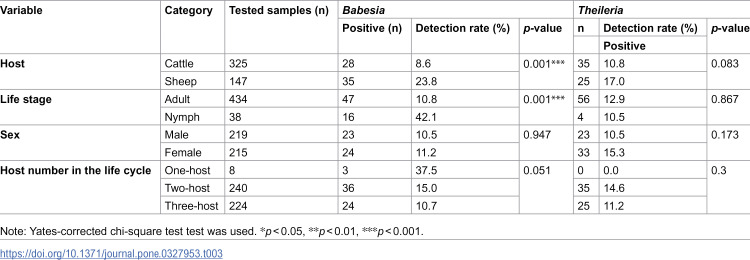 Figure 6
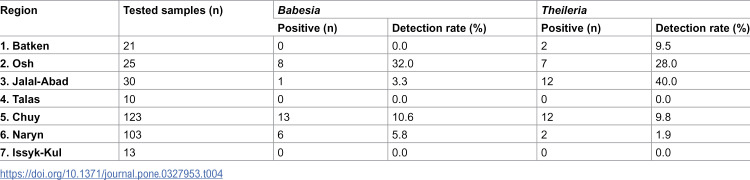 Figure 7
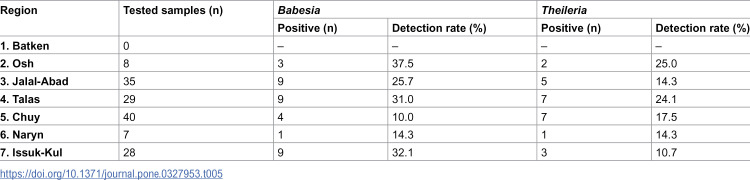 Figure 8
Peer Reviews
No public reviews on file for this paper yet. If you reviewed it on a platform where reviews are public (OpenReview, ICLR, NeurIPS, ICML), you can paste yours below so the community can read it here.
Videos
No videos yet. Explain this paper in a talk, walkthrough, or lecture? Add one.
Taxonomy
TopicsVector-borne infectious diseases · Plant and Fungal Interactions Research · Viral Infections and Vectors