Phytochemical profile and biological activities of Caesalpinia coriaria extract: a review
Moises Cipriano-Salazar, Mohamed Z. M. Salem, Mona M. M. Y. Elghandour, Shady Selim, Maximilian Lackner, Abdelfattah Z. M. Salem

TL;DR
This paper reviews the bioactive compounds and uses of Caesalpinia coriaria, a tree with potential in agriculture and industry.
Contribution
The paper compiles and summarizes the phytochemical profile and biological activities of Caesalpinia coriaria extracts.
Findings
Extracts from Caesalpinia coriaria contain diverse bioactive compounds like tannins, flavonoids, and quinones.
Phenolic compounds from the plant inhibit bacterial growth more effectively than some antibiotics.
The plant's extracts may reduce parasitism in ruminants and improve animal productivity.
Abstract
Caesalpinia coriaria (Jacq.) Willd [syn.: Libidibia coriaria (Jacq.) Schltdl.], a member of the Fabaceae family and the Caesalpinioideae subfamily, is commonly known in Mexican vernacular as “cascalote“. Various botanical parts of this tree, such as leaves, pods, flowers, seeds, branches, and bark, have been studied due to their bioactivity and their astringent, antiparasitic, antiseptic, and anti-inflammatory properties. Extracts obtained from C. coriaria contain a wide range of bioactive compounds, including tannins, terpenoids, phenols, coumarins, quinones, flavonoids, saponins, carbohydrates, proteins, glycosides, cardiac glycosides, anthraquinones, steroids, and polyphenols. During the fattening phase in ruminants, these plant extracts may be used to reduce gastrointestinal parasitism, promote growth, and decrease drug residues in animal-derived products. This review aims to…
Genes, proteins, chemicals, diseases, species, mutations and cell lines named across the full text — each resolved to its canonical identifier and authoritative record.
Click any figure to enlarge with its caption.
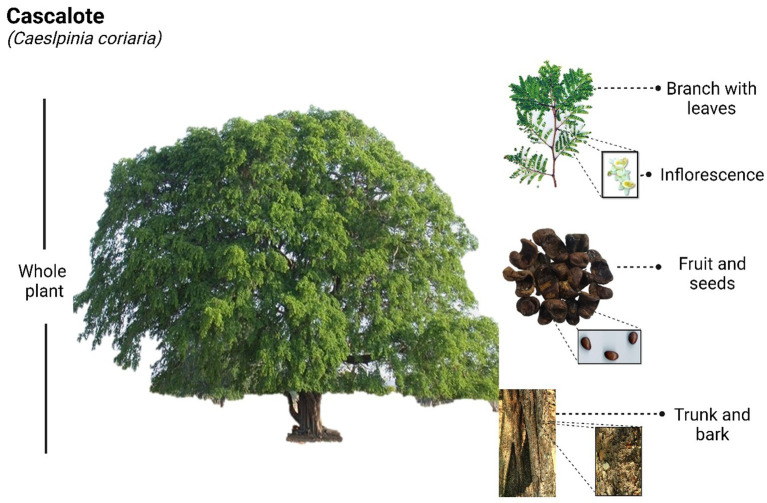 Figure 1
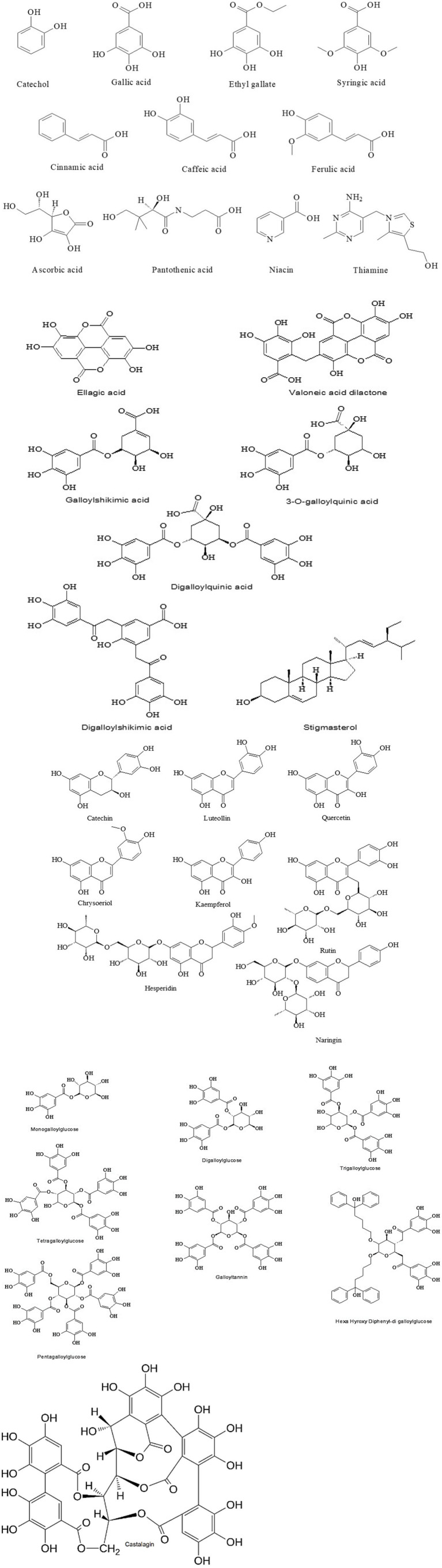 Figure 2
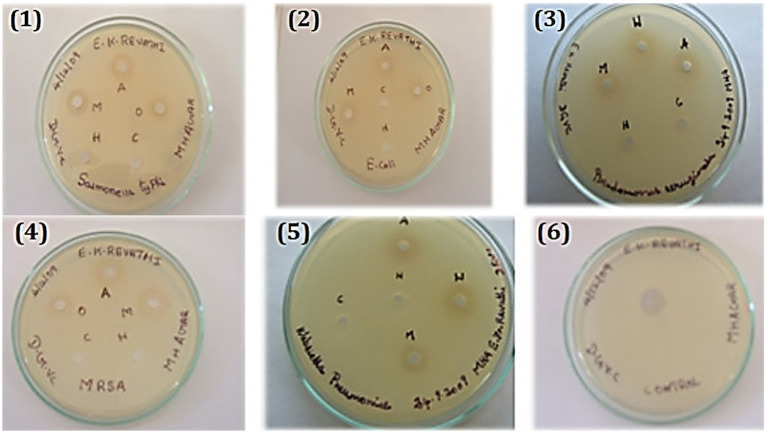 Figure 3
Peer Reviews
No public reviews on file for this paper yet. If you reviewed it on a platform where reviews are public (OpenReview, ICLR, NeurIPS, ICML), you can paste yours below so the community can read it here.
Videos
No videos yet. Explain this paper in a talk, walkthrough, or lecture? Add one.
Taxonomy
TopicsBiological Stains and Phytochemicals · Natural Products and Biological Research · Ethnobotanical and Medicinal Plants Studies