Identification of Mycobacterium tuberculosis intracellular survival-related virulence factors via CRISPR-based eukaryotic-like secretory protein mutant library screen
Weiyi Liu, Yingchao Wang, Jiayuan Zhao, Xinyue Zhang, Zihui Li, Hongyan Jia, Chuanzhi Zhu, Lanyue Zhang, Liping Pan, Zongde Zhang

TL;DR
This study identifies two proteins in tuberculosis bacteria that help it survive inside immune cells, offering new targets for drug development.
Contribution
A CRISPR-based screen identified two novel M.tb effectors involved in intracellular survival.
Findings
Rv0066c and Rv3139 are critical for M.tb intracellular survival, as their knockout strains showed reduced viability in macrophages.
RNA-seq analysis revealed 138 differentially expressed genes in ΔRv0066c-infected macrophages, enriched in chemokine and signaling pathways.
The study established a mutant library of eukaryotic-like secretory proteins for future functional studies.
Abstract
Tuberculosis (TB), caused by Mycobacterium tuberculosis (M.tb), remains a serious infectious disease posing significant global health challenges. A critical evolutionary feature of M.tb is its genome encoding a set of eukaryotic-like secretory proteins, which facilitate intracellular survival by manipulating host immune responses. However, the specific eukaryotic-like secretory proteins that facilitate M.tb intracellular survival and their regulatory mechanisms on host immunity remain uncharacterized. In this study, a mutant library comprising 137 potential eukaryotic-like secretory proteins was constructed using clustered regularly interspaced short palindromic repeats (CRISPR)-non-homologous end joining genome editing technology. Subsequently, macrophages were infected with the mutant library, and CRISPR sequencing enabled preliminary identification of virulence factors associated…
Genes, proteins, chemicals, diseases, species, mutations and cell lines named across the full text — each resolved to its canonical identifier and authoritative record.
Click any figure to enlarge with its caption.
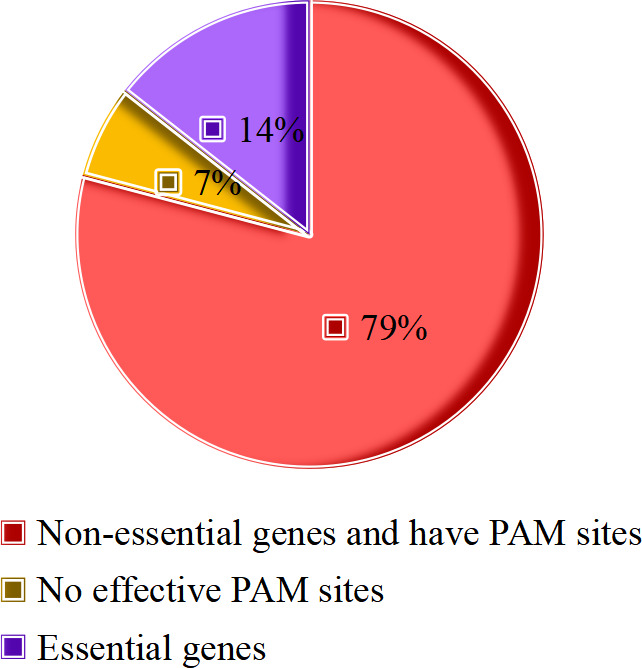 Figure 1
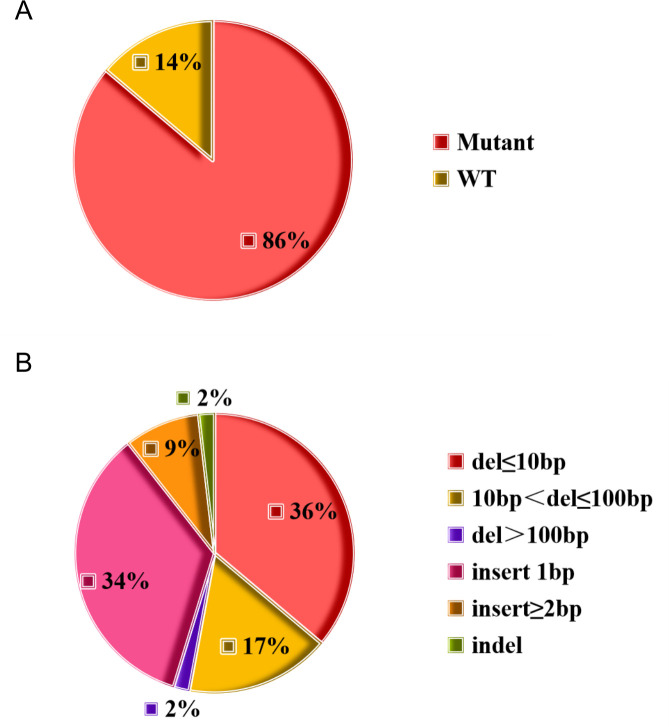 Figure 2
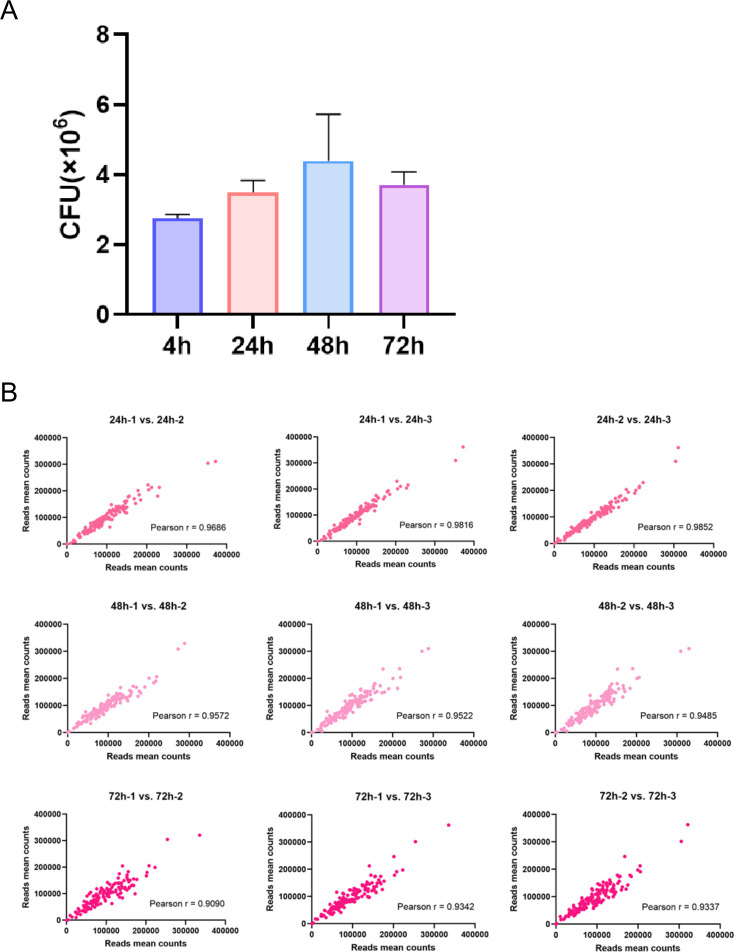 Figure 3
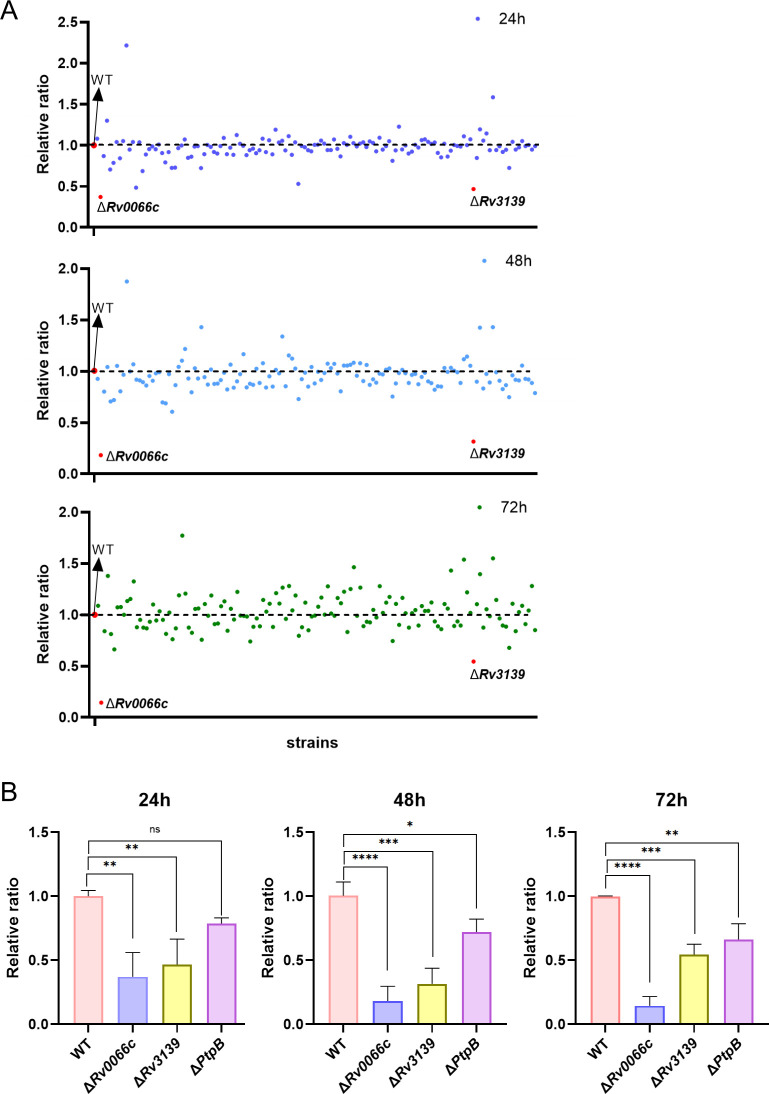 Figure 4
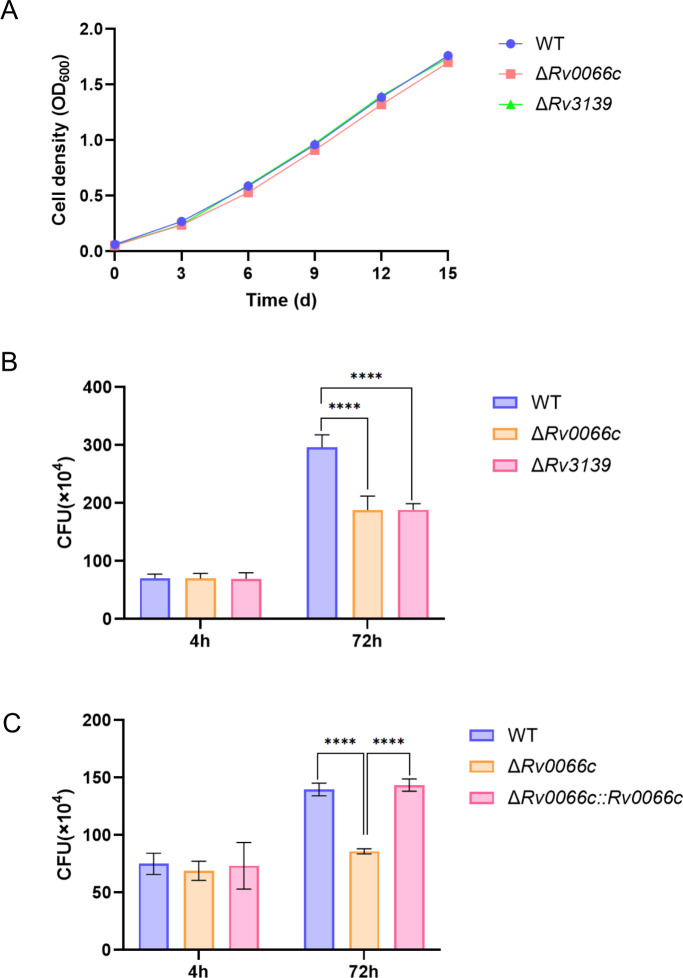 Figure 5
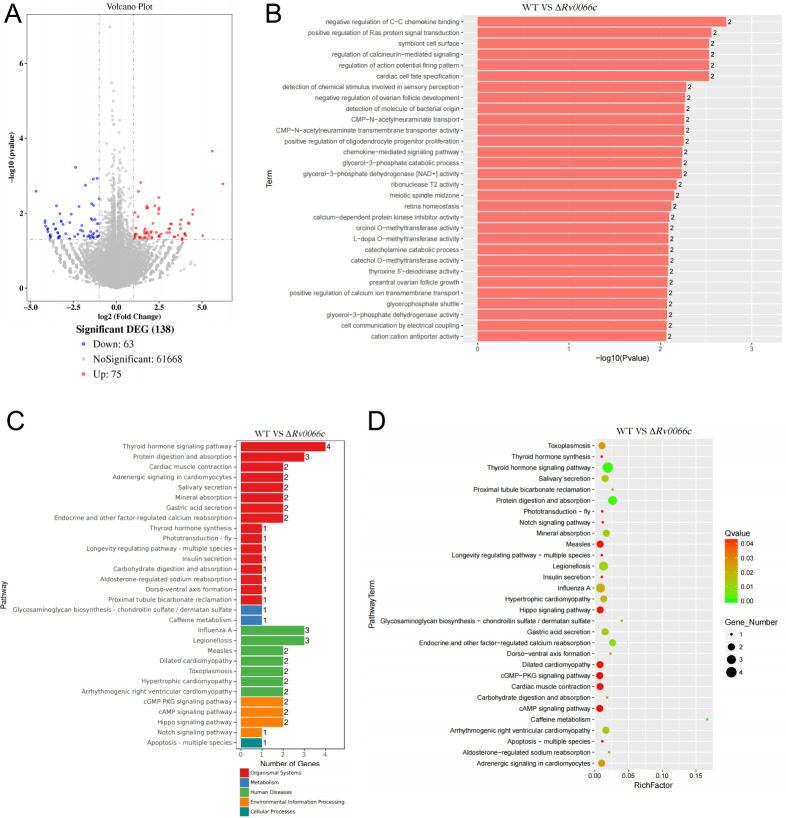 Figure 6
Peer Reviews
No public reviews on file for this paper yet. If you reviewed it on a platform where reviews are public (OpenReview, ICLR, NeurIPS, ICML), you can paste yours below so the community can read it here.
Videos
No videos yet. Explain this paper in a talk, walkthrough, or lecture? Add one.
Taxonomy
TopicsTuberculosis Research and Epidemiology · Mycobacterium research and diagnosis · CRISPR and Genetic Engineering