Exploring the antimicrobial activity of pantothenamides against uropathogenic Escherichia coli
Alicia A. DeColli, David J. Meyers, Arina Ranjit, James Paule, Erika Serrano-Diaz, Kimberly M. Bockley, Laura M. Ensign, Rana Rais, Caren L. Freel Meyers

TL;DR
This study identifies a stable pantothenamide inhibitor that works well with a DXPS inhibitor to combat uropathogenic E. coli in urine-like conditions.
Contribution
The study introduces a pantetheinase-resistant pantothenamide inhibitor suitable for in vivo testing of combined antimicrobial strategies.
Findings
N5-α-Pan (6) showed comparable antimicrobial activity to N5-Pan (1) in nutrient-limited conditions.
Analog 6 was stable in mouse plasma and liver enzymes, unlike N5-Pan (1).
The activity of 6 was enhanced when combined with a DXPS inhibitor.
Abstract
Metabolic processes required for bacterial pathogens to adapt in the host are potential targets for the development of much-needed new antimicrobial agents. The bacterial central metabolic enzyme 1-deoxy-d-xylulose 5-phosphate synthase (DXPS) is required for the synthesis of essential isoprenoids, thiamin diphosphate (ThDP), and pyridoxal phosphate (PLP) and is believed to function in bacterial adaptations requiring these metabolites. DXPS inhibition impairs a PLP-dependent adaptation of Uropathogenic Escherichia coli (UPEC) to d-serine, a bacteriostatic host metabolite in urine that inhibits pantothenate production in Coenzyme A (CoA) biosynthesis. CoA is required for a functioning tricarboxylic acid (TCA cycle, which is critical for UPEC survival in the urinary tract. Accordingly, inhibition of DXPS also sensitizes UPEC to N-pentylpantothenamide (N5-Pan, 1), an inhibitor of CoA…
Genes, proteins, chemicals, diseases, species, mutations and cell lines named across the full text — each resolved to its canonical identifier and authoritative record.
Click any figure to enlarge with its caption.
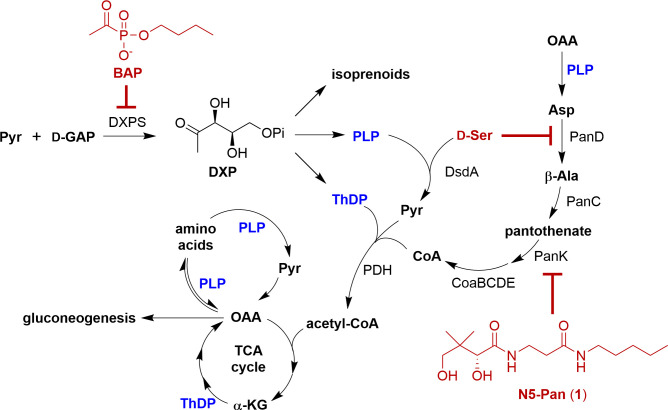 Figure 1
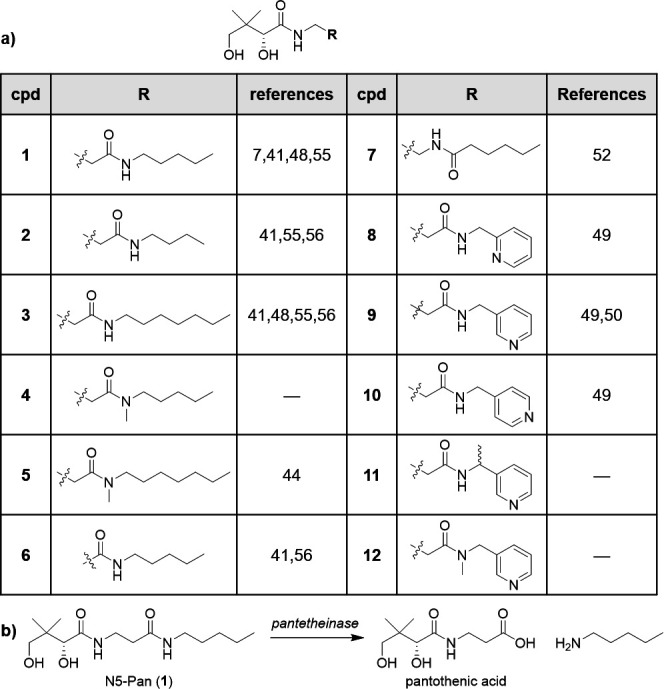 Figure 2
 Figure 3
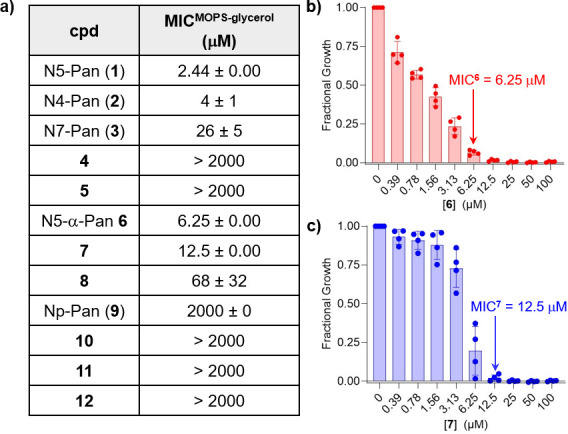 Figure 4
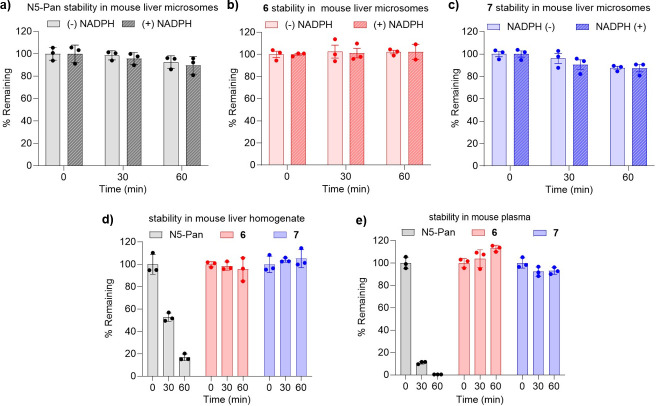 Figure 5
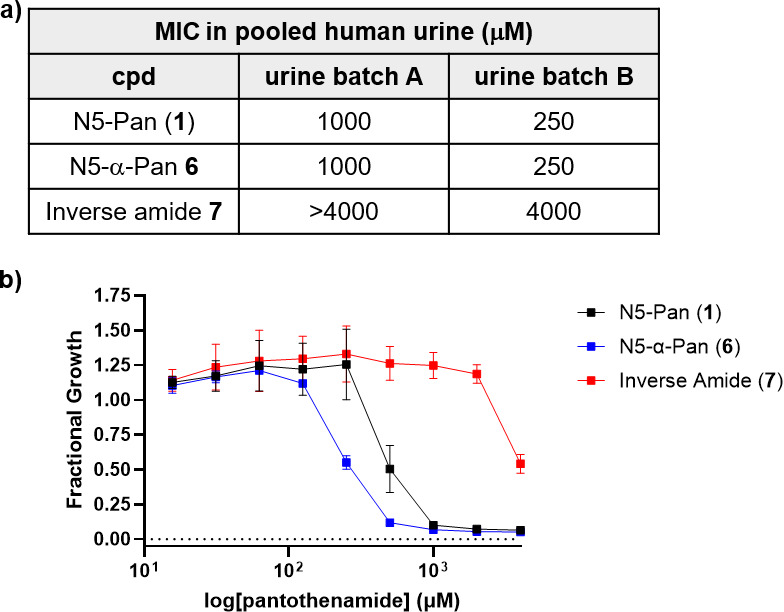 Figure 6
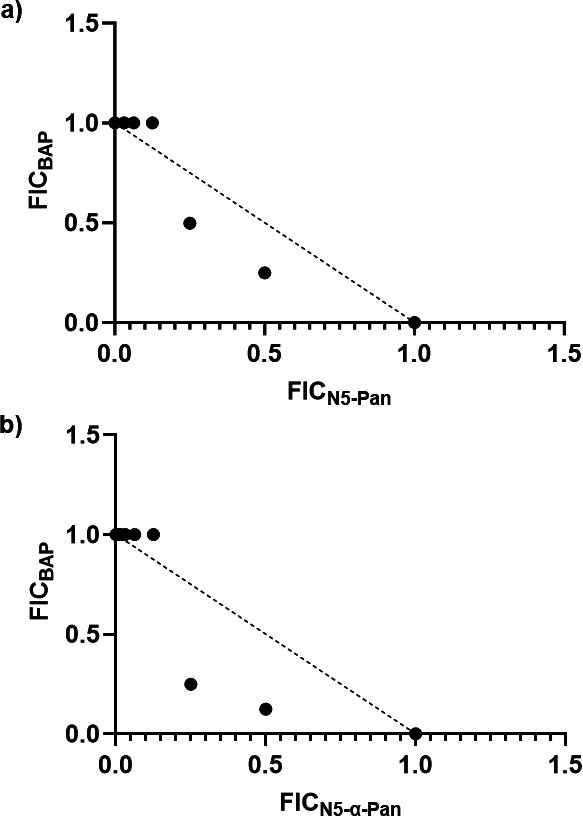 Figure 7
 Figure 8
 Figure 9
Peer Reviews
No public reviews on file for this paper yet. If you reviewed it on a platform where reviews are public (OpenReview, ICLR, NeurIPS, ICML), you can paste yours below so the community can read it here.
Videos
No videos yet. Explain this paper in a talk, walkthrough, or lecture? Add one.
Taxonomy
TopicsPlant biochemistry and biosynthesis · Neurological diseases and metabolism · Biochemical and Molecular Research