Systematic analysis of structural disorder in the minimal proteome of Mycoplasma pneumoniae
Uberto Pozzoli, Diego Forni, Federica Arrigoni, Alessandra Mozzi, Rachele Cagliani, Luca De Gioia, Manuela Sironi

TL;DR
This study explores how structural disorder in proteins contributes to specialized functions in the human pathogen Mycoplasma pneumoniae.
Contribution
The study reveals that structural disorder in Mycoplasma pneumoniae is functionally relevant, particularly in virulence and motility-related proteins.
Findings
17% of the Mycoplasma pneumoniae proteome contains intrinsically disordered regions (IDRs), especially in proteins related to virulence and cytoadherence.
IDRs in Mpn are associated with higher degradation rates and phosphorylation, similar to patterns observed in eukaryotes.
IDRs in attachment organelle proteins are extended and have high conformational entropy, possibly aiding motility via entropic forces.
Abstract
Mycoplasma pneumoniae (Mpn, class Mollicutes) is both an important human pathogen and a model organism. We performed a proteome-wide investigation of intrinsically disordered regions (IDRs) in Mpn. Compared to other bacteria, a considerable fraction of the Mpn proteome (17%) is embedded in IDRs, which are abundant in membrane, non-essential proteins, as well as in proteins that mediate cytoadherence and virulence. Notably, proteins that form the attachment organelle, a specialized structure, are particularly rich in IDRs. Likewise, analysis of protein architectures indicated that some Mollicute-specific domains are preferentially associated with IDRs. Perusal of proteome-wide data also revealed that, as in eukaryotes, structural disorder associates with higher protein degradation rates and that Mpn IDRs are preferential targets of phosphorylation. When we investigated the ensemble…
Genes, proteins, chemicals, diseases, species, mutations and cell lines named across the full text — each resolved to its canonical identifier and authoritative record.
Click any figure to enlarge with its caption.
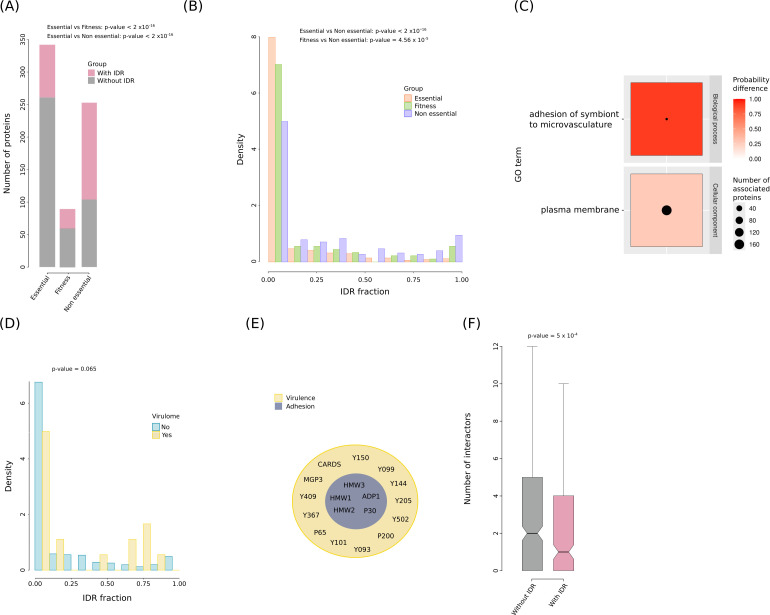 Figure 1
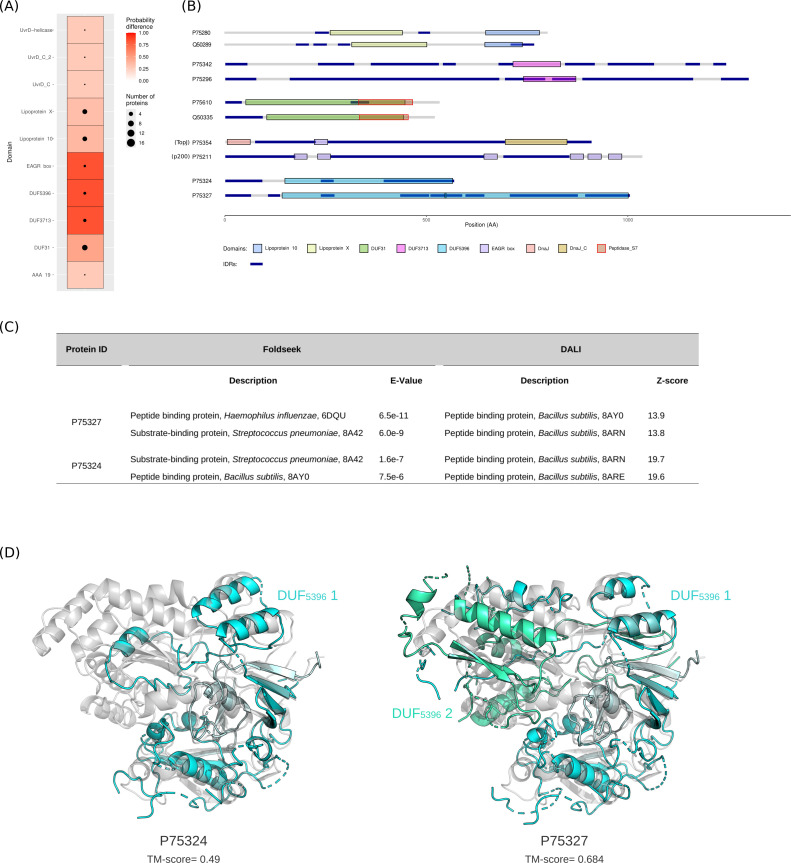 Figure 2
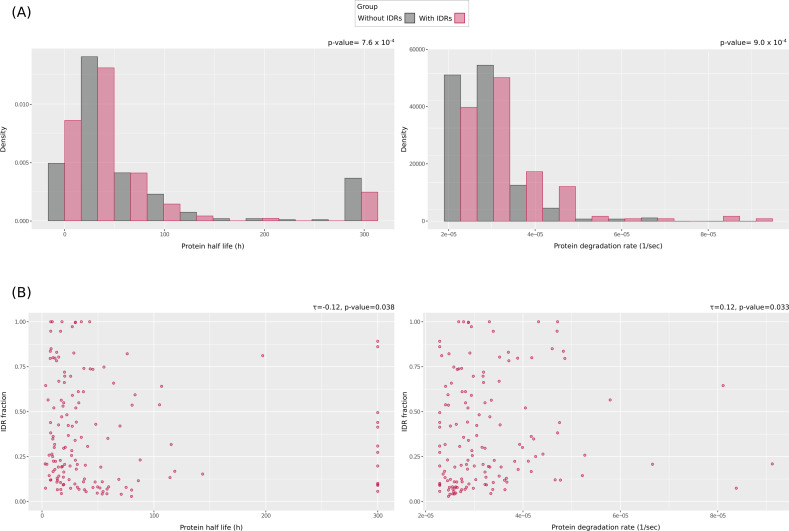 Figure 3
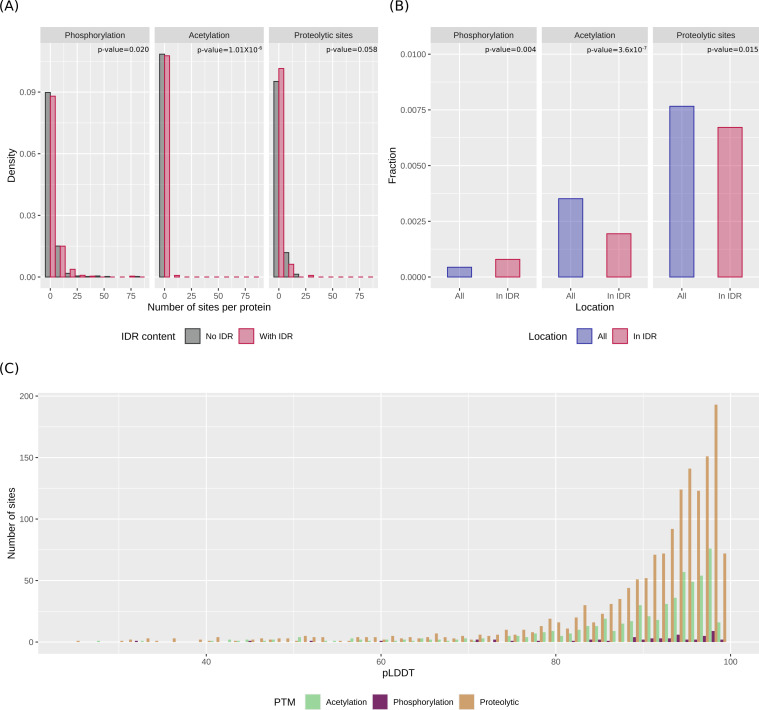 Figure 4
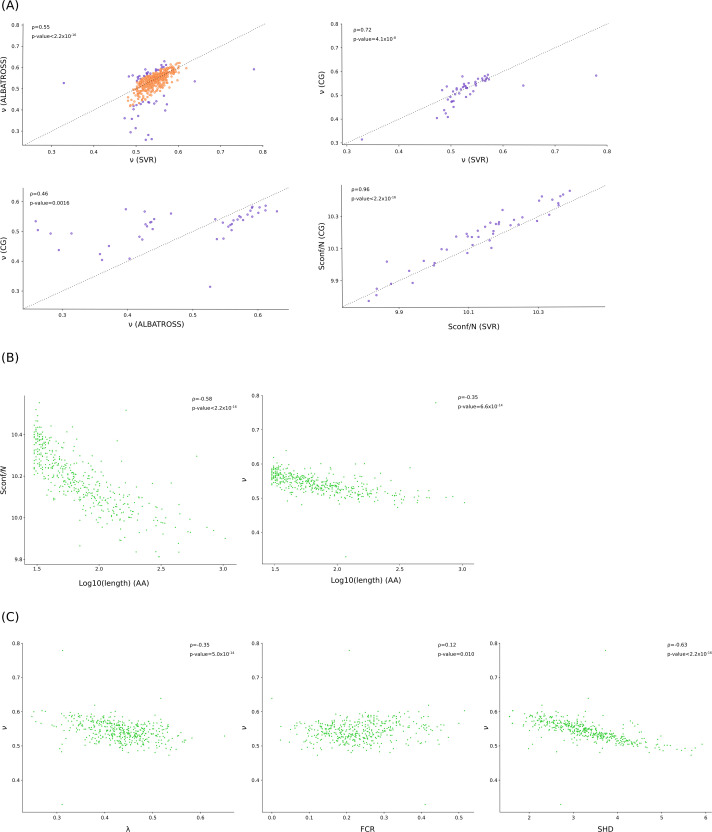 Figure 5
 Figure 6
Peer Reviews
No public reviews on file for this paper yet. If you reviewed it on a platform where reviews are public (OpenReview, ICLR, NeurIPS, ICML), you can paste yours below so the community can read it here.
Videos
No videos yet. Explain this paper in a talk, walkthrough, or lecture? Add one.
Taxonomy
TopicsMicrobial infections and disease research · Bacteriophages and microbial interactions · Influenza Virus Research Studies