LorDist: a novel method for calculating the distance based on functional data analysis with application to longitudinal microbial data
Xinhe Qi, Menghan Zhang, Tongqing Wei, Jinran Lin, Xingming Zhao, Yin Yao, Yueqing Hu, Yan Zheng

TL;DR
LorDist is a new method for analyzing longitudinal microbiome data that better captures temporal patterns and improves detection of biological differences.
Contribution
LorDist introduces a novel distance calculation method using functional data analysis for longitudinal microbiome studies.
Findings
LorDist performs robustly even with up to 60% sparsity and varying sequencing depths.
LorDist outperforms existing methods in capturing meaningful differences in longitudinal microbiome data.
LorDist successfully analyzed real-world datasets related to inflammatory bowel disease and infant gut development.
Abstract
Longitudinal human microbial data offer insights into microbiome dynamics over time. Traditional methods usually overlook temporal relationships among samples from the same subject. Here, we presented the Longitudinal Microbial Data Distance (LorDist) method, which uses functional data fitting to construct a distance matrix integrating information from the same subject at different time points. Simulation data showed that LorDist handled well up to 60% sparseness and worked robustly with various sequencing depths and time points. Empirical data analysis demonstrated that LorDist excels in capturing differences across subjects with longitudinal microbiome data. LorDist presented the potential of longitudinal microbial data in addressing temporal autocorrelation and distinguishing phenotypes. Longitudinal analysis of the human microbiome is critical for understanding its dynamic role in…
Genes, proteins, chemicals, diseases, species, mutations and cell lines named across the full text — each resolved to its canonical identifier and authoritative record.
Click any figure to enlarge with its caption.
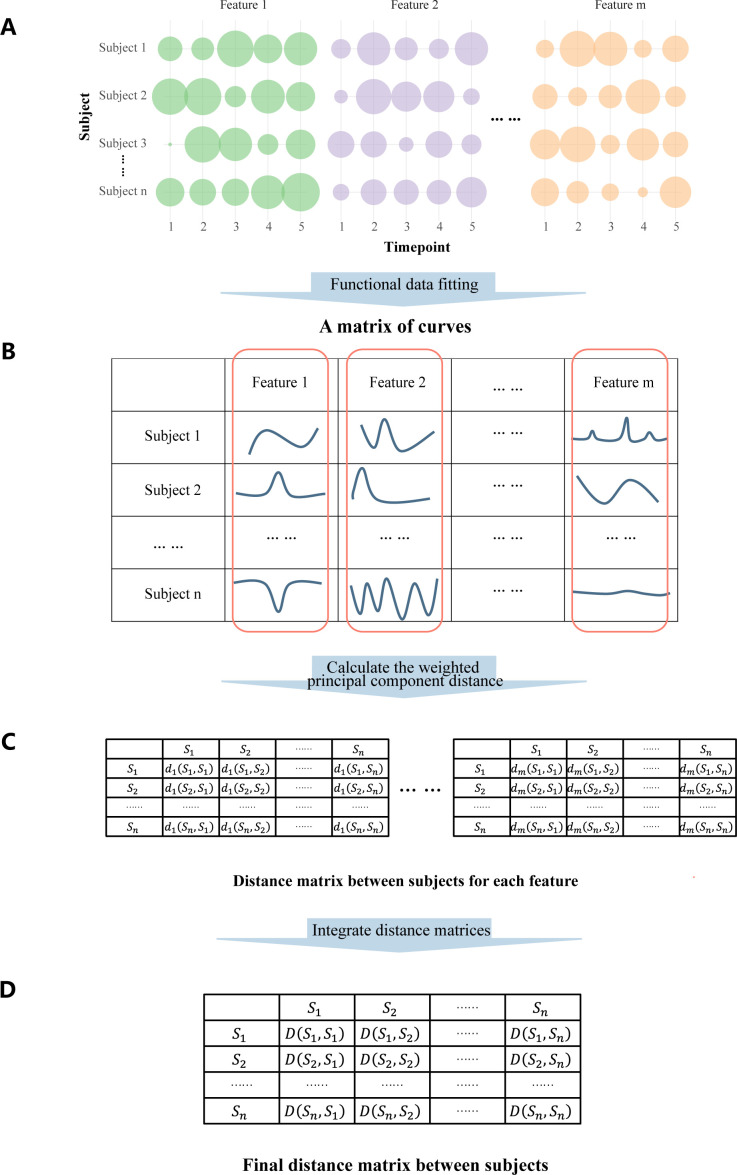 Figure 1
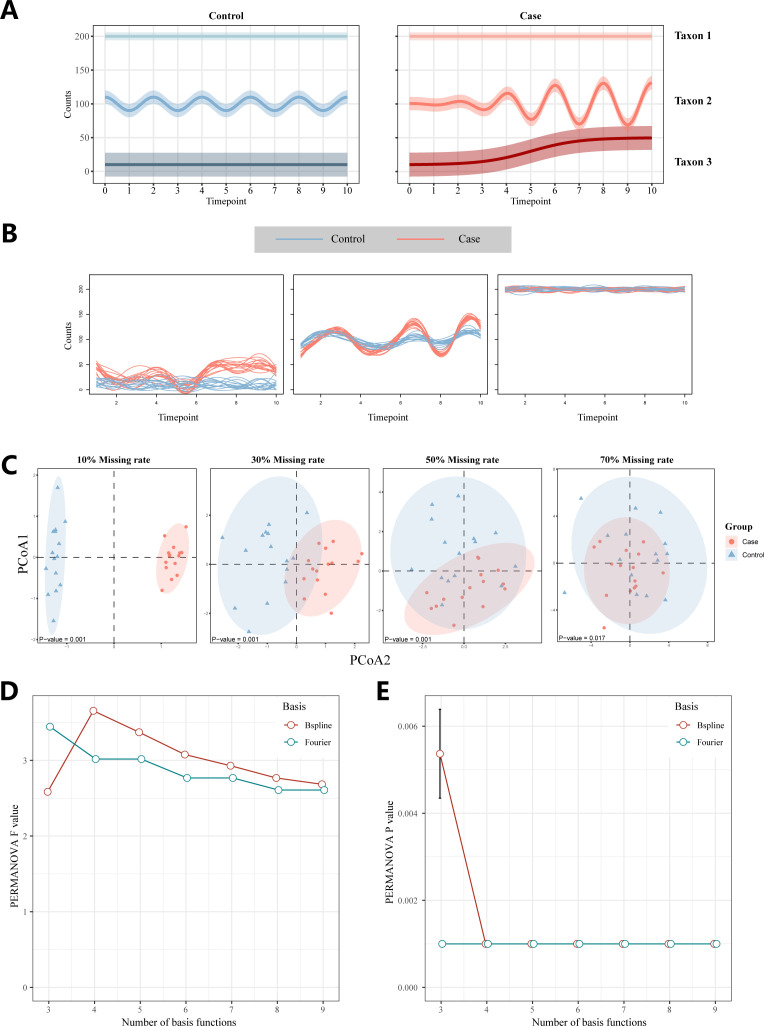 Figure 2
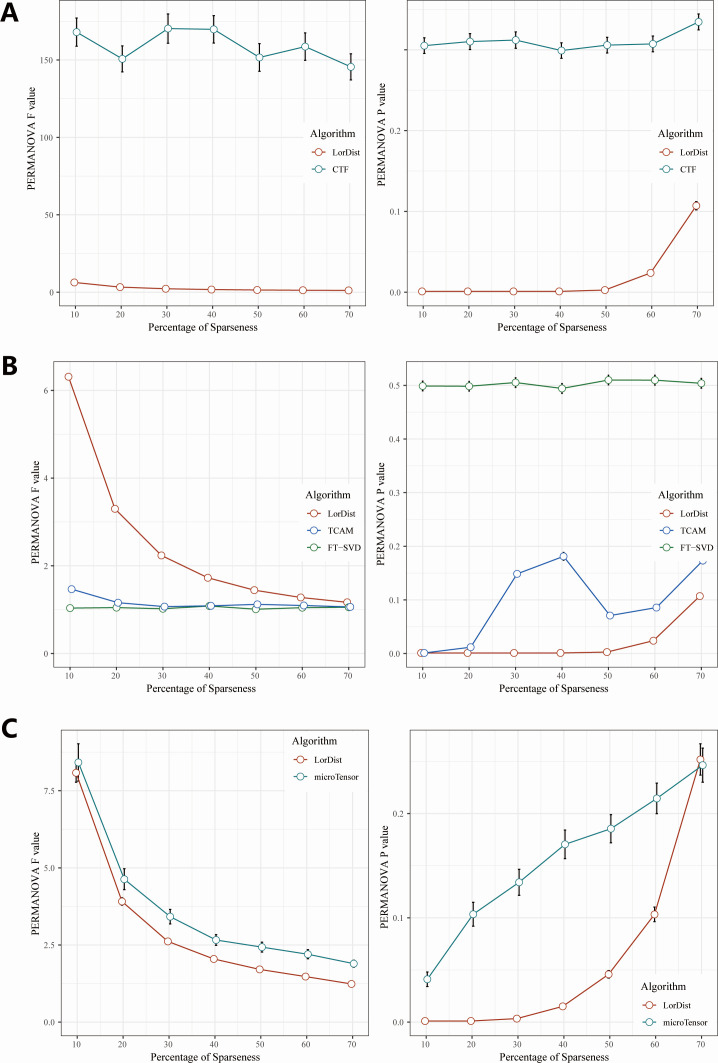 Figure 3
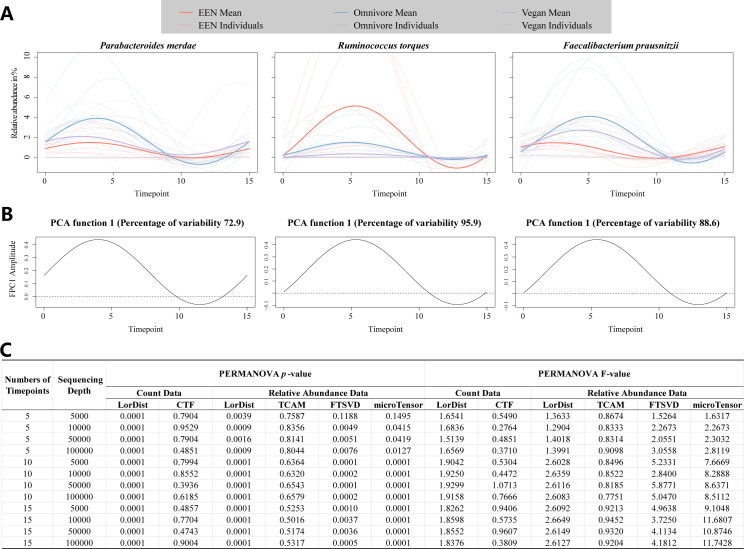 Figure 4
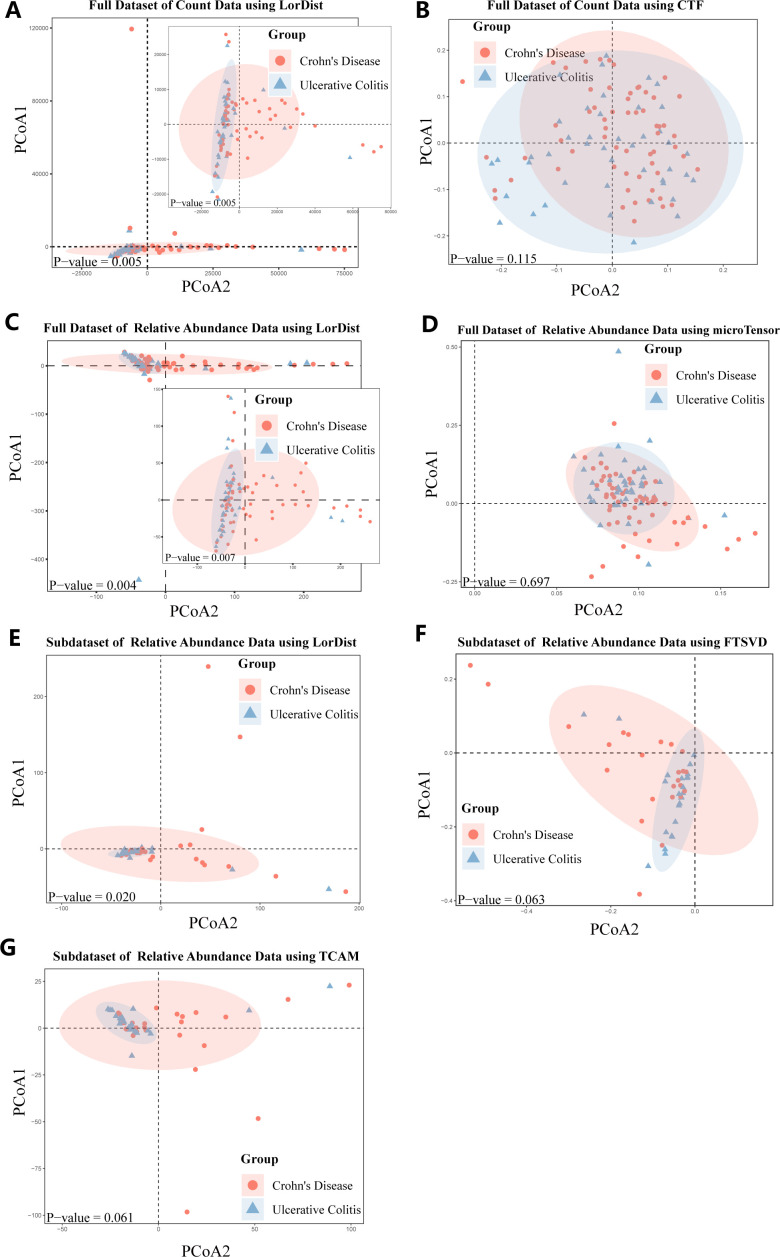 Figure 5
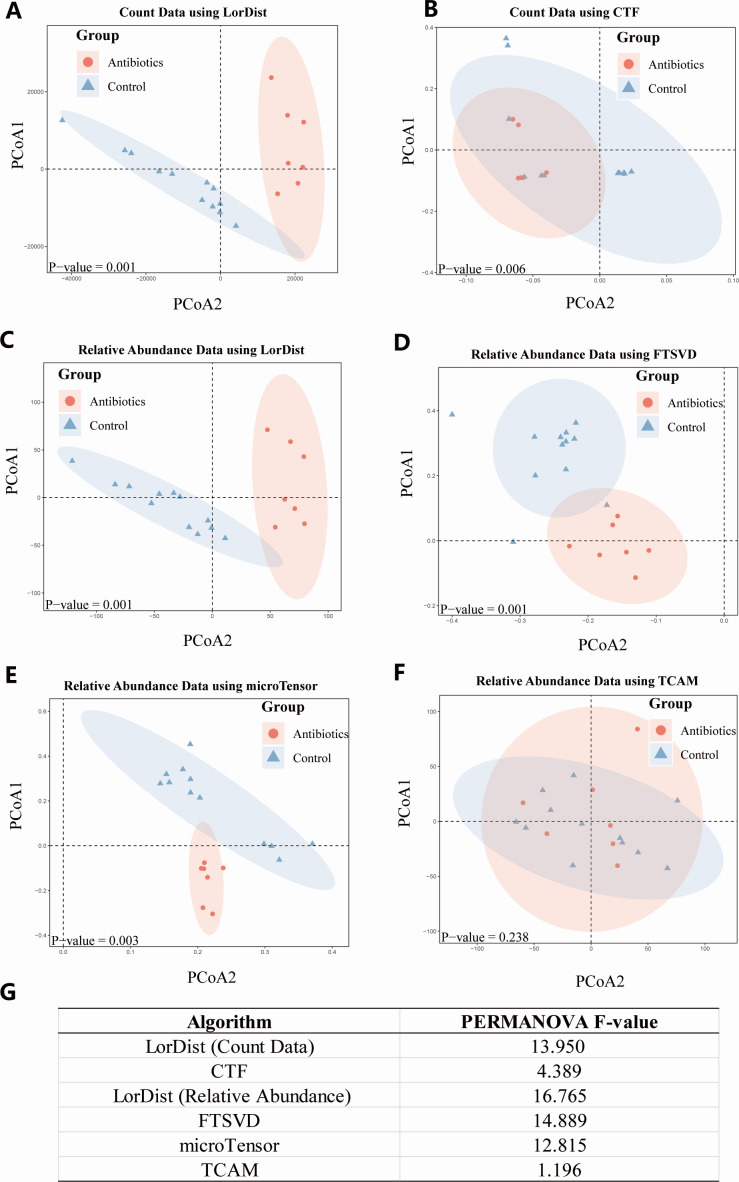 Figure 6
 Figure 7
 Figure 8
 Figure 9
 Figure 10
 Figure 11
 Figure 12
 Figure 13
 Figure 14
 Figure 15
 Figure 16
 Figure 17
 Figure 18
 Figure 19
 Figure 20
 Figure 21
 Figure 22
 Figure 23
 Figure 24
 Figure 25
 Figure 26
 Figure 27
 Figure 28
 Figure 29
 Figure 30
 Figure 31
 Figure 32
 Figure 33
 Figure 34
 Figure 35
 Figure 36
 Figure 37
 Figure 38
 Figure 39
 Figure 40
 Figure 41
 Figure 42
 Figure 43
 Figure 44
 Figure 45
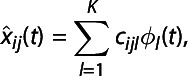 Figure 46
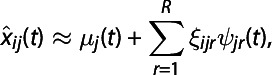 Figure 47
 Figure 48
 Figure 49
 Figure 50
Peer Reviews
No public reviews on file for this paper yet. If you reviewed it on a platform where reviews are public (OpenReview, ICLR, NeurIPS, ICML), you can paste yours below so the community can read it here.
Videos
No videos yet. Explain this paper in a talk, walkthrough, or lecture? Add one.
Taxonomy
TopicsMetabolomics and Mass Spectrometry Studies · Gene expression and cancer classification · Gut microbiota and health