Strong Acid-Mediated Proton Transfer via Water Tunneling Fosters Hydrogen Evolution Reaction on MoS2 Derivatives under Alkaline Conditions
Matteo Pugliesi, Giulia Alice Volpato, Ida Ritacco, Giulia Tuci, Mattia Cattelan, Andrea Rossin, Yuefeng Liu, Lucia Caporaso, Matteo Farnesi Camellone, Giuseppe Santoriello, Elena Colusso, Stefano Agnoli, Giuliano Giambastiani

TL;DR
Researchers found that adding acid-ended molecules to MoS2 nanoflakes improves hydrogen production efficiency even in alkaline conditions.
Contribution
The study introduces a pH-insensitive electrocatalyst for hydrogen evolution by enhancing proton transfer via water tunneling.
Findings
Surface-engineered MoS2 with sulfonic-acid groups boosts hydrogen evolution reaction (HER) under alkaline conditions.
Weaker acid groups like benzoic acid do not promote proton transfer via tunneling.
DFT calculations support the role of acidic moieties in water dissociation and tunneling at the surface.
Abstract
The surface functionalization of chemically exfoliated MoS2 (CE-MoS2) nanoflakes with Brønsted-acid end-capped aryl fragments adds an additional level of complexity to the comprehension of the correlation between the electron-donating strength of covalently grafted organic groups (Hammett parameter) and the HER performance of these hybrids. MoS2 nanoflakes decorated with aryl-sulfonic acids promote proton transfer via tunneling of H-species, where weaker benzoic acid groups fail. Thus, surface-engineered CE-MoS2 bearing sulfonic-acid end-capped dangling arms acts as an electrocatalyst that boosts HER kinetics even under an alkaline environment, where water dissociation represents the bottleneck of the process. Density functional theory (DFT) calculations have been used to corroborate experimental evidence and speculate on the role of acidic moieties with respect to water molecule…
Genes, proteins, chemicals, diseases, species, mutations and cell lines named across the full text — each resolved to its canonical identifier and authoritative record.
Click any figure to enlarge with its caption.
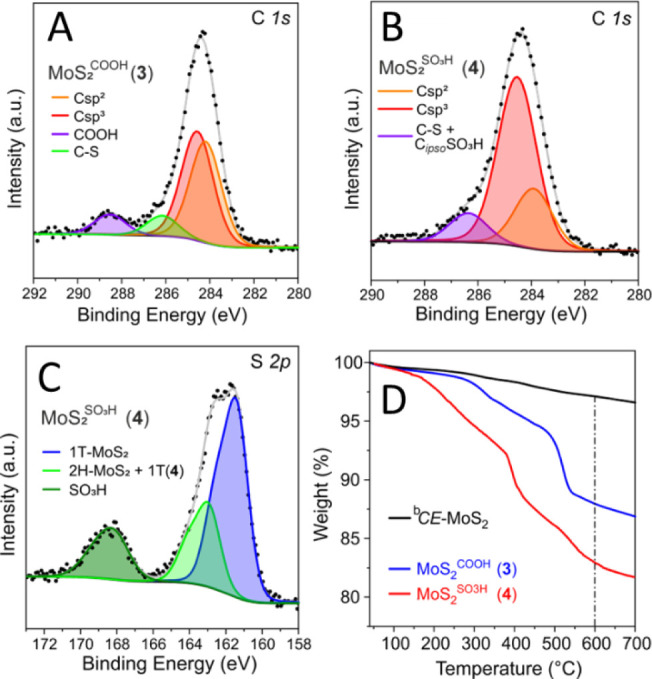 Figure 1
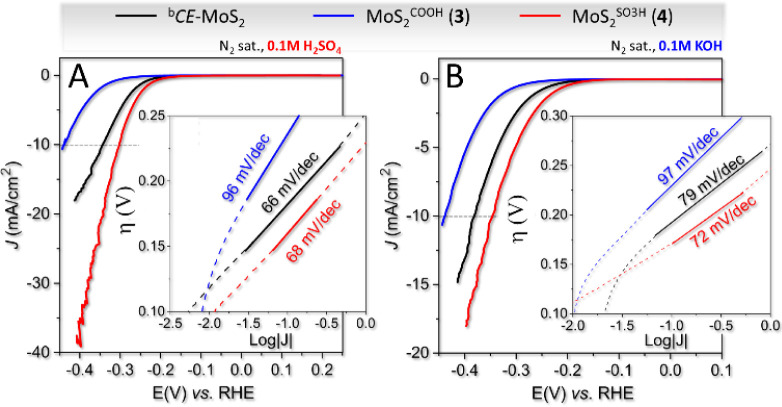 Figure 2
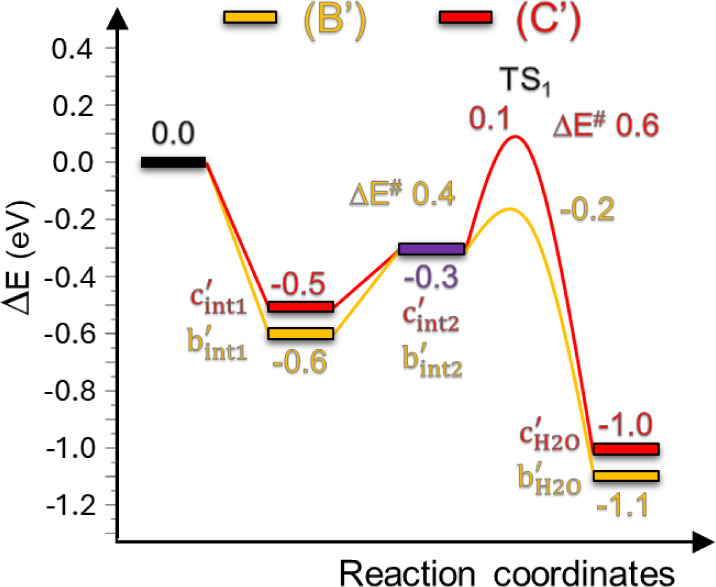 Figure 3
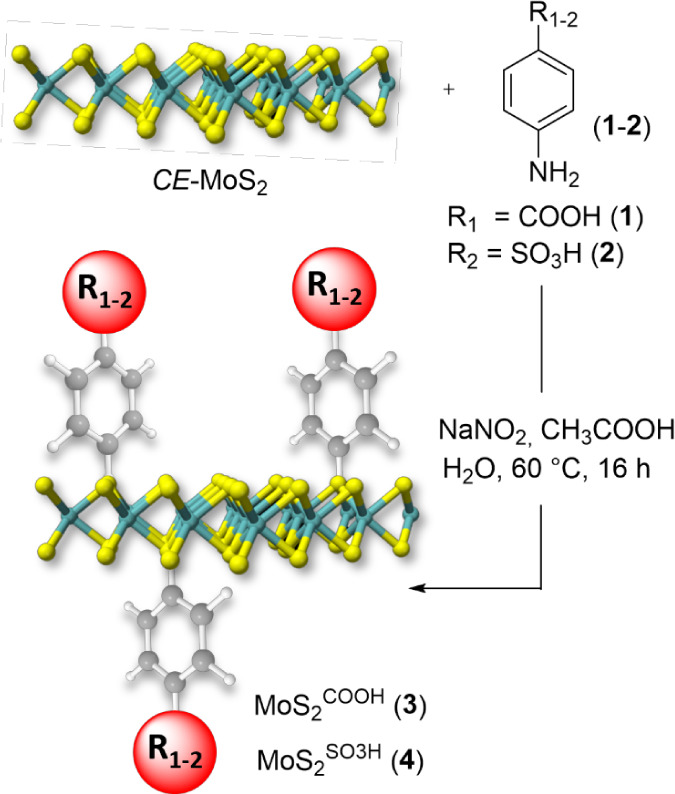 Figure 4
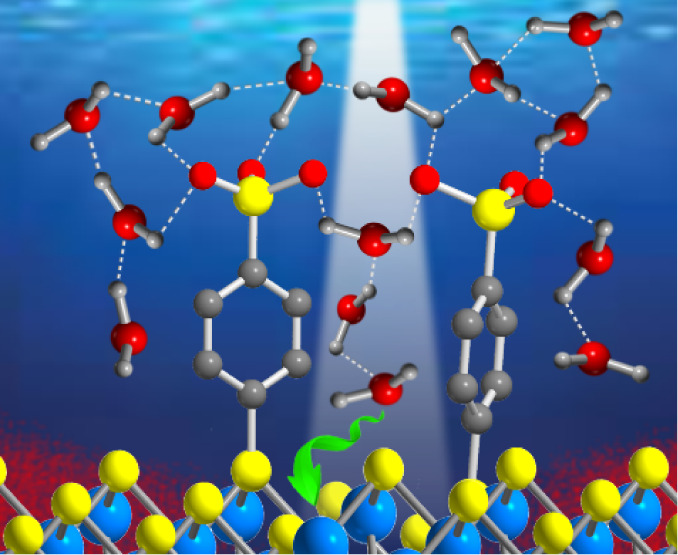 Figure 5
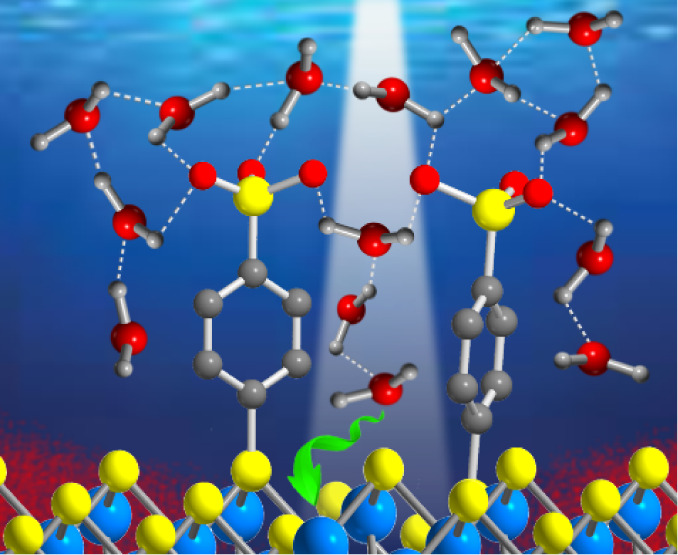 Figure 6
 Figure 7
 Figure 8
 Figure 9
 Figure 10
 Figure 11
 Figure 12
 Figure 13
 Figure 14
 Figure 15
 Figure 16
 Figure 17
 Figure 18
 Figure 19
 Figure 20
 Figure 21
 Figure 22
 Figure 23
 Figure 24
 Figure 25
 Figure 26
 Figure 27
 Figure 28
 Figure 29
 Figure 30
 Figure 31
 Figure 32
 Figure 33
Peer Reviews
No public reviews on file for this paper yet. If you reviewed it on a platform where reviews are public (OpenReview, ICLR, NeurIPS, ICML), you can paste yours below so the community can read it here.
Videos
No videos yet. Explain this paper in a talk, walkthrough, or lecture? Add one.
Taxonomy
TopicsMetalloenzymes and iron-sulfur proteins · CO2 Reduction Techniques and Catalysts · Electrocatalysts for Energy Conversion