Rickettsia parkeri hypothetical protein RPATATE_1266, a homolog of exopolyphosphatase/guanosine pentaphosphate phosphohydrolase, regulates tick cell apoptosis
Dattatray V. Sawant, Nicole Y. Burkhardt, Haritha Katasani, Benjamin Cull, Ulrike G. Munderloh, Xin-Ru Wang

TL;DR
A protein in Rickettsia parkeri helps control tick cell death, which is important for the bacteria's survival and could lead to new ways to manage rickettsial diseases.
Contribution
Identifies RPATATE_1266 as a novel regulator of apoptosis in tick cells during Rickettsia parkeri infection.
Findings
The RPATATE_1266 mutant showed reduced infection rates, growth, and plaque formation in tick and mammalian cells.
Restoration of RPATATE_1266 significantly recovered later-phase apoptosis in tick cells.
The mutant exhibited inhibited apoptosis, including reduced mitochondrial membrane potential and DNA fragmentation.
Abstract
Rickettsia parkeri, an intracellular bacterium transmitted by Amblyomma maculatum ticks, causes a febrile illness associated with eschar formation in humans. As a less virulent member of the spotted fever group within the Rickettsia genus, R. parkeri serves as an ideal model for studying interactions between rickettsial pathogens, their vectors, and hosts. Our previous research showed that R. parkeri modulates mitochondrial-dependent apoptosis in tick cells, enhancing its intracellular survival and replication; however, the underlying mechanisms remain unclear. To investigate further, we employed a Himar1-based transposon mutagenesis system to identify R. parkeri genes involved in apoptosis. Using the modified plasmid pLoxHimar, we introduced a transposon into the R. parkeri Tate’s Hell strain and selected a mutant with an insertion in RPATATE_1266, a hypothetical protein with homology…
Genes, proteins, chemicals, diseases, species, mutations and cell lines named across the full text — each resolved to its canonical identifier and authoritative record.
Click any figure to enlarge with its caption.
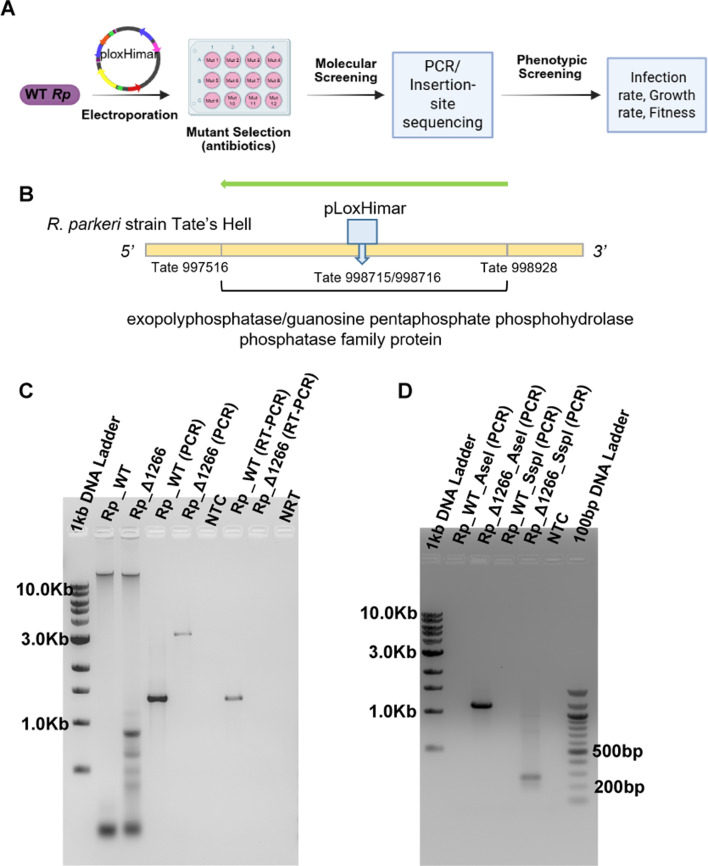 Figure 1
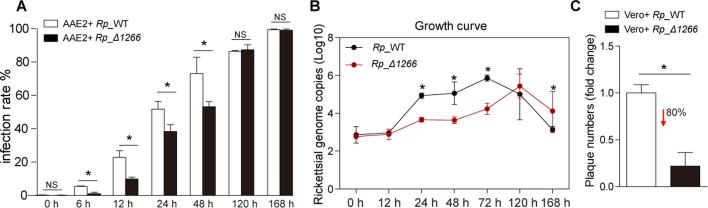 Figure 2
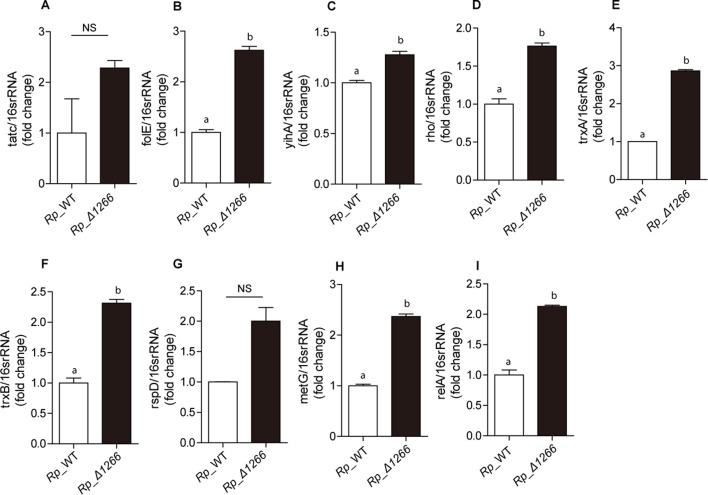 Figure 3
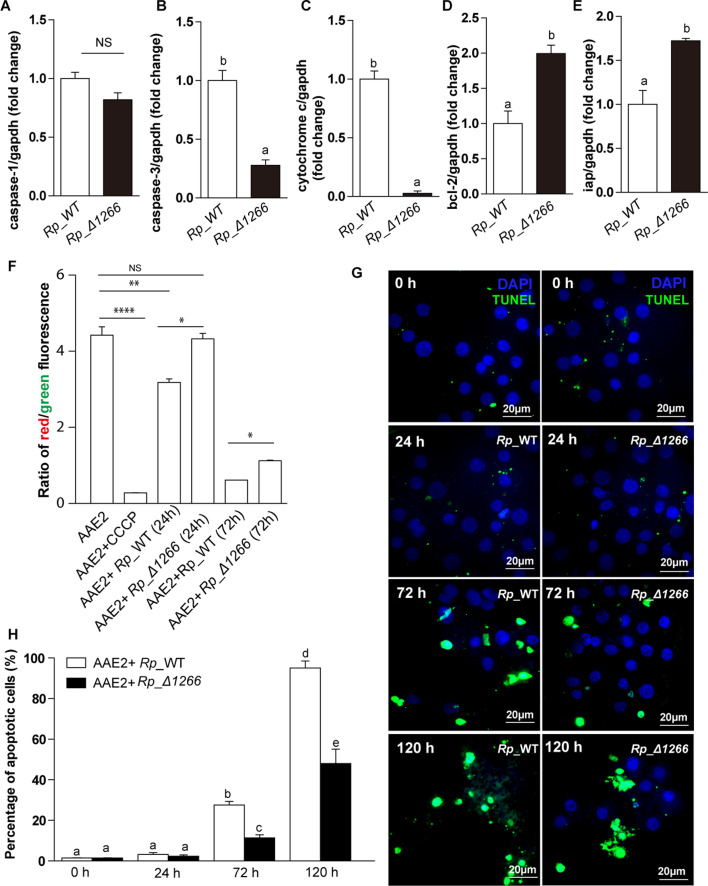 Figure 4
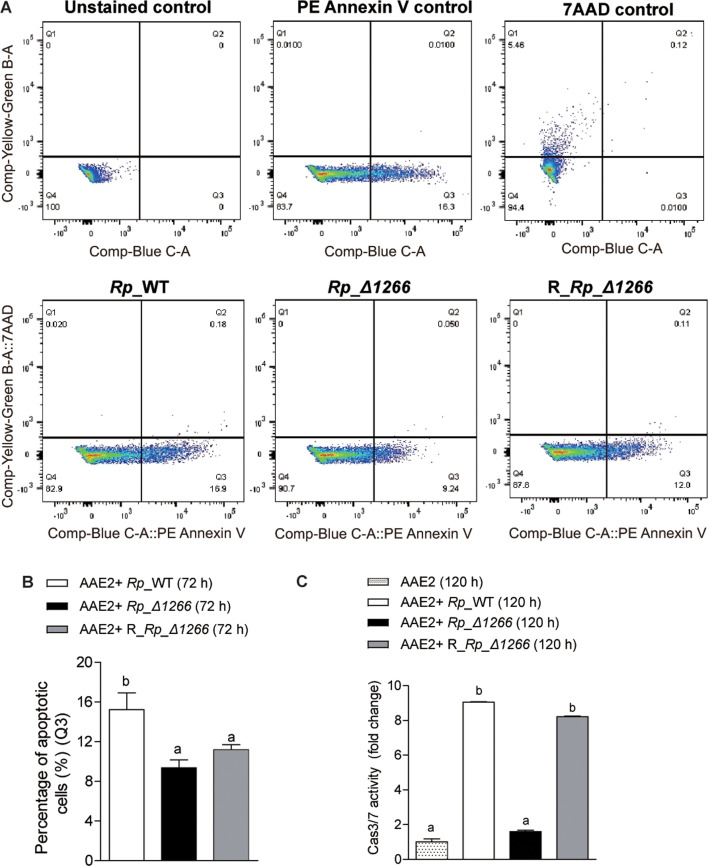 Figure 5
Peer Reviews
No public reviews on file for this paper yet. If you reviewed it on a platform where reviews are public (OpenReview, ICLR, NeurIPS, ICML), you can paste yours below so the community can read it here.
Videos
No videos yet. Explain this paper in a talk, walkthrough, or lecture? Add one.
Taxonomy
TopicsVector-borne infectious diseases · Research on Leishmaniasis Studies · Trypanosoma species research and implications