Phylogenetic and genetic evolutionary analyses of the mitochondrial genome of Mastophorus muris in Neodon fuscus from the Qinghai-Tibetan Plateau
Hongrun Ge, Haining Zhang, Ru Meng, Shengrui Xu, Hailong Zhao, Weishan Lin, Jing Li, Yong Fu

TL;DR
This study analyzes the mitochondrial genome of Mastophorus muris in Neodon fuscus from the Qinghai-Tibetan Plateau to understand its evolutionary history and phylogenetic relationships.
Contribution
The study confirms the close genetic relationship between M. muris and the Onchocercidae family using multiple genetic markers and estimates divergence time.
Findings
M. muris is closely related to the Onchocercidae family with strong phylogenetic support.
The mitochondrial genome of M. muris contains 32 genes and suggests a divergence time of approximately 391 million years.
M. muris in the Qinghai-Tibetan Plateau may have originated from the Mediterranean region.
Abstract
The larvae of the nematode family can infect several animals. Mastophorus muris is a parasitic nematode that infects mammals and has a worldwide distribution. In this study, the phylogenetic relationships and differentiation time of M. muris collected from Neodon fuscus were studied using molecular methods. The phylogenetic tree constructed based on 12 protein-coding genes (PCGs), cytochrome oxidase subunit I (cox 1), 18S rRNA, and 28S rRNA showed that M. muris was closely related to the Onchocercidae family and that this relationship was highly node-supported. The mitochondrial genome of M. muris was found to be a circular double-stranded DNA molecule with 32 mitochondrial genes, including 12 PCGs (ND4L, CYTB, ND1-6, cox 1-3, ATP6), 18 tRNA genes, and 2 rRNA genes (s-rRNA and L-rRNA). The divergence time based on mitochondrial cox 1 generation suggests that M. muris was formed…
Genes, proteins, chemicals, diseases, species, mutations and cell lines named across the full text — each resolved to its canonical identifier and authoritative record.
Click any figure to enlarge with its caption.
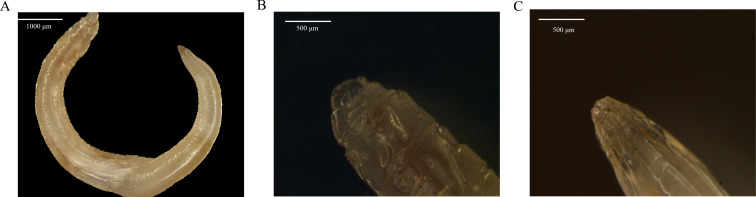 Figure 1
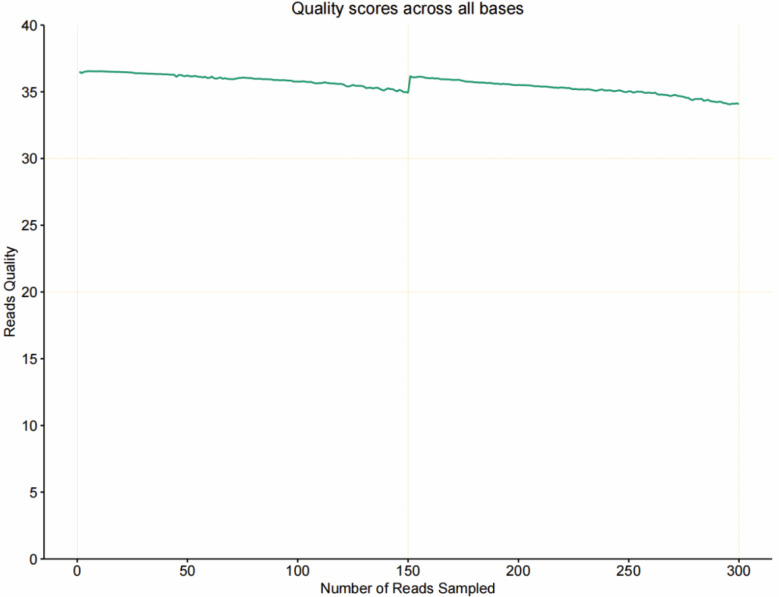 Figure 2
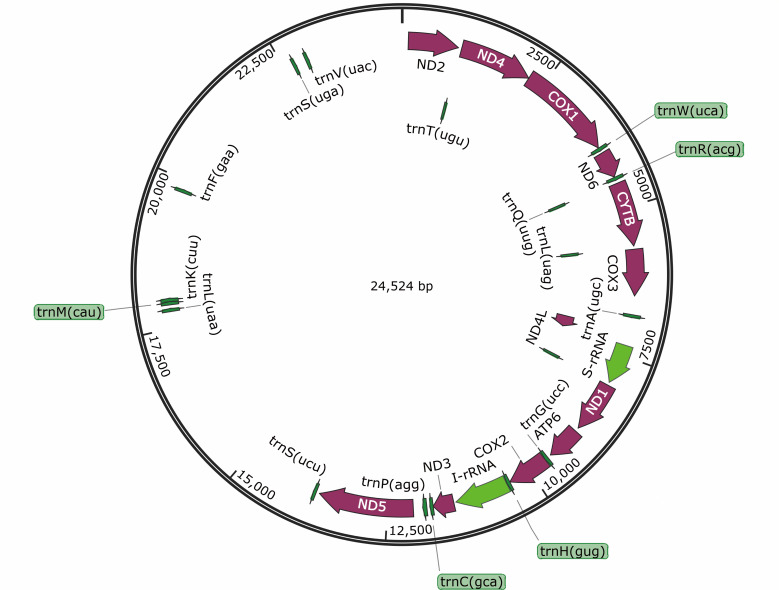 Figure 3
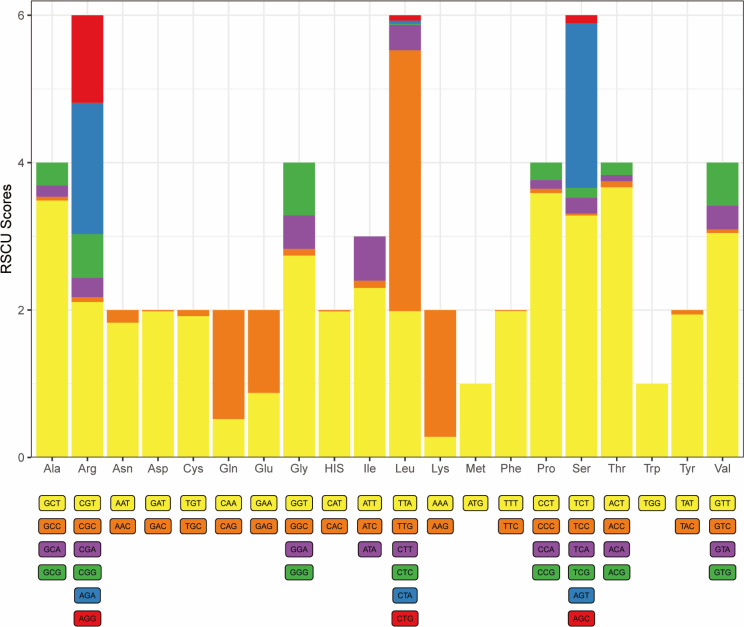 Figure 4
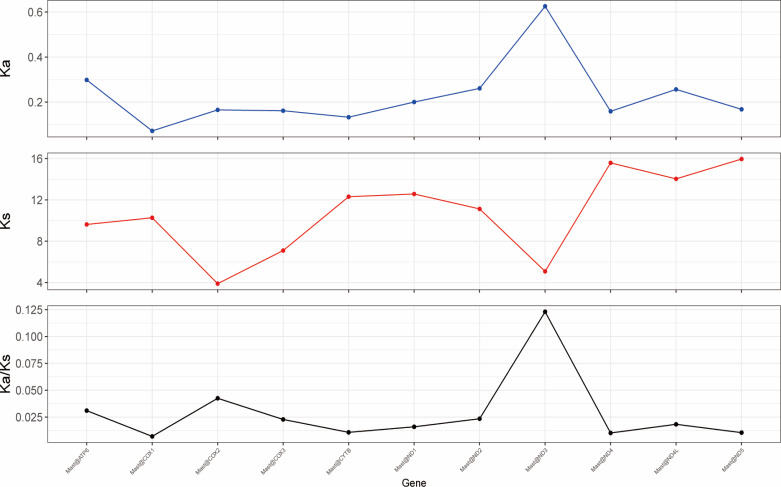 Figure 5
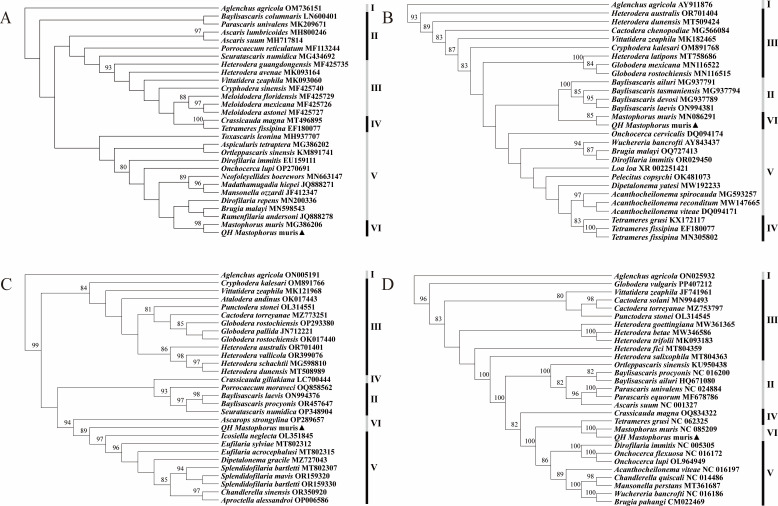 Figure 6
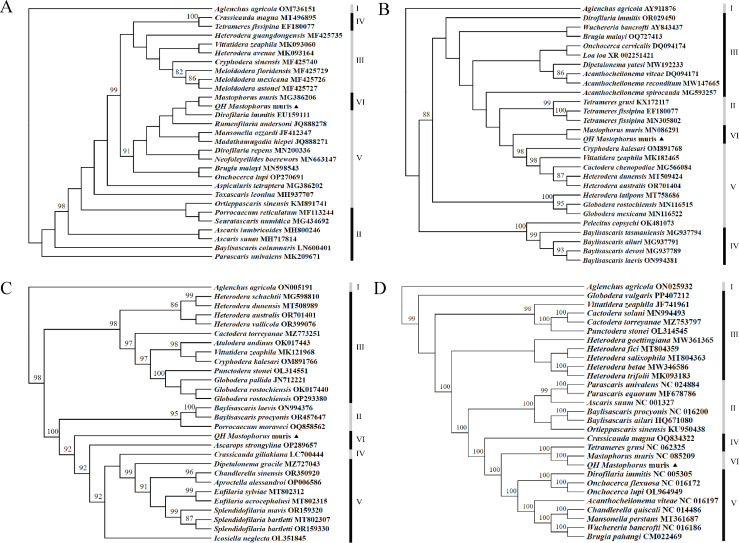 Figure 7
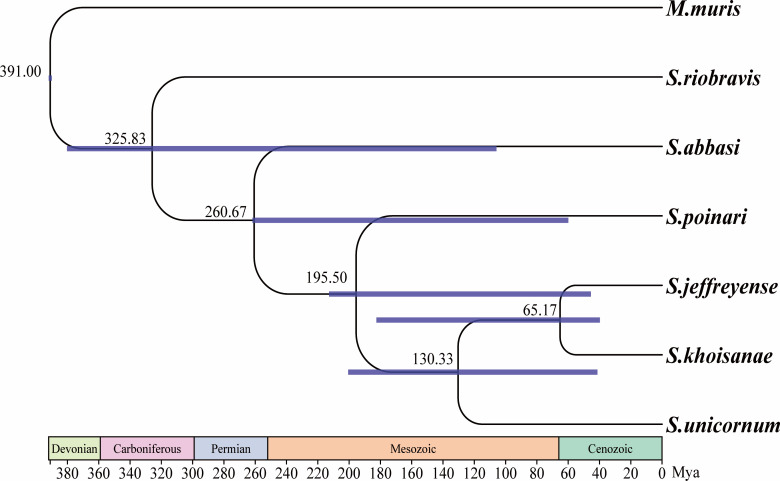 Figure 8
Peer Reviews
No public reviews on file for this paper yet. If you reviewed it on a platform where reviews are public (OpenReview, ICLR, NeurIPS, ICML), you can paste yours below so the community can read it here.
Videos
No videos yet. Explain this paper in a talk, walkthrough, or lecture? Add one.
Taxonomy
TopicsParasite Biology and Host Interactions · Helminth infection and control · Identification and Quantification in Food