Toward standardized methods in canine vaginal microbiome research: evaluation of storage, host DNA depletion, and database selection
Lotte Spanoghe, Guillaume Domain, Florin Posastiuc, Amanda Hettiarachchi, Adelaide Panattoni, Sebastiaan Theuns, Filip Van Immerseel, Geert Opsomer, Ann Van Soom, Penelope Banchi

TL;DR
This study evaluates methods for studying the canine vaginal microbiome, finding that database choice strongly affects results while storage and host DNA depletion have little impact.
Contribution
The study introduces a standardized protocol for canine vaginal microbiome research, emphasizing the critical role of reference database selection.
Findings
Host DNA depletion and storage conditions had no significant effect on bacterial composition.
Reference database choice significantly influenced beta diversity results.
The proposed protocol supports more reliable and comparable canine vaginal microbiome research.
Abstract
Standardized methods for investigating the canine vaginal microbiome are not available yet. Data using next-generation sequencing (NGS) are still limited, and methodologies lack consistency. In theory, microbiome results can be significantly affected by factors like sampling technique, storage, DNA extraction methods, and reference databases, which can all introduce bias. To address these concerns, we compared two storage methods for the sample (no medium vs. medium), examined the effect of host DNA depletion, and tested two reference databases (Emu vs. SILVA) using samples from six bitches, totaling 26 samples. Host depletion showed no significant impact on bacterial composition, nor did the storage conditions. However, when comparing reference databases, we found significant differences in beta diversity, emphasizing the importance of database choice when comparing studies. The…
Genes, proteins, chemicals, diseases, species, mutations and cell lines named across the full text — each resolved to its canonical identifier and authoritative record.
Click any figure to enlarge with its caption.
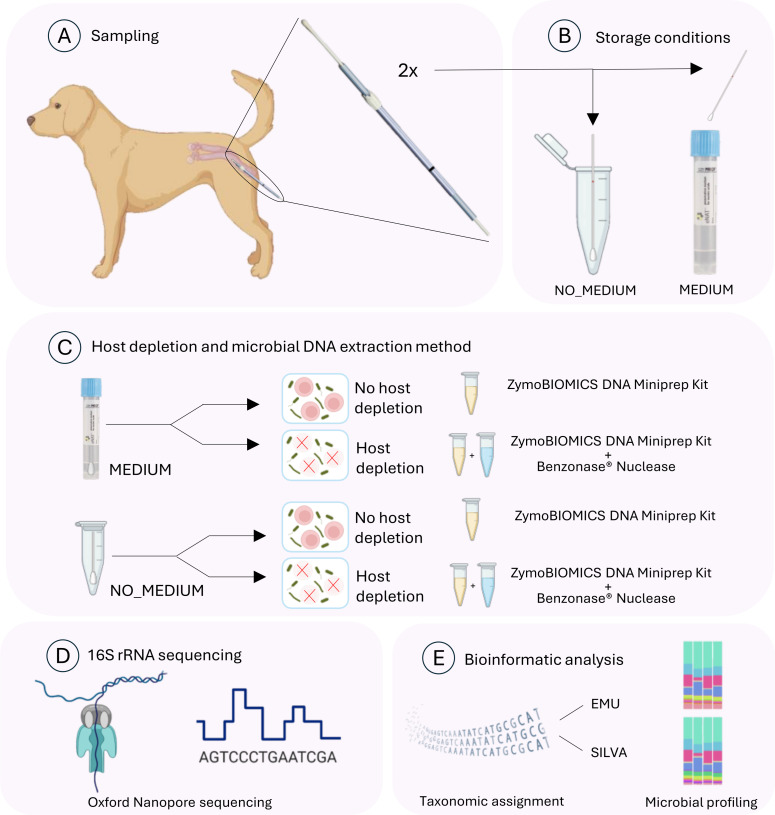 Figure 1
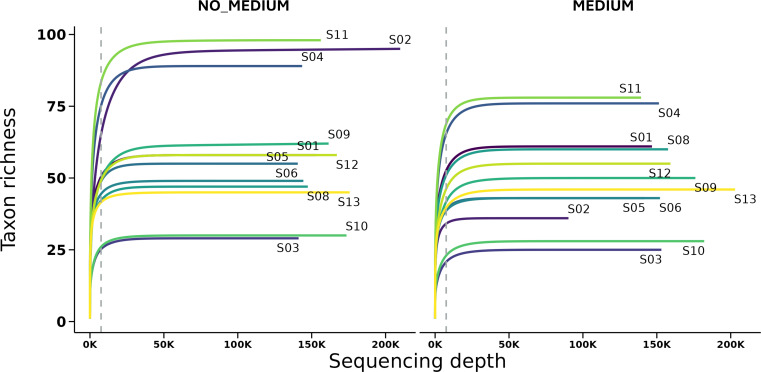 Figure 2
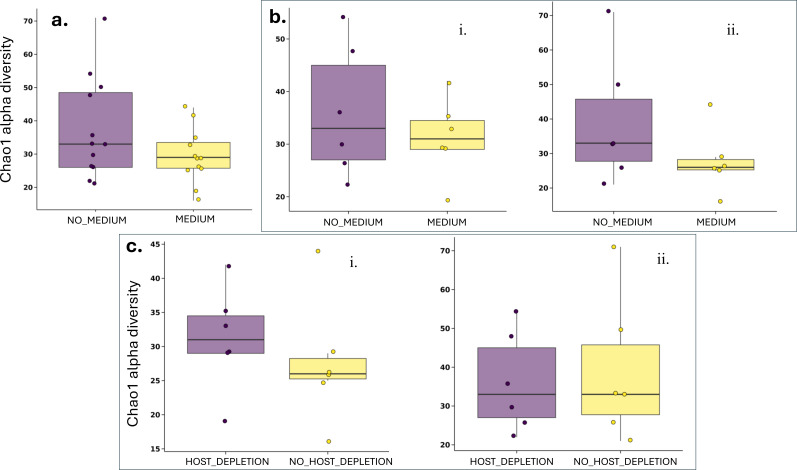 Figure 3
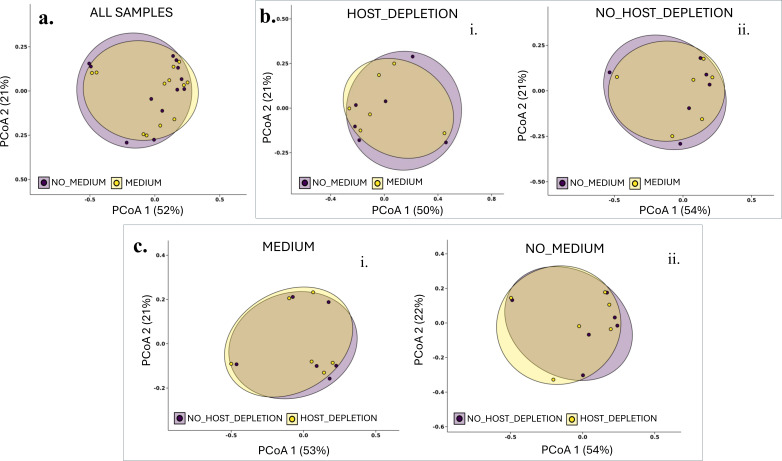 Figure 4
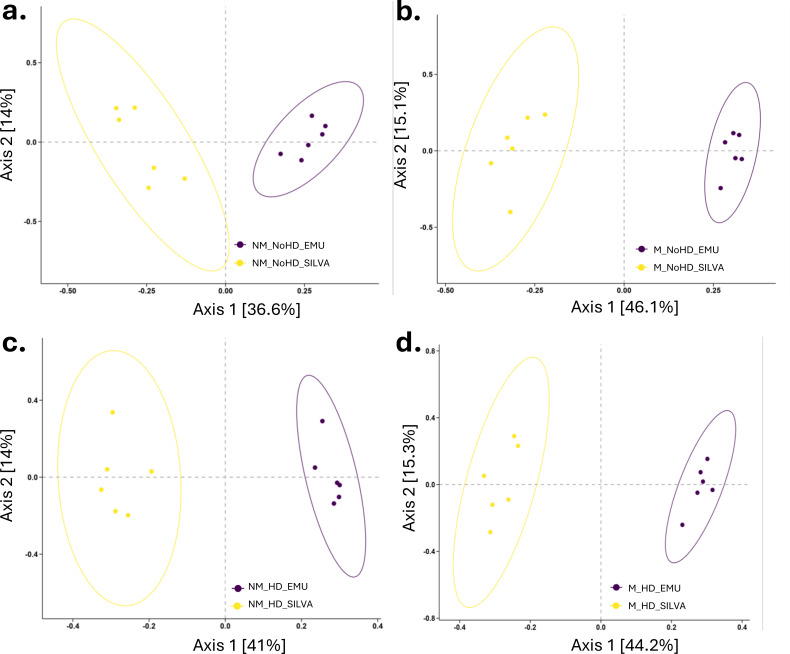 Figure 5
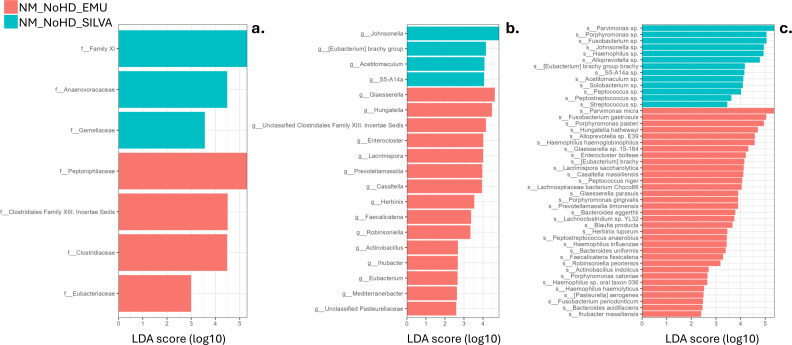 Figure 6
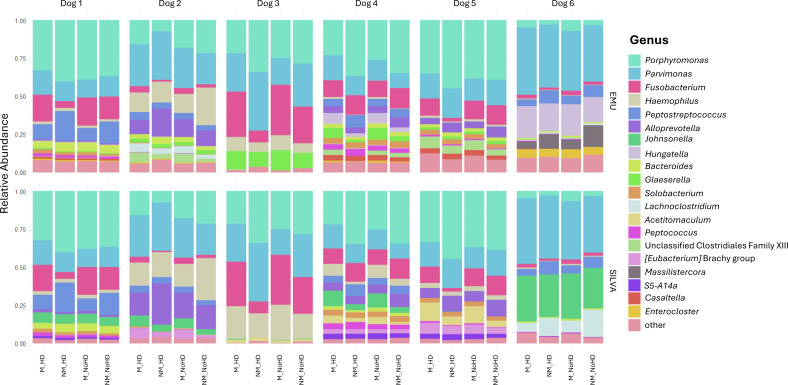 Figure 7
Peer Reviews
No public reviews on file for this paper yet. If you reviewed it on a platform where reviews are public (OpenReview, ICLR, NeurIPS, ICML), you can paste yours below so the community can read it here.
Videos
No videos yet. Explain this paper in a talk, walkthrough, or lecture? Add one.
Taxonomy
TopicsGut microbiota and health · Reproductive tract infections research · Human-Animal Interaction Studies