Comparison of classic and novel human astrovirus MLB and VA seroprevalence in HIV and non-HIV cohorts in South China demonstrates high seroreactivity to classic human astrovirus, which is associated with HIV infection
Jianhao Wang, Binyi Liu, Sisi Liu, Yawen Sun, Ruiying He, Yun Lan, Linna Liu, Hongbing Jiang

TL;DR
This study found that people with HIV in South China have stronger immune responses to classic human astrovirus but weaker responses to newer strains, highlighting the need for better surveillance in high-risk groups.
Contribution
The study reveals distinct immune response patterns to classic and novel human astrovirus clades in HIV-positive individuals in South China.
Findings
HIV-positive individuals showed significantly higher seroreactivity to classic HAstV1 compared to HIV-negative individuals.
VA1 had the highest overall seroprevalence, but HIV-positive participants had lower reactivity to it.
Co-exposure to MLB2 and VA1 was significantly associated in the study population.
Abstract
Human astroviruses (HAstVs), including classic and novel clades (MLB, VA), are enteric pathogens with increasing clinical significance, particularly in immunocompromised populations. This cross-sectional study investigated HAstV seroprevalence and antibody response profiles in 197 individuals (101 HIV-positive and 96 HIV-negative) from Guangdong Province, South China. Recombinant HAstV1, MLB2, and VA1 spike proteins were expressed in Escherichia coli, structurally validated using AlphaFold2, and used in enzyme-linked immunosorbent assays-based serology with minimal cross-reactivity confirmed in murine models. Cohort study showed that HIV-positive individuals exhibited significantly higher HAstV1 seroreactivity (median OD450: 0.93 vs 0.64, P = 0.047) and an ordinal logistic regression revealed greater odds of stronger antibody responses to HAstV1 (adjusted odds ratio [aOR] = 1.91, P =…
Genes, proteins, chemicals, diseases, species, mutations and cell lines named across the full text — each resolved to its canonical identifier and authoritative record.
Click any figure to enlarge with its caption.
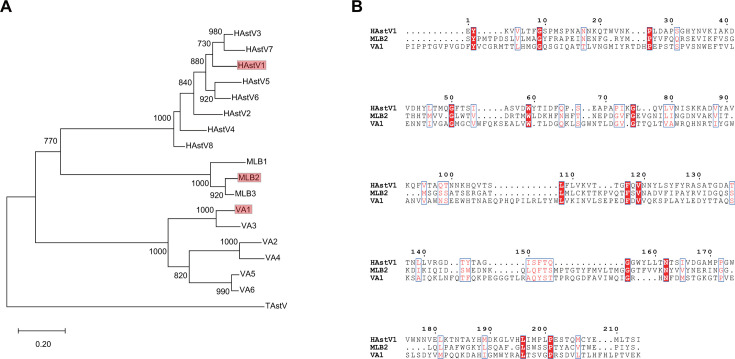 Figure 1
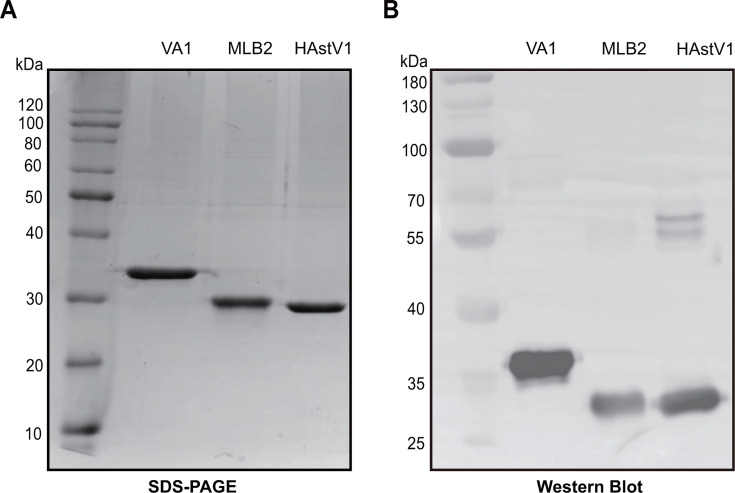 Figure 2
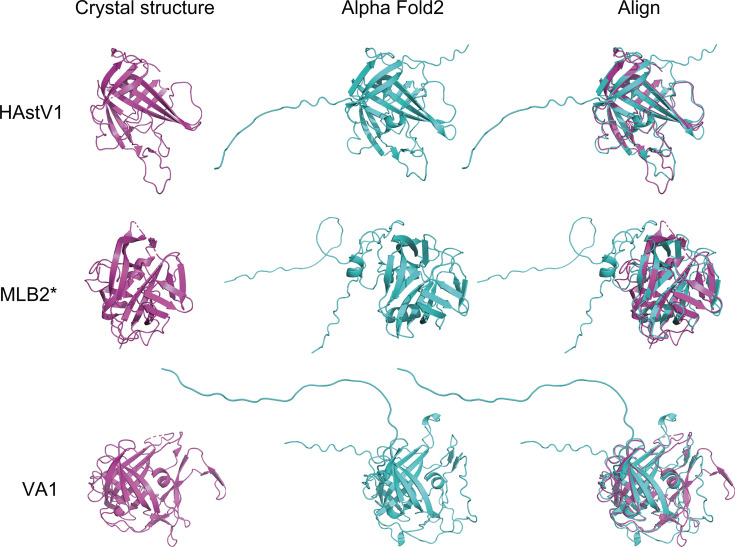 Figure 3
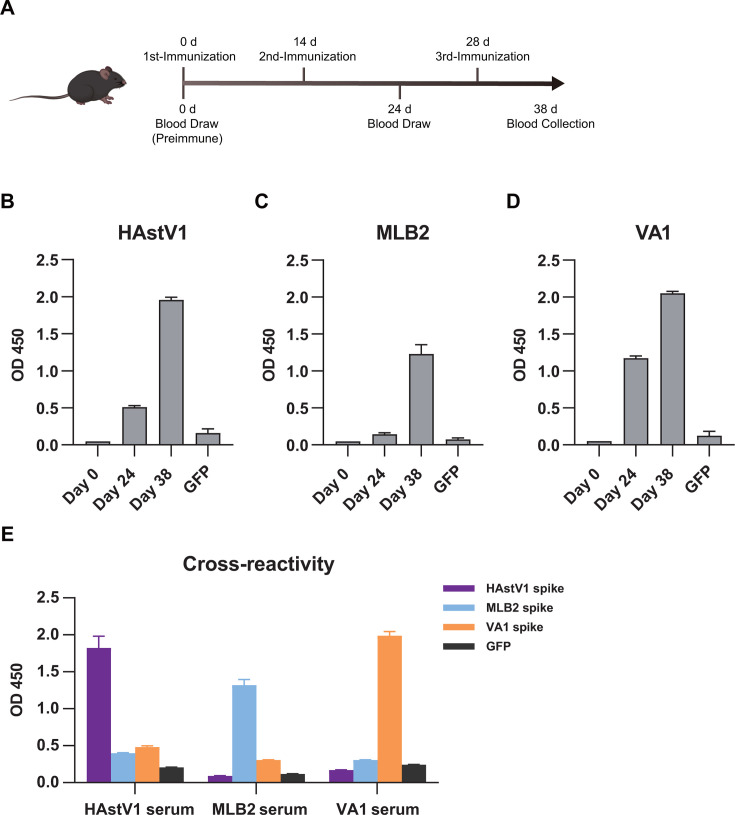 Figure 4
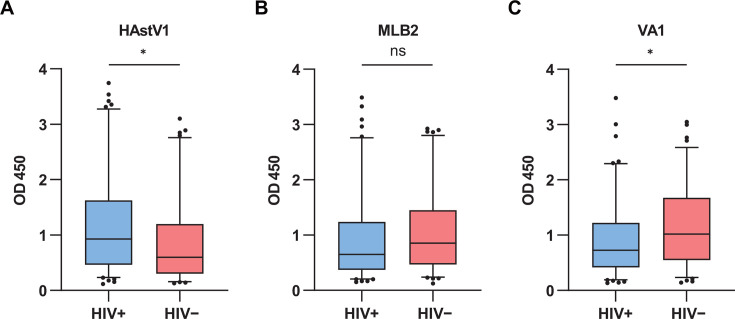 Figure 5
Peer Reviews
No public reviews on file for this paper yet. If you reviewed it on a platform where reviews are public (OpenReview, ICLR, NeurIPS, ICML), you can paste yours below so the community can read it here.
Videos
No videos yet. Explain this paper in a talk, walkthrough, or lecture? Add one.
Taxonomy
TopicsViral gastroenteritis research and epidemiology · Virus-based gene therapy research