Pantothenate regulates feeding and reproduction in the malaria vector Anopheles stephensi, with patterns dependent on supplementation scheme and parental nutrition
Megan E. Dobson, Hannah L. Kaylor, Sydney L. Pruett, Jessica Brady, Kayla Savoie-Penton, Jun Isoe, Yared Debebe, Michael A. Riehle, Shirley Luckhart

TL;DR
This study shows that vitamin B5 (pantothenate) affects feeding and reproduction in malaria-carrying mosquitoes, with effects depending on how it's delivered and the nutrition of parent mosquitoes.
Contribution
The study reveals transgenerational effects of pantothenate supplementation on mosquito reproduction and highlights its potential for novel malaria control strategies.
Findings
Pantothenate regulates reproduction in Anopheles stephensi in concentration- and delivery-dependent ways.
Mothers supplemented with pantothenate via water increased fecundity in their unsupplemented offspring.
Pantothenate delivery via blood only affected reproduction in supplemented mothers and their offspring.
Abstract
Pantothenate (Pan), or vitamin B5, is the substrate for biosynthesis of coenzyme A (CoA), an essential cellular cofactor involved in many metabolic processes. Our previous studies demonstrated that Pan availability influences a broad range of traits across multiple species, including malaria parasite development in the mosquito Anopheles stephensi. Accordingly, restricting Pan availability during parasite development may be a viable strategy for malaria control. However, the physiological roles of Pan in A. stephensi remain unclear. In these studies, we investigated the effects of Pan supplementation on this globally important malaria vector. Female A. stephensi were supplemented with Pan via either water, which, similar to plant nectar, is directed to the crop and then slowly released into the midgut, or blood, which transits directly to the midgut for digestion. The effects of…
Genes, proteins, chemicals, diseases, species, mutations and cell lines named across the full text — each resolved to its canonical identifier and authoritative record.
Click any figure to enlarge with its caption.
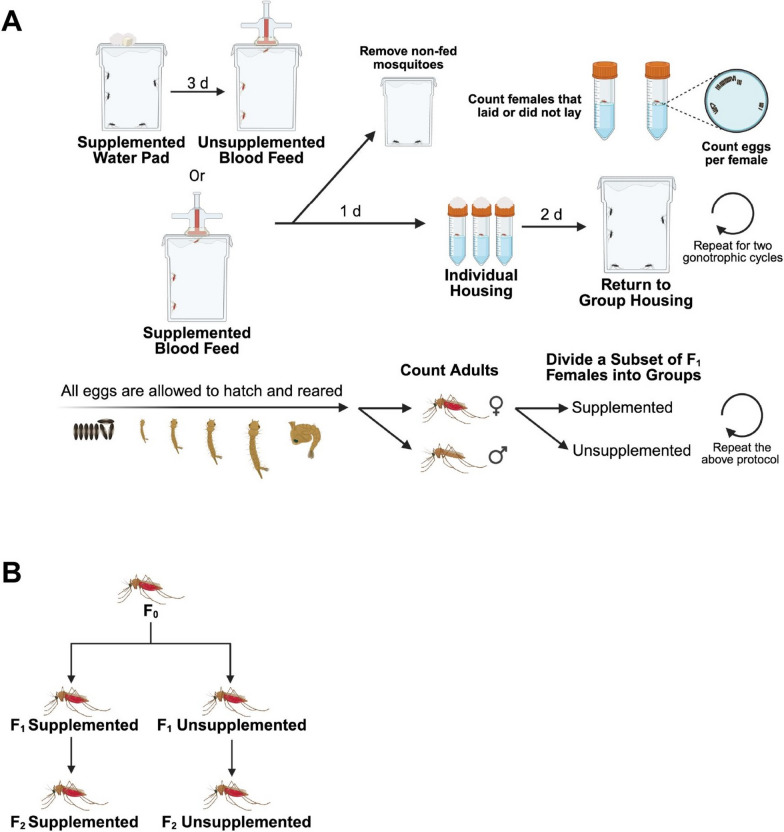 Figure 1
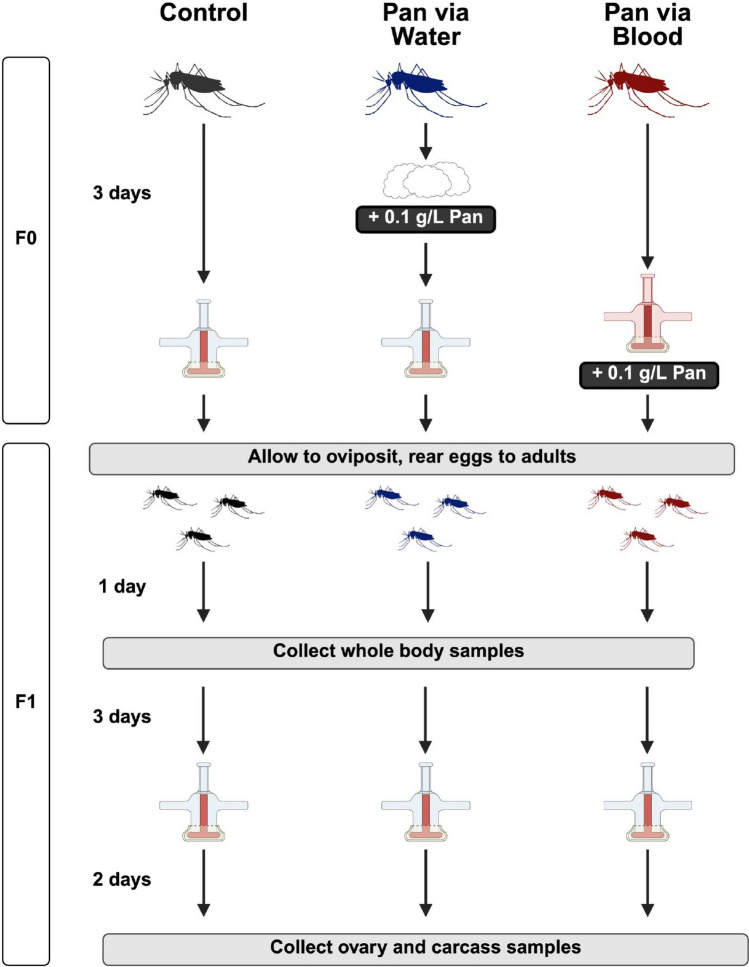 Figure 2
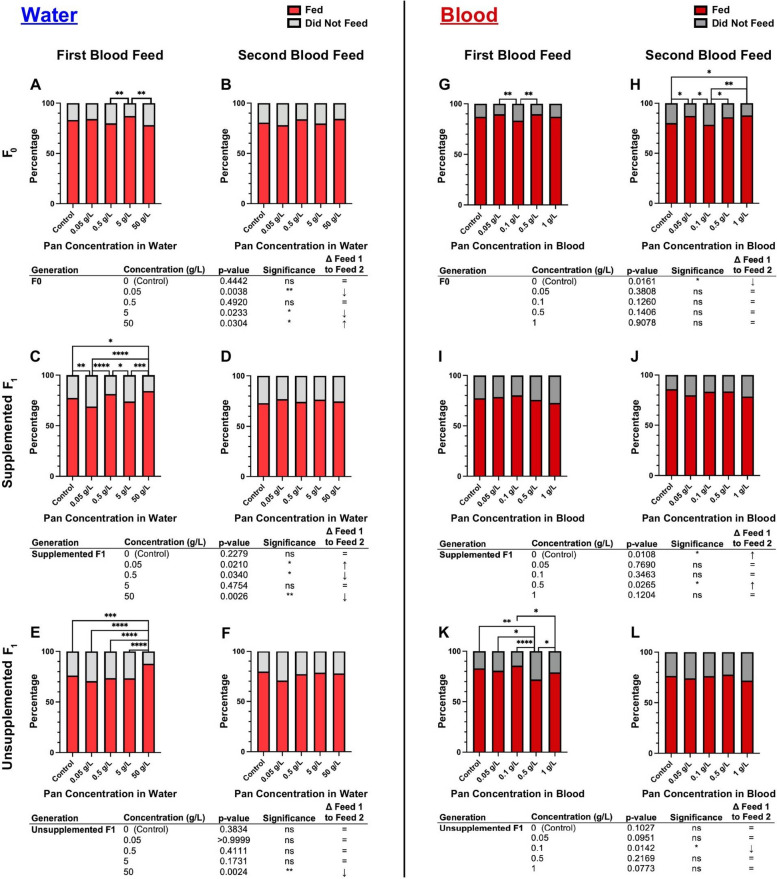 Figure 3
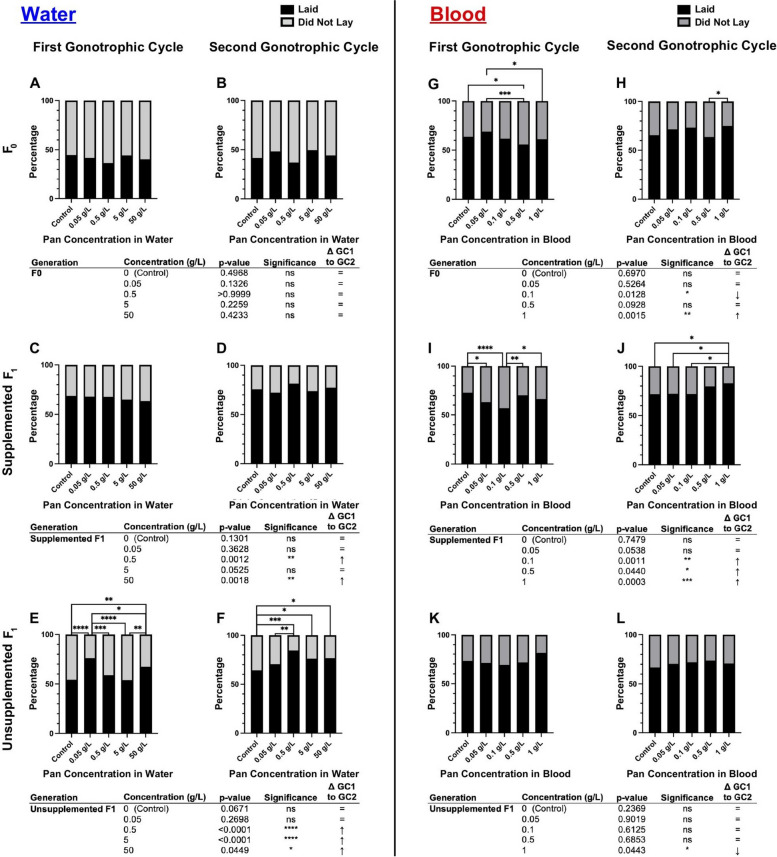 Figure 4
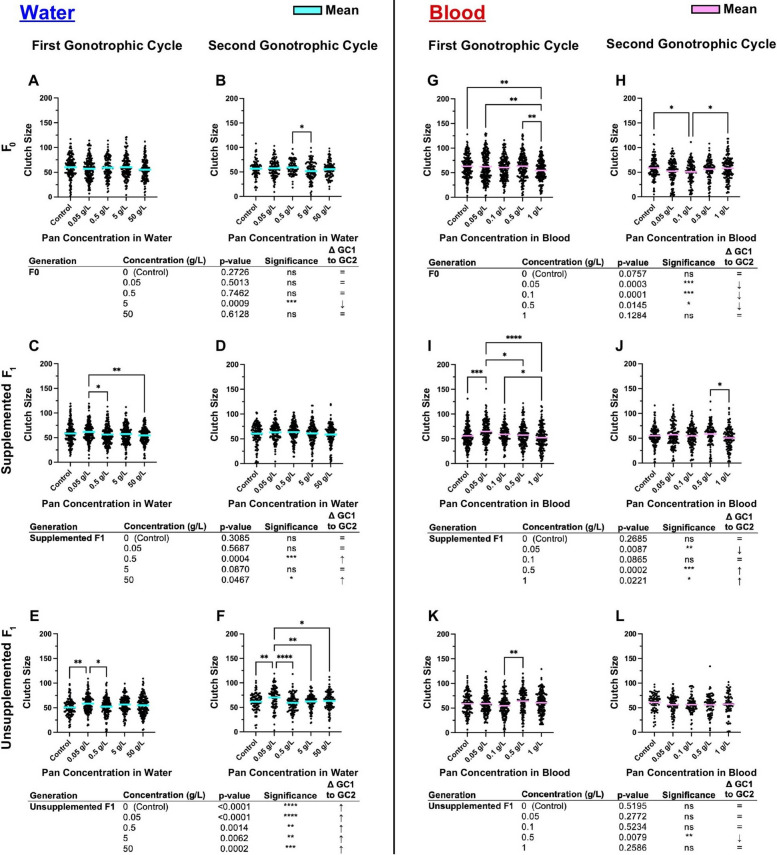 Figure 5
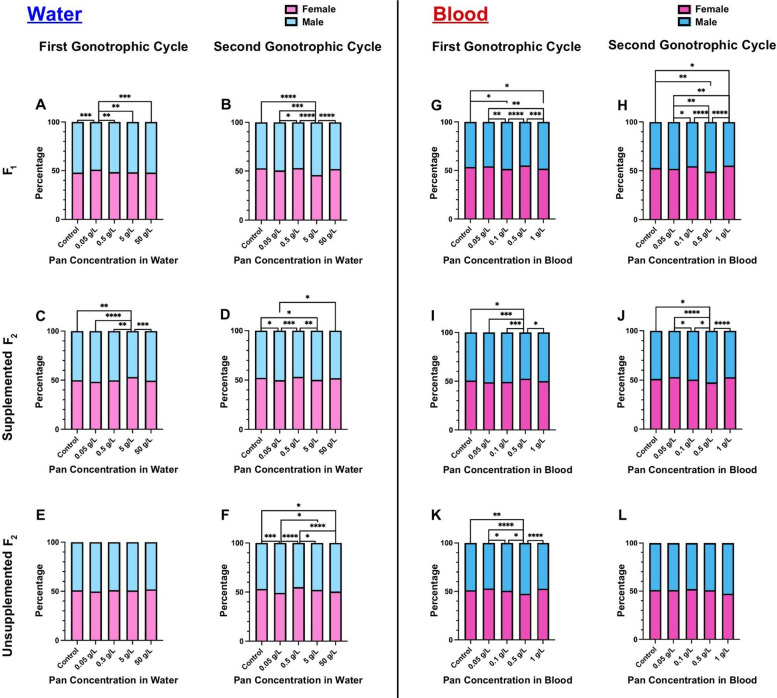 Figure 6
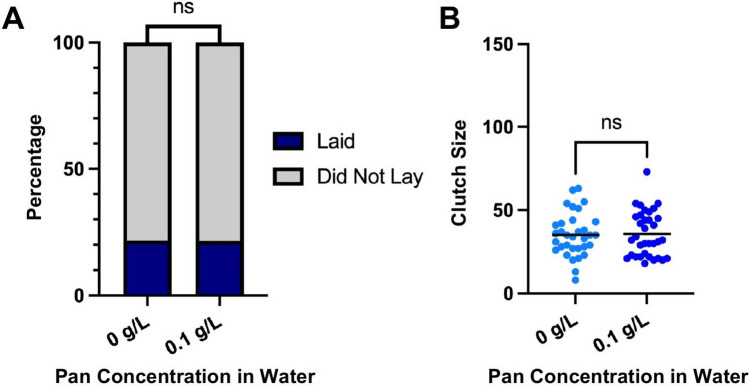 Figure 7
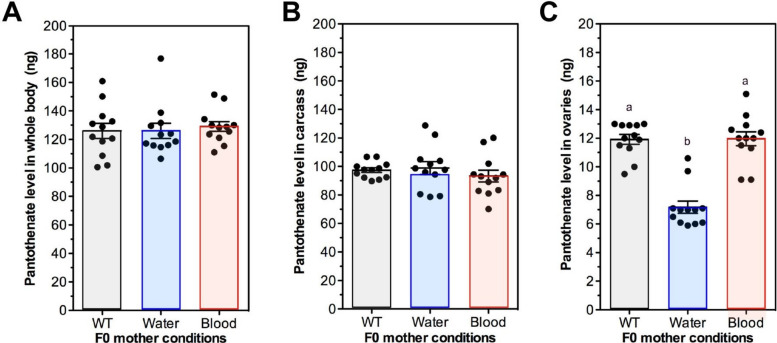 Figure 8
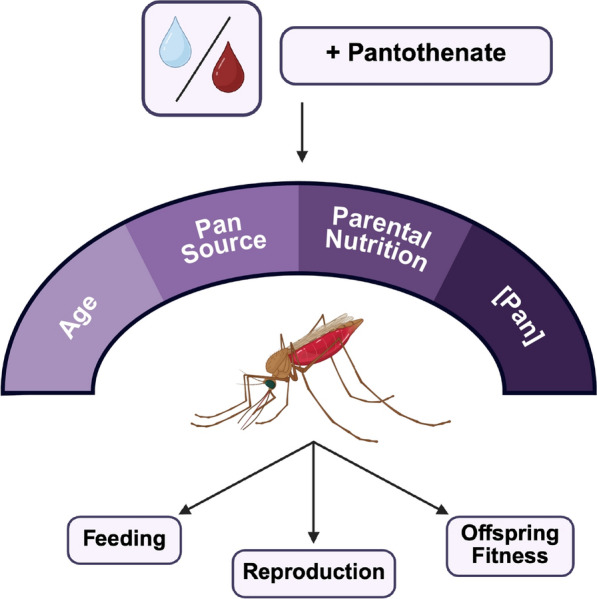 Figure 9
Peer Reviews
No public reviews on file for this paper yet. If you reviewed it on a platform where reviews are public (OpenReview, ICLR, NeurIPS, ICML), you can paste yours below so the community can read it here.
Videos
No videos yet. Explain this paper in a talk, walkthrough, or lecture? Add one.
Taxonomy
TopicsMosquito-borne diseases and control · Neurobiology and Insect Physiology Research · Malaria Research and Control