Prophylactic administration of lecithinized superoxide dismutase for a murine model of oxaliplatin-induced myelosuppression
Mikako Shimoda, Akari Yamaguchi, Ayano Shikata, Yusuke Murakami, Masahiro Kawahara, Tohru Mizushima, Ken-ichiro Tanaka

TL;DR
This study shows that PC-SOD, a drug delivery system, can prevent myelosuppression caused by oxaliplatin in mice by reducing harmful oxygen molecules.
Contribution
The study demonstrates for the first time that PC-SOD prevents oxaliplatin-induced myelosuppression in mice through antioxidant effects.
Findings
PC-SOD treatment restored oxaliplatin-induced decreases in white blood cell counts in mice.
PC-SOD suppressed reactive oxygen species production in bone marrow caused by oxaliplatin.
PC-SOD reduced oxaliplatin-induced cytotoxicity in mouse bone marrow cells.
Abstract
Oxaliplatin, in combination with 5-fluorouracil and leucovorin, is a standard treatment for colorectal cancer and shows high efficacy. However, oxaliplatin induces side effects, such as chemotherapy-induced peripheral neuropathy and myelosuppression, which may lead to dose reduction, temporary drug withdrawal, or discontinuation. Lecithinized superoxide dismutase (PC-SOD) is a drug delivery system formulation with improved blood stability and tissue affinity for SOD. A phase II clinical trial of PC-SOD for chemotherapy-induced peripheral neuropathy has been conducted, and its efficacy has been confirmed for certain parameters. In this study, we focused on myelosuppression, a major side effect of oxaliplatin, and aimed to elucidate the preventive effect of PC-SOD in a murine model of myelosuppression. Oxaliplatin administration decreased the white blood cell, platelet, and red blood…
Genes, proteins, chemicals, diseases, species, mutations and cell lines named across the full text — each resolved to its canonical identifier and authoritative record.
Click any figure to enlarge with its caption.
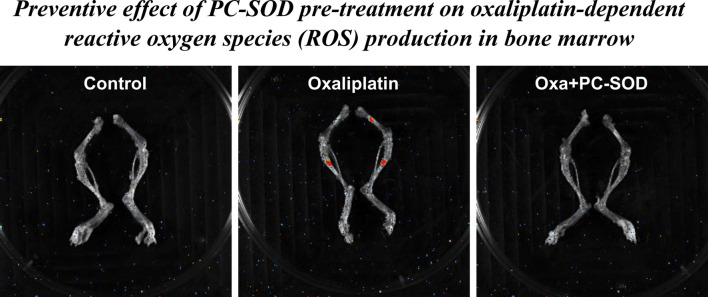 Figure 1
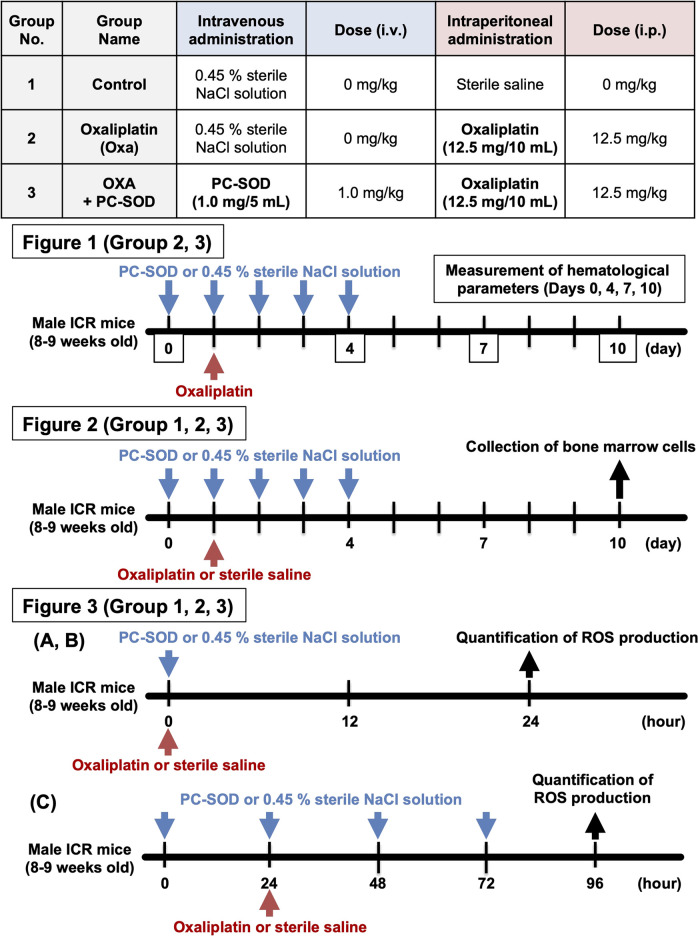 Figure 2
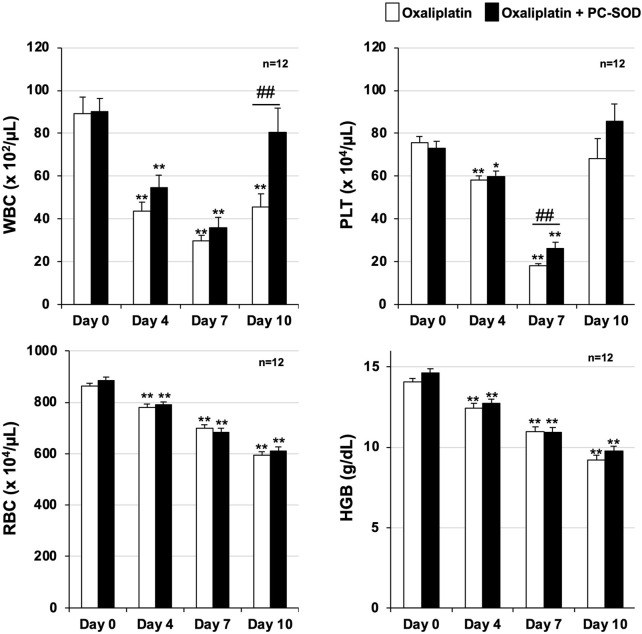 Figure 3
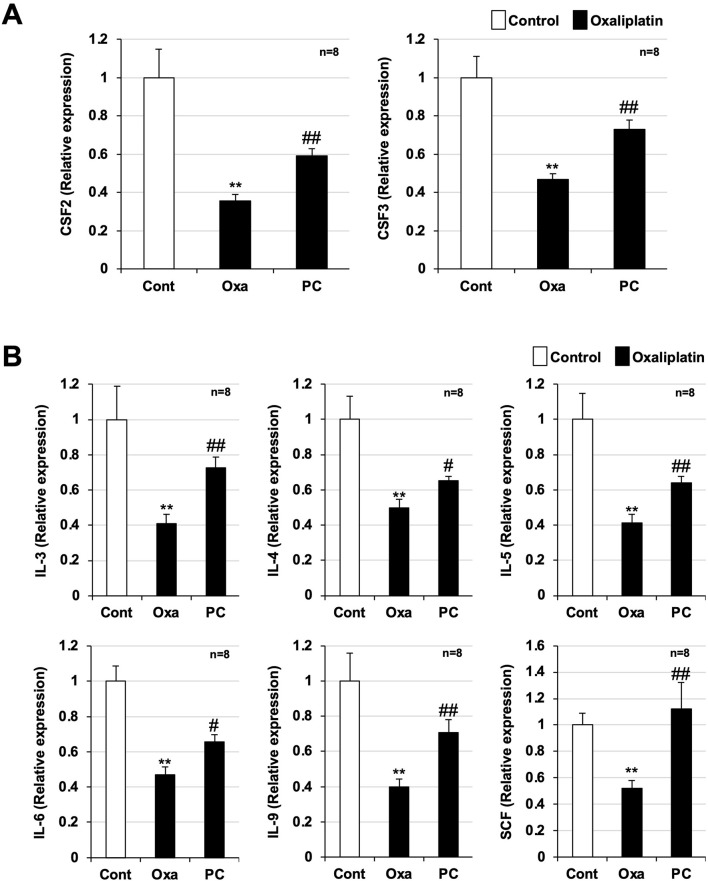 Figure 4
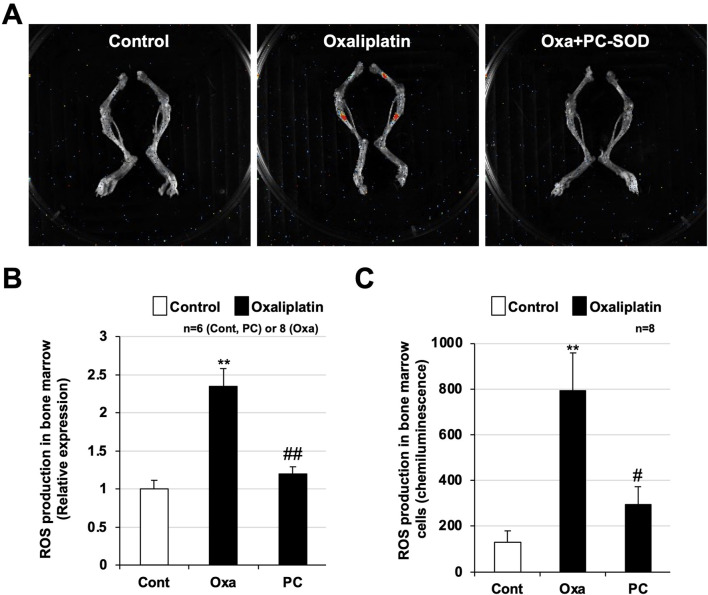 Figure 5
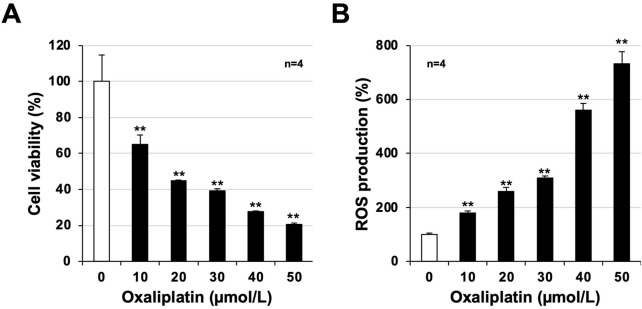 Figure 6
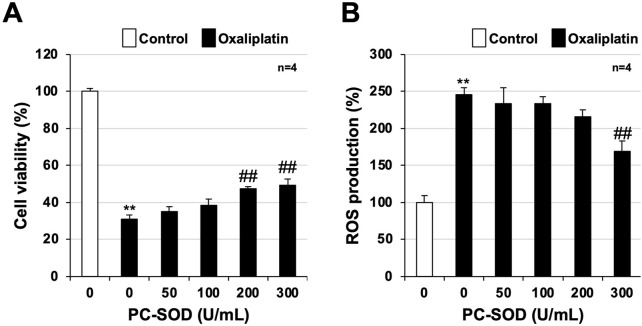 Figure 7
Peer Reviews
No public reviews on file for this paper yet. If you reviewed it on a platform where reviews are public (OpenReview, ICLR, NeurIPS, ICML), you can paste yours below so the community can read it here.
Videos
No videos yet. Explain this paper in a talk, walkthrough, or lecture? Add one.
Taxonomy
TopicsCancer Treatment and Pharmacology · Multiple Myeloma Research and Treatments · Chemotherapy-related skin toxicity