Transcriptome-Proteome Profiling in Burkholderia thailandensis during the Transition from Exponential to Stationary Phase
Ahmed Al-Tohamy, Fabrizio Donnarumma, Anne Grove

TL;DR
This study examines how gene and protein activity changes in Burkholderia thailandensis as it transitions from rapid growth to stationary phase, revealing key metabolic and regulatory shifts.
Contribution
The study provides an integrated transcriptomic and proteomic analysis of Burkholderia thailandensis during phase transition, highlighting novel regulatory patterns and metabolic adaptations.
Findings
928 mRNAs and 832 proteins showed differential accumulation during the stationary phase transition.
Proteins involved in fatty acid degradation and secondary metabolite synthesis increased in stationary phase.
Ribosomal and iron–sulfur biogenesis proteins were significantly downregulated in stationary phase.
Abstract
Burkholderia thailandensis is closely related to, and a surrogate for, highly pathogenic Burkholderia species. Like other bacterial cells, it commonly exists in the stationary phase, for instance, within a host cell. Understanding the molecular mechanisms that characterize the transition from exponential to stationary phases is therefore critical to understanding responses to stress or nutrient limitation. We present here an integrated transcriptomic and proteomic analysis of mRNA and protein abundance changes during entry into the stationary phase. We identified 928 differentially accumulating mRNAs and 832 differentially accumulating proteins. mRNAs encoding proteins involved in benzoate degradation and O-antigen nucleotide sugar biosynthesis were elevated in the stationary phase, whereas processes such as translation and flagellar biosynthesis were downregulated. Proteins related to…
Genes, proteins, chemicals, diseases, species, mutations and cell lines named across the full text — each resolved to its canonical identifier and authoritative record.
Click any figure to enlarge with its caption.
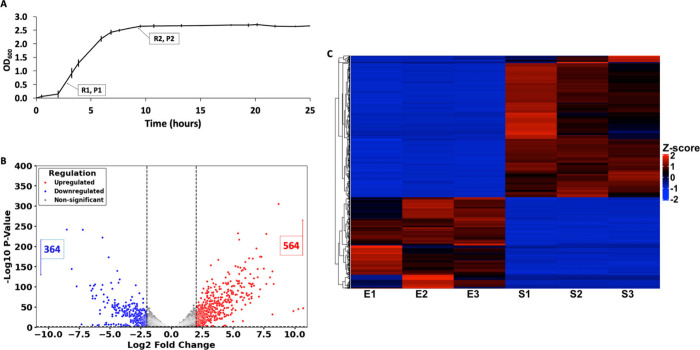 Figure 1
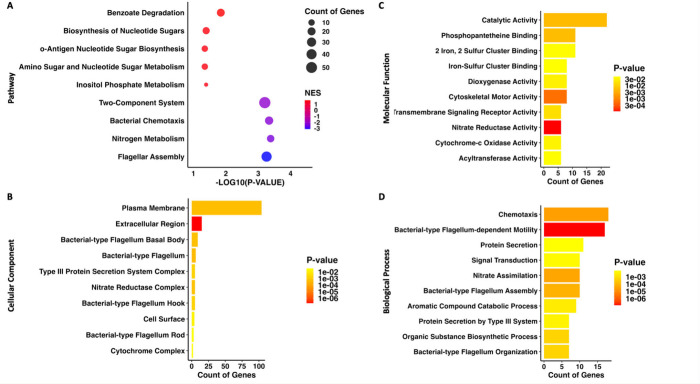 Figure 2
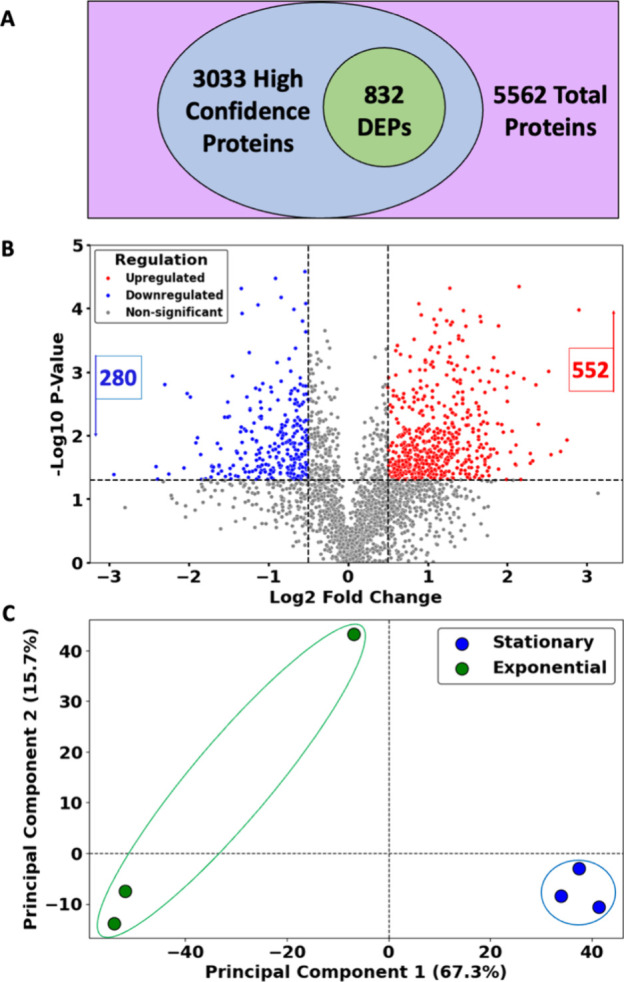 Figure 3
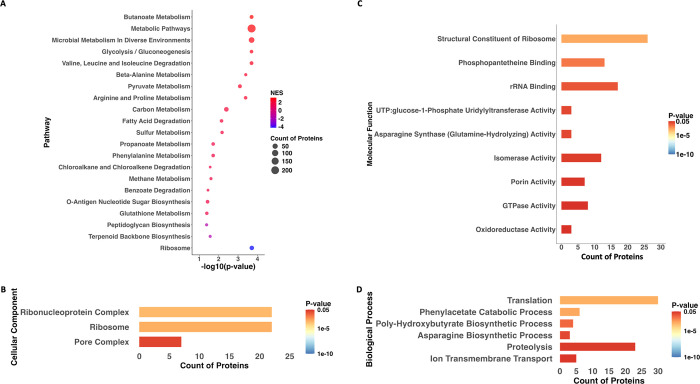 Figure 4
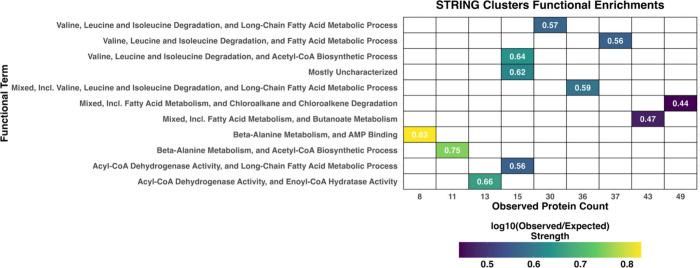 Figure 5
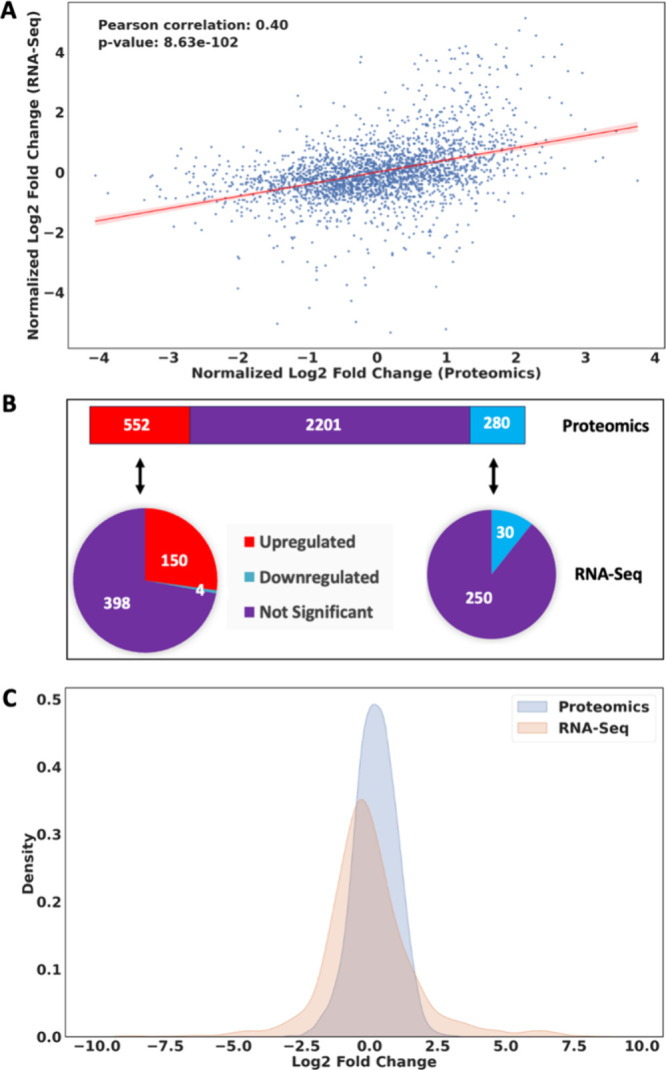 Figure 6
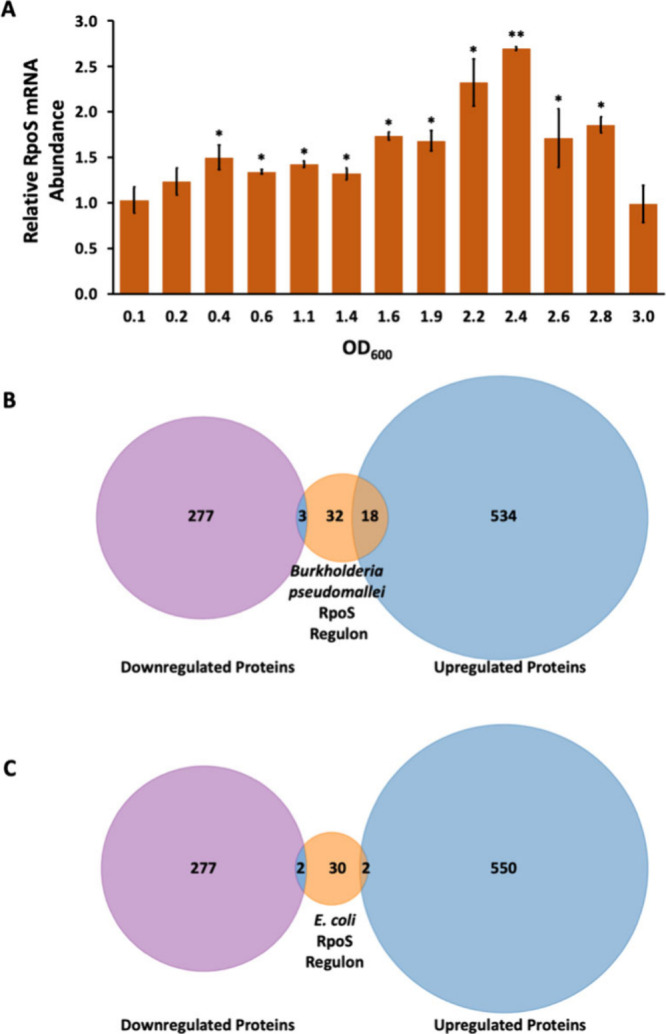 Figure 7
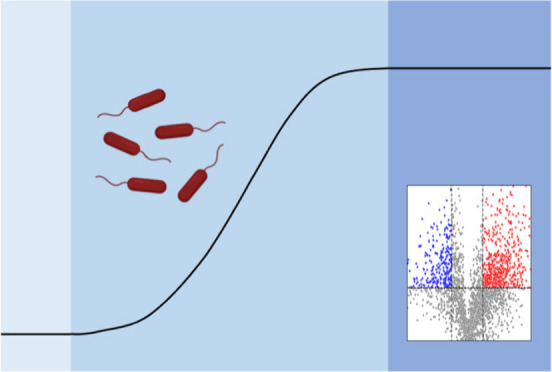 Figure 8
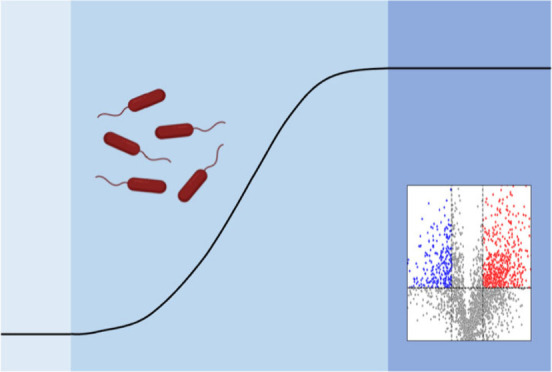 Figure 9
Peer Reviews
No public reviews on file for this paper yet. If you reviewed it on a platform where reviews are public (OpenReview, ICLR, NeurIPS, ICML), you can paste yours below so the community can read it here.
Videos
No videos yet. Explain this paper in a talk, walkthrough, or lecture? Add one.
Taxonomy
TopicsBurkholderia infections and melioidosis · Legume Nitrogen Fixing Symbiosis · Electrocatalysts for Energy Conversion