An Optimized SP3 Sample Processing Workflow for In-Depth and Reproducible Phosphoproteomics
Leonard A. Daly, Christopher J. Clarke, Sally O. Oswald, Andris Jankevics, Philip J. Brownridge, Richard A. Scheltema, Claire E. Eyers

TL;DR
This paper introduces an improved workflow for phosphoproteomics using SP3 magnetic beads, significantly increasing phosphopeptide identifications in cell extracts.
Contribution
The novel workflow uses urea washing and omits C18 SPE cleanup, leading to a 2-fold increase in phosphopeptide identifications.
Findings
Application of the optimized protocol to HEK-293T cell extracts nearly doubled phosphopeptide identifications compared to standard SP3 methods.
The workflow significantly improved detection of multiply phosphorylated peptides.
The study highlights the under-representation of PTM cross-talk in current phosphoproteomics workflows.
Abstract
Protein phosphorylation is a ubiquitous post-translational modification (PTM) found across the kingdoms of life and is critical for the regulation of protein function in health and disease. Advances in high-throughput mass spectrometry have transformed our ability to interrogate the phosphoproteome. However, sample preparation methodologies optimized for phosphoproteomics have not kept pace, compromising the ability to fully exploit these technological advances. In this study, we present an optimized phosphoproteomics workflow using carboxylated SP3 magnetic beads, which have simplified proteomics sample preparation. By employing a washing step with 8 M urea and omitting the conventional C18 SPE cleanup, we demonstrate a significant improvement in phosphopeptide identifications, with application of this refined protocol to HEK-293T cell extracts increasing the number nearly 2-fold…
Genes, proteins, chemicals, diseases, species, mutations and cell lines named across the full text — each resolved to its canonical identifier and authoritative record.
Click any figure to enlarge with its caption.
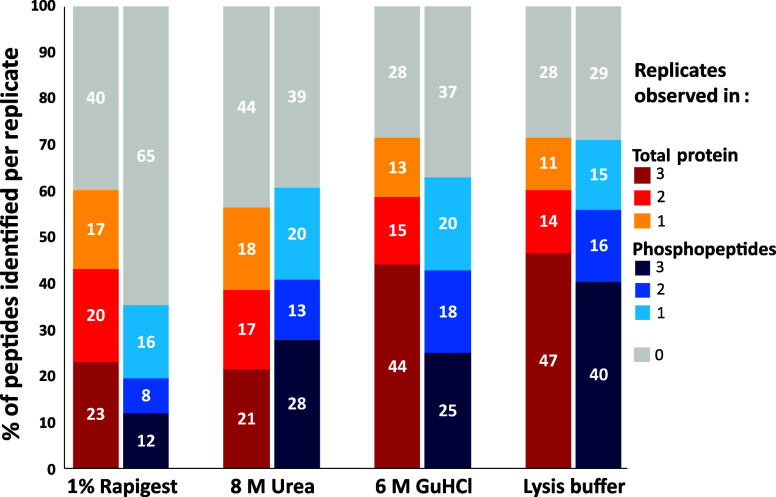 Figure 1
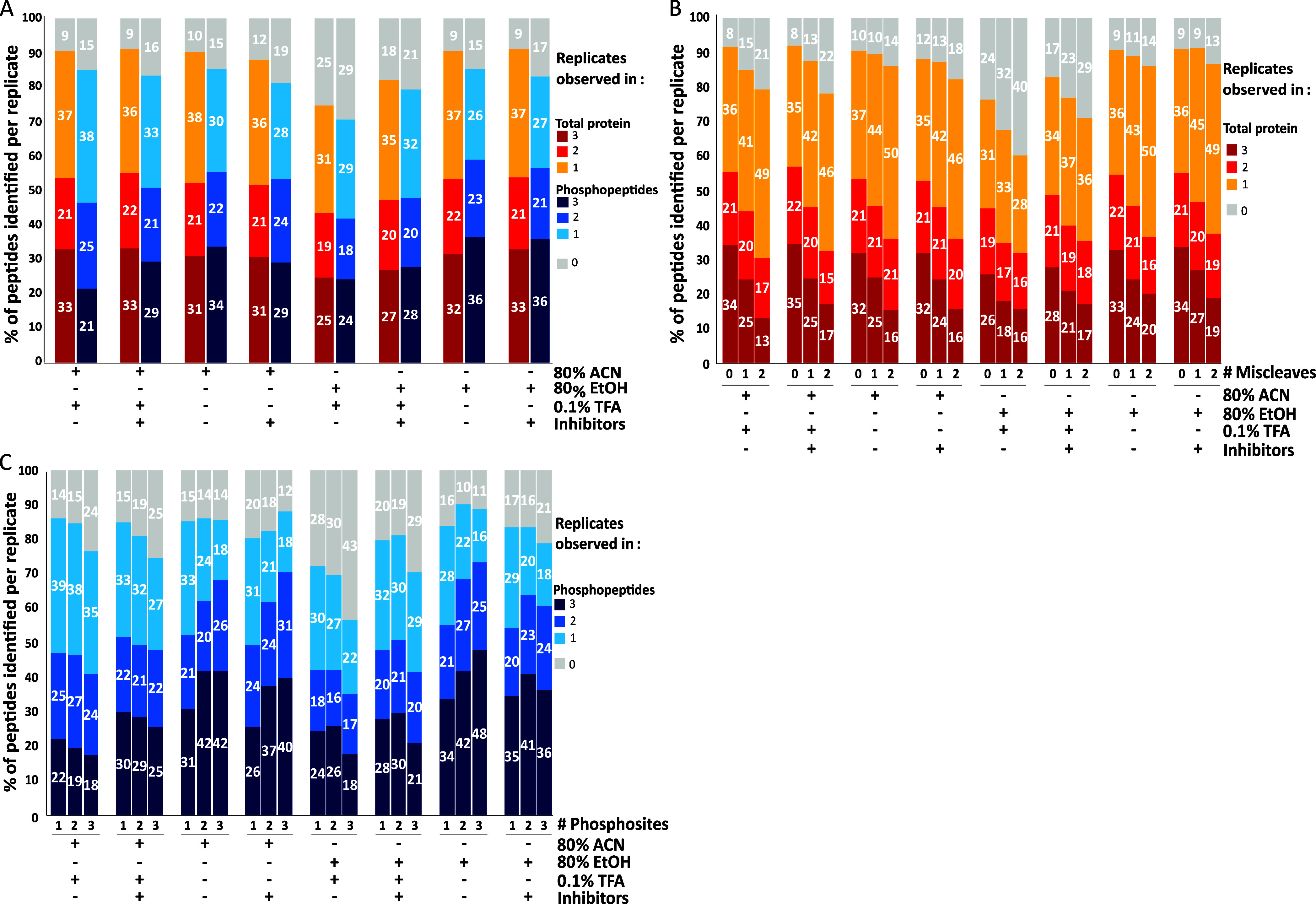 Figure 2
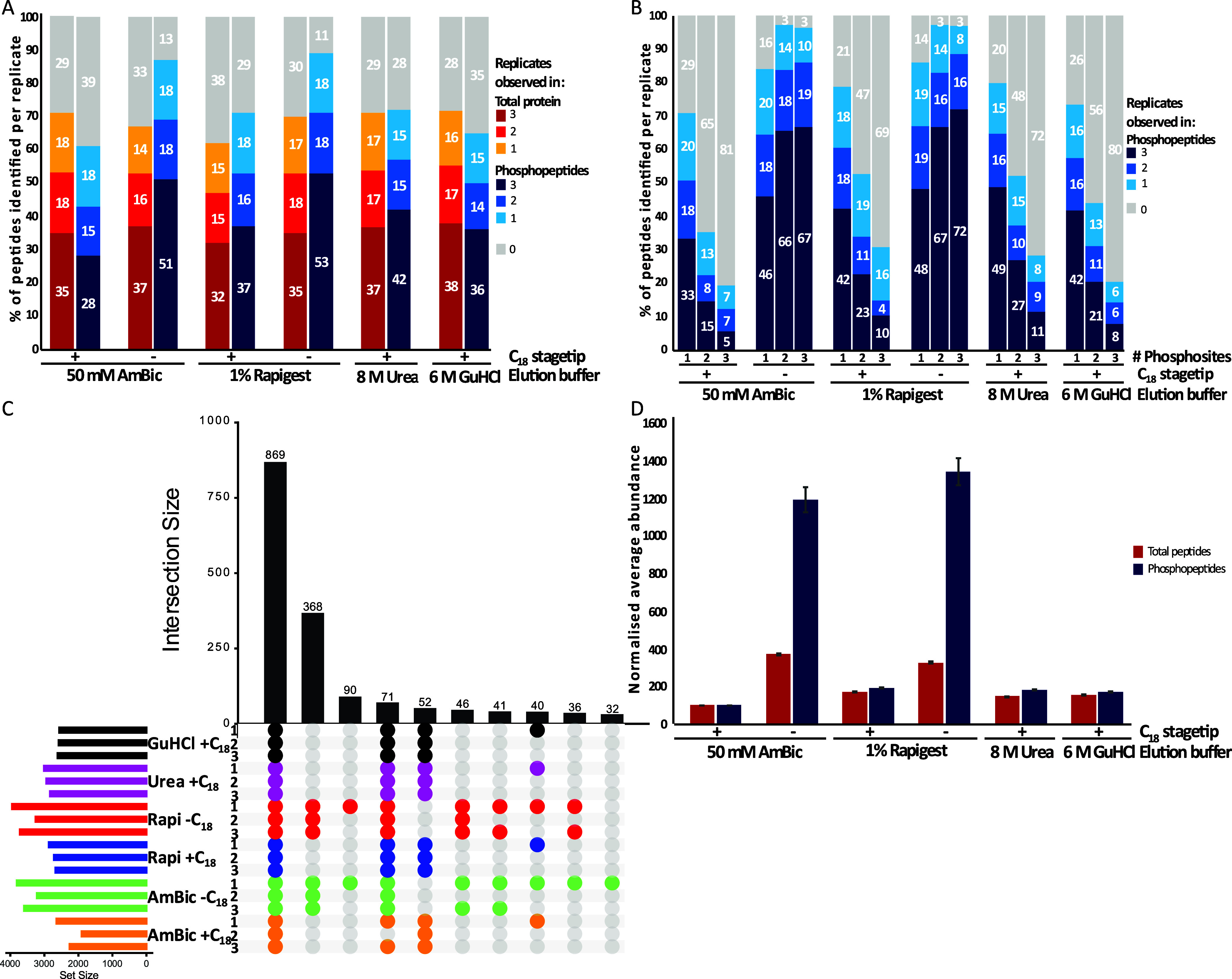 Figure 3
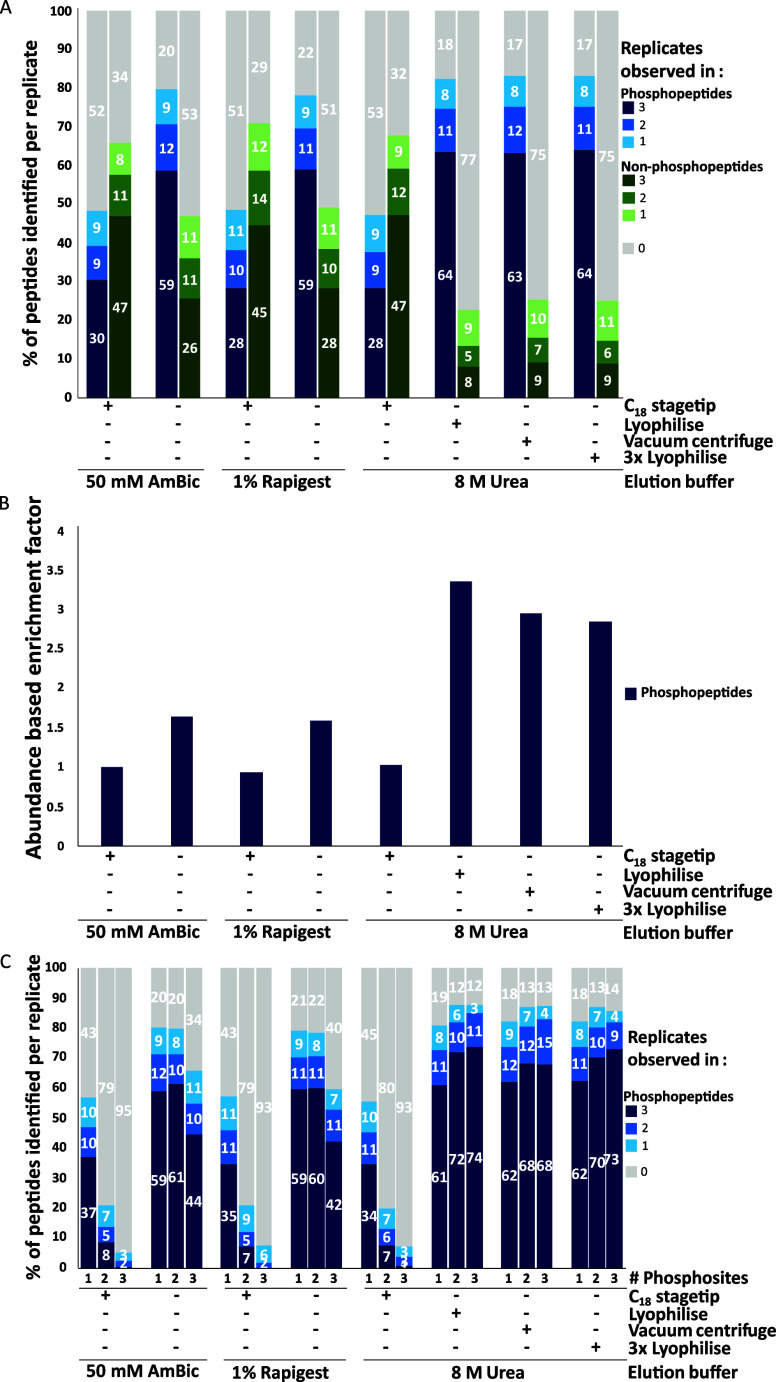 Figure 4
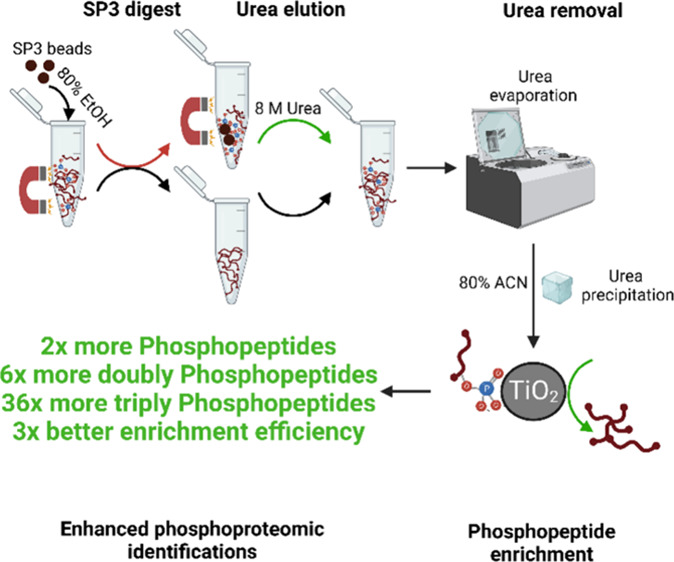 Figure 5
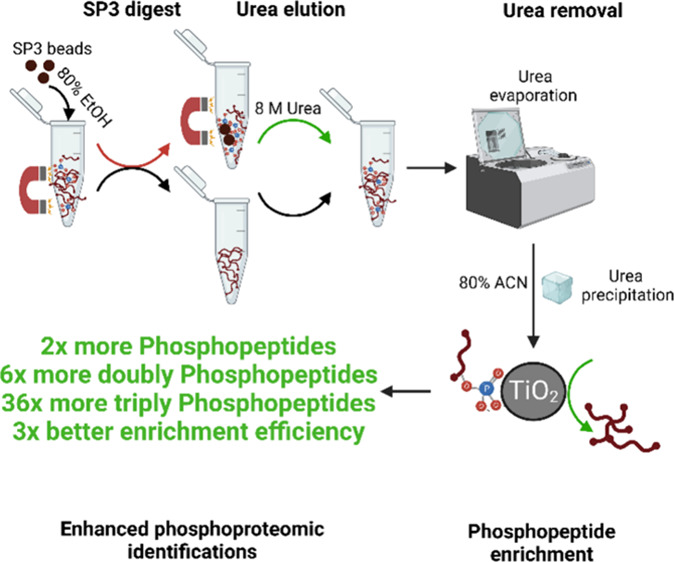 Figure 6
Peer Reviews
No public reviews on file for this paper yet. If you reviewed it on a platform where reviews are public (OpenReview, ICLR, NeurIPS, ICML), you can paste yours below so the community can read it here.
Videos
No videos yet. Explain this paper in a talk, walkthrough, or lecture? Add one.
Taxonomy
TopicsAdvanced Proteomics Techniques and Applications · Mass Spectrometry Techniques and Applications · Genomics and Phylogenetic Studies