USP15 Drives NSCLC Progression and Chemoresistance, Potentially via Regulation of the U2‐Type Spliceosomal Complex
Chien‐Chih Chiu, Sheng‐Kai Hsu, Wangta Liu, I‐Ling Lin, Wenhua Qiu, Ching‐Hung Hsieh, Chon‐Kit Chou

TL;DR
This study shows that USP15 promotes lung cancer growth and resistance to chemotherapy, possibly by influencing RNA splicing processes.
Contribution
The study identifies USP15 as a novel driver of NSCLC progression and chemoresistance via its interaction with the U2-type spliceosomal complex.
Findings
USP15 is overexpressed in NSCLC tumor tissues and cell lines.
USP15 knockdown reduces cancer cell growth, invasion, and chemoresistance.
USP15 interacts with proteins in the U2-type spliceosomal complex, suggesting a role in RNA splicing.
Abstract
Non‐small cell lung cancer (NSCLC) is an aggressive and lethal malignancy with the highest cancer‐related mortality rate. More than 50% of patients are diagnosed at advanced stages, often accompanied by chemoresistance and poor prognosis. Deubiquitinases (DUBs), which regulate various signaling pathways by removing ubiquitin moieties, are frequently dysregulated in tumors, including the ubiquitin‐specific processing protease 15 (USP15). However, the biological role of USP15 in NSCLC progression remains poorly defined. This study aimed to investigate the biological function and mechanistic relevance of USP15 in NSCLC. USP15 expression in human NSCLC tumor tissues and matched adjacent normal tissues was assessed by immunohistochemical staining. Western blotting was performed to evaluate USP15 protein levels in various NSCLC cell lines. Functional assays were conducted to examine the…
Genes, proteins, chemicals, diseases, species, mutations and cell lines named across the full text — each resolved to its canonical identifier and authoritative record.
Click any figure to enlarge with its caption.
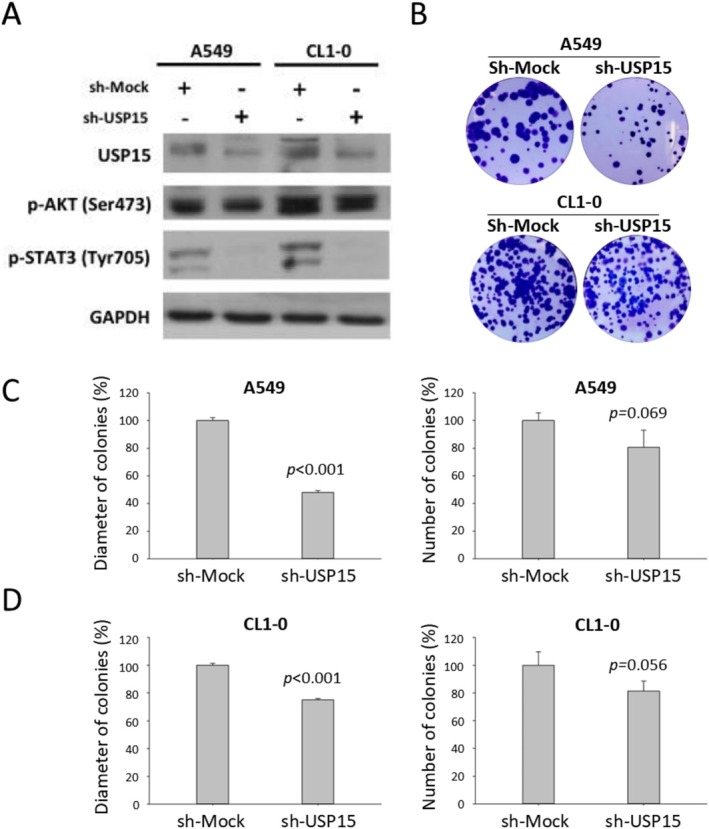 Figure 1
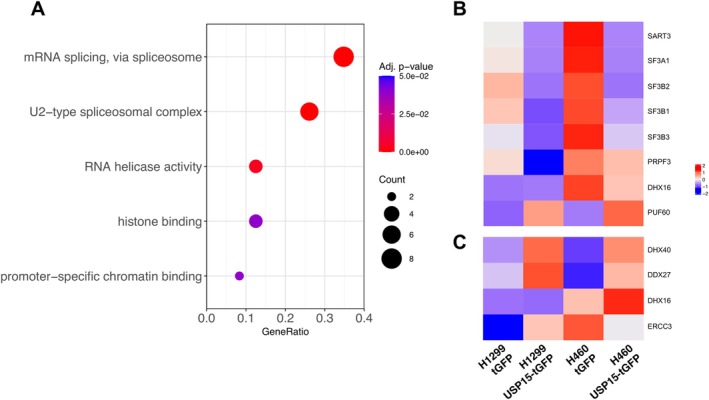 Figure 2
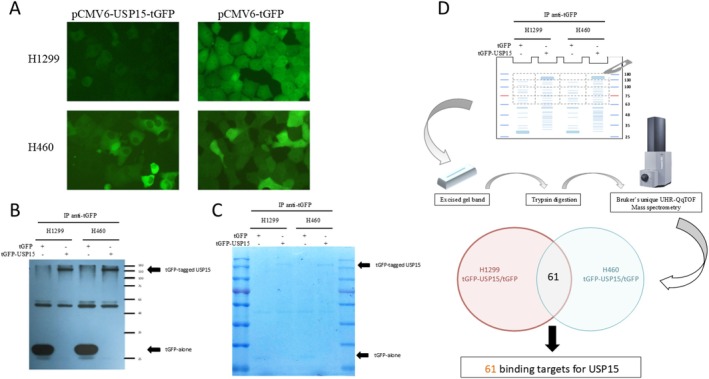 Figure 3
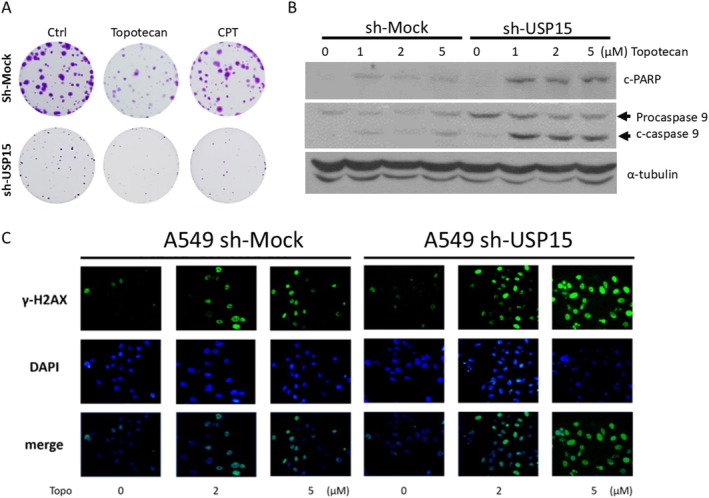 Figure 4
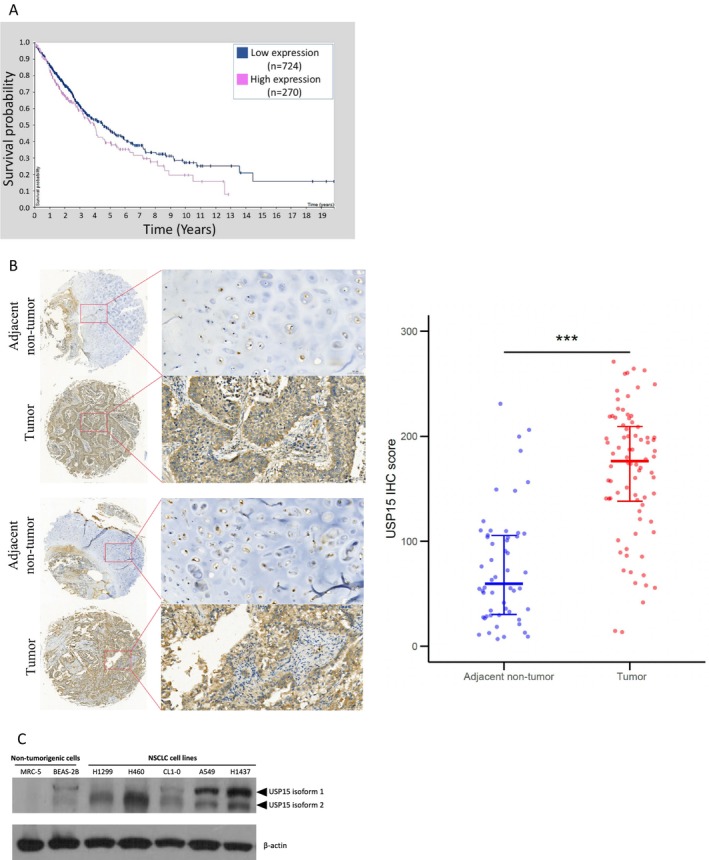 Figure 5
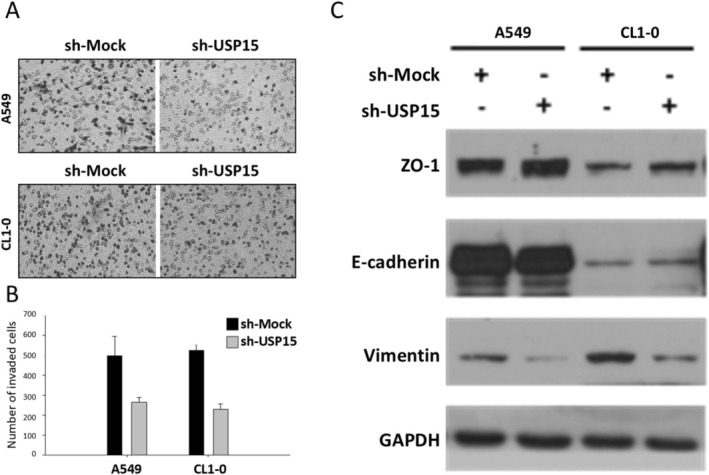 Figure 6
Peer Reviews
No public reviews on file for this paper yet. If you reviewed it on a platform where reviews are public (OpenReview, ICLR, NeurIPS, ICML), you can paste yours below so the community can read it here.
Videos
No videos yet. Explain this paper in a talk, walkthrough, or lecture? Add one.
Taxonomy
TopicsUbiquitin and proteasome pathways · Autophagy in Disease and Therapy · RNA Research and Splicing